
If you have ever stepped out of the shower only to watch your curls turn into a frizzy mess or your waves fall flat, you already know the frustration of air drying. A hair dryer diffuser transforms that same drying routine by softening airflow, preserving your natural texture, and cutting drying time from hours to minutes. Whether you have tight coils, loose waves, or even straight hair, this bowl-shaped attachment helps you achieve more volume, less frizz, and better definition without heat damage.
In this guide, you will learn exactly how a diffuser works, which hair types benefit most, and how to use it properly for salon-quality results at home.
How a Diffuser Changes Airflow
A standard hair dryer blasts concentrated hot air that can flatten curls, create frizz, and overheat certain areas. A diffuser fixes this by dispersing airflow in multiple directions through its wide, dome-like shape and finger-like prongs. Instead of one powerful jet, air exits gently and omnidirectionally, ensuring even drying without shocking delicate strands.
This approach eliminates hot spots and prevents the uneven drying that leads to breakage. For curly and coily textures that are prone to moisture loss, this matters most.
Spreads Heat Evenly Across Hair
The diffuser breaks up concentrated airflow into a wide stream that reaches all sections of hair simultaneously. This prevents the common problem of over-drying some areas while others remain damp. The result is uniform drying from root to tip, which reduces the risk of dryness and split ends.
Reduces Drying Stress on Curls
Direct heat and high-speed air disrupt curl formation by breaking apart curl clumps. A diffuser minimizes this disturbance by lifting hair gently with its prongs, allowing air to circulate around and within curls rather than flattening them. This “dry from the inside out” approach keeps curls intact while speeding up the process.
Enhances Curl and Wave Definition

One of the top reasons to use a diffuser is preserving your hair’s natural texture. Whether you have wavy, curly, or coily hair, the diffuser supports your curl pattern instead of fighting it. By avoiding direct air blasts, it prevents the blow-out effect that straightens or distorts curls.
Keeps Natural Patterns Intact
Curls dry in their formed state when using a diffuser, leading to tighter spirals, clearer S-waves, and springier bounce. The prongs help lift roots while allowing curls to clump together naturally, reinforcing definition without stiffness.
Boosts Definition in Wavy Hair
Even subtle waves transform into defined S-curves with a diffuser. The key is applying product to soaking wet hair and diffusing before the wave pattern sets. Use a lightweight mousse, scrunch hair upward during drying, and avoid touching until fully dry.
Reduces Frizz and Flyaways
Frizz happens when the hair cuticle lifts due to rough handling, humidity, or excessive heat. Traditional drying methods like rubbing with a towel exacerbate this. A diffuser eliminates the need for aggressive drying by using low heat and indirect airflow.
Prevents Cuticle Damage
By keeping the cuticle smooth and closed, the diffuser prevents the frizz cycle. When paired with a heat protectant and curl-enhancing products, it helps form a protective cast around curls. Once dry, a light scrunch removes the crunch while keeping frizz at bay.
Locks in Moisture
Advanced diffusers on smart dryers like the Bio Ionic SmartX and Dyson Supersonic adjust heat based on moisture levels. This prevents over-drying, which strips natural oils and causes brittleness.
Adds Volume at the Roots
Flat roots are a common frustration, especially for fine or straight hair. A diffuser solves this by directing airflow at the scalp while lifting sections of hair into the bowl, drying roots first and preventing the triangle-head look.
Lifts Flat Hair Without Backcombing
For maximum lift, flip your head upside down, place hair into the diffuser, and hold for 20 to 30 seconds per section. This technique creates natural-looking volume without teasing or volumizing sprays.
Targets Fine and Straight Hair Types
Even straight-haired individuals benefit from a diffuser. It adds subtle body and movement while reducing static. Focus airflow at the crown and roots, and finish with a root amplifier spray for long-lasting lift.
Speeds Up Drying Time Safely

Air drying thick, curly, or coily hair can take 3 to 6 hours, impractical for daily routines. A diffuser reduces this to 30 to 60 minutes without compromising hair health.
Cuts Drying from Hours to Minutes
High-performance dryers like the Bio Ionic 10X claim to dry hair up to 10 times faster when used with a diffuser. This speed comes from optimized airflow and intelligent heat control, not brute force.
Prevents Over-Drying
Because the diffuser distributes heat evenly, it avoids the common pitfall of over-drying some sections while others stay damp. Smart dryers enhance this by measuring temperature 40 or more times per second and adjusting output based on real-time moisture.
Protects Against Heat Damage
You do not need high heat to dry your hair effectively. A diffuser allows you to use low to medium settings while still achieving full dryness, preserving the hair’s protein structure and lipid layer.
Enables Low-Heat Styling
Lower heat maintains hair integrity. High heat opens the cuticle, leading to moisture loss and brittleness. Always pair diffusing with a heat protectant spray for best results.
Works with Smart Dryer Tech
Modern diffusers work with intelligent drying systems like the Dyson Supersonic, which prevents overheating through continuous temperature monitoring, and the Shark HyperAIR IQ, which automatically switches to low heat when the diffuser is attached.
Maintains Curl Integrity and Reduces Shrinkage
For Type 4A to 4C hair, shrinkage can make hair appear much shorter than it is. A diffuser helps minimize shrinkage by gently stretching curls during drying without pulling or breaking them.
Preserves Length in Coily Hair
Using a leave-in conditioner before diffusing enhances moisture retention and reduces tangling. The prongs lift sections without disruption, allowing curls to dry with maximum definition and length.
Prevents Tangles and Breakage
By lifting hair instead of pressing it down, the diffuser reduces friction and prevents knots. This is especially helpful for thick, dense, or long hair that mats easily when air dried.
Who Benefits Most from a Diffuser
The diffuser is essential for curly and coily hair types, but wavy hair gains enhanced wave definition and added volume. Even straight-haired users benefit from natural volume at the roots and reduced static.
Curly and Coily Hair Types
For curly and coily textures, the diffuser enhances definition, reduces frizz, prevents shrinkage, and minimizes tangles. Users with tight coils report clearer patterns and less fuzz when diffusing regularly.
Wavy Hair Types
Wavy hair often falls flat when air dried. A diffuser boosts wave definition and adds volume at the roots. Without it, waves may dry limp or frizzy.
Straight Hair Types
A diffuser adds natural volume, prevents flatness, reduces static, and enhances body without creating curls. Focus on root drying and finish with a volumizing spray.
How to Use a Diffuser: Step-by-Step
Prepare Hair Properly
Wash and condition with sulfate-free products, then detangle gently with a wide-tooth comb. Deep condition weekly, especially for curly or coily hair. Use a microfiber towel or cotton T-shirt to squeeze out excess water, avoiding rubbing.
Apply Styling Products
Apply a heat protectant before diffusing, then use curl enhancers suited to your hair type. Apply to soaking wet hair for even distribution. Lightweight mousse works for fine hair, while creams or oils suit thick, coily hair.
Plop for Better Definition
Wrap damp hair in a cotton T-shirt for 10 to 15 minutes to set curl formation and remove excess moisture. After plopping, hair should be damp but not dripping.
Attach and Set the Diffuser
Ensure a secure fit on the dryer. Magnetic attachments like those on Dyson models offer the best stability. Set the dryer to low heat and low airflow. Smart dryers may auto-adjust when the diffuser is attached.
Diffuse Section by Section
Section hair for even drying. Lift roots into the bowl and hold for 20 to 30 seconds. Use a scrunching motion to enhance curl formation. Flip your head upside down for volume. Avoid excessive movement and hold each section steady.
Finish with Cool Shot
When hair is 80 to 90 percent dry, switch to cool air to set the style, enhance shine, and reduce frizz. Do not touch curls until fully dry.
Final Touches
Smooth flyaways with anti-frizz serum. Soften gel crunch with a light scrunch. Add texture with lightweight hairspray if desired.
Common Mistakes to Avoid
Using high heat and airflow causes heat damage and frizz. Over-drying hair makes curls stiff and brittle. Moving the diffuser too much disrupts curl formation. Skipping heat protectant leads to cumulative thermal damage. Using heavy products weighs down curls. Starting with dry hair defeats the purpose. Brushing after drying breaks up curls.
Types of Diffusers
Attachable diffusers fit most dryers and can be swapped with concentrator nozzles. Fixed diffuser dryers have built-in attachments ideal for dedicated diffusing. Design variations include finger diffusers with long prongs for curls, compact models for travel, deep bowl designs for thick or long hair, and extended prongs for better scalp access.
Maintenance Tips
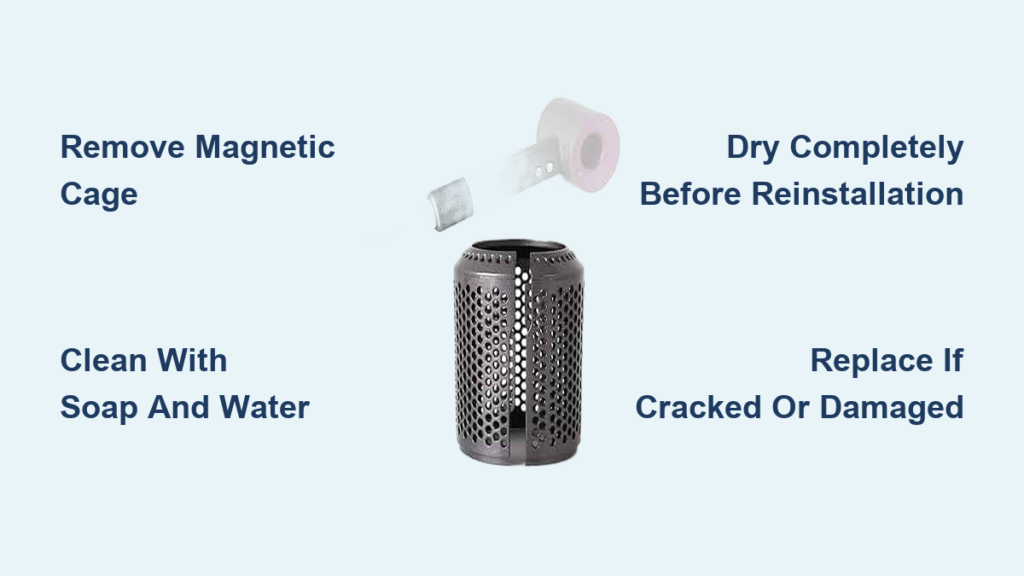
Clean the diffuser after each use by wiping with a damp cloth. Deep clean monthly by rinsing under warm water and using a small brush on prongs and vents. Clogged vents reduce performance and may cause overheating. Store in a dry, cool place away from direct sunlight. Use a protective case when traveling and avoid dropping the diffuser.
Frequently Asked Questions About Using a Diffuser on a Hair Dryer
Can I use a diffuser on straight hair?
Yes, a diffuser adds subtle volume and movement to straight hair while reducing static. Focus airflow at the roots and crown for best results.
Why does my diffuser make my hair frizzy?
High heat settings and moving the diffuser too quickly cause frizz. Use low heat, low airflow, and hold each section steady for 20 to 30 seconds.
How long should I diffuse my hair?
Diffuse until hair is 80 to 90 percent dry, then let the remaining moisture air dry. This typically takes 30 to 60 minutes depending on hair thickness and density.
Can I use a diffuser on fine hair?
Yes, but use lightweight products and low heat. Focus on root volume and avoid heavy creams that weigh hair down.
Do I need a specific type of hair dryer for a diffuser?
Most dryers accept universal diffuser attachments. However, magnetic or brand-specific diffusers like those from Dyson offer the most secure fit and smart features.
How often should I clean my diffuser?
Wipe the diffuser after each use and perform a deep clean monthly. Product buildup clogs vents and reduces drying efficiency.
Key Takeaways for Using a Diffuser
A diffuser is essential for preserving natural texture, reducing frizz and heat damage, enhancing volume and definition, and speeding up drying safely. It works by dispersing airflow gently to protect curl integrity while adding volume at the roots. The right technique combined with appropriate products transforms your drying routine, regardless of hair type. Start with low heat, use a heat protectant, and be patient for the best results.