
If you’re struggling with thinning hair, slow growth, or a flaky, irritated scalp, you’re not alone. Millions seek natural solutions to revive their hair health, and one of the most promising options is cedarwood essential oil for hair growth. This potent plant extract has been used for centuries in traditional medicine and is now backed by science for its ability to strengthen follicles, improve circulation, and create the ideal environment for new hair to thrive.
Cedarwood essential oil is not a miracle cure, but when used correctly, it can be a powerful part of your hair care routine. Extracted from the wood of cedar trees like Cedrus atlantica and Juniperus virginiana, this oil contains cedrol, a compound shown to reduce stress, calm inflammation, and stimulate dormant hair follicles. In this guide, you’ll learn exactly how to use cedarwood essential oil for maximum results, from scalp massages to DIY serums and aromatherapy.
Apply Cedarwood Oil with Carrier Oils
The most effective way to use cedarwood essential oil for hair growth is through diluted scalp application using a carrier oil. Essential oils are highly concentrated and can irritate the skin if used neat, so pairing cedarwood with a nourishing base oil ensures safety and deeper penetration.
Choose the Right Carrier Oil
Not all oils are created equal. Some absorb quickly, others add shine, and a few actually stimulate growth. Here are the top choices:
- Jojoba oil: Mimics your scalp’s natural sebum, making it ideal for all hair types. Lightweight and non-greasy.
- Coconut oil: Penetrates the hair shaft to prevent protein loss. Best for dry or thick hair.
- Argan oil: Rich in vitamin E and fatty acids. Adds shine and softness without weighing hair down.
- Castor oil: Thick and viscous, known for promoting thickness and retention. Mix with lighter oils if too heavy.
- Grapeseed oil: Light and fast-absorbing. Perfect for fine or oily hair types.
Mix and Apply Properly
To make your blend, use 5 to 7 drops of cedarwood essential oil per 1 tablespoon (15 mL) of carrier oil. For enhanced results, add 3 to 5 drops of rosemary oil and 3 drops of lavender oil.
Application steps:
- Part your hair into sections to expose the scalp.
- Dip your fingertips into the mixture and apply directly to the scalp.
- Massage in circular motions for 5 to 10 minutes to boost blood flow.
- Leave on for 30 minutes to overnight before washing out.
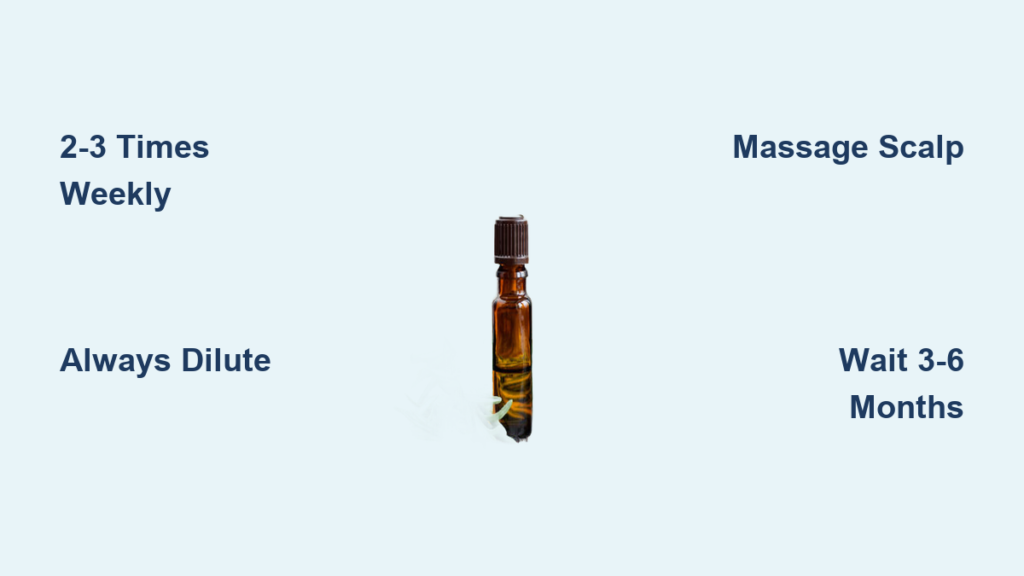
Apply to half-damp hair for better spread and absorption. Focus on thinning areas like the crown or temples. Use this treatment 2 to 3 times per week for consistent results.
Try an Overnight Scalp Treatment

For deep nourishment and maximum follicle stimulation, an overnight cedarwood treatment delivers intensive repair while you sleep. This method allows deeper penetration and prolonged follicle nourishment.
Prepare the Blend
Combine these ingredients in a small glass bottle:
- 4 drops cedarwood essential oil
- 3 drops rosemary essential oil
- 2 drops lavender essential oil
- 1 drop ginger essential oil (optional, boosts circulation)
- ½ ounce (15 mL) carrier oil (coconut, jojoba, or a blend)
Mix well and shake before each use.
Apply and Protect Bedding
- Massage the oil into your scalp thoroughly.
- Cover hair with a shower cap or wrap in a dark towel to prevent staining.
- Let it absorb for 6 to 8 hours.
- Wash out in the morning with a gentle shampoo. You may need to shampoo twice to remove residue.
If you have fine or oily hair, limit this treatment to once a week to avoid greasiness. Benefits include repaired damaged follicles, prevented breakage, and reduced scalp dryness and flaking.
Make a DIY Hair Growth Serum

A custom hair growth serum allows targeted application and easy integration into your daily routine. This method is perfect for addressing specific thinning areas.
Simple Serum Recipe
- 2 tablespoons carrier oil (jojoba or argan recommended)
- 5 drops cedarwood essential oil
- 3 drops rosemary essential oil
Combine all ingredients in a dark glass dropper bottle to protect the oil from light degradation. Shake well before each use.
Apply 3 to 5 drops directly to thinning areas. Massage for 5 to 10 minutes. Leave on for at least 30 minutes or overnight. Store in a cool, dark place and use within 6 months for best potency.
Add Cedarwood to Your Shampoo
For low-effort, daily scalp support, infusing your shampoo with cedarwood oil is a simple and effective method. This approach is ideal for those who want consistent exposure without extra steps.
How to Mix It In
Add 4 to 5 drops of cedarwood essential oil to your regular shampoo bottle. Alternatively, mix 2 to 3 drops per tablespoon of unscented shampoo in your palm before lathering.
Massage into the scalp and leave for 2 to 3 minutes before rinsing. Use every time you wash your hair, which is safe for daily use.
This method gradually improves scalp health, reduces buildup and irritation, and strengthens hair over time. It is especially helpful for managing dandruff and oily roots.
Fight Dandruff with a Scalp Treatment
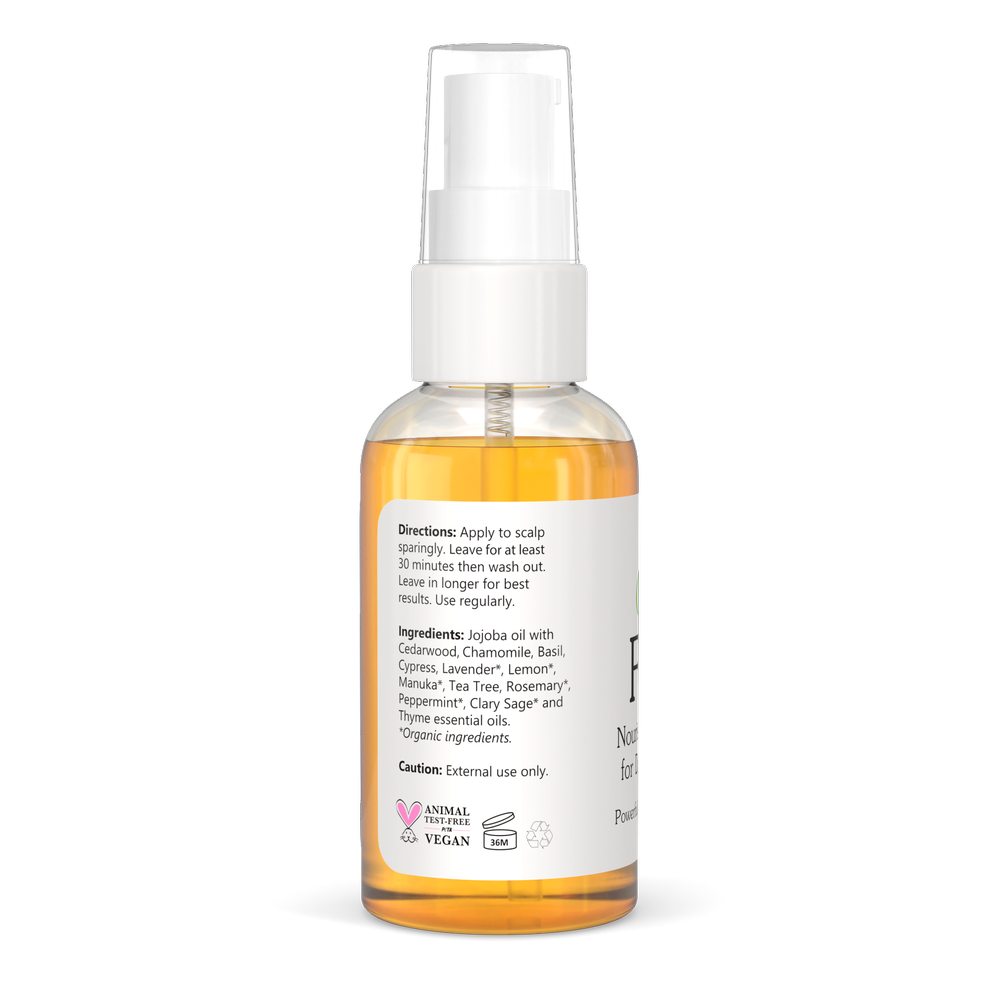
Dandruff is often a sign of fungal overgrowth, dryness, or inflammation. Cedarwood oil’s antifungal and anti-inflammatory properties make it a powerful ally against this common scalp issue.
Anti-Dandruff Blend
- 2 tablespoons melted coconut oil
- 5 drops cedarwood essential oil
- 3 drops tea tree essential oil (boosts antifungal action)
Mix ingredients and let cool slightly. Apply to dandruff-prone areas (sides, back, crown). Leave on for 30 to 60 minutes. Rinse thoroughly with shampoo.
Use this treatment 1 to 2 times per week. Results include reduced flaking within 1 to 2 weeks, less itching and redness, and a cleaner, healthier scalp.
Note that tea tree oil enhances effectiveness but may be too strong for sensitive scalps. Omit if irritation occurs.
Use a Nourishing Hair Mask
While scalp treatments target roots, a cedarwood hair mask conditions both scalp and strands for full-head benefits. This method is especially beneficial for curly, coily, or chemically treated hair that needs extra moisture.
Easy DIY Mask
- 2 tablespoons plain yogurt (provides protein and probiotics)
- 1 tablespoon honey (locks in moisture)
- 5 drops cedarwood essential oil
Mix until smooth. Apply from roots to ends. Cover with a shower cap. Leave on for 30 to 40 minutes. Rinse with warm water, then shampoo.
Benefits include hydrated dry brittle hair, strengthened weak strands, added shine and softness, and mild antimicrobial protection.
Reduce Stress with Aromatherapy
Hair loss is not always about the scalp. Stress is a major trigger for conditions like telogen effluvium and alopecia areata. The cedrol in cedarwood oil has documented calming effects that help lower cortisol, the stress hormone linked to shedding.
Effective Aromatherapy Methods
Diffusion: Add 3 to 5 drops of cedarwood oil to a diffuser. Run 30 minutes before bedtime to promote relaxation and better sleep.
Direct Inhalation: Place 2 drops on a tissue or cotton ball. Inhale deeply for 1 to 2 minutes when feeling anxious.
Cedarwood Bath Soak: Mix 5 to 7 drops with 1 tablespoon carrier oil or Epsom salts. Add to warm bathwater. Soak for 20 to 30 minutes.
Recommended blends include Sleep and Calm (cedarwood plus lavender plus sweet orange), Focus and Grounding (cedarwood plus frankincense plus sandalwood), and Mental Clarity (cedarwood plus eucalyptus plus pine needle).
Regular aromatherapy improves mood and supports long-term hair regrowth by addressing one of the root causes of shedding.
Follow Safe Dilution Guidelines
Using too much essential oil or applying it undiluted can cause scalp irritation, redness, or sensitization. Always follow proper dilution ratios to ensure safety and efficacy.
Dilution Chart for Cedarwood Oil
| Use Case | Dilution % | Drops per 1 oz (30 mL) Carrier |
|---|---|---|
| Scalp Treatment | 3 to 5% | 18 to 30 drops |
| Facial or Sensitive Skin | 1 to 2% | 6 to 12 drops |
| Body Massage | 2 to 3% | 12 to 18 drops |
| Bath Use | 5 to 7 drops mixed with oil or salts | |
| Diffuser | 3 to 5 drops in water |
For children over 6, use only 0.5 to 1% dilution. This oil is not recommended for infants.
Always perform a patch test first. Apply a small amount of diluted oil to your inner forearm. Wait 24 hours. If redness, itching, or swelling occurs, discontinue use.
Boost Results with Synergistic Blends
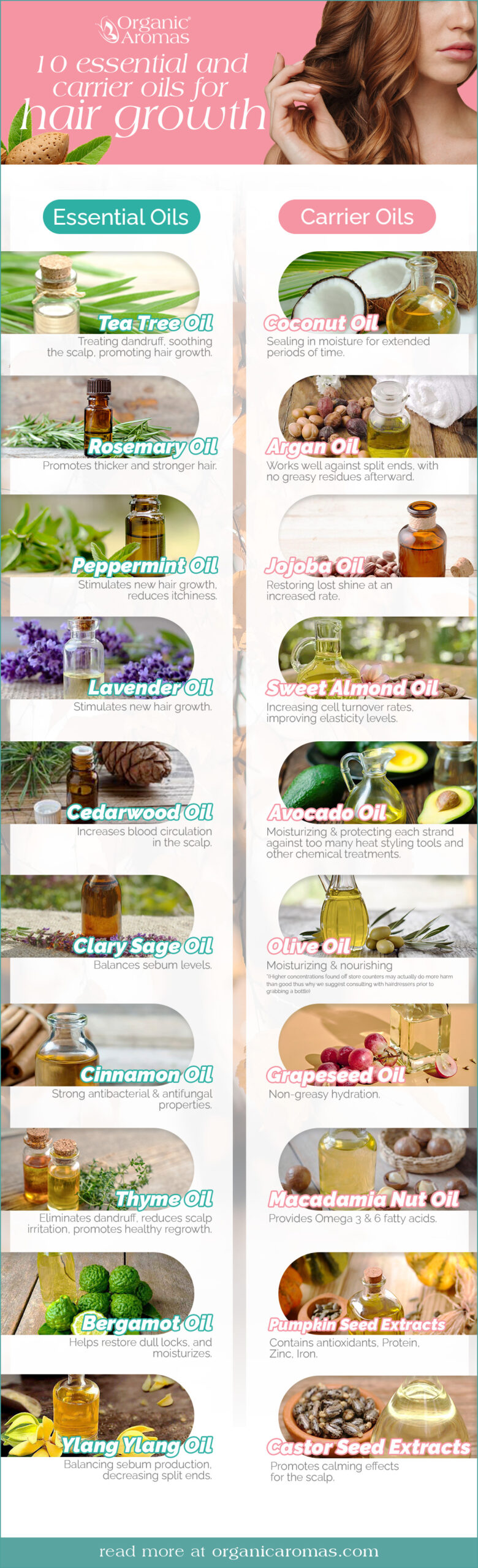
Cedarwood works even better when combined with other essential oils that target different aspects of hair health. Rotating blends every few weeks prevents your scalp from adapting and addresses multiple concerns.
Best Blends for Hair Growth
- Hair Growth Boost: Cedarwood (5 drops) plus Rosemary (3 drops) plus Lavender (3 drops)
- Anti-Dandruff: Cedarwood (5 drops) plus Tea Tree (3 drops) plus Coconut Oil
- Scalp Healing: Cedarwood (4 drops) plus Lavender (4 drops) plus Jojoba Oil
- Stress Relief: Cedarwood (5 drops) plus Lavender (3 drops) plus Bergamot (2 drops)
- Deep Conditioning: Cedarwood (4 drops) plus Frankincense (3 drops) plus Argan Oil
Rosemary increases circulation, which is critical for follicle nourishment. Lavender promotes cellular regeneration and soothes irritation. Tea tree kills dandruff-causing fungi. Frankincense supports skin repair and reduces inflammation.
Address Specific Scalp Conditions
Cedarwood oil is not one-size-fits-all. It can be tailored to your unique hair and scalp needs for maximum effectiveness.
Hair Thinning or Loss
How it helps: Strengthens follicles, prevents miniaturization, boosts blood flow. Best method: Scalp massage with rosemary blend, 3 times per week.
Oily Scalp
How it helps: Balances sebum production, tightens pores. Best method: Light carrier oil (jojoba or grapeseed), shampoo infusion.
Dry, Itchy Scalp
How it helps: Soothes inflammation, moisturizes with carrier oils. Best method: Overnight coconut oil treatment with lavender.
Dandruff (Oily or Dry)
How it helps: Fights Malassezia fungus, reduces flaking. Best method: Tea tree plus cedarwood scalp treatment, 2 times per week.
Inflammation or Folliculitis
How it helps: Anti-inflammatory and antimicrobial action calms redness. Best method: Diluted serum with lavender and frankincense.
Stress-Related Shedding
How it helps: Lowers cortisol, promotes relaxation. Best method: Evening diffusion or bath soak.
Choose High-Quality Cedarwood Oil
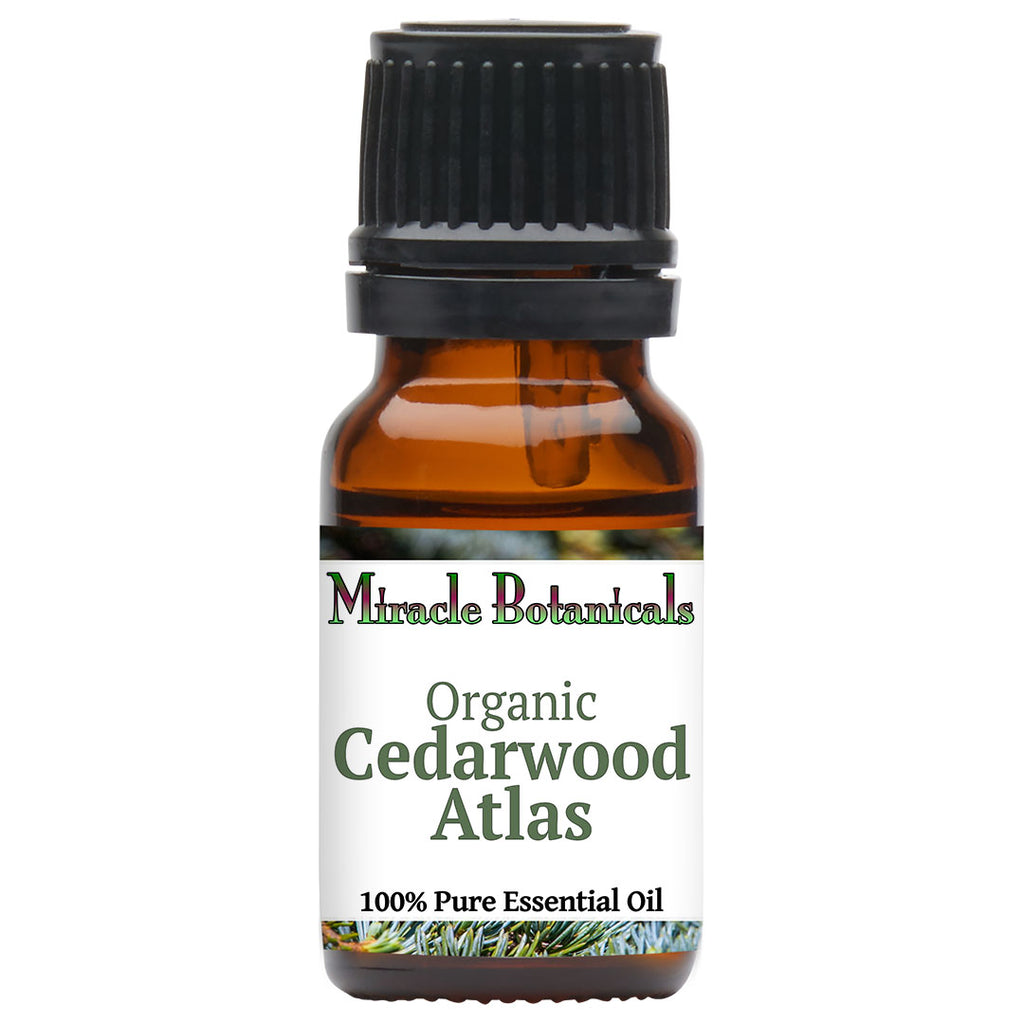
Not all essential oils are equal. To get real results, quality matters. Using inferior products can waste your time and money while delivering little benefit.
What to Look For
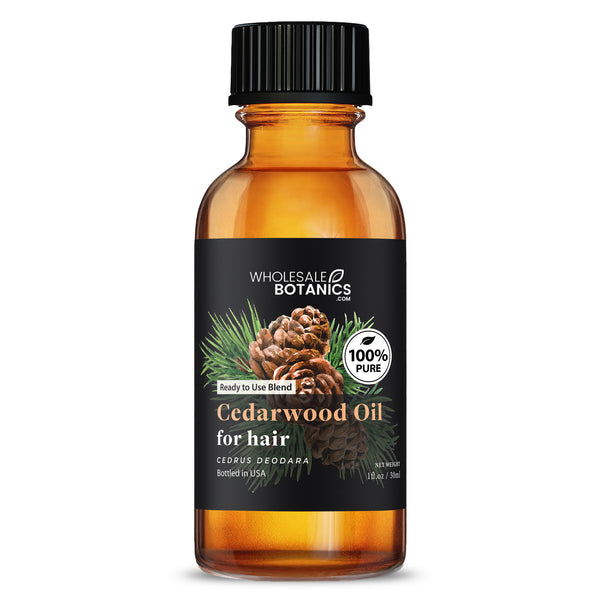
- Botanical Name: Must list Cedrus atlantica, Juniperus virginiana, or Cedrus deodara.
- Extraction Method: Steam distilled avoids chemical solvents.
- Organic Certification: USDA-certified organic ensures no pesticides or additives.
- Cedrol Content: Higher cedrol means stronger therapeutic effects.
- Packaging: Dark glass bottle (amber or cobalt) protects from light degradation.
Avoid oils labeled fragrance oil or perfume oil, as these are synthetic and ineffective. When stored properly in a cool, dark place, cedarwood oil has a shelf life of 4 to 5 years.
Know the Precautions
Cedarwood essential oil is safe for most people, but only when used correctly. Following these guidelines prevents adverse reactions and ensures the best results.
Safety Checklist
Always dilute before topical use. Perform a patch test before full application. Never ingest cedarwood oil; it is for external use only. Avoid contact with eyes and mucous membranes.
If you are pregnant or nursing, consult your doctor first. This oil is not recommended for children under 6. If you have sensitive skin, use lower dilution (1 to 2%). For overnight treatments, use a towel or shower cap to protect bedding.
Overuse or improper dilution may cause irritation, which could temporarily worsen shedding. Less is often more when it comes to essential oils.
Frequently Asked Questions About Cedarwood Essential Oil for Hair Growth
Is cedarwood oil good for hair growth?
Yes. Research and user reports confirm it supports growth by improving circulation, reducing inflammation, and strengthening follicles, especially when combined with rosemary or lavender.
Can I leave cedarwood oil in my hair overnight?
Yes, and it is highly effective. Just dilute properly with carrier oil and protect your pillow with a cap or towel to prevent staining.
How often should I use cedarwood oil for hair growth?
Oil treatments should be used 2 to 3 times per week. Shampoo infusion can be used daily. Aromatherapy can be used as needed for stress relief.
What is the best carrier oil to use with cedarwood?
Jojoba oil works well for all-around use. Coconut or argan is best for dry hair. Castor promotes thickening (mix with lighter oil). Grapeseed is ideal for fine hair.
Can cedarwood oil cause hair loss?
No direct evidence supports this. However, irritation from overuse or poor dilution may lead to temporary shedding. Always follow dilution guidelines.
Does cedarwood oil work for all hair types?
Yes. Adjust carrier oils and frequency based on your texture. Fine or oily hair types should use light oils and rinse thoroughly. Thick or dry hair types benefit from rich oils and leave-in treatments.
Key Takeaways for Using Cedarwood Essential Oil for Hair Growth
Cedarwood essential oil is a versatile, science-backed tool for healthier hair and scalp. It improves circulation, fights dandruff, balances oil production, and reduces stress, addressing multiple causes of hair loss in one natural solution. When used with carrier oils, blended with rosemary or lavender, and applied consistently, you can expect stronger roots, less shedding, and visible regrowth over time.
The key is consistency and safety. Stick to proper dilution ratios, always patch test, and choose high-quality organic oil. Whether you use a DIY serum, overnight treatment, or simple shampoo boost, cedarwood can become a cornerstone of your hair care routine. Pair it with stress-reducing aromatherapy, and you are not just treating symptoms. You are supporting hair health from the inside out.
With patience and proper use, cedarwood essential oil for hair growth is not just a trend. It is a time-tested, effective strategy for achieving thicker, fuller, and healthier hair.