
If you’ve ever wondered how long to leave coconut oil in hair, you’re not alone. This natural treatment has become a go-to for people seeking shinier, softer, and healthier-looking hair without harsh chemicals. Coconut oil penetrates the hair shaft differently than many other oils, which is why timing matters so much. Leave it on too short, and you miss the benefits. Leave it on too long without proper cleanup, and you risk buildup or greasiness.
Research and real-user testing show that 30 minutes is the minimum for noticeable conditioning, but 6 to 8 hours overnight delivers the deepest nourishment. Whether you’re battling frizz, dryness, or damage from coloring and heat styling, the right application time can make all the difference. In this guide, you’ll learn exactly how long to leave coconut oil in your hair based on your hair type, goals, and lifestyle.
Minimum Time: 30 Minutes for Quick Conditioning
For a fast boost of moisture, 30 minutes is enough to see softness and shine improvements. This short window allows coconut oil to coat the hair cuticle and begin penetrating the shaft, especially when applied to dry hair.
Why 30 Minutes Works
This duration is ideal for several situations. It’s perfect for fine, low-porosity, or oily-prone hair that doesn’t need heavy treatment. It prevents over-moisturizing or weighing hair down. It also fits easily into a regular shower routine. Apply before washing, then shampoo out.
Tip: Warm 1 to 2 teaspoons of coconut oil between your palms and focus on mid-lengths to ends if your roots get greasy quickly.
While 30 minutes won’t deliver deep repair, it helps prevent protein loss and adds a glossy finish. It’s perfect for weekly maintenance or a last-minute shine boost before styling. Avoid using hot water immediately when rinsing. Start with lukewarm water to gently loosen the oil before shampooing.
Extended Treatment: 1 to 6 Hours for Deeper Penetration

Leaving coconut oil in for 1 to 6 hours increases absorption significantly, especially for thick, coarse, or high-porosity hair. This mid-range timing offers a balance between effectiveness and convenience when an overnight treatment isn’t possible.
Who Should Try This Time Frame
This treatment works best for specific hair types and conditions. It’s ideal for people with dry or damaged strands. It’s also beneficial for those with chemically treated hair including color, bleach, or relaxers. Anyone wanting better frizz control without sleeping in oil should try this duration.
Application Tips for Extended Treatment
Use 2 to 3 tablespoons for shoulder-length hair. Section hair and apply evenly with fingers or a silicone brush. Cover with a shower cap to trap heat and boost penetration. After 1 to 6 hours, wash thoroughly with a clarifying shampoo. You’ll notice smoother texture and improved manageability compared to the 30-minute method.
Warning: Don’t skip the double wash. Single cleansing often leaves residue, especially after 4 or more hours of oil application.
Overnight Treatment: 6 to 8 Hours for Maximum Results
The most effective way to use coconut oil is overnight. 6 to 8 hours of contact time maximizes penetration and delivers dramatic improvements in shine, softness, and split-end appearance.
Why Overnight Works Best
Extended exposure allows lauric acid in coconut oil to fully enter the hair cortex. It repairs moisture loss from daily styling, sun exposure, and chemical processing. Users report salon-like gloss, reduced breakage, and a fuller look after air-drying.
Expert Insight: “Leave the oil on for at least 30 minutes, or overnight for a deeper treatment.” — Keeping Up with Kahla
This method is ideal for every-other-week deep conditioning, especially if you have dry, curly, or damaged hair.
How to Protect Your Bedding

Braided hair stays contained and minimizes tangles. Create two French braids to reduce surface contact with your pillow. Wear a silk-lined cap with a plastic inner layer to block oil leakage. No specialty cap? Wrap hair in a microfiber towel or old cotton T-shirt, then cover with a shower cap.
Critical Note: Oil can mix with hair dye and permanently stain pillowcases. Always use protective barriers.
Apply to Dry Hair for Better Absorption
Never apply coconut oil to wet hair if you want deep conditioning. Water fills the hair shaft first, creating a barrier that blocks oil from entering.
Why Dry Hair Wins
Dry cuticles are more receptive to oil penetration. This approach prevents surface-only coating that rinses off easily. It maximizes the protective and moisturizing benefits regardless of how long you leave the oil in.
Prep Steps for Application
Start with completely dry, detangled hair. Warm coconut oil in your hands until liquid since it melts at 76°F. Work in small sections from roots to ends, or focus on mid-lengths if your scalp is oily. This step ensures even coverage and deeper nourishment.
Use the Right Amount to Avoid Buildup
Too much coconut oil leads to greasy hair and difficult removal. Moderation is key to getting the benefits without the mess.
Portion Guidelines by Hair Length
| Hair Length | Recommended Amount |
|---|---|
| Short | 1 to 2 teaspoons |
| Medium | 2 to 3 tablespoons |
| Long | 3 to 4 tablespoons |
Apply gradually. You can always add more, but removing excess is hard.
Pro Tip: Focus oil on ends and mid-lengths unless your scalp is dry. Oily scalps only need oil on lower sections.
Over-application increases residue risk, especially with sulfate-free shampoos that don’t cut through oil well.
Wash Out Properly with Double Shampoo
Even a 30-minute treatment needs thorough removal. One shampoo pass isn’t enough, especially after extended use.
Step-by-Step Cleansing Process
Pre-rinse with lukewarm water to loosen the oil. First, massage shampoo into scalp and lengths to break down oil. Second, focus on roots to ensure full removal. Finally, condition only the ends to restore softness.
Best Shampoos for Oil Removal
Sulfate-based clarifying shampoos work best for removing coconut oil. Examples include products like Rooted Rituals Clarifying Shampoo. Reserve these for deep-cleaning days. Don’t use them daily. Sulfate-free options may leave a film, making hair look dull.
User Practice: Rotate shampoos. Use sulfates only when needed for oil, protein, or buildup removal.
Focus on Ends to Hide Split Ends
Coconut oil doesn’t repair split ends, but it coats and smooths them, making them less visible.
How to Target Damage
Apply extra oil to the last 3 to 4 inches of hair. Use fingertips to seal split ends by gliding oil downward. Repeat weekly or biweekly to maintain the effect. Combined with proper heat protection and regular trims, this helps keep ends looking healthy between cuts.
Avoid Scalp Application If Oily or Irritated
While coconut oil can soothe a dry scalp, it’s not for everyone. Some scalps react poorly to heavy oils.
When to Skip the Scalp
Avoid scalp application if you have oily hair or seborrheic dermatitis. Skip it if you’re prone to dandruff or fungal acne. Also avoid if your scalp feels itchy or clogged after oil use. Coconut oil is comedogenic, meaning it can clog pores and worsen scalp conditions in some people.
Safer Alternatives for Scalp Issues
Apply only from ears down to avoid scalp problems. Try lighter oils like jojoba or grapeseed for scalp issues. Always patch test behind the ear before full use.
Choose Unrefined, Cold-Pressed Coconut Oil
Not all coconut oils are equal. For maximum benefit, pick the right kind.
Best Type: Organic, Unrefined, Cold-Pressed
This type retains lauric acid, the key compound for hair penetration. It’s free from chemicals and additives. It has a natural coconut scent and solid texture below 76°F.
Recommended Brands
Viva Naturals Organic Extra Virgin Coconut Oil is used in overnight tests and offers high purity. Simply Balanced Coconut Oil is affordable and effective for regular use. Avoid refined or hydrogenated versions. They lack nutrients and may contain trans fats.
Prevent Buildup with Regular Clarifying
Even with proper washing, coconut oil can build up over time, leading to dull, flat hair.
Signs of Buildup
Watch for these indicators. Hair feels heavy or greasy after washing. Lacks volume or bounce. Doesn’t absorb other products well.
Prevention Tips
Clarify every 2 to 4 weeks with a sulfate shampoo. Limit treatments to once every 1 to 2 weeks. Rotate with lighter treatments like aloe vera or leave-in conditioners. Buildup blocks moisture and can cause breakage, so cleansing is just as important as application.
Customize Time Based on Hair Type
Not every hair type needs the same treatment length. Tailor your timing for best results.
Hair Type Guide
| Hair Type | Recommended Time | Notes |
|---|---|---|
| Fine or thin | 30 min to 1 hour | Avoid roots; use sparingly |
| Curly or coily | 4 to 8 hours overnight | High porosity absorbs well |
| Thick or coarse | 2 to 6 hours | Needs deeper moisture |
| Damaged or bleached | 6 to 8 hours overnight | Replenishes lost proteins |
| Low porosity | 30 min to 2 hours | Resists absorption; avoid heavy oil |
Adjust based on how your hair responds. Shine and softness should improve without weighing you down.
Final Recommendations for Best Results
To get the most out of your coconut oil treatment, follow this proven routine.
Step-by-Step Summary
Choose quality oil that is unrefined, cold-pressed, and organic. Apply to dry hair and section to coat evenly. Set your duration based on needs: 30 minutes for a quick fix, 1 to 6 hours for deep conditioning, or 6 to 8 hours overnight for maximum repair. Protect your bedding by braiding hair and wearing an oil-resistant cap. Wash out with double shampoo using a sulfate-based cleanser. Condition ends only to restore softness post-wash. Clarify weekly or biweekly to prevent buildup.
Frequency Guide
Use this treatment every other week for ideal deep treatments. Go weekly for very dry or damaged hair with proper cleansing. Use as needed for a shine boost or frizz control.
User Verdict: “I’m definitely planning to do it again to my hair soon.” — Keeping Up with Kahla
With the right timing and technique, coconut oil transforms hair, giving you high-gloss shine, frizz-free strands, and noticeably healthier texture.
Frequently Asked Questions About Coconut Oil in Hair
How long should I leave coconut oil in my hair for the best results?
The optimal time is 6 to 8 hours overnight for maximum penetration and deep conditioning. This allows the lauric acid to fully enter the hair cortex and deliver the most dramatic improvements in shine and softness.
Can I leave coconut oil in my hair for 30 minutes?
Yes, 30 minutes is the minimum recommended time for noticeable benefits. This works well for fine hair, oily-prone scalps, or anyone wanting a quick moisture boost before washing.
Is overnight coconut oil treatment safe for all hair types?
Overnight treatment works best for dry, damaged, curly, or coarse hair. Fine or low-porosity hair may become weighed down. Adjust timing based on your hair type and how your hair responds.
How do I prevent coconut oil from staining my pillowcase?
Always protect your bedding. Braid your hair and wear a silk-lined cap with a plastic inner layer. Alternatively, wrap hair in a microfiber towel or old cotton T-shirt, then cover with a shower cap.
How often should I use coconut oil on my hair?
Use it every other week for deep treatment. Very dry or damaged hair can handle weekly application with thorough cleansing. Avoid more frequent use to prevent buildup.
What happens if I don’t wash out coconut oil properly?
Improper removal leads to buildup, causing greasy, dull, heavy hair. Always double shampoo with a sulfate-based clarifying shampoo to fully remove all oil residue.
Key Takeaways for Coconut Oil Hair Treatment Timing
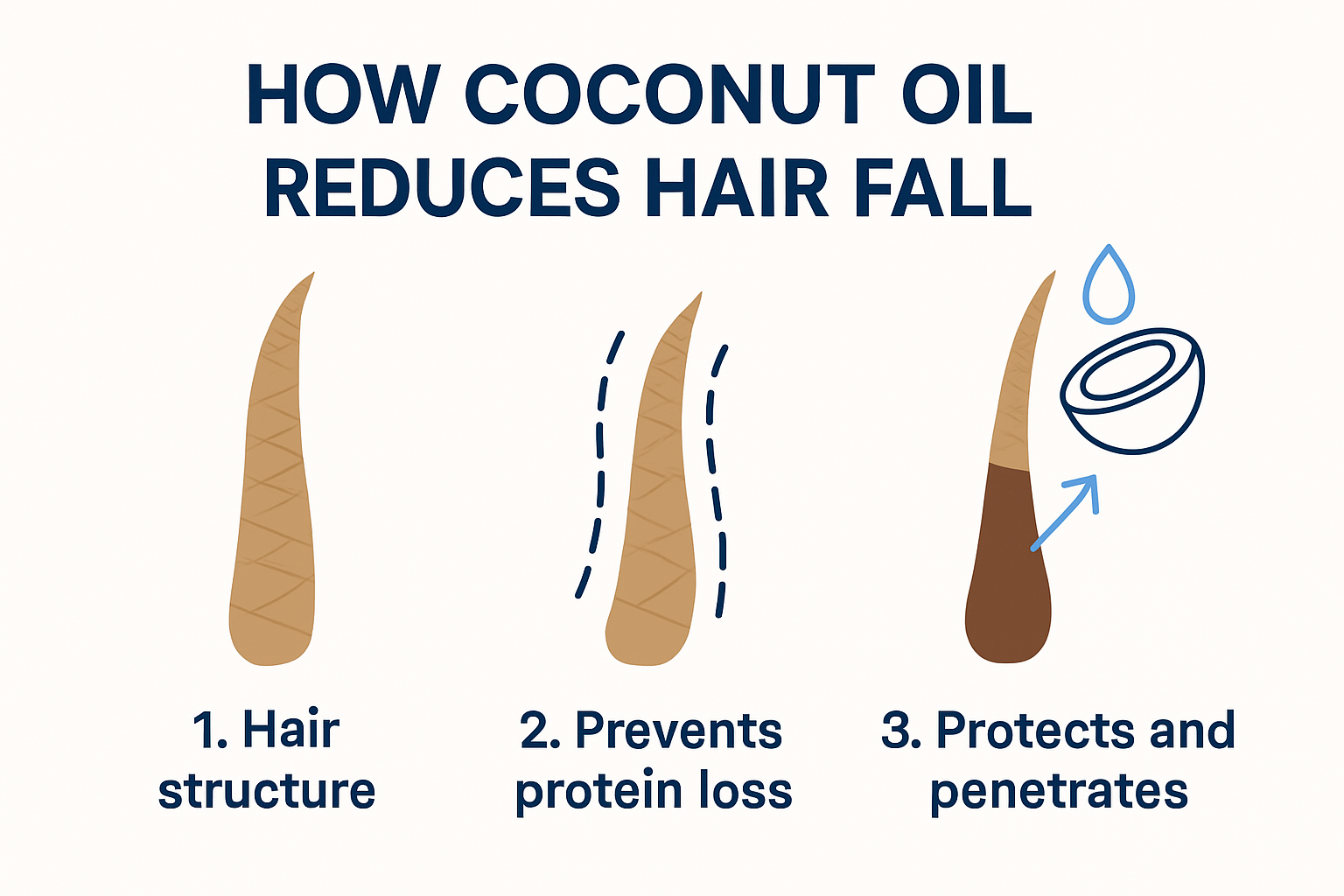
Coconut oil is a powerful, natural tool for hair health, but success depends on three main factors. First, how long you leave it in matters significantly. Thirty minutes provides a quick boost, while overnight treatment delivers maximum benefits. Second, how you wash it out is equally important. Double shampoo with sulfate-based cleansers prevents buildup. Third, whether it suits your hair type determines your results. Customize timing based on whether your hair is fine, thick, curly, or damaged.
Start with 30 minutes if you’re new to coconut oil treatments. Experiment with longer times gradually. Adjust based on how your hair responds. When done right, this simple, affordable method gives you beautiful, strong hair at home without expensive salon treatments.