You’ve likely seen the viral posts praising castor oil as a miracle elixir for long, thick, fast-growing hair. It’s marketed as a natural remedy for thinning edges and slow growth, making it a staple in countless hair care routines. But how does castor oil help hair growth, really? The science tells a more nuanced story. Castor oil does not stimulate new hair growth or revive dormant follicles, but it does play a valuable protective role. Its high ricinoleic acid content moisturizes the scalp, strengthens the hair shaft, and reduces breakage, which can create the appearance of growth over time. This guide breaks down exactly what castor oil can and cannot do based on scientific evidence, and shows you how to use it effectively without falling for common myths.
What Is Castor Oil Made Of

Castor oil comes from the seeds of the Ricinus communis plant, grown mainly in India, Brazil, and China. Through cold pressing, these seeds release an oil rich in ricinoleic acid, which makes up 85 to 90 percent of its composition. This unique fatty acid gives castor oil its anti-inflammatory and antimicrobial properties, making it effective for soothing irritated skin and preventing scalp infections.
High Ricinoleic Acid Content
The dominance of ricinoleic acid is what sets castor oil apart from other carrier oils. Unlike linoleic or oleic acids found in jojoba or coconut oil, ricinoleic acid penetrates the skin slowly and forms a long-lasting barrier. This helps lock in moisture and protect the scalp from dryness and microbial overgrowth, which are key factors in maintaining a healthy environment for existing hair.
Natural Antimicrobial and Anti-Inflammatory Effects
A clean, calm scalp supports stronger hair retention. Ricinoleic acid helps reduce scalp inflammation and fights off microbes that can contribute to flaking or follicle blockage. While this does not trigger new growth, it creates better conditions for your current hair to thrive and resist shedding due to irritation or infection.
Why It Feels Like Hair Is Growing

Many users swear their hair grows faster with castor oil, but what they are actually experiencing is improved hair retention and appearance. True hair growth happens at the follicle level beneath the skin. Castor oil works on the surface, giving visual results that mimic growth.
The Thickness Illusion Explained
Castor oil is 8 to 15 times thicker than coconut or olive oil and up to 20 times heavier than jojoba oil. When applied, it coats each strand, adding weight and shine. This coating creates a fuller, denser look, especially in fine or thinning hair, making it seem like new hair is sprouting when it is really just better coverage.
Moisture Barrier Reduces Breakage
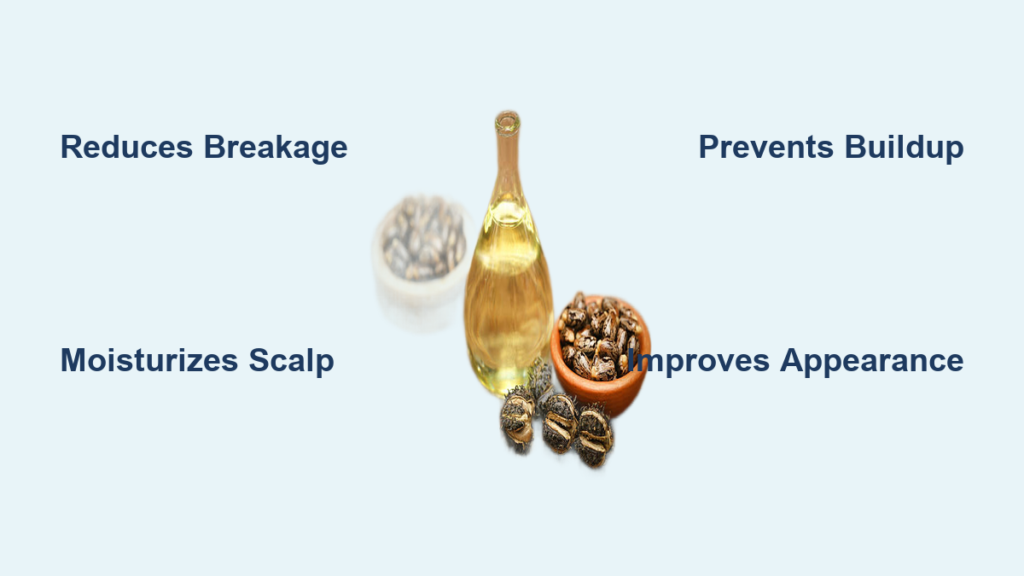
One of castor oil’s real benefits is its ability to form a hydrophobic seal around the hair shaft. This reduces moisture loss and increases elasticity, meaning strands are less likely to snap during brushing or styling. Less breakage equals longer-looking hair over time. That is not new growth, but it is a valid reason people report faster growth.
No Proven Follicle Stimulation
Despite popular claims, there is no scientific evidence that castor oil boosts blood circulation or activates prostaglandins, which are molecules involved in hair cycle regulation. Any improvement in circulation from scalp massage is minor and temporary, and it is the massage, not the oil, that may help. Castor oil itself does not wake up dormant follicles or increase hair count.
Scientific Verdict: No Growth Stimulation
After evaluating clinical studies and dermatological research, the conclusion is consistent across experts. Castor oil does not promote new hair growth. It has no effect on hair density, follicle activation, or growth rate. These findings are supported by the absence of peer-reviewed trials showing increased anagen activity or improved hair counts after castor oil use.
What Studies Actually Show
There are no human clinical trials proving castor oil increases hair growth. Most claims are anecdotal or based on its traditional use in Ayurvedic and folk medicine. In contrast, ingredients like minoxidil and rosemary oil have been tested in randomized controlled trials and shown measurable results.
Misconceptions About Scalp Circulation
Some influencers claim that massaging castor oil boosts blood flow, fueling follicles. While scalp massage can modestly improve circulation over time, the oil itself adds no vasodilatory effect. Ricinoleic acid is not known to dilate blood vessels or influence dermal papilla cells, which are the engines of hair growth.
How to Use Castor Oil Correctly
Even if it does not grow new hair, castor oil can be a useful part of your routine when used wisely. Its strength lies in protection, not stimulation. Overuse can lead to buildup, clogged pores, and scalp issues.
Apply Sparingly and Infrequently
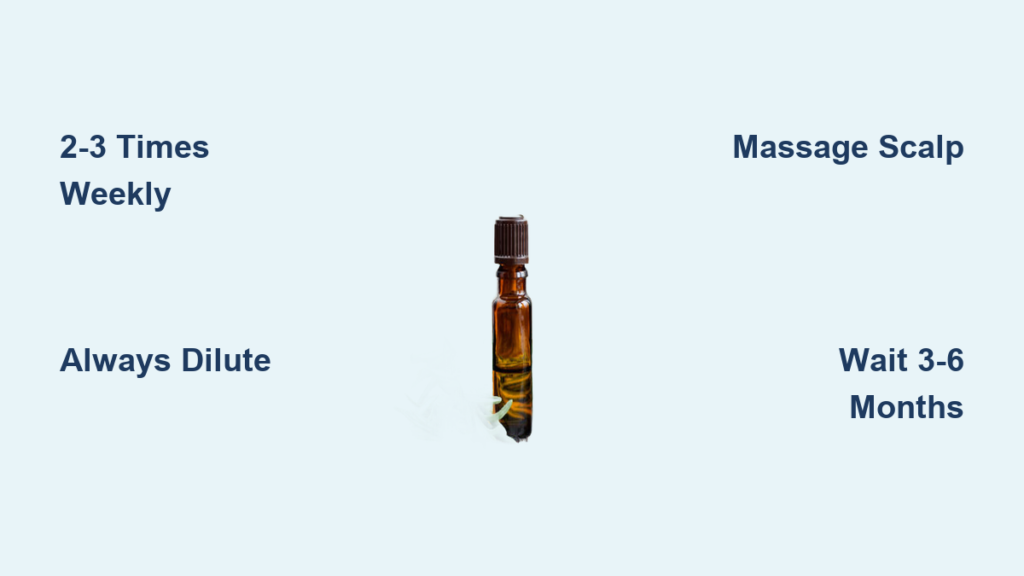
Due to its extreme thickness, use castor oil just once or twice a week. A few drops mixed with a lighter carrier oil like jojoba or grapeseed makes it easier to spread and rinse out. Full-strength applications often lead to greasy residue and are hard to remove without harsh shampoos.
Always Do a Patch Test
Castor oil is generally safe, but it can cause contact dermatitis in sensitive individuals. Before applying to your scalp, rub a small amount on your inner forearm and wait 24 hours. If redness, itching, or swelling appears, avoid using it on your head.
Avoid If You Have Scalp Conditions
If you struggle with forehead acne, folliculitis, or seborrheic dermatitis, skip castor oil. Its heavy, occlusive nature can trap sweat, dead skin, and bacteria, worsening clogged pores and inflammation. For oily or acne-prone scalps, it may do more harm than good.
Best Carrier Oil Blends

Using castor oil alone is rarely ideal. Blending it with lighter oils improves absorption and usability while preserving its protective benefits.
Mix With Jojoba or Coconut Oil
Try a 1 to 3 ratio, one part castor oil to three parts jojoba or coconut oil. Jojoba mimics natural sebum and will not clog pores, while coconut oil penetrates the hair shaft to strengthen from within. This blend delivers moisture without overwhelming the scalp.
Add a Few Drops to Hair Serums
Instead of a full oil treatment, add 2 to 3 drops of castor oil to your favorite leave-in conditioner or serum. This boosts shine and protection without the hassle of deep conditioning or residue buildup.
Alternatives That Actually Stimulate Growth

If your goal is real hair growth, not just appearance, turn to ingredients with clinical backing. These target the root causes of thinning, which are DHT and poor circulation.
Natural DHT Blockers
Dihydrotestosterone shrinks hair follicles over time, leading to miniaturization and shedding. These natural agents help block its effects.
Saw palmetto inhibits 5-alpha reductase, the enzyme that converts testosterone to DHT. Pumpkin seed oil showed significant hair count increases in a 2014 study where men took 400 milligrams daily for 24 weeks. Rosemary oil was found to be as effective as 2 percent minoxidil in a 2015 study with fewer side effects.
Proven Pharmaceutical Options
For stronger results, especially in androgenetic alopecia, consider these FDA-approved treatments. Minoxidil works by prolonging the anagen phase and increasing blood flow to follicles. Finasteride and dutasteride are prescription DHT blockers with high efficacy in preventing further loss and promoting regrowth.
When to Expect Results
With castor oil, do not expect changes in growth speed or density. But with consistent use, you may notice reduced split ends and breakage within 2 to 4 weeks. Shinier, smoother hair appears after the first application. Less scalp dryness or flaking develops over time. For true growth agents like minoxidil or rosemary oil, visible results typically take 3 to 6 months, with peak effects seen at 12 months.
Common Mistakes to Avoid
Even well-intentioned routines can backfire. Steer clear of these pitfalls to get the most from your hair care routine.
Using Too Much Too Often
More is not better. Over-applying castor oil leads to buildup, attracting dirt and potentially clogging follicles. Stick to small amounts and wash thoroughly after each use.
Skipping Cleansing
Because castor oil is so thick, it requires a proper cleanse. Use a gentle sulfate-free shampoo or do an oil pre-wash with a lighter oil to break down residue before shampooing.
Replacing Medical Treatments
Relying solely on castor oil for hair loss is risky. It will not stop genetic thinning. If you are losing hair rapidly, consult a dermatologist. Delaying treatment can reduce the chance of regrowth.
Frequently Asked Questions About Castor Oil and Hair Growth
Does castor oil actually grow hair?
No, castor oil does not stimulate new hair growth. There is no scientific evidence that it activates follicles or increases hair density. Its benefits are limited to protecting the hair shaft and improving the appearance of existing hair.
How long does it take to see results from castor oil?
Results from castor oil are visual and immediate. You may notice shinier, smoother hair after the first application and reduced breakage within 2 to 4 weeks. However, it will not speed up actual hair growth.
Can I use castor oil every day?
Using castor oil daily is not recommended. Due to its thick consistency, daily use can cause buildup, clogged pores, and scalp irritation. Limit applications to once or twice per week for best results.
What is the best carrier oil to mix with castor oil?
Jojoba oil and coconut oil are excellent choices. Jojoba mimics natural sebum and will not clog pores, while coconut oil penetrates the hair shaft for added strength. A 1 to 3 ratio of castor oil to carrier oil works well.
Does castor oil help with hair loss?
Castor oil may help reduce hair breakage, which can make hair appear thicker over time. However, it does not address the hormonal causes of hair loss like DHT. For actual hair loss treatment, consider proven options like minoxidil or DHT blockers.
Can castor oil worsen scalp conditions?
Yes, castor oil can worsen certain scalp conditions. Its heavy, occlusive nature may trap bacteria and irritants, making folliculitis, seborrheic dermatitis, and acne-prone scalps worse. Patch test first and avoid if you have these conditions.
Final Verdict: Protection Over Growth
So, how does castor oil help hair growth? The answer is it does not help directly. It will not activate follicles or increase your hair count. But it does help preserve the hair you have by reducing breakage, sealing in moisture, and supporting scalp health. Think of it as armor, not a growth accelerator. For actual hair regrowth, focus on DHT blockers and circulation-enhancing treatments backed by science. Use castor oil as a supplemental protectant, not a cure-all. When used correctly, it can be a valuable part of a holistic hair care routine, just do not expect miracles. Combine protection with proven stimulants for the best results.