
You’ve probably heard about olive oil’s amazing benefits for hair, but knowing exactly how to apply olive oil to hair the right way is what transforms dull, dry strands into soft, shiny locks. Extra virgin olive oil penetrates deeply into the hair shaft, delivering powerful antioxidants, vitamin E, and fatty acids that strengthen strands from root to tip. This guide walks you through every step, from choosing quality oil to washing it out completely, so you get maximum results without the greasiness.
Choose Quality Extra Virgin Olive Oil
The foundation of any effective olive oil hair treatment starts with what you pour into your hair. Always select extra virgin olive oil because it’s cold-pressed and unrefined, retaining the highest levels of antioxidants and beneficial compounds that processed oils lose.
Use only extra virgin olive oil for your hair treatments. This type retains maximum polyphenols, vitamin E, and healthy fats that nourish both scalp and strands. Refined or light olive oils lack these beneficial compounds due to heavy processing.
Check freshness before each use. Quality extra virgin olive oil has a golden-green color and a fresh, slightly fruity scent. If the oil smells rancid or flat, it has lost its potency and may irritate your scalp. Store opened bottles in a cool, dark place away from direct sunlight.
Warm the Oil for Better Absorption
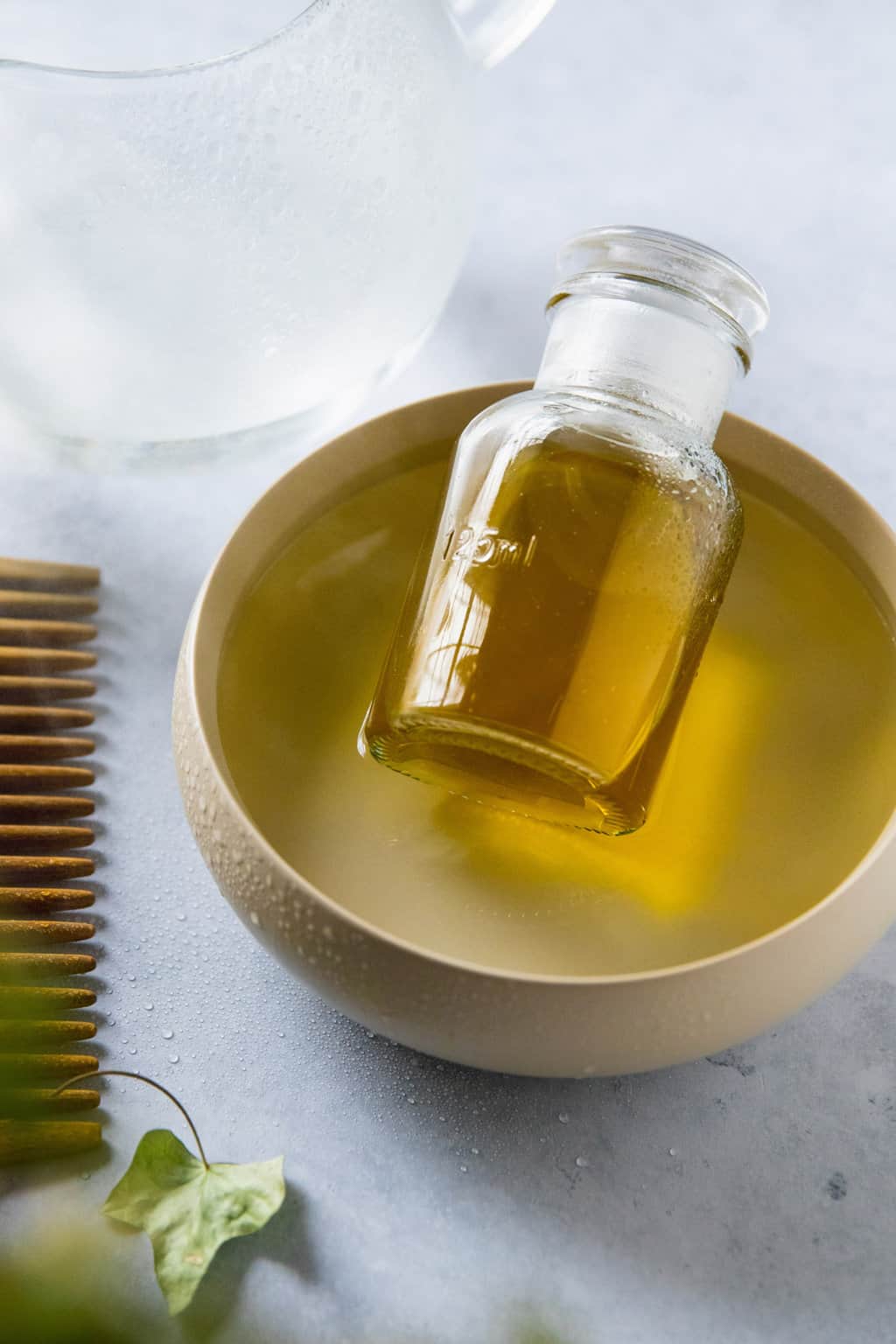
Heat makes a noticeable difference in how well olive oil works on your hair. Warm oil penetrates the hair shaft more effectively than cold oil, delivering nutrients deeper into each strand.
Heat olive oil gently before application. Place your desired amount in a heat-safe container and set it in a bowl of warm water for five to ten minutes. Never microwave the oil or heat it on the stove, as excessive heat destroys beneficial compounds and creates a burn risk.
Test the temperature before applying to your scalp. Dip a few drops on your wrist or inner forearm. The oil should feel comfortably warm, never hot. If it feels uncomfortable on your skin, let it cool slightly before spreading it through your hair.
Section Hair for Even Application

Working with sections ensures every part of your scalp gets treated and no area gets overlooked. This technique is especially important if you have thick, curly, or long hair.
Part your hair into four to six sections. Use a tail comb to create clean part lines across your scalp. Secure each section with a clip or hair tie while you work through the others. This exposes the scalp completely for direct application.
Apply oil directly to the scalp along each part line. Use a dropper bottle or squeeze applicator for precision. Dispense one to two drops at a time along the part, then use your fingertips to spread and massage the oil across that section. This controlled approach prevents over-application and keeps greasiness to a minimum.
Massage the Scalp Thoroughly
Massaging does more than spread the oil around. It stimulates blood flow to the follicles, which may support stronger, healthier hair growth over time.
Use your fingertips to massage the oil into your scalp. Apply gentle pressure in circular motions, working across the entire scalp for five to ten minutes. Focus on areas that feel dry or show signs of thinning. A silicone scalp massager can help if you want consistent pressure without tired fingers.
Feel the warmth build as you massage. This increased circulation delivers more nutrients to hair follicles, creating a better environment for growth. The mechanical stimulation also helps distribute the oil evenly across the scalp surface.
Distribute Oil Down the Hair Lengths
After treating the scalp, the oil needs to travel down the strands where it can repair damage and add moisture. The ends of your hair are the oldest and most damaged parts, so they need the most attention.
Run your fingers or a wide-tooth comb through your hair to spread the oil. Start at the roots and work your way down, ensuring every strand gets coated. Focus on the mid-lengths and ends, which receive less natural sebum and suffer the most from environmental damage.
Adjust the amount based on your hair type. Fine or oily hair needs only a few drops, while thick, dry hair can handle more. If you have fine hair, consider diluting olive oil with lighter oils like jojoba or grapeseed in a one-to-one ratio to prevent weighing hair down.
Try a Rosemary-Infused Hair Mask
Adding rosemary to your olive oil creates a powerful treatment that may support hair growth while nourishing the scalp. This herbal infusion combines the moisturizing power of olive oil with rosemary’s circulation-boosting properties.
Create the infusion by combining half a cup of extra virgin olive oil with three to four fresh rosemary sprigs. Simmer the mixture on low heat for ten to fifteen minutes, then remove from heat and let it cool completely. Strain out the herbs and transfer the oil to a dark glass bottle for storage.
Apply the infused oil using the same technique as regular olive oil. Warm it gently, section your hair, apply to scalp, massage thoroughly, and distribute down the lengths. The rosemary adds a refreshing scent while boosting the treatment’s effectiveness for scalp health and hair growth.
Leave the Oil In for Optimal Results
Timing matters when treating your hair with olive oil. Too little time won’t allow for deep penetration, but too long can attract dirt and cause buildup.
Leave the oil on for thirty to sixty minutes. This timeframe gives the oil enough time to penetrate the hair shaft and deliver nutrients without sitting so long that it attracts dust and debris. Set a timer to track your treatment accurately.
Cover your hair for deeper conditioning. Wrap a warm towel around your head or wear a shower cap while you wait. The warmth opens the hair cuticle, allowing the oil to absorb more deeply. This extra step is especially beneficial for coarse, curly, or chemically treated hair.
Wash Out All Residue Completely
Olive oil is thick and can leave a residue if not shampooed properly. Taking your time during the cleansing phase prevents greasy hair after treatment.
Shampoo twice to remove all oil. The first wash breaks down the oil and removes the bulk of it from your hair. The second wash ensures your scalp gets completely clean. For thick or long hair, you may need a third gentle shampoo pass.
Use a sulfate-free shampoo for regular treatments. These gentler formulas won’t strip your hair as harshly, helping maintain the moisture balance olive oil provides. Once a week, use a clarifying shampoo to prevent any buildup from accumulating over time.
Adjust Frequency to Your Hair Type
Not everyone needs the same treatment schedule. Your hair type determines how often olive oil treatments benefit you versus how quickly they cause problems.
Dry or curly hair benefits from weekly treatments. These textures absorb oil readily and need the extra moisture to fight frizz, prevent split ends, and maintain elasticity. Apply olive oil once or twice weekly for best results.
Fine or oily hair should limit treatments to once every one to two weeks. Start with very small amounts and watch how your scalp responds. If you notice increased greasiness between washes, reduce frequency or dilute the oil more heavily.
Target Specific Hair Concerns
Olive oil addresses multiple hair concerns, but targeting your application maximizes benefits for your specific needs.
For dry, brittle ends, apply warm olive oil only to the bottom six inches of your hair. Leave it on for thirty minutes before shampooing. Weekly applications reduce splitting and improve strand resilience significantly.
For a flaky or itchy scalp, massage extra virgin olive oil directly into dry patches. Its anti-inflammatory and antimicrobial properties soothe irritation and restore moisture balance. Regular scalp treatments can eliminate mild dandruff over time.
For weak, breaking hair, use olive oil consistently to reduce protein loss during washing. The protective coating strengthens each strand, minimizing breakage and improving overall hair health.
For hair growth support, combine olive oil with scalp massage and rosemary infusion. This trio creates optimal conditions for growth by nourishing follicles, improving circulation, and maintaining a healthy scalp environment.
Avoid These Common Mistakes
Even good practices can go wrong without proper technique. Knowing what to avoid prevents wasted product and disappointing results.
Do not overapply the oil. Start with one to two tablespoons for short hair and three to four for long hair. You can always add more during application, but removing excess is nearly impossible. err on the side of less rather than more.
Do not skip the patch test. Apply a small amount behind your ear or on your inner arm twenty-four hours before full treatment. Watch for any redness, itching, or irritation. This step is especially important with infused oils containing herbs.
Do not leave oil in overnight without protection. If you prefer overnight treatments, wear a shower cap and use an old pillowcase. Prolonged exposure to air and dust can irritate the scalp, and oil stains fabric permanently.
Maintain Your Results
The care you give your hair after the treatment matters just as much as the treatment itself. Good habits preserve the benefits longer.
Rinse with cool water after shampooing. The cold temperature seals the hair cuticle, locking in moisture and adding shine. This simple step extends the benefits of your olive oil treatment.
Limit heat styling whenever possible. Even with olive oil’s protective properties, excessive blow-drying and flat ironing counteract the conditioning benefits. Let your hair air dry when you can.
Store infused oils properly. Keep homemade rosemary oil in a cool, dark place and use it within two to three weeks. Refrigerate for up to six weeks to extend freshness.
Frequently Asked Questions About Applying Olive Oil to Hair
How long should I leave olive oil in my hair?
Leave olive oil in your hair for thirty to sixty minutes. This timeframe allows deep penetration into the hair shaft without attracting dirt or causing buildup. For intensive conditioning, cover with a warm towel or shower cap while waiting.
Can I leave olive oil in my hair overnight?
You can leave olive oil in overnight if you protect your hair properly. Wear a shower cap and use an old pillowcase to prevent staining. However, thirty to sixty minutes typically provides enough conditioning time without the overnight risks.
How often should I apply olive oil to my hair?
Apply olive oil once weekly for dry or curly hair. Fine or oily hair should limit treatments to once every one to two weeks. Adjust based on how your scalp and hair respond to the treatment.
Does olive oil help hair grow faster?
Olive oil creates a healthier scalp environment that may support hair growth. When combined with scalp massage and circulation-boosting ingredients like rosemary, it helps nourish follicles and reduce factors that inhibit growth.
Can I use regular olive oil instead of extra virgin?
Extra virgin olive oil is strongly recommended because it retains more antioxidants, vitamins, and fatty acids. Regular or refined olive oils lack these beneficial compounds due to processing and won’t provide the same results.
Key Takeaways for Applying Olive Oil to Hair

Applying olive oil to hair works beautifully when done correctly, giving you softer, stronger, shinier strands without expensive salon treatments. Choose quality extra virgin olive oil and warm it gently before application to maximize absorption into the hair shaft.
Section your hair and apply the oil directly to your scalp, massaging for five to ten minutes to stimulate circulation. Then distribute the remaining oil down the lengths, focusing on the dry, damaged ends. Leave the treatment on for thirty to sixty minutes, then shampoo thoroughly, repeating if necessary.
Customize your routine based on your hair type and goals. Dry, curly hair benefits from weekly treatments, while fine hair needs less frequent applications. Target specific concerns like split ends, scalp flakiness, or hair growth by adjusting your technique accordingly.