
If you’re struggling with thinning edges, slow growth, or a flaky scalp, clove essential oil might be the natural boost your hair routine needs. Packed with eugenol, antioxidants, and anti-inflammatory compounds, clove oil supports hair growth by improving scalp circulation, fighting microbial buildup, and protecting follicles from oxidative stress. While clinical studies on clove oil and hair growth in humans are limited, its bioactive components have strong scientific backing for enhancing scalp health and stimulating follicular activity.
Used correctly, clove essential oil can strengthen hair, reduce shedding, and encourage new growth, especially when combined with carrier oils and consistent scalp massage. This guide breaks down exactly how to use clove essential oil safely and effectively, from DIY infusions to daily scalp treatments, so you can harness its full potential without risking damage.
Prepare Clove-Infused Oil Safely

Creating your own clove-infused oil ensures freshness, control over ingredients, and maximum potency. The key is using the right carrier oil and extraction method to preserve clove’s active compounds.
Choose the Best Carrier Oil
Not all oils work the same. Pair clove with a carrier that enhances absorption and adds complementary benefits. Here are the top options:
Grapeseed oil offers lightweight texture and high vitamin E content, leaving no greasy residue. Jojoba oil mimics natural sebum, making it ideal for oily or acne-prone scalps. Coconut oil penetrates hair shafts while adding moisture and antimicrobial protection. Olive oil provides rich nourishment best suited for dry, coarse, or curly hair types.
Avoid mineral oil or low-quality vegetable oils that clog pores and hinder scalp health.
Use the Double Boiler Method
Speed up infusion while preserving heat-sensitive compounds like eugenol. Follow these steps:
Crush half a teaspoon of whole cloves into a fine powder using a mortar and pestle. Mix the powder with half a cup of carrier oil in a heat-safe glass jar. Place the jar in a pot with one to two inches of water. Heat on medium until the water simmers, then turn off the heat immediately. Let the mixture sit for thirty to sixty minutes. Strain through cheesecloth and store in a dark glass bottle.
This method yields a stronger infusion in under an hour versus seven or more days at room temperature.
Apply Clove Oil for Maximum Growth
The way you apply clove oil determines how well it stimulates follicles and improves scalp health. Focus on direct scalp contact and massage to drive results.
Scalp Massage With Diluted Oil
This is the most effective method for activating dormant follicles. Mix two to four drops of clove oil per tablespoon of carrier oil. Apply the mixture directly to your scalp using fingertips or a dropper. Massage in small circles for three to five minutes to boost blood flow. Leave the oil on for twenty minutes to overnight, then shampoo out.
Massage increases circulation by up to twenty percent, delivering oxygen and nutrients that extend the anagen growth phase. Use a scalp massager for deeper penetration and even distribution. Apply two to three times weekly, or daily if no irritation occurs.
Try a Hot Oil Treatment Weekly

Heat opens hair cuticles and enhances oil absorption, which is especially beneficial for thick, curly, or low-porosity hair.
How to Do It Right
Warm two to three tablespoons of clove-infused oil, testing the temperature on your wrist first to ensure it is not too hot. Saturate your scalp and hair from roots to ends. Cover with a plastic cap. Apply heat with a blow dryer for thirty minutes or use a warm towel. Rinse thoroughly and shampoo as normal.
Hot oil treatments prevent protein loss, reduce breakage, and add shine and softness. This method works best for dry, damaged, or chemically treated hair.
Use Clove Water as a Gentle Rinse
For those with sensitive skin or who prefer water-based options, clove water offers a mild yet effective alternative.
Make a Soothing Clove Rinse
Boil two cups of water. Add ten to fifteen whole cloves, then remove from heat immediately. Cover and steep for one hour. Strain and cool completely. Store in a spray bottle and refrigerate for up to seven days.
Use Between Washes or Post-Shampoo
Spray clove water directly onto your scalp after workouts or on non-wash days. Leave it in without rinsing. This helps remove sweat, reduce odor, and refresh your hair. Add a few drops of rosemary or peppermint oil to amplify circulation benefits.
Boost Your Shampoo and Conditioner
Integrate clove oil into your existing routine for daily support without extra steps.
Add to Shampoo for Scalp Health
Mix two to three drops of clove oil into a quarter-sized amount of sulfate-free shampoo. Massage into your scalp for one to two minutes before rinsing. This targets dandruff, bacterial buildup, and itchiness. This method is safe for every wash if no irritation develops.
Enhance Conditioner for Strength
Blend two to three drops of clove oil into your regular conditioner. Focus on mid-lengths and ends. Cover with a plastic bag and wait ten or more minutes before rinsing. Results include less breakage, smoother strands, and improved shine.
Try DIY Clove Hair Growth Masks

Combine clove with nutrient-rich ingredients for targeted treatment.
Clove Water Plus Avocado Plus Rosemary Mask
Avocado delivers fatty acids and vitamin E while rosemary oil is clinically proven to match minoxidil in some hair growth studies. To make this mask, mash one ripe avocado and mix with two to three tablespoons of clove water. Add five to six drops of rosemary essential oil. Mix into a smooth paste and apply from roots to ends. Cover with a shower cap and leave for twenty to thirty minutes. Rinse thoroughly. Use once or twice weekly for thicker, shinier hair.
Clove Water Plus Reetha Cleansing Mask
This natural alternative to chemical shampoos provides deep cleansing without stripping oils. Mix three to four tablespoons of clove water with two tablespoons of reetha powder. Apply to scalp and massage to create lather. Leave for five minutes. Rinse with lukewarm water. Benefits include antifungal and antibacterial properties, ideal for itchy or flaky scalps.
Prevent Hair Loss With Daily Scalp Application
For thinning edges or bald spots, consistency and precision matter most.
Target Weak Areas Daily
Fill an applicator bottle with clove-infused oil. Apply directly to frontal hairline, part lines, and bald patches. Follow with a three to five minute massage. Apply at night so the oil can absorb overnight. This method works even with braids, wigs, or weaves; simply part the hair and apply to exposed scalp.
Avoid Common Mistakes and Irritation
Clove oil is powerful, but misuse can backfire.
Never Use Undiluted
Undiluted clove oil can cause chemical burns, severe irritation, and scalp blistering. Always dilute to one to two percent concentration, which equals two to four drops per teaspoon of carrier oil.
Do a Patch Test First
Apply diluted oil to your inner elbow or behind your ear. Wait ten minutes, then monitor for seven to ten days. If redness, itching, or swelling occurs, discontinue use. Sensitive skin users should start with clove water instead.
Watch for Side Effects
Stop immediately if you experience burning sensation, excessive dryness, or increased shedding. Persistent symptoms are a red flag. Clove oil is not recommended for those with eczema, rosacea, or known sensitivities.
Combine With Other Growth-Boosting Oils
Synergy multiplies results. Clove works best when paired with oils that share or complement its mechanisms.
Top Combinations
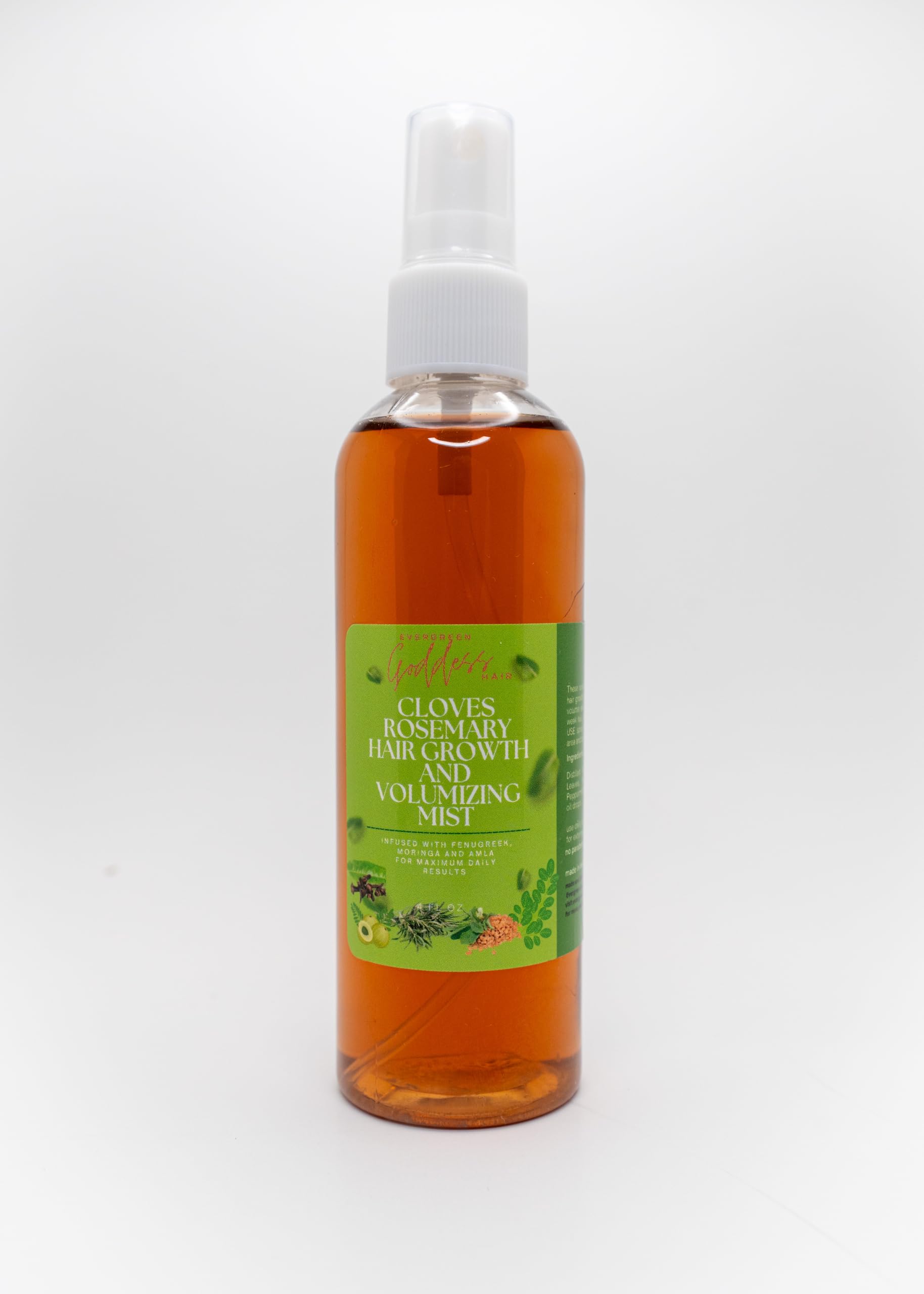
Clove plus rosemary stimulates circulation, fights DHT, and is proven for androgenetic alopecia. Clove plus peppermint provides a cooling effect and immediate tingling that increases blood flow. Clove plus coconut offers deep penetration, prevents protein loss, and moisturizes. Clove plus jojoba balances sebum, feels lightweight, and does not clog pores.
Try this spray for optimal results. Combine four ounces of clove water, five drops of clove oil, six drops of rosemary oil, and one teaspoon of vitamin E oil. Shake before use and spray on scalp two to four times per week.
Track Progress and Stay Consistent
Natural remedies take time. Most users see changes in four to eight weeks.
What to Monitor
Track shedding by noting less hair in your brush or drain. Monitor edges for a fuller appearance and returning baby hairs. Check texture for stronger, less brittle strands. Observe your scalp for reduced flaking and less itchiness.
Pro Tips for Success
Take weekly photos under the same lighting to track subtle changes. Use a scalp loupe or magnifying mirror to spot new growth. Keep a hair journal to log application frequency and reactions. Remember that consistency beats intensity; regular, gentle use outperforms aggressive, infrequent treatments.
Know the Limits and When to Seek Help
While clove oil supports scalp health and may improve growth, it is not a cure-all.
It Works Best For
Clove oil shows results for thinning due to styling damage, postpartum shedding, dandruff-related hair fall, and slow growth from poor circulation.
Not a Substitute For
Clove oil cannot replace medical treatment for conditions like alopecia areata or thyroid-related loss, hormonal imbalances, or severe nutrient deficiencies. If hair loss persists after three months, consult a dermatologist or trichologist. Natural oils should complement, not replace, professional care.
Key Takeaways for Using Clove Oil for Hair Growth
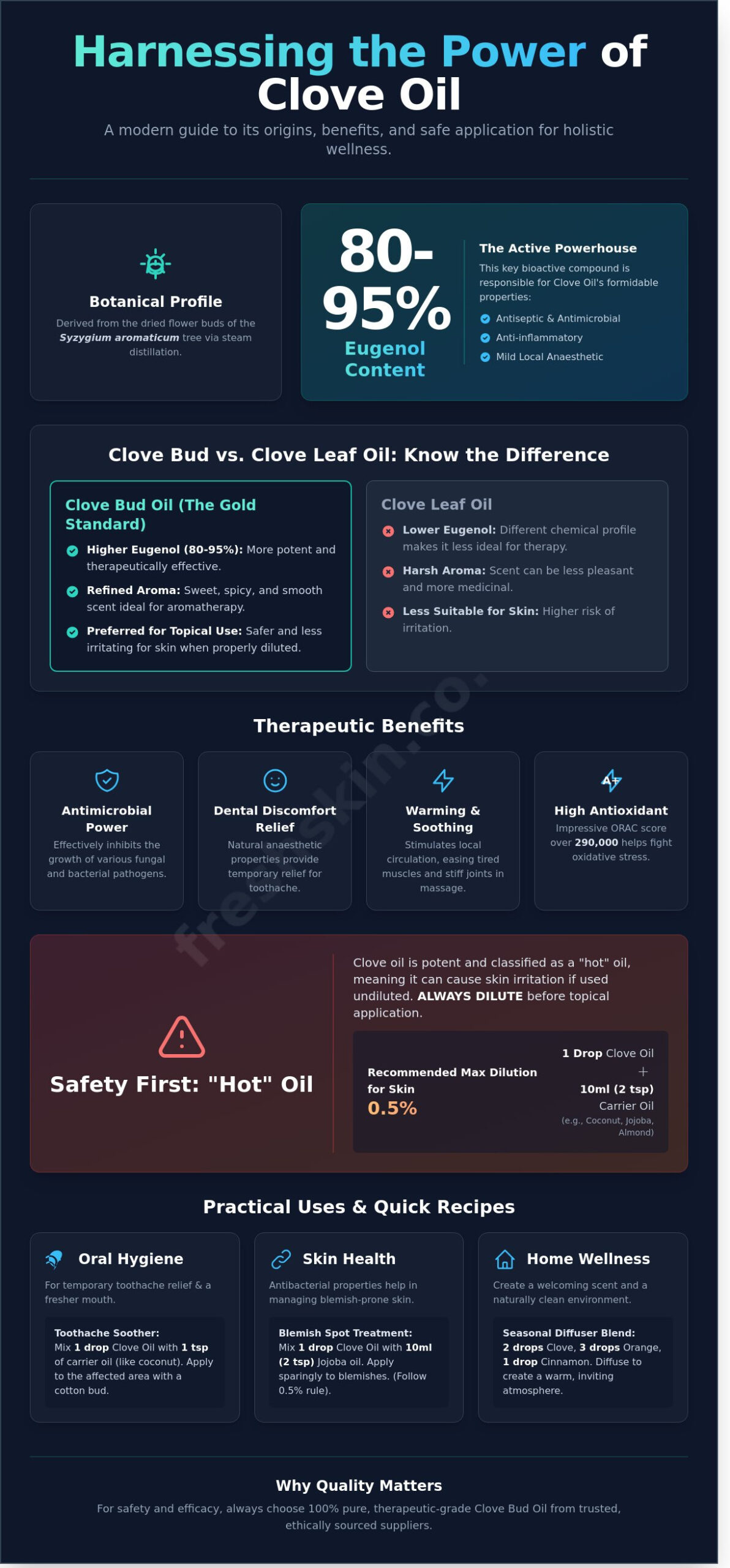
Clove essential oil is a potent, affordable, and natural tool for healthier hair, but only when used correctly. Always dilute clove oil never apply it pure to your skin. Start with clove water if you have sensitive skin. Massage daily to stimulate circulation and activate follicles. Combine with rosemary or peppermint for stronger results. Be patient visible growth takes six to eight weeks. Protect your styles to retain length while growing.
With the right approach, clove essential oil can transform your scalp from sluggish to thriving, reviving thinning edges, reducing breakage, and unlocking your hair is natural growth potential.
Frequently Asked Questions About Clove Essential Oil for Hair Growth
How often should I use clove essential oil for hair growth?
Apply clove oil treatments two to three times per week for best results. You can use clove water rinses daily since they are gentler. Consistency matters more than frequency; regular use over six to eight weeks produces visible improvements.
Can I use clove essential oil directly on my scalp?
Never apply undiluted clove oil directly to your scalp. Always mix it with a carrier oil at one to two percent concentration. Pure clove oil causes severe irritation, chemical burns, and blistering.
Which carrier oil works best with clove essential oil?
Grapeseed oil works well for lightweight, non-greasy application. Coconut oil provides deep penetration and antimicrobial benefits. Jojoba oil suits oily scalps, while olive oil nourishes dry or coarse hair. Choose based on your hair type and preferences.
How long does it take to see results from clove oil?
Most users notice changes within four to eight weeks of consistent use. Early signs include reduced shedding and less scalp itchiness. Visible growth at thinning edges typically takes two to three months.
Is clove oil safe for all hair types?
Clove oil works for most hair types when properly diluted. However, people with eczema, rosacea, or sensitive skin should exercise caution. Always perform a patch test before full application, and discontinue use if irritation occurs.