
If you’ve been searching for natural ways to boost hair growth, you’ve likely come across castor oil. Known for its thick texture and rich composition, castor oil is a popular choice in hair care routines worldwide. But how often should you really use castor oil for hair growth? Too little, and you may not see results. Too much, and you risk buildup, clogged follicles, or even increased shedding.
The truth is, there’s no one-size-fits-all answer. The ideal frequency depends on your scalp type, hair texture, and specific goals, whether it’s reducing breakage, improving shine, or supporting a healthier environment for growth. In this guide, you’ll learn the optimal frequency for using castor oil, how to apply it correctly, what results to expect, and common mistakes to avoid.
Best Frequency to Use Castor Oil for Hair Growth by Hair Type
Your hair and scalp type determine how often castor oil should be applied. Using it too frequently can lead to residue buildup and blocked follicles, while infrequent use may not deliver noticeable improvements.
Dry or Flaky Scalp
If your scalp feels tight, itchy, or sheds white flakes, castor oil can help restore moisture. Apply once or twice a week to nourish the scalp and prevent transepidermal water loss. The oil’s occlusive nature locks in hydration, reducing dryness over time.
Oily Scalp
For those with naturally oily roots or scalp acne, frequent use can worsen sebum production. Stick to once every 10 days to avoid clogging pores. Focus only on the scalp, not the lengths, and always wash thoroughly.
Curly or Coarse Hair
Thick, curly hair tends to lose moisture quickly. Castor oil helps seal the cuticle and reduce frizz. Use one to two times weekly, focusing on ends if dryness is your main concern.
Fine or Thin Hair
Fine strands are easily weighed down. To avoid flat, greedy hair, limit use to every 10 to 14 days. Apply sparingly, just a few drops, to the scalp only.
Sensitive Scalp
If your scalp reacts easily to products, start slow. Use castor oil once every 10 to 14 days to minimize irritation risk. Always patch test first behind the ear or on the inner arm.
Optimal Application Techniques for Hair Growth
Frequency matters less if your application method is off. Proper technique ensures maximum benefit without side effects.
Warm the Oil Before Use
Cold castor oil is thick and hard to spread. Warm one to two tablespoons by placing the container in warm water or rubbing between palms. This improves penetration and makes it easier to apply evenly.
Apply Directly to Scalp
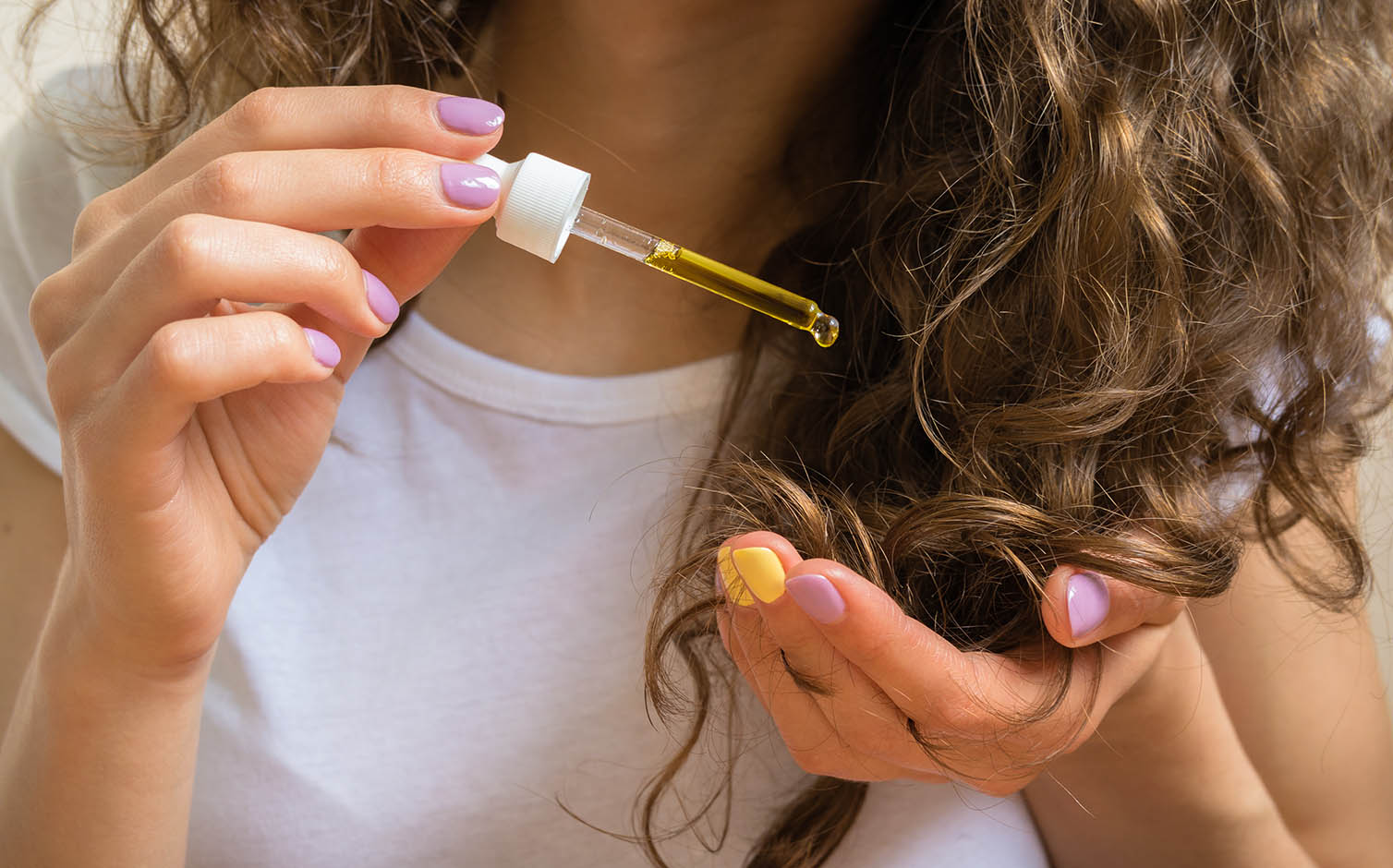
Section your hair and use fingertips or a dropper to apply oil only to the scalp, especially thinning areas. Avoid soaking the lengths unless addressing dryness or split ends.
Massage for 5 to 7 Minutes
Gentle circular motions do more than feel good. They boost blood flow to follicles, enhancing nutrient delivery. Spend at least five minutes massaging, ideally syncing with acupressure points like the temples or base of the skull.
Leave On for 1 to 3 Hours
Contrary to myths, overnight isn’t required. One to three hours is sufficient for absorption. Prolonged wear increases the risk of trapping sweat and debris, especially in acne-prone scalps.
Wash With Double Shampoo
Castor oil residue is tough to remove. Use two rounds of shampoo, first to break down oil, second to cleanse. For frequent users, add a clarifying shampoo once a week.
Realistic Results and Timelines for Hair Growth

Understanding what castor oil can and cannot do will keep expectations in check.
Shine and Softness
Most people notice improved texture and shine within two to three weeks. This is due to surface conditioning, not actual growth. The oil coats the hair shaft, smoothing the cuticle and reducing frizz.
Reduced Breakage
With consistent use, hair becomes stronger and less prone to snapping. You’ll likely see fewer split ends and less shedding during brushing within four to six weeks. This reflects improved tensile strength, not new growth.
Visible Density or Length
Hair grows about half an inch per month. Any increase in length or fullness takes time. Stick with your routine for at least three months before evaluating effectiveness.
Regrowth in Bald Patches
Castor oil cannot revive dormant follicles in conditions like androgenetic alopecia or alopecia areata. No clinical studies prove castor oil regrows lost hair. It supports existing strands but isn’t a cure.
Common Mistakes to Avoid When Using Castor Oil for Hair
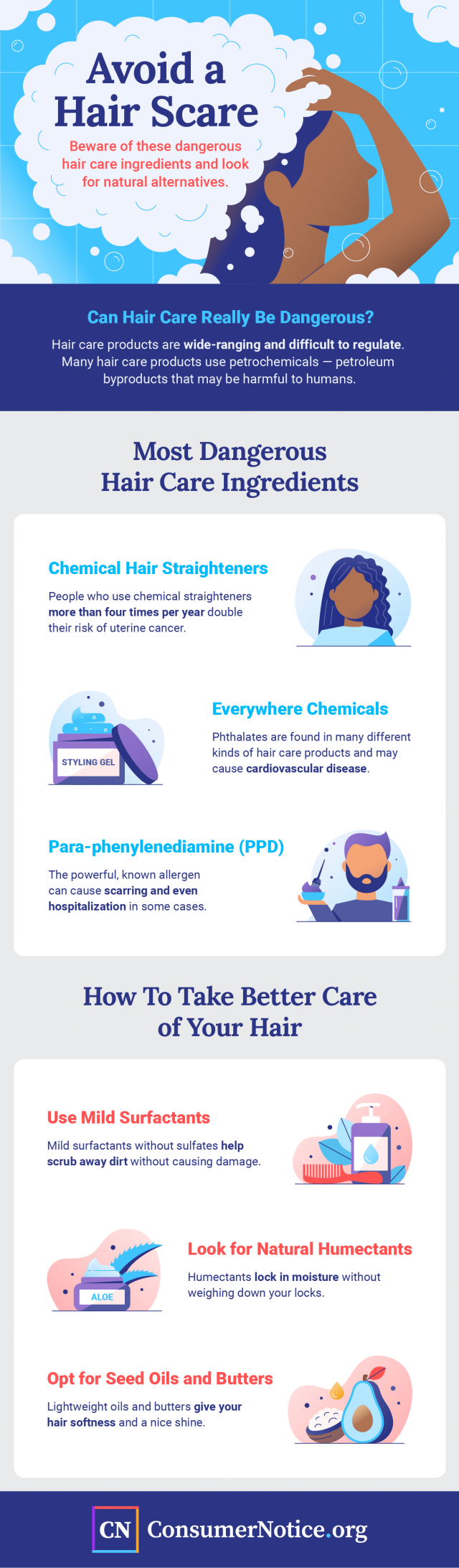
Even with the right frequency, errors in usage can backfire.
Using Too Much Oil
More oil does not equal better results. Excess creates buildup and suffocates follicles. Start with one teaspoon, then increase only if needed. Fine hair needs less, coarse hair may need more.
Skipping Double Wash
Residual oil attracts dirt and microbes, potentially leading to clogged pores or scalp infections. Always shampoo twice. Consider a sulfate-free clarifier if buildup persists.
Applying on Fungal Dandruff
Oily environments feed Malassezia, the fungus behind dandruff. Adding castor oil can make it worse. Treat dandruff first with ketoconazole shampoo before resuming oil treatments.
Expecting Miracle Regrowth
Castor oil doesn’t block DHT or reactivate miniaturized follicles. Combine with FDA-approved treatments like minoxidil for genetic hair loss, under medical guidance.
Daily Application
No hair type benefits from daily castor oil use. It impairs oxygen exchange and weakens root anchoring over time. Daily use can lead to inflammation, irritation, and increased shedding.
Best Oil Blends for Easier Use

Pure castor oil is sticky and hard to work with. Blending improves texture and boosts benefits.
Coconut Oil Blend
Mix one part castor oil with two or three parts coconut oil. This combo prevents protein loss and enhances antimicrobial action. Best for dry, damaged hair and pre-wash treatments.
Almond Oil Blend
Sweet almond oil is lightweight and rich in vitamin E. It adds shine without heaviness. Ideal for normal to dry scalps and daily touch-ups.
Argan Oil Blend
Argan adds frizz control and UV protection. Use a one-to-three ratio for a silky finish. Great for fine or color-treated hair needing softness.
Jojoba Oil Blend
Jojoba mimics natural sebum, making it perfect for balancing oily or acne-prone scalps. Use this blend if you’re prone to scalp congestion.
Olive Oil Blend
Deeply conditioning, olive oil works well for coarse, thick textures. Can be heavy for fine hair, so use sparingly.
Ayurvedic Insights on Castor Oil for Hair Growth
Ayurveda tailors hair care to your body’s energy balance, known as doshas.
Vata Imbalance
Vata types suffer from dryness and breakage. Castor oil’s warming, grounding nature makes it highly beneficial. Use one to two times weekly, possibly with ashwagandha-infused blends.
Pitta Imbalance
Pitta governs heat and metabolism. Castor oil’s warming effect may aggravate Pitta if used alone. Blend with cooling oils like aloe vera or sandalwood. Limit to once weekly.
Kapha Imbalance
Kapha types already have slow metabolism and excess oil. Castor oil can worsen congestion. Use once every 10 to 14 days, always blended with light oils like jojoba.
Who Should Avoid Castor Oil for Hair Growth
While safe for most, some should skip or limit use.
Active Scalp Infections
Avoid if you have bacterial, fungal, or viral infections like folliculitis or ringworm. Oiling can trap pathogens and delay healing.
Severe Dandruff or Seborrheic Dermatitis
These conditions require medicated treatment. Oiling may worsen flaking and inflammation.
Allergic Sensitivity
Though rare, some react to ricinoleic acid. Patch test first.
Scalp Acne or Clogged Pores
Castor oil’s thickness can block pores. If you’re prone to scalp pimples, avoid or dilute heavily.
Recent Chemical Treatments
After relaxers, keratin, or coloring, the scalp is sensitive. Wait at least one to two weeks before applying heavy oils.
When to See a Dermatologist About Hair Loss
Castor oil is a supportive tool, not a medical solution.
Signs You Need Professional Help
Seek help if you’re losing over 100 hairs daily, thinning at crown or temples, experiencing scalp pain, burning, or pus-filled bumps, or have patchy bald spots. Also consult if you have diagnosed PCOS, thyroid issues, or anemia.
Root Cause Matters
Hair loss is often multifactorial. Systems like Traya combine dermatology, nutrition, and Ayurveda to identify drivers like hormonal imbalances, iron or vitamin D deficiency, gut health and chronic inflammation, and stress and poor sleep.
Signs You’re Using Too Much Castor Oil
Your body will tell you when castor oil is overkill.
Hair Feels Greasy Within 24 Hours
This means you’re applying too much or too often. Cut frequency in half and reduce amount.
Need Multiple Shampoos to Feel Clean
If one wash doesn’t cut it, residue is building up. Switch to a clarifying shampoo weekly.
Scalp Itches or Breaks Out
Irritation or acne signals overuse or poor rinsing. Pause for a week, then restart with a diluted blend.
Increased Shedding After Washing
This may be due to trapped shed hairs released all at once, not new loss. If shedding continues beyond wash day, consult a professional.
Frequently Asked Questions About Castor Oil for Hair Growth
How often should I apply castor oil for hair growth?
One to two times per week is optimal for most people. Begin with once weekly and increase only if tolerated and needed.
Can I leave castor oil in my hair overnight?
Occasional overnight use is safe but not necessary. Frequent overnight application increases risk of buildup and follicular stress.
Does castor oil really grow new hair?
Castor oil does not directly stimulate new follicles. It supports existing hair health and may create conditions favorable for growth.
Can castor oil stop hair fall?
Castor oil reduces breakage-related shedding but does not stop hormonal, stress-induced, or medical hair loss.
Is castor oil good for thinning hair?
Castor oil can improve texture and appearance of thinning hair. However, thinning due to DHT or genetics requires medical treatment.
Can I mix castor oil with coconut oil?
Yes, this is highly recommended. It dilutes thickness, improves spreadability, and enhances conditioning.
Key Takeaways for Using Castor Oil Effectively
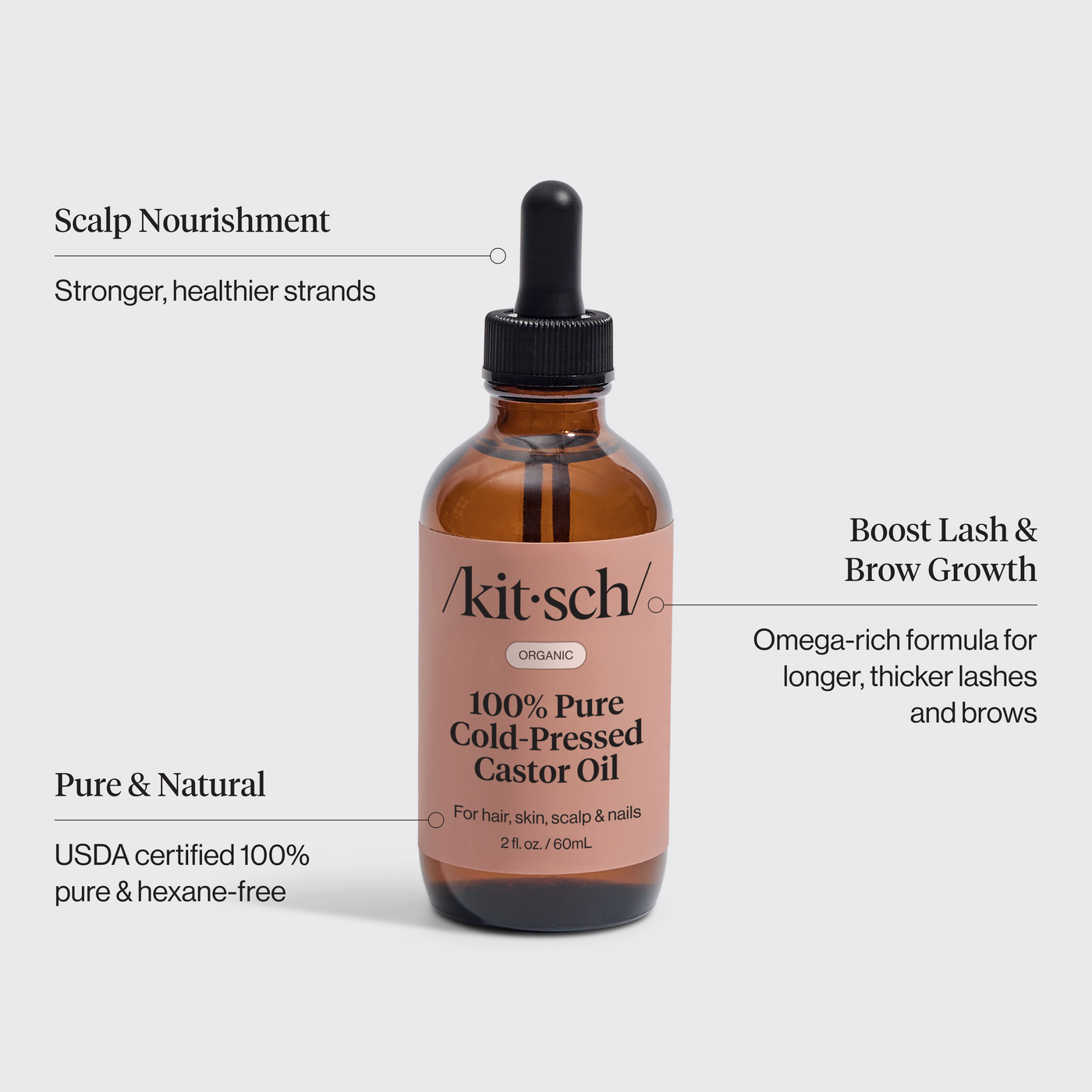
Castor oil works best as part of a balanced hair care routine. Use it one to two times a week based on your scalp and hair type, always blend for easier application, and wash thoroughly. It won’t regrow lost hair, but it can improve strength, shine, and scalp health. For real growth, pair topical care with nutritious eating, stress management, and medical support when needed. Start with once weekly, observe how your scalp responds, and adjust from there. If you experience any irritation or excessive oiliness, reduce frequency immediately and consider switching to a lighter blend.