

If you’re struggling with slow hair growth, thinning strands, or a dry, flaky scalp, carrot oil for hair growth might be the natural solution you’ve been searching for. Packed with beta-carotene, antioxidants, and essential vitamins, this vibrant orange oil nourishes hair follicles, strengthens shafts, and creates the ideal environment for faster, thicker hair. Unlike synthetic treatments, carrot oil works holistically, supporting scalp health, boosting circulation, and protecting against environmental damage through a simple DIY infusion made from carrots and coconut oil.
You don’t need expensive serums or salon treatments. With consistent use, homemade carrot oil can transform brittle, lifeless hair into stronger, shinier, and more resilient locks. In this guide, you’ll learn exactly how to prepare it, apply it effectively, and maximize results, plus avoid common mistakes that reduce effectiveness.
Prepare Fresh Carrot Oil at Home

Making carrot oil is simple, cost-effective, and ensures maximum potency. Using organic ingredients preserves nutrient density and avoids pesticide contamination. The key is proper preparation to extract fat-soluble vitamins like beta-carotene into the carrier oil.
Wash and Dry Carrots Thoroughly
Start with two medium organic carrots. Keeping the peel on boosts phenolic content, which supports scalp health. To clean properly:
Scrub carrots with baking soda to remove dirt and rinse under running water. For stubborn residue, use salt or a vinegar soak (one part vinegar to three parts water) for five to ten minutes. Inspect the skin and only peel if waxed or heavily soiled.
After cleaning, pat dry and let air-dry for twenty-four hours. Removing surface moisture prevents spoilage during infusion.
Grate and Dehydrate for Maximum Infusion
Finely grate the carrots to increase surface area. Spread the shreds on a tray and dry for one to two days at room temperature. This step is crucial because fresh carrots are eighty to ninety percent water, and excess moisture can cause mold or separation in the oil.
Look for a shriveled, leathery texture with no visible wetness. Light browning at edges is normal. Drying ensures a longer shelf life and more efficient nutrient transfer.
Infuse in Coconut Oil Properly
Use organic coconut oil as your carrier. It penetrates the scalp, has antimicrobial properties, and stabilizes the infusion.
Melt coconut oil in a pot over low heat. Add dried carrot shreds and stir to submerge. Heat on medium for fifty minutes and watch as the oil turns bright orange. The carrot shreds will curl and brown due to natural sugar reactions. Once uniformly brown, remove immediately from heat to prevent nutrient degradation.
Do not boil or overheat. High temperatures destroy vitamins and antioxidants.
Strain and Store Correctly
Let the mixture cool slightly, then strain through cheesecloth or a fine-mesh sieve into a clean glass jar. Squeeze the cloth to extract all oil. Discard the spent shreds. They are dehydrated and overcooked, not edible.
Store in a dark glass jar (amber or cobalt) away from sunlight and heat. The oil will stay liquid above twenty degrees Celsius (sixty-eight degrees Fahrenheit) and solidify into a balm below that temperature. The oil lasts six to twelve months, longer if refrigerated. A deep orange color indicates high carotenoid concentration.
Apply Carrot Oil for Best Results
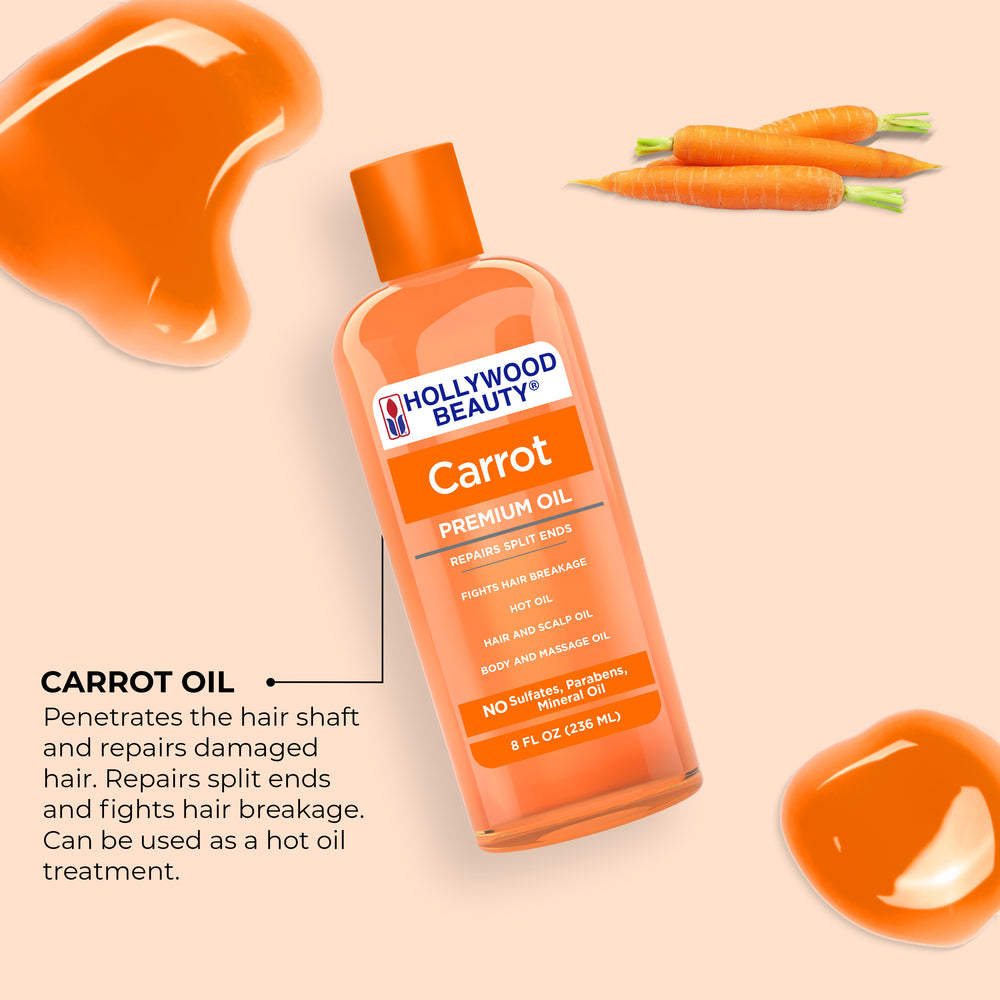
How you apply carrot oil determines how well it works. Proper technique ensures deep absorption, scalp stimulation, and visible improvements in thickness and growth rate.
Patch Test Before First Use
Even natural oils can cause reactions. Test for sensitivity by applying a few drops to the inner elbow. Wait twenty-four hours. If redness, itching, or swelling occurs, discontinue use. This step is essential if you have sensitive skin or known allergies to carrots or coconut oil.
Massage Into Scalp Weekly
For optimal hair growth, massage carrot oil into your scalp three to seven times per week.
Take one to two teaspoons (or a small scoop of balm). Warm between palms to melt if solid. Part hair into sections. Use fingertips to massage in circular motions for five to ten minutes. Focus on thinning areas, temples, and crown.
This technique boosts blood flow to follicles, extends the anagen (growth) phase, and reduces shedding. Leave on for at least thirty minutes. For deeper treatment, apply overnight as a leave-in mask.
Use as Pre-Shampoo Treatment
Carrot oil works best when followed by gentle cleansing. Apply thirty to sixty minutes before washing. Cover with a shower cap to prevent transfer. Shampoo thoroughly with a mild, sulfate-free formula. One wash usually removes residue. Repeat if needed.
This method prevents buildup while locking in moisture.
Try as Daily Leave-In Conditioner
For dry, damaged, or frizzy hair, use one to two drops on ends daily. Avoid roots if you have fine or oily hair.
This technique reduces split ends, adds shine, and protects against heat and UV damage. It is ideal for chemically treated or curly hair types.
Boost Growth with Key Nutrients
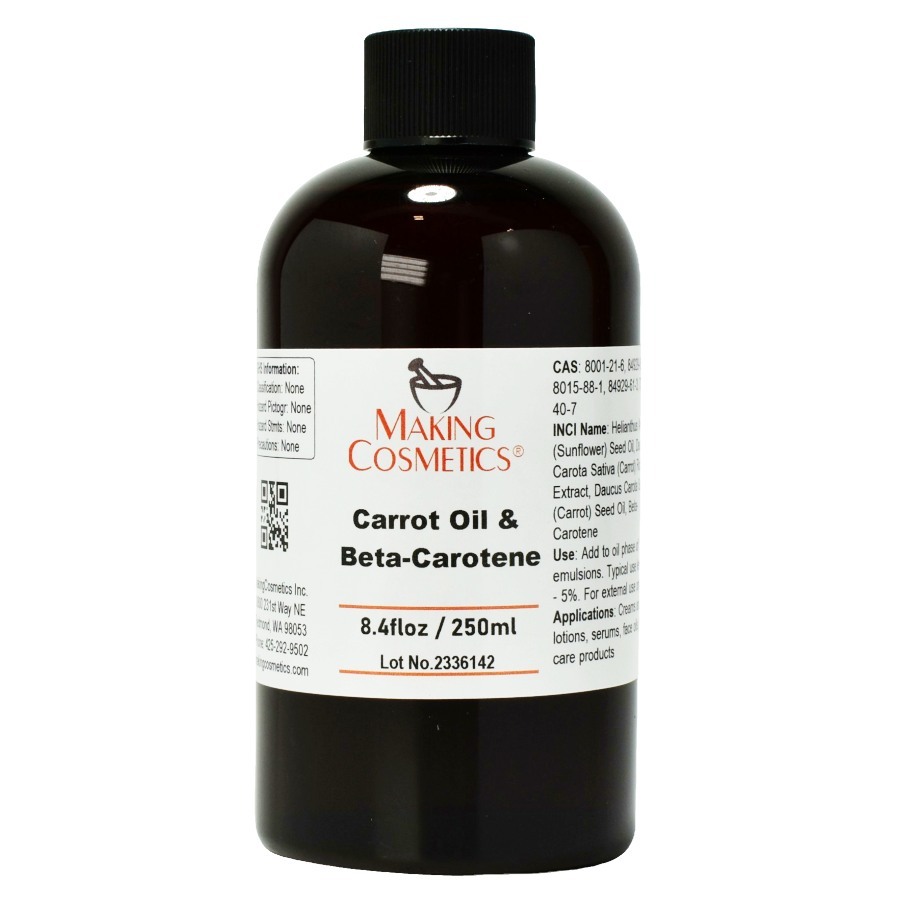
Carrot oil is not just moisturizing. It is biologically active, and its nutrients target the root causes of weak, slow-growing hair.
Beta-Carotene Fuels Follicle Health
Beta-carotene converts to vitamin A (retinol) in the body, essential for cell regeneration, sebum production, and scalp hydration. Topical application delivers it directly to follicles, stimulating growth and preventing dryness-related breakage.
Antioxidants Fight Oxidative Stress
Free radicals from UV exposure, pollution, and stress damage hair proteins and shorten the growth cycle.
Carrot oil contains alpha-carotene, lycopene, vitamin E, and phenolic compounds. These neutralize free radicals, protecting keratinocytes and preserving follicle function.
Vitamin C and E Strengthen Hair
Vitamin C boosts collagen synthesis, which is critical for strong hair structure. Vitamin E shields lipid membranes in scalp cells, reducing inflammation and supporting regeneration. Together, they improve elasticity and reduce brittleness.
Prevent Common Mistakes
Even with the right ingredients, poor habits can limit results. Avoid these pitfalls to get the most from your carrot oil.
Do Not Overapply on Fine Hair
Too much oil can weigh down fine or thin hair, making it look greasy and flat. Use half a teaspoon maximum and focus only on scalp, not lengths. Wash after thirty to sixty minutes. Adjust frequency based on hair type. Fine hair may do better with three times per week, while thick or curly hair can handle daily use.
Never Skip Drying the Carrots
Wet shreds introduce water into the oil, leading to separation, mold, and short shelf life. Always dry grated carrots one to two days before infusion. This step cannot be rushed.
Avoid Light and Heat During Storage
UV rays and high temperatures degrade carotenoids and antioxidants. Store in dark glass bottles in cool, dry cabinets (not bathrooms). Refrigeration extends shelf life. Clear plastic or jars in sunny windows reduce potency quickly.
Do Not Expect Instant Results
Hair growth is slow, typically half an inch per month. Carrot oil enhances this process, but results take time. Expect softer hair in one to two weeks, reduced shedding in three to four weeks, and visible growth and thickness in four to eight weeks. Consistency is key. Use for at least six to eight weeks before evaluating effectiveness.
Customize Your Hair Growth Routine
Enhance carrot oil’s effects by combining it with other proven natural actives.
Blend With Castor Oil for Thickness
Castor oil is rich in ricinoleic acid, known for thickening hair, reducing inflammation, and improving retention. Mix one part castor oil with two parts carrot oil. Use two to three times per week for fuller, denser hair.
Add Rosemary Oil for Circulation
Rosemary essential oil stimulates microcirculation in the scalp, similar to minoxidil in mechanism. Add three to five drops per tablespoon of carrot oil. This increases nutrient delivery, extends the hair cycle, and reduces dandruff. Always mix with carrier oil. Never apply undiluted.
Try Peppermint Oil for Stimulation
Peppermint provides a cooling tingle that awakens dormant follicles, increases blood flow, and soothes an itchy scalp. Add two to three drops per application. Avoid if you have sensitive skin or open cuts.
Monitor Benefits and Side Effects

Most users see improvements within weeks, but it is important to track progress and watch for adverse reactions.
Track Positive Changes
Within four to eight weeks, expect faster growth (new growth appears sooner), less shedding (fewer strands in brush or shower), thicker texture (hair feels fuller between fingers), improved shine (smoother cuticle from lipid coating), and healthier scalp (reduced dryness, flakiness, and irritation). Take monthly photos or keep a hair journal to document changes.
Watch for Staining or Irritation
Carrot oil’s high carotenoid content may temporarily stain very light skin (like a mild tan) or leave a golden tint on gray or blonde hair. These effects usually fade after washing. Discontinue if discoloration persists or causes concern.
Also stop use if you develop redness, itching, or scalp burning. Patch test again or try a different carrier oil like jojoba or almond.
Who Should Use Carrot Oil
Carrot oil suits a wide range of hair concerns and types, but it works best for specific needs.
Ideal for Slow or Thin Hair Growth
If your hair is not growing past a certain length or feels thinner over time, carrot oil addresses root causes like weak follicles, poor circulation, and oxidative damage. Regular use strengthens the base, encouraging longer, healthier growth.
Great for Dry, Flaky Scalps
Its moisturizing and anti-inflammatory properties relieve dandruff, itchiness, and tightness. It combines well with coconut oil’s antifungal benefits.
Perfect for Natural Hair Care Seekers
Free from sulfates, parabens, and silicones, carrot oil is ideal for those switching to clean beauty, DIY routines, and chemical-free regimens. It is safe for color-treated, permed, or relaxed hair.
Suitable for All Hair Types
Curly and coily hair types receive deeply hydrating benefits. Straight and fine hair should use sparingly to avoid heaviness. Thick and damaged hair benefits from repaired split ends and added shine. Adjust amount and frequency based on your hair’s needs.
Final Thoughts on Using Carrot Oil for Hair Growth
Carrot oil is a powerful, natural ally for hair growth when prepared and used correctly. By following these steps, you harness the full potential of beta-carotene, antioxidants, and scalp-stimulating massage to achieve stronger, thicker, and faster-growing hair. Start with a small batch, patch test, and commit to consistent use for at least six weeks.
The preparation process takes a few days but requires only twenty minutes of active work. Storage is simple, and the oil lasts six to twelve months. With patience and care, your hair will reflect the nourishment you are giving it, root to tip.
Frequently Asked Questions About Carrot Oil for Hair Growth
How long does it take to see results from using carrot oil?
Most users notice softer hair within one to two weeks, reduced shedding in three to four weeks, and visible growth and thickness improvements in four to eight weeks. Hair growth is a slow process, typically half an inch per month, so consistent use over at least six to eight weeks is necessary before evaluating effectiveness.
Can I use carrot oil every day?
Yes, carrot oil is safe for daily use. Most users apply it three to seven times per week depending on their hair type and goals. If you have fine or oily hair, start with three applications per week to avoid weighing down your hair. Thick or curly hair types can typically handle daily use without issues.
Does carrot oil stain hair or skin?
Carrot oil’s high carotenoid content may temporarily stain very light skin (like a mild tan) or leave a golden tint on gray or blonde hair. These effects usually fade after washing. If staining is undesirable, discontinue use or try a different carrier oil.
Can I use carrot oil on colored or chemically treated hair?
Yes, carrot oil is safe for color-treated, permed, or relaxed hair. It is free from sulfates, parabens, and silicones, making it ideal for those seeking natural hair care alternatives. It can actually help repair damage from chemical treatments.
What is the best way to store homemade carrot oil?
Store carrot oil in a sealed dark glass jar (amber or cobalt) away from direct sunlight and heat. Below twenty degrees Celsius (sixty-eight degrees Fahrenheit), it solidifies into a balm. In warmer climates, it remains liquid. Refrigeration extends shelf life to twelve months or longer.