
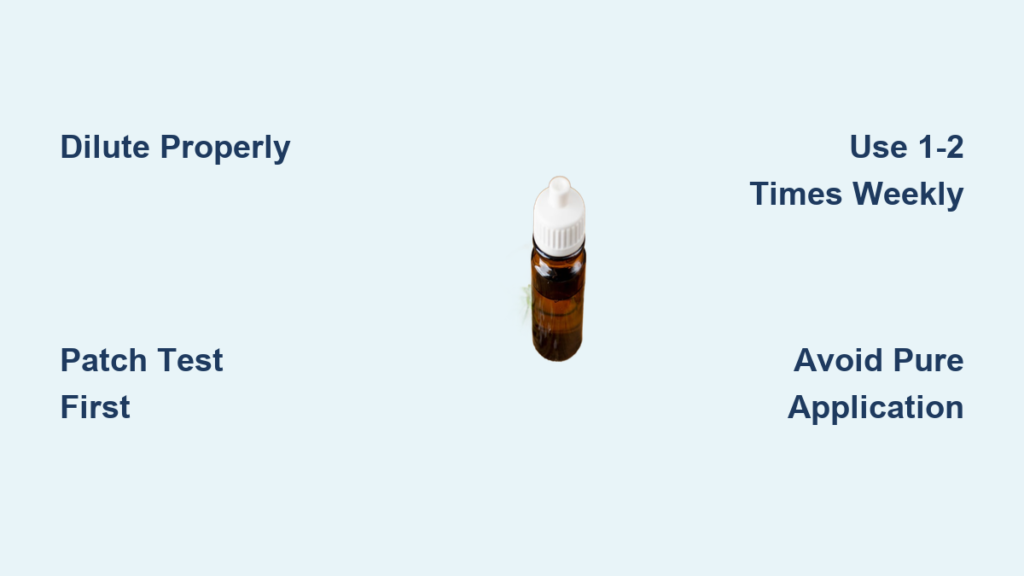
If you’re struggling with thinning hair, dandruff, or a sluggish scalp, camphor oil might be the natural boost your hair routine needs. Derived from the wood of the Cinnamomum camphora tree, camphor oil has been used for centuries in Ayurvedic and traditional medicine to stimulate hair growth, soothe irritation, and purify the scalp. Its powerful combination of anti-inflammatory, antimicrobial, and circulation-boosting properties makes it a standout ingredient for improving scalp health and encouraging new hair development.
But here’s the catch: camphor oil is too strong to use alone. Applied directly, it can cause irritation, dryness, or even chemical burns. The key lies in proper dilution and smart blending with nourishing carrier oils and natural ingredients like aloe vera and coconut oil. In this guide, you’ll learn exactly how to use camphor oil for hair growth, including safe formulations, step-by-step application methods, and expert-backed precautions.
Stimulates Scalp Blood Flow
Improved circulation is one of the most critical factors in healthy hair growth, and camphor oil excels at boosting blood flow to the scalp.
Enhances Nutrient Delivery to Follicles
Camphor acts as a natural vasodilator, meaning it widens blood vessels beneath the skin. When applied topically in diluted form, it creates a mild tingling or cooling sensation. This is not just a feeling; it is a sign that blood is rushing to the area. Increased circulation brings more oxygen and essential nutrients like iron, amino acids, and vitamins directly to hair follicles, fueling their growth cycle.
Stronger nutrient supply helps activate dormant follicles, extend the anagen growth phase of hair, and reduce premature shedding.
Massage Technique for Maximum Effect
To maximize blood flow, always massage camphor-infused oil into your scalp using firm, circular motions. Focus on areas with thinning hair or low density.
How to do it:
• Apply 3 to 5 drops of diluted camphor oil per section
• Use fingertips not nails to massage in small circles
• Cover the entire scalp including temples and back of the head
• Continue for 5 to 10 minutes before leaving it on
Tip: Apply in the evening to allow time for absorption before shampooing.
Activates Dormant Hair Follicles
One of camphor oil’s lesser-known but powerful benefits is its ability to awaken inactive hair follicles.
Triggers Follicular Regeneration
The cooling and tingling sensation from camphor stimulates nerve endings in the scalp. This sensory input may signal hair follicles to shift from the telogen resting phase into the anagen growth phase. While not a cure for genetic baldness, this can help regrow hair in areas affected by temporary shedding or mild thinning.
Users often report new baby hairs appearing along the hairline or part after 4 to 6 weeks of consistent use.
Best Oil Blend for Follicle Activation
Use this simple, effective formula to target dormant follicles.
Ingredients:
• 2 tablespoons coconut oil
• ¼ teaspoon camphor powder or 1 crushed tablet
Steps:
- Warm coconut oil slightly
- Add camphor and stir until fully dissolved
- Cool slightly, then apply directly to the scalp
- Massage for 5 to 10 minutes
- Leave on for 30 minutes to 1 hour
- Wash off with mild shampoo
Frequency: 1 to 2 times per week
Never leave undiluted camphor on the scalp. Always mix with a carrier oil.
Deep Cleanses the Scalp
A clean scalp is the foundation of healthy hair growth, and camphor oil is a potent natural detoxifier.
Removes Buildup and Unclogs Follicles
Over time, sebum, dead skin cells, sweat, and styling products accumulate on the scalp, clogging hair follicles and suffocating them. Camphor’s purifying action helps dissolve this buildup, clearing the way for new hair to emerge. It penetrates deep into pores, breaking down excess oil and removing environmental pollutants that contribute to dullness and hair fall.
Prevents Scalp Infections
Camphor has strong antibacterial, antifungal, and antimicrobial properties, making it effective against common scalp issues like dandruff caused by Malassezia overgrowth, scalp ringworm, and folliculitis. By keeping harmful microbes in check, camphor creates a healthier environment for hair to grow strong and resilient.
Soothes Inflammation and Itchiness
Chronic scalp inflammation is a hidden driver of hair loss, and camphor oil helps calm it naturally.
Reduces Redness and Irritation
Camphor contains natural analgesic and anti-inflammatory compounds that soothe irritated skin. If your scalp feels itchy, flaky, or tender, camphor can provide quick relief through its cooling effect. This is especially helpful for people with psoriasis, eczema, or seborrheic dermatitis. Reducing inflammation protects hair follicles from damage and prevents premature shedding.
Ideal for Oily and Sensitive Scalps
While camphor is strong, when properly diluted, it balances oil production without over-drying. Unlike harsh chemical treatments, it cleanses gently while maintaining the scalp’s natural pH. For sensitive scalps, start with once-weekly use and monitor for any stinging or redness.
Proven Camphor Oil Hair Treatments

Now that you understand how camphor works, here are the most effective expert-approved ways to use it for hair growth.
Camphor and Coconut Oil Treatment

This basic blend is perfect for beginners and delivers multiple benefits in one step. Coconut oil is rich in lauric acid, which deeply conditions hair and prevents protein loss. When combined with camphor, it becomes a powerful treatment for both hair growth and lice prevention.
Recipe:
• 2 tablespoons coconut oil
• 1 teaspoon camphor powder
Instructions:
- Warm oil slightly
- Dissolve camphor completely
- Apply to scalp and roots
- Cover with a shower cap
- Leave for 2 hours or overnight
- Comb with a fine-toothed lice comb
- Shampoo thoroughly
Use once weekly during infestations and monthly for prevention.
Aloe Vera and Camphor Hair Mask
For deep nourishment and accelerated growth, combine camphor with aloe vera. Aloe vera is packed with enzymes, vitamins A, C, and E, and amino acids that repair dead skin cells and strengthen hair from the root.
Recipe:
• 2 tablespoons fresh aloe vera gel
• 1 teaspoon camphor powder
• 1 tablespoon coconut oil optional
Steps:
- Mix into a smooth paste
- Apply to scalp and roots
- Leave for 30 to 40 minutes
- Rinse with mild shampoo
Frequency: Twice a week
Benefits include soothing dry flaky scalp, reducing breakage, and enhancing nutrient absorption. Use fresh aloe gel from the plant for maximum potency.
Overnight Aloe and Camphor Scalp Oil

For intensive treatment, an overnight oil blend can deliver deeper results. Extended contact time allows active ingredients to penetrate deeply into hair follicles.
Recipe:
• 2 tablespoons coconut or olive oil
• 1 tablespoon aloe vera gel
• 1 teaspoon camphor powder
Instructions:
- Warm oil slightly
- Mix in aloe and camphor until smooth
- Massage into scalp
- Cover with a shower cap
- Leave for 1 hour or overnight
- Wash with shampoo
Frequency: Twice a week
This is not recommended for sensitive scalps. Always do a patch test first.
Post-Wash Camphor Hair Rinse

Turn your final rinse into a scalp tonic with this refreshing formula. This water-based rinse helps maintain a clean balanced scalp between washes.
Recipe:
• 1 cup water
• 2 tablespoons aloe vera juice
• ½ teaspoon camphor powder
Steps:
- Mix and store in a spray bottle
- After shampooing, spray onto scalp
- Massage for 2 to 3 minutes
- Leave for 10 to 15 minutes
- Rinse with lukewarm water
Use 2 to 3 times per week. Results include softer shinier hair, reduced dandruff recurrence, and fresher scalp feel.
Camphor and Lemon for Dandruff Control

Fight fungal dandruff with this clarifying antiseptic treatment. Lemon juice has citric acid which helps exfoliate dead skin and lower scalp pH, making it harder for fungus to thrive.
Recipe:
• 2 tablespoons aloe vera gel
• 1 teaspoon camphor powder
• 1 tablespoon lemon juice
Instructions:
- Blend into a paste
- Apply to dandruff-prone areas
- Leave for 20 to 30 minutes
- Rinse well
Frequency: Once per week
Lemon increases sun sensitivity. Avoid direct sunlight after use.
Safe Usage Guidelines
Camphor is powerful. Respect its strength to avoid side effects.
Dilution and Patch Testing
Always dilute camphor before use. A safe ratio is ¼ teaspoon camphor per 2 tablespoons carrier oil.
Patch test procedure:
• Mix a small amount of the blend
• Apply behind ear or on inner forearm
• Wait 24 hours
• If no redness, itching, or swelling occurs, it is safe to use
Recommended Frequency and Duration
How often: 1 to 2 times per week maximum
How long to leave on: 30 minutes to 1 hour, up to overnight if tolerated
Best time to apply: Evening, before bedtime
Must you shampoo after: Yes, never leave residue on scalp
Critical Safety Precautions
Camphor is not for everyone. Follow these rules to stay safe.
Never Use Pure or Ingested
Never apply undiluted camphor. It can cause burns or irritation. Never swallow camphor. It is toxic and can cause seizures, liver damage, or death. Keep out of reach of children and pets.
Avoid If You Have
Open wounds, cuts, or sores on the scalp, eczema flare-ups or broken skin, epilepsy or seizure disorders because camphor may lower seizure threshold, pregnancy or breastfeeding when safety is not established, or children under 2 years old due to high neurotoxicity risk.
Watch for Allergic Reactions
Stop immediately if you experience burning or stinging, redness or swelling, or increased hair fall beyond initial shedding.
When to see a doctor: If hair loss persists after 8 to 12 weeks, consult a dermatologist. Underlying issues like thyroid imbalance, PCOS, or genetic alopecia may need medical treatment.
Who Should Use Camphor Oil
Not all hair types benefit equally. Here is who gains the most.
Ideal for Oily, Flaky Scalps
Oily scalp with dandruff benefits from camphor plus aloe plus lemon rinse weekly. Itchy inflamed scalp responds well to camphor-coconut oil mask bi-weekly. Hair thinning improves with diluted camphor oil applied 2 times per week with scalp massage.
Use With Caution If
You have dry or sensitive skin. Start with low frequency. Hair is chemically treated or damaged. Use mild concentrations. Experiencing postpartum hair fall. Limit to once weekly and focus on nutrition.
Real User Results and Expectations
What to Expect Over Time
Week 1 to 2 brings cleaner cooler scalp feeling and reduced itching. Week 3 to 4 shows less dandruff and decreased shedding. Week 5 to 8 reveals noticeable regrowth especially near hairline. Beyond 8 weeks yields thicker shinier hair with improved texture.
Some users report initial shedding. This is normal as weak hairs are pushed out for new growth.
Expert Insight
Dr. Narendrakumar V Mishra BAMS explains that camphor enhances circulation and cleanses the scalp, supporting healthier hair growth. But it must be used cautiously, especially in sensitive individuals. Always dilute, patch test, and do not exceed two uses per week. Combine with a protein-rich diet, hydration, and stress management for best results.
If hair loss continues, seek medical advice. Topical treatments alone cannot fix hormonal imbalances or deficiencies.
Frequently Asked Questions About Camphor Oil for Hair Growth
How often should I use camphor oil for hair growth?
Use camphor oil no more than 1 to 2 times per week. Overuse can cause scalp irritation, dryness, or increased shedding. Start with once weekly and observe how your scalp responds before increasing frequency.
Can I apply camphor oil directly to my scalp?
Never apply pure undiluted camphor oil directly to your scalp. It is too strong and can cause chemical burns, severe irritation, or allergic reactions. Always dilute camphor in a carrier oil like coconut or olive oil at a ratio of approximately ¼ teaspoon per 2 tablespoons of carrier oil.
How long does it take to see results from using camphor oil?
Most users notice initial improvements like reduced itching and cleaner scalp within 2 weeks. Visible hair growth and decreased shedding typically appear between 4 to 8 weeks of consistent use. Full results with thicker, healthier hair usually manifest after 2 to 3 months.
Is camphor oil safe for colored or chemically treated hair?
Camphor oil can be used on colored or chemically treated hair, but proceed with caution. Use lower concentrations and ensure thorough rinsing. The strong properties may strip color or cause dryness in already compromised hair. Perform a patch test and consider limiting use to once weekly.
Can pregnant or breastfeeding women use camphor oil for hair growth?
Safety has not been established for pregnant or breastfeeding women using camphor oil. It is recommended to avoid camphor oil treatments during pregnancy and breastfeeding to prevent any potential risks to mother or baby.
Does camphor oil help with lice infestation?
Yes, camphor oil is effective against lice. When combined with coconut oil, it suffocates lice and disrupts egg adhesion to hair shafts. Apply the mixture, leave for 2 hours or overnight, then comb through with a fine-toothed lice comb and shampoo thoroughly.
Key Takeaways for Using Camphor Oil Safely
Camphor oil is a potent multi-functional tool for natural hair growth when used correctly. It stimulates blood flow, cleanses follicles, and fights infections, creating the ideal environment for stronger thicker hair. However, success depends on safe dilution, consistent use, and holistic care.
Always dilute camphor in carrier oil before application. Never use pure camphor directly on your scalp. Perform a patch test 24 hours before full application. Limit use to 1 to 2 times per week maximum. Pair your topical treatments with good nutrition, adequate hydration, and stress management for best results. If hair loss persists beyond 8 to 12 weeks, consult a dermatologist to rule out underlying medical conditions.