
Head lice infestations affect millions of families each year, especially among school-aged children. While chemical treatments dominate the market, many parents seek non-toxic alternatives for how to use a hair dryer to kill lice using heat. Scientific research confirms that temperatures exceeding 130°F (54°C) can dehydrate and kill lice and their eggs when applied correctly for sustained periods. However, not all hair drying methods are equally effective, and improper technique can waste time or even cause scalp damage.
This guide covers the science behind heat treatment, step-by-step instructions for safe application, common mistakes to avoid, and why daily repetition combined with manual combing is essential for success. You’ll learn when heat treatment works, when to avoid it, and how to integrate it into a complete lice eradication plan.
The Science Behind Heat and Lice Survival
Why Heat Kills Lice and Nits
Head lice and their eggs cannot survive temperatures above 130°F (54°C) when exposure lasts at least 5 consecutive minutes. Clinical studies show that this heat level causes rapid dehydration and protein denaturation, leading to death within minutes. Nits (lice eggs) are actually more vulnerable than adult lice because they are immobile and attached to the hair shaft, making them easier targets for sustained heat exposure.
A landmark 2006 study published in Pediatrics tested 169 children and confirmed that hot air effectively kills both lice and nits when delivered with proper airflow volume, heat consistency, and scalp proximity. The research established that high-speed airflow is more critical than extreme temperatures, which is why professional devices outperform standard household dryers.
Why Airflow Matters More Than Extreme Heat
Medical-grade devices like the LouseBuster operate at slightly lower temperatures than consumer dryers but use focused, high-volume air to strip moisture from lice and nits efficiently. This design allows near 100% nit mortality in a single 30-minute session. Standard hair dryers dissipate heat quickly beyond 6 inches from the scalp, and uneven sectioning leads to missed spots where lice can survive.
Comparing Heat Devices for Lice Treatment
Medical-Grade Devices Outperform Household Dryers
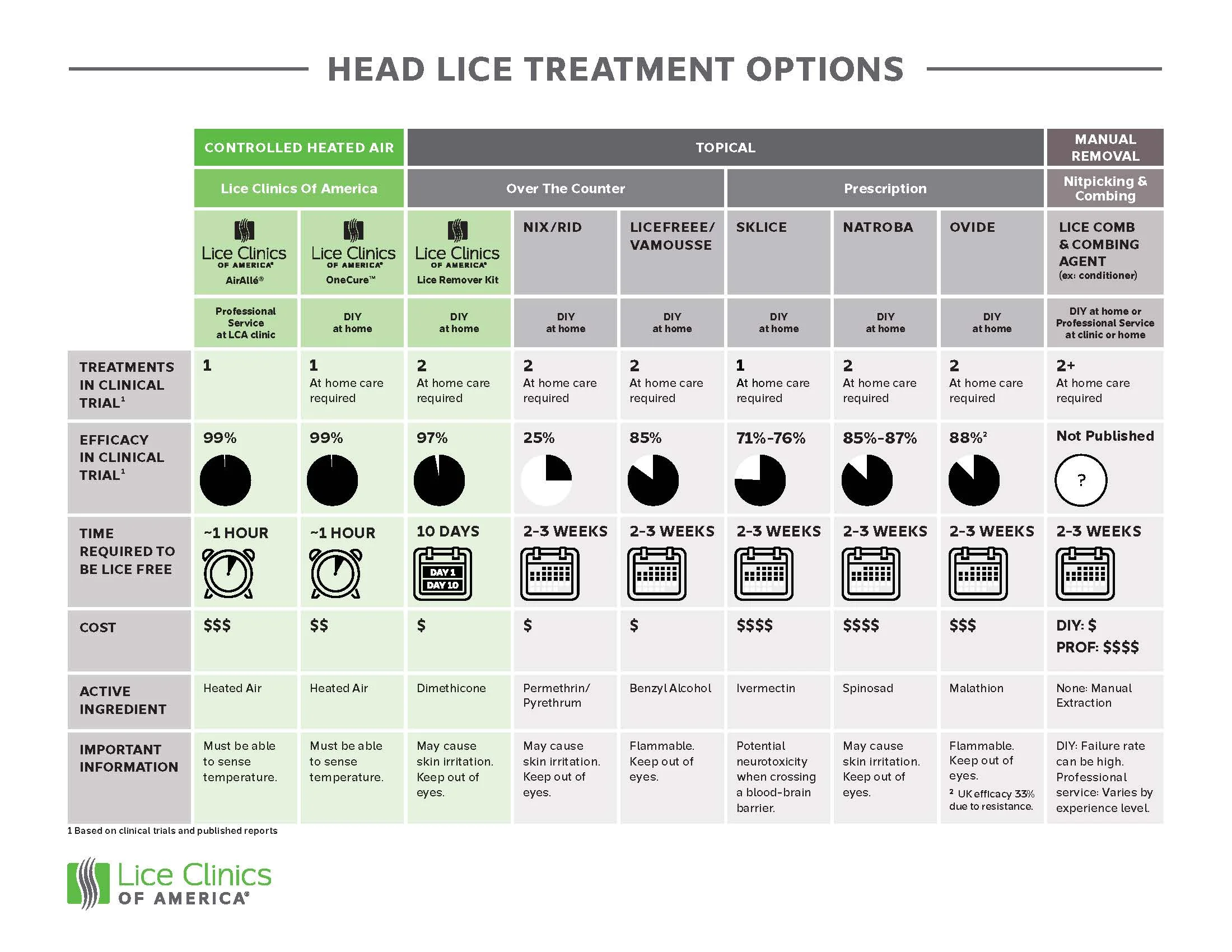
Professional tools like the AirAllé and LouseBuster are FDA-cleared and clinically proven to eliminate lice with near-total efficacy. These devices deliver controlled, high-volume hot air directly to the scalp through specialized attachments that part the hair and target roots.
The AirAllé achieves up to 99% nit mortality in one 30-minute treatment and kills approximately 89% of adult lice. The LouseBuster kills nearly 100% of nits and about 80% of adult lice, with most users lice-free within a week. Both are used in professional lice treatment centers and offer a safe, chemical-free solution with minimal discomfort.
Standard Blow Dryers: Limited but Supportive
Household hair dryers can support lice treatment but should not be relied on as a standalone solution. In clinical tests under ideal conditions, they achieved over 88% nit mortality. Real-world effectiveness drops to 50–70% due to inconsistent heat delivery and poor technique. Killing adult lice is particularly unreliable since they can move away from direct airflow and cling tightly to hair shafts.
When used daily alongside combing and other treatments, a blow dryer can still contribute to lice control by dehydrating residual nits and newly hatched nymphs before they mature.
Step-by-Step: Using a Blow Dryer Safely
Preparing Hair for Effective Treatment
To maximize your chances of success, follow these preparation steps before each session:
Wash and towel-dry hair until damp, as moist hair conducts heat better than dry hair. Use a fine-toothed comb to detangle hair first. Divide hair into 4–6 large sections using clips. Attach a concentrator nozzle to focus airflow on specific areas. Test heat with a thermometer or your hand to ensure it exceeds 130°F without burning.
Never use heat immediately after applying flammable treatments like malathion (Ovide). Wait at least 24 hours after such products before blow drying.
Applying Heat to Each Section
Work systematically to cover the entire scalp methodically:
Start with high-risk zones including the nape of the neck, behind ears, and crown. Isolate 1-inch subsections within each larger section. Hold the dryer 6–8 inches from the scalp to prevent burns. Use high speed with medium heat settings to prevent overheating. Move slowly in circular motions over each subsection. Spend at least 5 minutes per 1-inch section to ensure lethal exposure. Keep the dryer in constant motion and never hold it in one spot.
Use a timer to track total treatment time and aim for 30 minutes of focused drying per session.
Cooling Down and Combing Afterward
After treatment, let the scalp cool naturally. Immediately comb hair with a metal lice comb to remove dead lice and nits. Wipe the comb on a tissue after each pass. Rinse or wash hair if needed, but avoid chemical treatments unless approved by a healthcare provider.
Establishing a Daily Treatment Routine
Repeating for 7–10 Days Straight
Lice eggs hatch in 6–9 days, so a single heat session cannot stop reinfestation. To break the lice life cycle, use the hair dryer daily for 7–10 consecutive days. Focus on roots and high-infestation areas each time. Always follow with wet combing using conditioner.
This routine kills newly hatched nymphs and dehydrates any surviving nits before they mature into egg-laying adults.
Combining Heat With Manual Nit Removal
Heat weakens nits but does not always loosen their glue-like attachment to hair. Even dead eggs must be physically removed to prevent confusion or potential reinfestation. Use a metal lice comb, not plastic, for best results.
Soak the comb in hot water above 130°F for 5–10 minutes after each use to kill any remaining lice or nits.
Risks and Critical Safety Warnings
Scalp Burns Are a Real Danger
Children have thinner skin and are more sensitive to heat. Holding a dryer too close (less than 6 inches) or using high heat for extended periods can cause first- or second-degree burns.
Use medium heat settings for children. Keep the dryer moving at all times. Stop immediately if the scalp turns red, feels painful, or blisters. Supervise children closely throughout treatment. A diffuser attachment is safer than a concentrator for young children, though less effective at targeting nits.
Never Use Heat After Flammable Treatments
Malathion (Ovide) is highly flammable. Using a hair dryer, flat iron, or curling tool during or within 24 hours of application poses serious fire and burn hazards. Wait until hair is completely clean and dry before applying heat. Avoid smoking or open flames during lice treatment periods.
Why Standard Blow Dryers Have Limitations

Adult Lice Can Evade Direct Heat
Unlike nits, live lice can move and often cling tightly to hair shafts, avoiding sustained heat exposure. A passing blast of hot air may stun them but won’t guarantee death. Improper drying can dislodge live lice, spreading them to clothing, furniture, or other people.
This is why manual removal remains essential even after heat treatment. Comb through thoroughly after every session.
Thick or Curly Hair Reduces Heat Penetration
Dense, curly, or coarse hair blocks airflow and reduces heat delivery to the scalp. Without meticulous sectioning, large areas may receive insufficient exposure, allowing lice and nits to survive.
People with thick hair should work in smaller sections (half-inch wide), use more time per section (6–7 minutes), and consider professional treatment for faster, more reliable results.
Tips to Boost Effectiveness
Use a Thermometer for Accuracy
Consumer dryers vary widely in output. A laser thermometer or infrared heat gun can verify that air reaching the scalp exceeds 130°F. Without this verification, you may be applying ineffective heat that accomplishes nothing.
Test different distances and settings to find the optimal combination before beginning treatment.
Pair Heat With Vinegar Pre-Treatment
Spray white vinegar on damp hair before drying. It helps break down the nit glue, making it easier to remove dead eggs after heat exposure.
Let vinegar sit for 5–10 minutes, then proceed with blow drying and combing.
Protect Hair From Damage
Repeated heat exposure can cause dryness, brittleness, and breakage. Limit sessions to 10–15 minutes per day. Use a heat protectant spray, especially on chemically treated hair. Avoid daily high-heat styling for other purposes during the treatment period.
Professional vs. DIY Heat Treatment
When to Choose a Lice Clinic
Consider professional treatment if the infestation is severe or persistent, if you’ve tried OTC products without success, if you have young children or sensitive skin, or if you lack time for daily meticulous home care.
Clinics use FDA-cleared devices like AirAllé, which eliminate lice in one 30-minute session with minimal effort.
Cost vs. Convenience Trade-Offs
DIY drying costs little but requires daily commitment and yields inconsistent results. Professional treatment costs $150–$250 but offers fast, reliable, and safe elimination. For busy families or recurrent cases, the investment often pays off in time saved and peace of mind.
Integrating Heat Into a Complete Eradication Plan
Combine Multiple Proven Methods
To fully eliminate lice, integrate heat with other proven approaches:
Day 1 involves using a blow dryer or professional device, then combing out lice and nits. Days 2–10 require repeating daily blow-drying and combing every 2–3 days. Use FDA-approved treatment (like permethrin or ivermectin) if needed, following label instructions exactly. Wash bedding, clothing, and hats in hot water above 130°F and dry on high heat. Vacuum furniture, car seats, and rugs thoroughly. Seal non-washable items like stuffed animals in plastic bags for 2 weeks.
Check Household Members Regularly
Lice spread through head-to-head contact. Check everyone in the home every 2–3 days for at least two weeks. Use a bright light and magnifying glass to inspect behind ears and at the nape of the neck.
Frequently Asked Questions About Using Hair Dryers to Kill Lice
Does a hair dryer actually kill lice?
Yes, lice die at temperatures above 130°F, but complete kill is unlikely with consumer dryers due to inconsistent heat exposure. Professional medical-grade devices achieve much higher success rates.
Can a blow dryer destroy lice eggs?
Partially. Heat can dehydrate and kill nits, but effectiveness is limited by nit glue and airflow inconsistency. You must combine heat treatment with manual combing for complete removal.
Is it safe to use a hair dryer on a child’s scalp?
Yes, with caution. Use medium heat, keep the dryer moving constantly, and consider a diffuser attachment. Supervise children closely throughout treatment.
How long should I blow-dry to kill lice?
Aim for 10–15 minutes daily for 7–10 days, focusing on the roots. You must repeat treatment to catch newly hatched nits before they mature.
Should I use a dryer after lice shampoo?
Only if the product label permits. Many treatments like malathion are flammable. Wait 24 hours or until hair is completely clean and dry before using heat.
Are professional heated devices better than home dryers?
Yes. Devices like AirAllé achieve 99% nit kill in one session due to superior airflow and precise temperature control that consumer dryers cannot match.
Key Takeaways for Killing Lice With Heat
Heat can kill lice and nits, but a standard hair dryer is not a standalone cure for infestations. Nits are more vulnerable to heat than adult lice, which are mobile and difficult to target effectively. Medical-grade devices like LouseBuster and AirAllé are far more effective than consumer dryers and worth considering for severe cases.
Daily blow-drying for 7–10 days can help dehydrate residual nits when used as part of a comprehensive plan that includes manual combing. Always follow heat treatment with a fine-toothed metal comb to remove dead eggs. Never use heat within 24 hours of flammable lice treatments like malathion. Complete nit removal is the key to preventing recurrence, and professional lice treatment services are recommended for persistent or severe infestations.


