
You’re blow-drying your hair when a sudden jolt of heat hits your scalp. Or maybe your hand brushes the nozzle, hot enough to sting. Hair dryer burns are more common than you think, especially with frequent styling. The good news: most are mild and heal quickly with proper care. This guide covers exactly what to do after a burn, how to speed up healing, and when to see a doctor.
Whether it’s a red patch on your hand or a tingling scalp, you’ll learn how to treat hair dryer burns safely and prevent them in the future.
Immediate First Aid Steps
Act fast when you get burned. Quick response reduces pain, prevents deeper damage, and supports faster recovery.
Cool the Burn Right Away
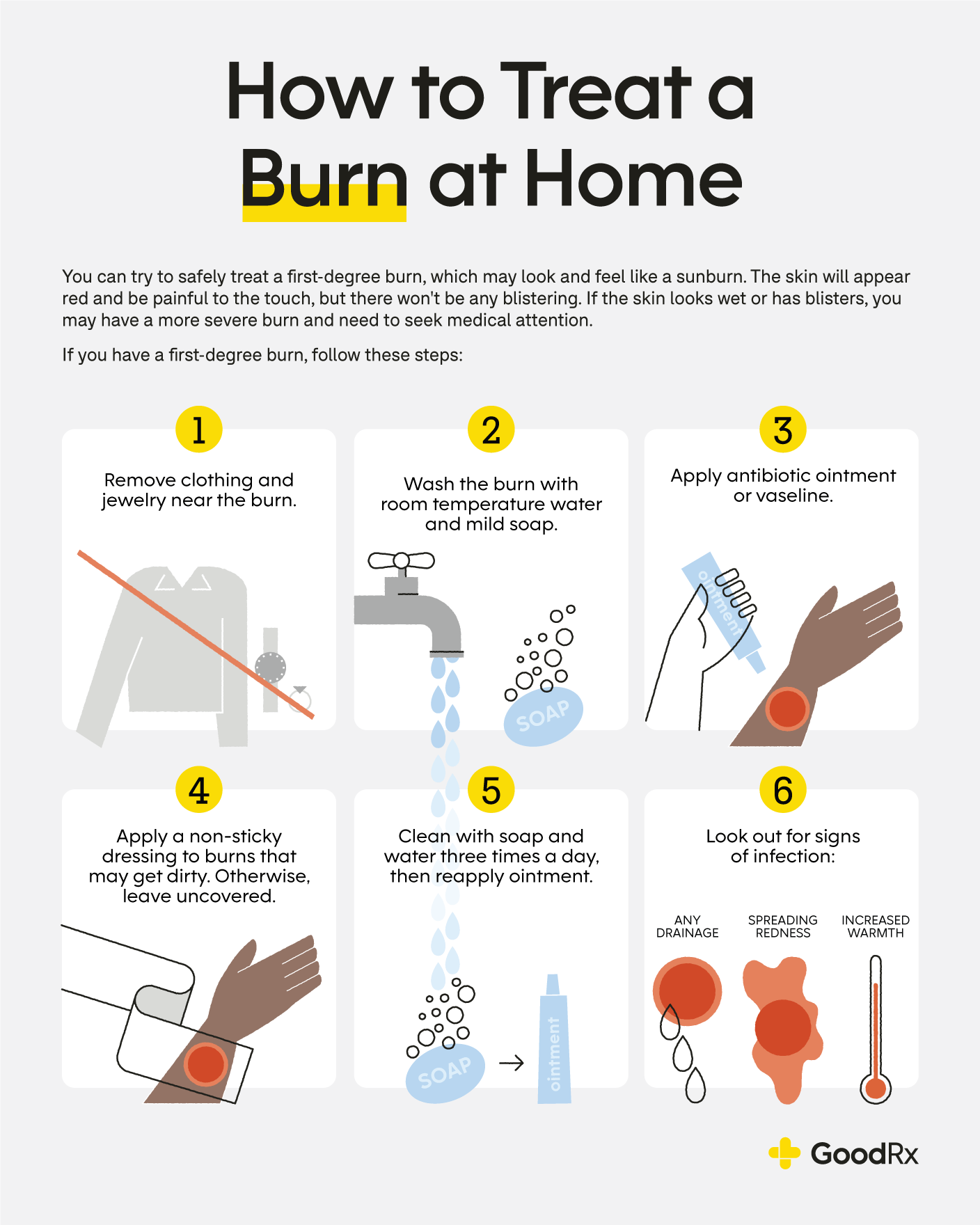
Run cool (not cold) water over the affected area for 10 to 15 minutes. If water isn’t available, use a clean, damp cloth or cool compress. Avoid ice. Direct application can cause frostbite and worsen tissue injury.
Why it works: Cooling stops ongoing heat damage by lowering skin temperature and reducing inflammation.
Turn Off and Set Aside the Hair Dryer
Stop using the device immediately. Unplug it if safe to do so. This prevents accidental re-exposure and gives you time to assess the injury.
Do Not Break Blisters
If blisters form, leave them intact. They act as a natural barrier against infection. Popping increases the risk of bacteria entering the wound.
Clean Gently with Mild Soap
Wash the area with lukewarm water and fragrance-free soap to remove dirt and bacteria. Pat dry. Don’t rub. Avoid alcohol-based cleaners or hydrogen peroxide, which can irritate healing tissue.
Keep the Burn Open (Usually)
For minor burns, leaving the area uncovered promotes air circulation and faster healing. Only cover if it’s in a spot that rubs against clothing or gets dirty easily. Use a non-stick sterile bandage if needed.
At-Home Healing Treatments
Most hair dryer burns are first-degree and heal within a week. Use these safe, effective remedies to soothe discomfort and support recovery.
Apply Aloe Vera Gel
Use pure aloe vera gel (fresh from the plant or medical-grade) 2 to 3 times daily. It cools the skin, reduces redness, and accelerates healing due to its anti-inflammatory and moisturizing properties.
Pro tip: Store aloe in the fridge for extra soothing relief.
Use Calamine Lotion for Itching
As the burn heals, itching may occur. Calamine lotion helps calm irritation and soothe residual inflammation. It’s especially useful for scalp or facial burns.
Try Diluted Tea Tree Oil
Tea tree oil has natural antiseptic and anti-inflammatory effects. Always dilute: mix 1 to 2 drops with 1 teaspoon of carrier oil (like coconut or olive oil). Do a patch test first. Some people are allergic.
Never apply undiluted essential oils directly to burned skin.
Moisturize Without Irritation
Once the initial pain fades, use a fragrance-free, hypoallergenic moisturizer to prevent dryness and flaking. Look for products with ceramides or shea butter to restore the skin barrier.
What to Avoid on Fresh Burns
• Petroleum jelly (Vaseline): Traps heat and slows cooling
• Butter or oils: Can introduce bacteria and clog pores
• Alcohol, peroxide, or scrubs: Delay healing and increase irritation
• Tight clothing or hats: May rub and aggravate the area
Spot Infection Early
Even small burns can become infected, especially if they occur over cuts or broken skin.
Watch for These Signs
• Redness spreading beyond the burn
• Swelling and warmth
• Pus or yellow discharge
• Fever or general illness
• Pain that worsens after 24 to 48 hours
One expert noted: If there’s no blistering or pus, and healing is visible, home care is usually enough. But monitor closely.
What to Do If Infection Is Suspected
See a healthcare provider promptly. You may need topical or oral antibiotics to clear the infection and prevent complications.
Scalp Burns: Risks and Care
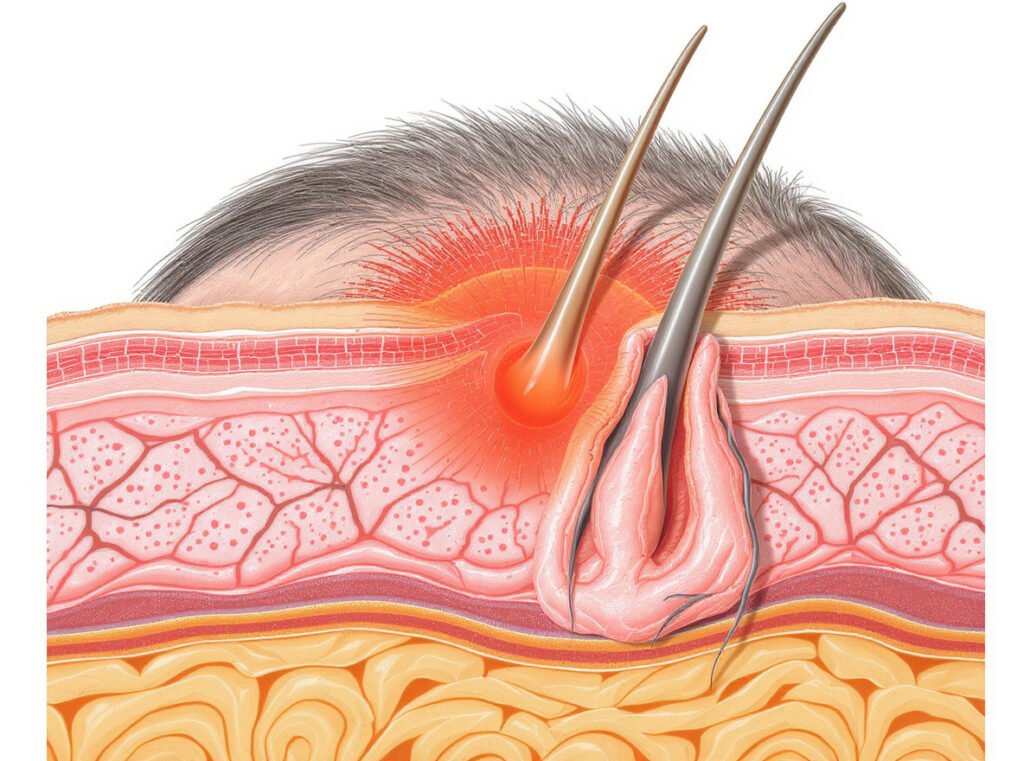
Hair dryer burns on the scalp are common, especially when styling close to the head. Most are minor, but concerns about hair loss are frequent.
Do Scalp Burns Cause Hair Loss?
Usually not. Here’s why:
• The hair follicle sits 6 to 7 mm beneath the skin surface
• A typical hair dryer burn affects only the epidermis (outer layer)
• Unless the heat penetrates deeply (which is rare), follicles remain unharmed
Experts agree: It would be unusual for a hair drying process to cause permanent hair damage.
Possible Temporary Shedding
Stress from the burn (not the injury itself) may trigger temporary hair shedding (telogen effluvium). This resolves on its own within weeks to months.
Symptoms of Mild Scalp Burn
• Burning or tingling sensation
• Itching during healing
• No visible redness or wound (common)
• Reassurance: absence of visible injury means minimal damage
Case example: A user briefly touched their scalp with a hot dryer. No redness seen. Experts confirmed no lasting effects expected.
Post-Burn Scalp Care Routine
Protect healing skin and avoid re-injury with these steps.
Wait Before Resuming Heat Styling
Avoid blow-drying the area for at least 2 to 3 days, or until discomfort fades. When you restart:
• Use cool or warm settings only
• Keep the dryer 6 or more inches away
• Move constantly. Don’t hover in one spot
Use Heat Protectant Spray
Before blow-drying, apply a heat protectant to shield hair and scalp from thermal damage. Look for ingredients like silicones or polymers that create a barrier.
Wash Gently
Use a mild, sulfate-free shampoo. Avoid medicated, exfoliating, or dandruff shampoos unless prescribed. They can irritate sensitive skin.
Handle Hair with Care
Avoid tight ponytails, vigorous brushing, or pulling. Let hair recover without added stress.
When to See a Doctor

Most hair dryer burns don’t need medical care. But seek help if:
The Burn Is Large or Deep
• Larger than 3 inches (7.5 cm) in diameter
• Shows white, leathery, or charred skin (sign of third-degree burn)
• Numbness present (nerve damage possible)
Note: Third-degree burns are rare with hair dryers but possible with device malfunctions.
Blisters Are Widespread
Small blisters are manageable at home. But multiple or large blisters need professional evaluation to prevent infection and ensure proper healing.
Signs of Infection Appear
As above: spreading redness, pus, fever, worsening pain.
Burn Occurs Over Open Wounds
If the skin was already broken (cut, scrape, recent surgery), infection risk increases. See a doctor even for small burns in these cases.
You Have Underlying Health Conditions
People with diabetes, poor circulation, or weakened immune systems heal slower and are more prone to complications. Get burns checked early.
Prevent Future Burns
Prevention beats treatment. Use these tips to avoid repeat injuries.
Maintain Safe Distance
Hold the dryer at least 6 inches (15 cm) from skin and scalp. Closer proximity increases burn risk dramatically.
Move Continuously
Don’t hold the dryer in one place for more than 1 to 2 seconds. Constant motion prevents heat buildup.
Use Lower Heat Settings
Opt for medium or low heat, especially near sensitive areas like the hairline, ears, or neck. Save high heat for thick sections only.
Use the Cool Shot Button
Press the cool-shot button every few seconds to reset temperature and protect hair and skin.
Check Your Device Regularly
Look for:
• Exposed heating coils
• Overheating (unusual smells or hot spots)
• Damaged cord or plug
Replace faulty units immediately.
Protective Styling Habits
Upgrade your routine to reduce risk.
Apply Heat Protectant Before Every Use
Even if you’re in a rush, spray a lightweight heat protectant on damp hair. It shields both hair and scalp from thermal stress.
Use Attachments Wisely
• Diffuser: Spreads airflow, reduces intensity. Ideal for curly hair and sensitive scalps.
• Concentrator nozzle: Focuses heat. Use carefully to avoid overheating small areas.
Be Extra Cautious With Kids
Children have thinner skin and may not feel heat as quickly. Use the lowest setting and supervise closely.
Healing Timeline and Outlook
Most hair dryer burns heal fully with no lasting effects.
First-Degree Burns
• Healing time: 3 to 7 days
• Symptoms fade: Redness, pain, warmth
• No scarring expected
Second-Degree Burns (Rare)
• Healing time: 2 to 3 weeks
• May leave mild discoloration (usually temporary)
• Scarring possible if infected or poorly cared for
Skin Pigmentation Changes
Darker skin tones may notice temporary darkening (hyperpigmentation) or light spots (hypopigmentation). These typically fade over weeks to months.
Hair Regrowth Outlook
• Normal regrowth unless deep tissue damage occurs
• Permanent hair loss is extremely rare with standard hair dryer use
Quick Reference: What to Do and When
| Situation | Action |
|---|---|
| Burn occurs | Cool with water for 10 to 15 mins |
| Redness, pain, no blisters | Treat at home with aloe vera, calamine |
| Blisters form | Keep intact. Cover only if needed |
| Itching during healing | Apply calamine or diluted tea tree oil |
| Scalp feels burned, no redness | Likely minor. Monitor, avoid heat |
| Signs of infection | See doctor for possible antibiotics |
| Large, deep, or numb burn | Seek emergency care |
| Burn over cut or wound | Get medical advice |
Expert Insights and Real Cases
• Dr. Cornelio (Board-Certified Physician): Recommends aloe vera, tea tree oil (diluted), and calamine for first-degree burns. Emphasizes keeping the wound open and watching for infection.
• User Reports: Many describe brief scalp contact with no visible damage. Experts confirm minimal risk.
• Consensus: Mild burns are common and resolve quickly. Permanent harm is highly unlikely with normal use.
Frequently Asked Questions About Hair Dryer Burns
How long does it take for a hair dryer burn to heal?
Most first-degree hair dryer burns heal within 3 to 7 days with proper care. Second-degree burns may take 2 to 3 weeks. The key is immediate cooling and avoiding irritants during the healing process.
Can I put aloe vera on a burn immediately?
Yes, after you’ve cooled the burn for 10 to 15 minutes, you can apply pure aloe vera gel. Cooling is the critical first step. Aloe vera then helps soothe inflammation and accelerate healing when applied 2 to 3 times daily.
Should I cover a hair dryer burn with a bandage?
Only cover the burn if it’s in an area that rubs against clothing or gets dirty easily. For most minor burns, leaving the area uncovered promotes faster healing through air circulation. Use a non-stick sterile bandage if covering becomes necessary.
What does a first-degree burn look like?
A first-degree burn from a hair dryer typically shows redness, mild swelling, and pain or tenderness. The skin may feel warm. Unlike more severe burns, there is no blistering or broken skin. These burns affect only the outer layer of skin.
Can hair dryer burns cause permanent hair loss?
Permanent hair loss from a hair dryer burn is extremely rare. The heat from standard hair dryers rarely penetrates deep enough to damage hair follicles, which sit 6 to 7 mm beneath the scalp surface. You may experience temporary shedding weeks after the burn, but normal regrowth typically follows.
When should I go to the doctor for a hair dryer burn?
Seek medical attention if the burn is larger than 3 inches, shows white or leathery skin (signs of third-degree burn), has widespread blisters, shows signs of infection, or occurs over an existing wound. People with diabetes or weakened immune systems should also consult a doctor for even minor burns.
Key Takeaways for Treating Hair Dryer Burns
Hair dryer burns are usually minor and treatable at home. Cool the area immediately with running water for 10 to 15 minutes, then avoid irritants like petroleum jelly, alcohol, and harsh soaps. Apply soothing agents like aloe vera gel or calamine lotion to speed healing and reduce discomfort.
While scalp burns may feel alarming, they rarely reach deep enough to damage hair follicles. Most heal within a week with no scarring or hair loss. Watch for signs of infection, and see a doctor if you notice spreading redness, pus, fever, or worsening pain.
Prevention is the best approach. Keep the dryer moving, maintain at least 6 inches of distance, and use lower heat settings near sensitive areas. With proper care, you’ll be back to styling safely and pain-free in no time.