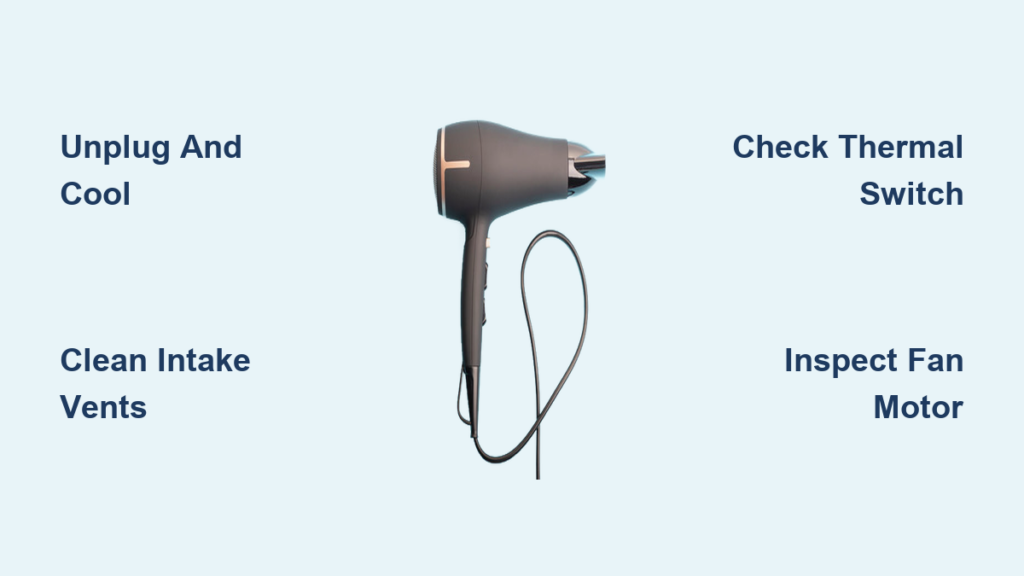

You turn on your hair dryer, it heats up, maybe even gets hot fast, but no air comes out. The fan is not spinning. You are left with a silent, overheating brick instead of a styling tool. If your hair dryer fan not working issue is happening to you, you are not alone. This common problem affects thousands of users every year, often due to preventable causes like clogged vents or tripped safety switches.
The good news? In many cases, this problem can be fixed in under 30 minutes with basic tools and no special skills. Whether the fan is seized, the motor is burnt out, or a hidden wire has come loose, this guide walks you through every step to diagnose and repair a non-working hair dryer fan.
Clean Air Intake and Internal Vents

Restricted airflow is the number one cause of fan failure. Dust, hair, and debris block the intake, causing overheating and automatic shutdown, often before the fan even starts.
Unblock Rear Intake Mesh
The rear air intake is where most clogs happen. Hair wraps around the mesh, cutting off airflow to the fan and motor. Over time, this leads to overheating and thermal cutoff.
Steps to clean:
• Unplug the dryer and let it cool completely
• Use a small screwdriver or pin to remove the intake grille if detachable
• Pull out trapped hair with tweezers or needle-nose pliers
• Wash the mesh in warm, soapy water if heavily soiled
• Dry completely before reassembly
Pro Tip: Use a vacuum nozzle or compressed air to blow out dust from inside the intake tunnel.
Clear Heating Chamber and Fan Blades
Even if the outer mesh looks clean, buildup inside the heating element chamber can restrict airflow. Remove screws along the handle or body seams to access the internal components. Locate the fan, usually behind the intake, and check for hair tangled around the motor shaft. Use a soft brush or toothpick to remove debris.
Visual cues to look for:
• Brownish dust clumps near heating elements
• Melted plastic near wires
• Scorch marks indicating past overheating
Warning: Never run the dryer with housing removed. Reassemble fully before testing.
Test for Thermal Cut-Off Activation
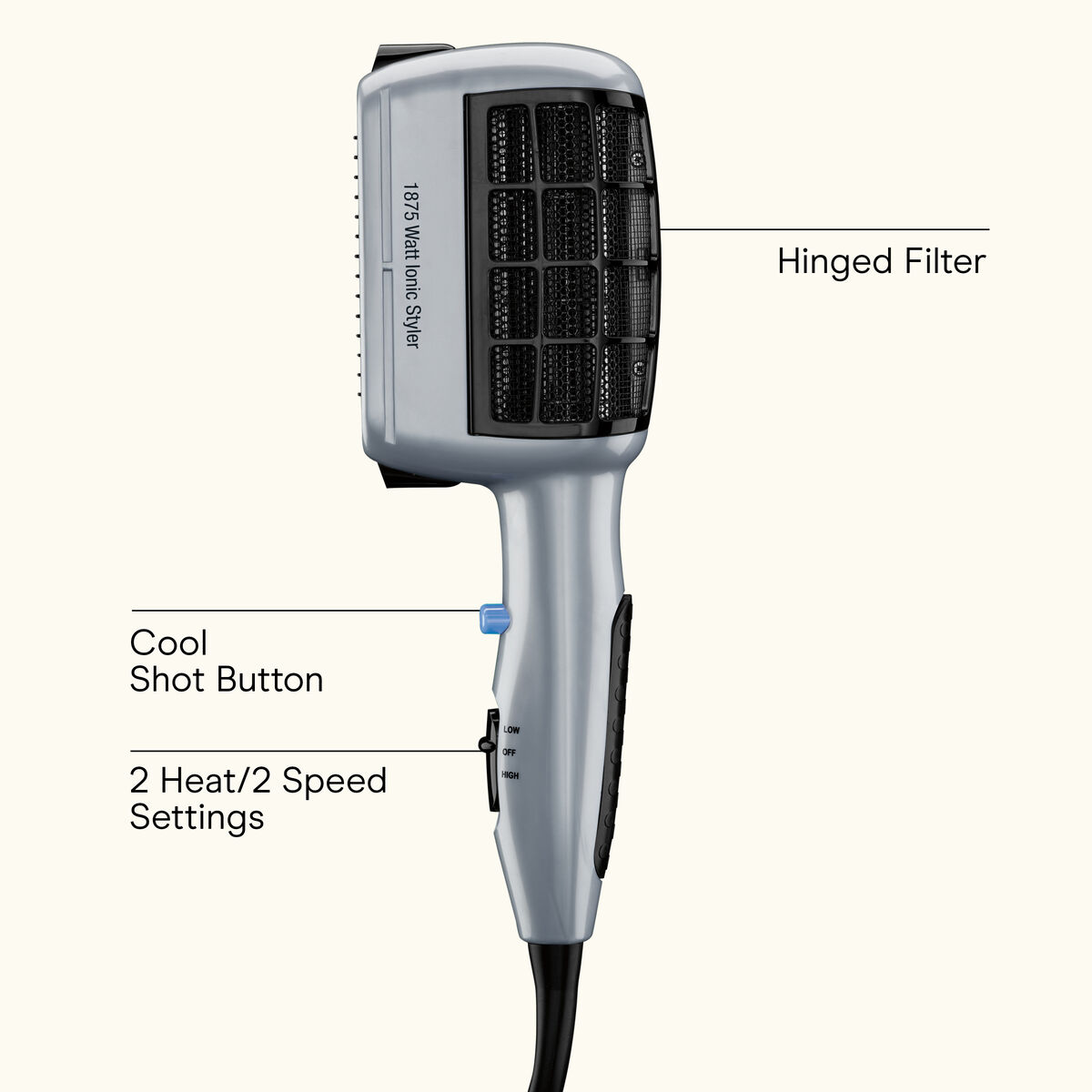
When airflow drops, internal temperatures spike. Safety switches trip to prevent fire, but sometimes stay tripped until manually reset.
Find the Reset Button
Some models like Conair and Revlon have a reset button on the plug. If the dryer shuts off after 1 to 2 minutes, the button may have popped out. Unplug the dryer, press the reset button on the plug, wait 5 minutes, then plug back in and test. If the unit works briefly then shuts off again, the underlying blockage has not been fixed.
Inspect Internal Thermal Fuse
Not all dryers have external reset buttons. Many use internal thermal fuses or thermostats mounted near the heating element. Set a multimeter to continuity mode and locate the thermal switch, a small white or black disc with two wires. Touch probes to both terminals. If no beep, the fuse is blown and needs replacement.
Note: A blown thermal fuse usually means the dryer overheated severely. Check for airflow issues first before replacing the fuse.
Manually Spin the Fan to Unseize Motor
A buzzing sound when powered but no airflow often means the motor is trying to start but the fan is stuck.
Perform the Spin Test
With the dryer unplugged, try to rotate the fan blades. Use a finger, toothpick, or small screwdriver and gently push the blades clockwise or counterclockwise.
Results:
• Spins freely: Motor may be electrically faulty
• Stiff or will not move: Motor shaft is seized or jammed
Free a Stuck Fan
If the fan resists movement, apply a single drop of light oil like WD-40 or sewing machine oil to the motor shaft. Let it sit for 10 minutes, try spinning again, and repeat if needed. Do not over-lubricate because excess oil can attract dust and worsen clogs. If the fan spins freely after cleaning but still does not run when powered, the issue is likely electrical.
Check Heater Connection and Circuit Load

Here is a surprising fact: in many hair dryers, the heater must be connected for the motor to run. The heating element acts as a load in series with the motor. If the heater fails or a wire breaks, the motor gets insufficient current.
Diagnose Broken Heater Spring
A common failure point is the heater spring terminal, a coiled wire that connects the heating element to the circuit board or switch. Look for visible gaps or disconnected wires near the heater and burnt smell or scorch marks on terminals. Disconnect power, locate the broken heater spring, twist ends together and solder, then insulate with heat-shrink tubing or electrical tape.
Why this works: Restoring the heater connection completes the circuit, allowing the motor to receive proper voltage.
Test with Multimeter
Use a multimeter to verify continuity. The heater element should show 30 to 50 ohms resistance for 1800W models. Motor terminals should have continuity, not open. Test switch positions for continuity in both low and high settings. No continuity in the motor means it may be burnt out.
Diagnose Motor and Electrical Failures
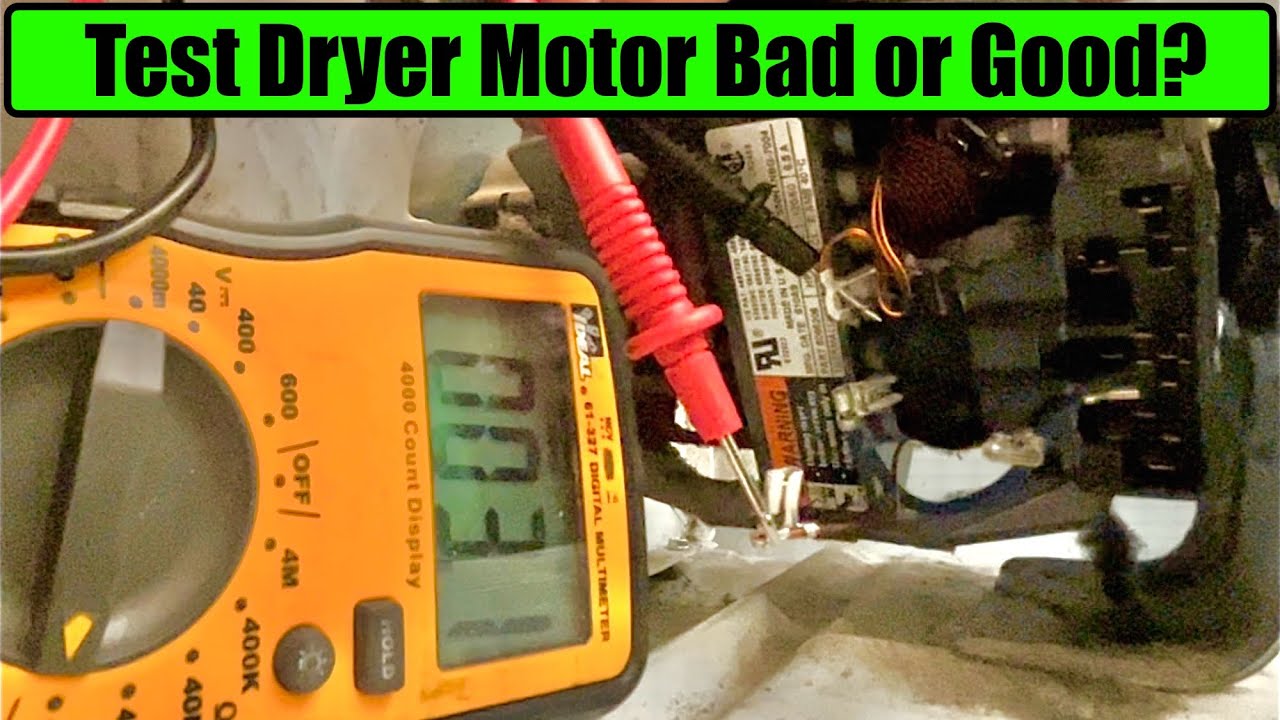
If cleaning and reset attempts fail, the problem may be internal, including burnt windings, failed diodes, or broken wires.
Identify Buzzing with No Spin
A loud hum or buzz when powered means power is reaching the motor but the fan will not start, likely due to burnt windings or failed start circuit. Possible causes include seized bearings, open winding in motor coil, and failed rectifier diode in dual-speed models.
Test Diodes and Switches
Some dryers use diodes to control fan speed. A failed diode can cut power to the motor while still allowing heat. Locate the diode, a small black cylinder with a band, set multimeter to diode mode, and test in both directions. It should conduct in one direction only. If it conducts both ways or not at all, replace it. Test switches by disconnecting wires from fan switch and testing continuity between input and output terminals in each position.
Replace vs. Repair: When to Let Go
Not every hair dryer is worth fixing. Some failures signal the end of life, especially in low-cost models.
Repair Only If:
• The issue is cleanable blockage
• A simple wire reconnection fixes it
• You have tools and moderate skill
• The dryer is high-end like Dyson, T3, or professional model
Replace If:
• Motor is burnt out with no continuity and strong burnt smell
• Plastic is melted or wires are charred
• No replacement parts available
• Repair cost exceeds $20
Expert Insight: It is not worth your time and money to attempt fixing a hairdryer. You will likely become frustrated and end up purchasing a new one anyway. Budget dryers from Walmart or Amazon priced at $15 to $30 are designed to be disposable. For safety and reliability, replacement is often the smarter choice.
Prevent Future Fan Failures
Avoid repeat breakdowns with simple maintenance habits.
Clean Every Month
• Remove lint from intake mesh
• Blow out internal dust with compressed air
• Inspect fan blades for tangles
Limit Continuous Use
• Avoid running more than 7 to 10 minutes at a time
• Let the dryer cool for 2 to 3 minutes between uses
Store Properly
• Keep in a dry, dust-free area
• Do not wrap the cord tightly around the handle because this can damage internal wires
Never Block the Intake
• Do not hold your hand over the back vent
• Do not use near towels or fabrics that can suck into the intake
Pro Tip: If your dryer shuts off mid-use, wait 5 minutes before restarting. This allows the thermal switch to reset, but fix the airflow problem first.
Frequently Asked Questions About Hair Dryer Fan Not Working
Why does my hair dryer heat up but not blow air?
This happens when the heating element works but the fan motor fails to spin. Common causes include clogged air intake, seized fan blades, tripped thermal protection, or broken electrical connections in the motor circuit.
Can I fix a hair dryer fan myself?
Yes, many issues are fixable at home. Cleaning blocked vents, resetting thermal switches, and reconnecting broken wires are simple repairs. However, if the motor is burnt out or the unit is cheaply made, replacement may be more practical.
How do I know if my hair dryer motor is burnt out?
A burnt motor typically shows no continuity when tested with a multimeter. You may also smell burning, see smoke, or hear a buzzing sound when the dryer is powered on but the fan does not spin.
Does the heater affect the fan operation?
Yes, in many hair dryers the heating element acts as a series load for the motor circuit. If the heater connection is broken, the motor may not receive enough current to start even if the motor itself is fine.
Should I replace or repair my hair dryer?
Replace if the motor is burnt out, internal components are melted or charred, or repair costs exceed $20. Repair if the problem is simple blockage, a loose wire, or a tripped safety switch that can be reset.
Final Thoughts on Fixing a Hair Dryer Fan Not Working
A hair dryer that heats but does not blow air is usually fixable if caught early. Start with cleaning the air intake and checking for reset buttons. Test electrical connections and verify the heater circuit is intact. Most fan failures stem from blocked airflow or simple breaks in the circuit that can be spliced back together.
If the motor is dead or internal parts are burnt, replacement is safer and more cost-effective than attempting complex repairs. With regular care including monthly cleaning and avoiding prolonged use, your next dryer can last years without a single fan failure.