Slicking back your hair without gel is easier than you might think, and it is actually healthier for your hair in the long run. Traditional gels can leave hair stiff and crunchy while causing buildup that clogs pores and damages delicate strands over time. This guide shows you how to achieve a sleek, polished slick-back look using nourishing products and gentle techniques that protect your edges while delivering professional results.
You will learn which non-gel products work best, how to prep and layer products correctly, and step-by-step techniques tailored to short, medium, and long hair. By the end, you will have all the knowledge needed to slick back confidently without sacrificing hair health.
Choose the Right Non-Gel Products
Selecting the correct products is the foundation of a successful gel-free slick back. The right alternatives provide hold and shine while keeping your hair moisturized and flexible.
Pick a High-Hold Pomade
Pomades are the top gel alternative for slick-back styling. Unlike gels that dry hard and flake, pomades offer flexible hold, shine, and reworkability without drying out your hair.
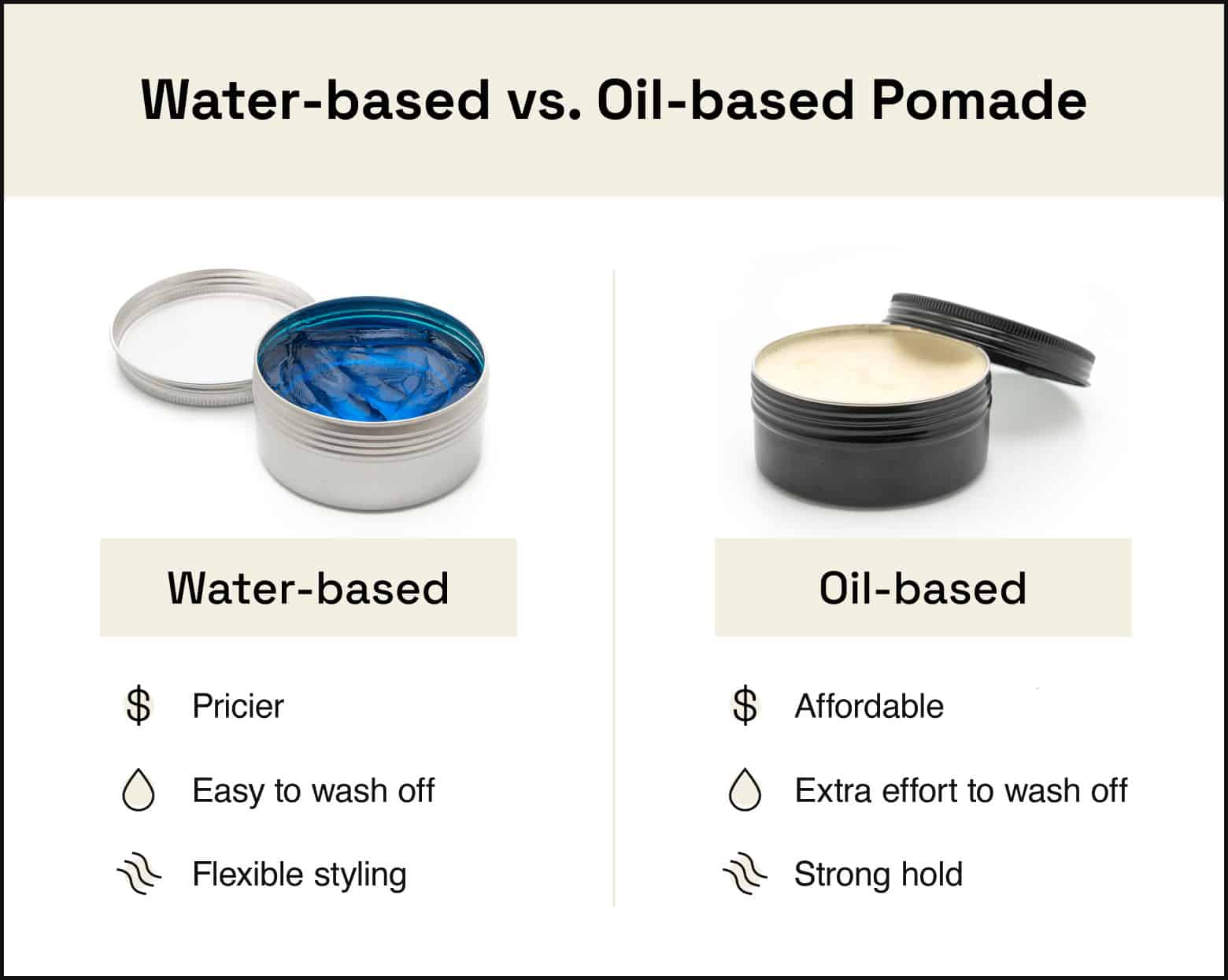
• Oil-based pomades deliver a classic wet look with strong hold and high shine. They last longer but require clarifying shampoo for removal.
• Water-based pomades wash out easily with regular shampoo and provide medium to strong hold with moderate shine, ideal for daily wear.
Pro Tip: For a non-greasy, high-shine finish, try Kenue Blend, a popular choice praised for its balance of control and ease of use.
Avoid petroleum-heavy formulas that can clog pores or weigh hair down. Look for pomades enriched with natural oils and butters that condition while they style.
Use Moisturizing Leave-In Lotions
Before applying any styling product, start with a hydrating base. A lightweight leave-in conditioner primes your hair for smooth brushing and reduces resistance during styling.
Apply it evenly to damp or dry hair before layering on pomade. Well-moisturized hair is less likely to snap under tension, especially around the delicate edges.
Finish With Nourishing Hair Oil
After setting your style, add a drop or two of nourishing hair oil to boost shine and lock in protection. Oils smooth the cuticle, reduce frizz, and create a glossy finish without making hair look greasy.
Apply oil as the final step. This layering ensures moisture stays locked in while giving you that polished, salon-quality look.
Prep Your Hair Properly
Proper preparation makes all the difference between a styles that lasts and one that falls apart. Taking time to prep correctly protects your hair from damage during styling.
Start With Damp or Moisturized Hair
Never slick back soaking-wet hair. Wet strands are more elastic and prone to stretching, which increases breakage risk when combed or pulled tight. Instead, towel-dry until your hair is about 70% dry, slightly damp or well-moisturized.
For curly or coily textures, this step prevents hygral fatigue and helps maintain curl pattern integrity.
Visual Cue: If water drips when you flip your head, it is too wet. If it feels damp but not dripping, you are ready.
Condition Before Styling
Always begin with clean, conditioned hair. Use a hydrating deep conditioner after shampooing to restore moisture and improve elasticity. This makes combing easier and reduces friction that leads to split ends.
Leave-in conditioner is essential for slick-back success. It acts as a buffer between your scalp and styling tools, minimizing irritation and breakage.
Apply Products in Layers
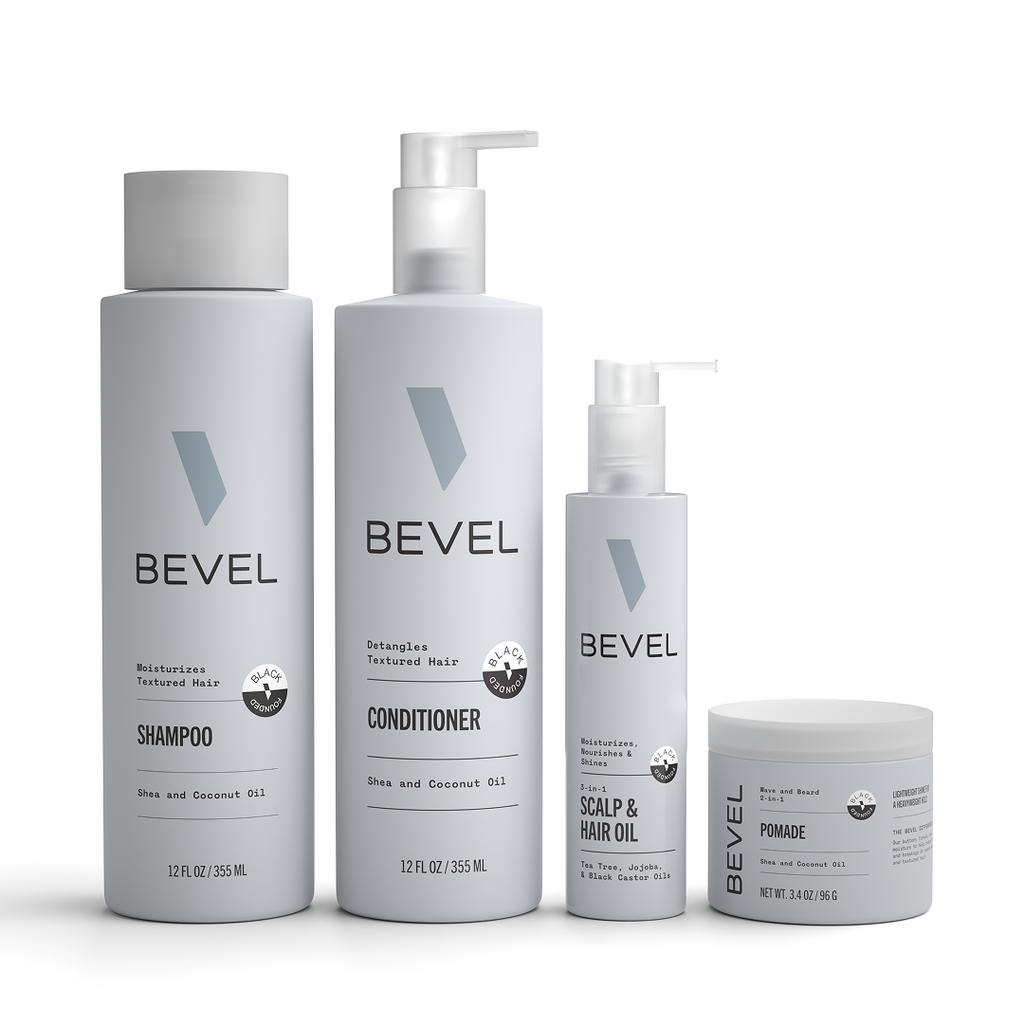
Layering products correctly creates the perfect balance of hold, shine, and moisture. Each layer serves a specific purpose in your styling routine.
Layer 1: Hydrate With Leave-In Lotion
Apply a generous amount of moisture-sealing lotion to your roots and mid-lengths. Focus on the top and sides, the areas you will be slicking back. Avoid the ends if your hair is long so they do not get weighed down.
Use your fingers or a spray bottle to distribute evenly. Let it absorb for a minute before moving to the next step.
Layer 2: Add Hold With Pomade
Take a dime- to quarter-sized amount of pomade and rub it between your palms to warm it up. This makes application smoother and more even.
Apply from front to crown, working backward. Use upward and backward motions to lift roots slightly for volume before smoothing everything down.
Common Mistake: Using too much product. Start small, you can always add more.
Layer 3: Seal Shine With Oil
Once your hair is styled, place a pea-sized amount of nourishing oil in your palms, rub lightly, and glide over the surface of your hair. Focus especially along the hairline and part.
This final layer enhances shine, tames flyaways, and protects against humidity and pollution.
Comb and Style Gently
The tools you use and how you use them directly impact the health of your hair. Gentle technique prevents breakage while still delivering a sharp, clean finish.
Use the Right Comb
The tool you use makes a big difference in how clean and damage-free your slick back looks.
• Fine-toothed barber comb: Best for short hair, delivers precision and sharp lines.
• Wide-toothed comb: Ideal for long or textured hair, helps distribute product evenly before final slicking.
Always start with a wide-toothed comb if your hair is thick or curly, then switch to a fine-toothed one for the final pass.
Warning: Never force a comb through tangled or dry hair. This causes breakage and weakens edges over time.
Brush With Care
If using a brush, choose one with soft bristles or a specialized edge-control brush. These minimize scalp irritation and reduce pulling stress.
When slicking back, use light, steady strokes from the forehead toward the back of the head. Make 6 to 7 smooth passes for a clean finish.
Pro Tip: For short hair, comb straight back. For medium to long hair, angle slightly upward at the crown to add volume before smoothing down.
Protect Your Edges and Hairline
Your edges are the most fragile part of your hair. Protecting them ensures your slick-back style remains healthy and sustainable over time.
Avoid Excessive Tension
Traction alopecia is a real risk with frequent slick-back styling. To prevent it, style with enough hold to stay in place but not so tight that your scalp feels strained. Skip the pull-until-it-shines technique. Healthy hair does not need pain to look good.
Reality Check: If your forehead wrinkles when you slick back, you are pulling too hard.
Moisturize the Hairline
Edges need extra hydration. Keep them moisturized with a light application of leave-in conditioner or edge serum before and after styling.
Reapply moisture at night if you wear the style all day. This helps restore elasticity and prevents dryness-induced breakage.
Limit Frequency
Give your edges a break. Rotate slick-back days with looser styles like twists, buns, or natural wash-and-gos. This allows follicles to recover and reduces long-term damage.
Set and Lock the Style
Setting your style properly ensures it lasts all day while maintaining hair health. Heat and finishing products work together to seal the look in place.
Use Low-Heat Blow Drying
Once combed into place, use a low-heat blow dryer to set the style. Hold the nozzle 6 to 8 inches away and move continuously to avoid overheating.
Heat helps activate the hold in pomades and seals the cuticle for extra shine. It also reduces frizz in humid conditions.
Time Estimate: 3 to 5 minutes is usually enough to lock in the look.
Finish With Light Hairspray (Optional)
In high-humidity environments or for all-day wear, a light mist of flexible-hold hairspray helps maintain shape without stiffness.
Avoid heavy sprays that make hair crunchy. Spray from a distance and focus on the roots and sides, not the entire head.
Adjust for Hair Length

Your hair length determines how much product to use and which techniques work best. Tailoring your approach ensures optimal results without weighing hair down.
Short Hair: Maximize Shine and Precision
- Towel-dry to dampness.
- Apply a liberal amount of high-shine pomade.
- Use a fine-toothed comb to slick straight back.
- Make 6 to 7 clean passes for a sharp line.
- Finish with a drop of oil on the surface.
Avoid over-combing once set, this causes frizz and disrupts the finish.
Medium Hair: Balance Hold and Volume
- Shampoo and condition, then towel-dry.
- Apply medium-to-maximum hold pomade to top and sides.
- Comb back once to set direction, add a side part if desired.
- Use fingers to lift roots, then blow-dry on low for volume.
- Smooth down and finish with oil.
For a textured slick back, use fingers instead of a comb for a softer, lived-in look.
Long Hair: Prevent Heaviness and Greasiness
- Rough-dry to about 70% dry.
- Apply pomade only to roots and mid-lengths, skip the ends.
- Start with a wide-toothed comb to distribute product.
- Switch to a fine-toothed comb for the final slick-back effect.
- Finger-comb lightly at the crown for lift.
- Optional: Pull into a low bun or braid for a polished finish.
Long hair benefits from occasional root lifting with a blow dryer to avoid flatness.
Maintain and Refresh the Style
Keeping your slick back fresh between washes extends the life of your style while maintaining hair health. Proper maintenance prevents buildup and keeps strands looking vibrant.
Rehydrate Between Washes
On day two or three, your style may lose some definition. Instead of reapplying pomade heavily, spritz with water or a leave-in refresher. Rub a tiny amount of oil between palms and smooth over the surface. Use a soft brush to reactivate the style.
Never wet your hair fully mid-style unless you are ready to re-prep.
Wash Regularly to Prevent Buildup
Oil-based products and pomades can accumulate on the scalp over time. Use a clarifying shampoo once a week to remove residue and keep follicles clear.
This prevents flaking, itching, and clogged pores, common side effects of long-term product use.
Prevent Long-Term Damage
Protecting your hair for the long term ensures you can enjoy slick-back styles without compromising strand health. Prevention is always better than correction.
Prioritize Moisture Over Hold
The biggest mistake in slick-back styling is sacrificing hydration for shine. Healthy hair holds style better than dry, brittle strands.
Always ask: Is my hair soft after styling? If it feels stiff or rough, you are using too much hold product and not enough moisture.
Watch for Early Signs of Breakage
Check your hairline regularly. If you notice thinning edges, short broken hairs near the forehead, or itchiness and flaking, you may be using too much tension or the wrong products.
Scale back, hydrate more, and let your scalp breathe.
Give Your Scalp a Rest
Style rotation is essential. Alternate slick backs with protective styles or natural looks to give your hairline time to recover.
Think of it like rest days in fitness, your hair needs recovery too.
Frequently Asked Questions About Slicking Back Hair Without Gel
Can I slick back my hair without gel and still get a strong hold?
Yes, pomades provide strong hold without the stiffness and crunch of gel. Oil-based pomades offer maximum shine and hold, while water-based options provide medium to strong hold with easier washout. Layering a leave-in lotion beneath pomade gives you control plus moisture.
Will slicking back my hair cause hairline recession?
Improper technique can lead to traction alopecia, but using gentle methods prevents this. Avoid tight pulling, moisturize your edges regularly, and limit frequency. If your forehead wrinkles when styling, you are pulling too hard.
What is the best product for slicking back natural hair?
Pomades enriched with natural oils and butters work best for natural hair. Start with a moisture-sealing leave-in lotion, then apply a water-based or oil-based pomade based on your hold needs. Finish with nourishing hair oil for shine.
How do I keep my slick back from looking greasy?
Use pomade sparingly and apply only to roots and mid-lengths, avoiding the ends. Water-based pomades are less likely to look greasy than oil-based options. Finish with a small amount of oil, using just a pea-sized amount.
Can I blow dry my hair after slicking it back?
Yes, use a low-heat blow dryer held 6 to 8 inches away. Low heat sets the pomade hold and adds volume at the roots. Move the dryer continuously to prevent overheating and damage.
How often should I wash my hair when using pomade?
Wash your hair every 3 to 5 days or as needed. Use a clarifying shampoo weekly to remove product buildup from pomades and oils. This prevents clogged pores, flaking, and scalp irritation.
Key Takeaways for Slicking Back Hair Without Gel
Slicking back your hair without gel is a healthier, more sustainable approach to achieving a sharp, professional look. The key lies in choosing the right products, layering them correctly, and using gentle techniques that protect your edges and scalp.
Pomades offer the hold and shine of gel without the stiffness or damage. Start with a moisturizing leave-in lotion, add pomade for control, and seal everything with nourishing oil. Always towel-dry hair to 70% dry before styling, and avoid tight tension that strains your hairline.
Long-term success requires moisture priority, tension control, and style rotation. Give your edges regular breaks, watch for early signs of breakage, and maintain your routine with clarifying washes. By following these practices, you can enjoy sleek, polished slick-back styles while keeping your hair strong, healthy, and ready for any look you desire.