
If you have ever stepped out of the shower only to find your hair tangled, dry, or more brittle than before, you are not alone. Washing strips natural oils, and for many people with curly, damaged, or chemically treated hair, the process can do more harm than good. The secret to protecting your strands is oiling hair before showering. This pre-wash ritual shields strands from moisture loss, reduces breakage, and boosts softness, all without leaving residue.
By applying oil before washing, you defend your hair is structure from the inside out. In as little as 20 minutes, oils like coconut penetrate the cortex to prevent protein loss, while others coat the cuticle to reduce friction and frizz. Whether you are dealing with high porosity, heat damage, or stubborn tangles, this simple step can transform your wash-day experience.
Choose the Right Oil for Your Hair Type
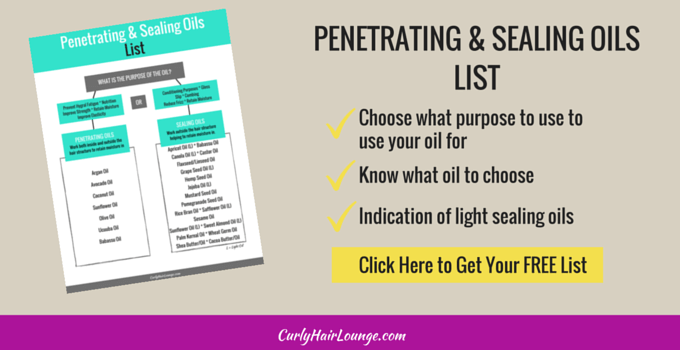
Not all oils work the same way. The best pre-wash oils fall into two categories: penetrating and surface-coating. Penetrating oils enter the hair shaft to reinforce it from within, while coating oils seal the cuticle to block moisture loss and reduce friction.
Penetrating Oils for Deep Strength
These oils have small molecules capable of entering the hair shaft, offering internal reinforcement.
- Coconut oil leads in penetration thanks to its small, linear molecules and high lauric acid content. Studies show it reduces protein loss by up to 50% during shampooing.
- Pumpkin seed oil is emerging as another strong penetrator, rich in antioxidants and fatty acids that strengthen strands.
Surface-Coating Oils for Protection
These oils do not enter the cortex but create a protective film over the hair.
- Olive oil deeply conditions but may sit on top, best for thick, coarse hair.
- Avocado oil delivers intense nourishment and shine, ideal for dry, brittle ends.
- Jojoba oil mimics natural sebum, lightweight and perfect for fine to medium textures.
- Argan oil adds heat protection and frizz control, especially beneficial for color-treated or frizzy hair.
Match Oil to Your Hair
Using the wrong oil can weigh hair down or fail to protect it. Tailor your choice based on your hair type.
- Curly or coily hair (Type 3-4): Use coconut or avocado oil for deep penetration and overnight treatments.
- Fine or oily hair: Opt for lightweight options like jojoba, grapeseed, or sunflower oil.
- Chemically treated hair: Coconut oil helps seal porous cuticles post-color or relaxer.
- Heat-damaged hair: Choose antioxidant-rich oils like argan or rosemary-infused blends.
Pro Tip: Blend oils for balanced results. Try mixing coconut (penetrating) with argan (shine and protection) for full-spectrum benefits.
Apply Oil Correctly Before Washing
The most damaged parts of your hair are the mid-lengths and ends. That is where oil should go.
Focus on Mid-Lengths and Ends
- Avoid heavy root application unless targeting scalp dryness separately.
- Concentrate on the last 6-8 inches of each strand, where porosity is highest.
- The scalp produces its own oils, so the lengths and ends need the most protection.
Use the Right Amount of Oil
Too much oil makes shampooing difficult, while too little offers no protection.
- For shoulder-length to long hair: Use 3-4 pumps of concentrated oil total.
- For fine or low-density hair: Reduce to 1 pump per side.
- If using a leave-in spray, mist lightly. Do not saturate.
Visual Cue: Hair should look subtly glistening, not dripping or visibly greasy.
Warm and Distribute Evenly
Cold oil spreads unevenly and may not absorb well.
- Dispense oil into your palms.
- Rub hands together to warm and emulsify.
- Apply section by section, starting from ends and working upward.
This ensures full coverage and prevents patchy protection.
Let Oil Sit for Optimal Absorption

Even a short dwell time provides measurable benefits. Twenty minutes gives coconut oil enough time to begin penetrating the cortex and forming a protective layer.
Minimum 20-30 Minutes Before Shower
- Ideal for busy routines.
- Protects against swelling and protein loss during wash.
- This short duration is sufficient for most hair types.
Overnight Oiling for Deep Repair
For maximum impact, especially with coarse, thick, or highly porous hair.
- Apply oil before bed.
- Cover with a shower cap or silk scarf to prevent transfer and trap heat.
- Heat opens the cuticle slightly, enhancing oil absorption.
Note: Overnight treatments are not necessary every time, but doing them once a week boosts long-term strength and softness.
Wash Hair Properly After Oiling
Oil must be washed out. Skipping shampoo leads to buildup, dullness, and clogged follicles.
Always Shampoo After Oiling
Oiling is not a substitute for shampoo. It is a prep step.
- Never skip cleansing unless co-washing (using conditioner only).
- Use a clarifying or mild shampoo depending on oil type and frequency.
Double Cleanse if Needed
One wash may not fully remove oil residues.
- First wash: Breaks down oil.
- Second wash: Ensures clean, residue-free hair.
Sign of success: Hair feels clean, not greasy or heavy, after rinsing.
Follow With Conditioner
Even after pre-oiling, conditioning supports detangling and hydration.
- You may need less conditioner since oil already softened the hair.
- Focus on ends again, as usual.
Avoid Common Oiling Mistakes
Do Not Overapply Oil
More is not better. Excess oil is hard to rinse out, can cause greasy roots, and offers no added benefit beyond a thin, even layer. Stick to 3-4 pumps max for long hair unless hair is extremely thick or dry.
Do Not Use Heavy Oils on Fine Hair
Thick oils like olive or unrefined coconut can flatten fine strands. Use lightweight alternatives like grapeseed, sunflower, or jojoba. Apply for shorter durations, 20-30 minutes instead of overnight.
Do Not Skip Shampoo
Some believe oil replaces cleansing, but it does not. Oil traps dirt and sebum over time. Without shampoo, buildup dulls hair and blocks growth. Only skip shampoo if intentionally co-washing, and even then clarify weekly.
Do Not Apply Only to Roots
Pre-wash oiling targets lengths and ends, not the scalp. Scalp produces its own oils. Applying oil to roots can make hair look oily fast.
Adjust for Hair Porosity and Climate
Low-Porosity Hair
Low-porosity hair resists moisture and oil absorption.
- Choose lightweight, liquid oils like jojoba, grapeseed, or sweet almond.
- Limit dwell time to 20-30 minutes.
- Avoid heavy butters or unrefined coconut oil, which can sit on top.
High-Porosity Hair
Damaged, chemically treated, or coily hair absorbs quickly but loses moisture fast.
- Use coconut, avocado, or olive oil.
- Allow 1 hour to overnight treatment.
- Oiling regularly helps maintain hydration balance.
Seasonal Adjustments
Hair needs change with climate.
- Winter or dry months: Use richer oils like coconut or avocado for extra protection.
- Summer or humid months: Switch to lighter oils like grapeseed or sunflower to avoid heaviness.
Maintenance Tip: Rotate oils seasonally for optimal results.
Follow a Weekly Oiling Routine
Daily oiling is not needed. Over time, weekly pre-wash oiling builds resilience.
How Often to Oil
- Average users: Once per week or every other wash.
- Damaged or styled hair: Up to twice weekly, such as after bleaching or frequent blow-drying.
Consistency over 4-6 weeks leads to less shedding during washing, reduced breakage when detangling, and improved softness and shine.
Track Your Results
Pay attention to changes.
- Is detangling easier?
- Does hair feel stronger when wet?
- Is there less frizz after drying?
These are signs the treatment is working.
Get the Best Results With Pro Tips
Enhance Absorption With Heat
Gentle warmth improves oil penetration.
- After applying oil, wrap hair in a warm towel for 10-15 minutes.
- Or use a hooded dryer on low for 20 minutes.
- Avoid high heat, as it can degrade oils.
Detangle Before Oiling (Optional)
If hair is very tangled, detangle with a wide-tooth comb before applying oil.
- Reduces stress during application.
- Ensures even oil distribution.
Rinse With Cool Water
After shampooing and conditioning, finish with a cool water rinse.
- Helps flatten the cuticle.
- Boosts shine and reduces frizz.
Frequently Asked Questions About Oiling Hair Before Shower
How long should I leave oil in my hair before showering?
Leave oil in for at least 20-30 minutes before washing. This gives coconut oil enough time to penetrate the cortex and form a protective barrier. For coarse or highly porous hair, leaving oil on overnight provides deeper conditioning.
Can I oil my hair every day before showering?
Daily pre-wash oiling is not necessary and may lead to buildup. Once per week or every other wash is sufficient for most hair types. Those with severe damage may benefit from twice-weekly treatments.
What happens if I do not shampoo after oiling?
Skipping shampoo leaves oil and dirt trapped on the scalp, which can cause clogged follicles, dull hair, and potential hair loss over time. Always shampoo after pre-wash oiling to remove all residues.
Can I use pre-wash oiling on fine hair?
Yes, but choose lightweight oils like jojoba, grapeseed, or sunflower. Use less product (1 pump per side instead of 2) and limit dwell time to 20-30 minutes to avoid weighing hair down.
Does pre-wash oiling really reduce protein loss?
Scientific studies confirm that coconut oil reduces protein loss during shampooing by up to 50%. This is one of the most significant benefits of pre-wash oiling, as it helps maintain hair strength and reduces brittleness.
Key Takeaways for Oiling Hair Before Shower
Oiling hair before showering is a powerful, science-backed way to protect and strengthen strands. By choosing the right oil for your hair type, applying it correctly to mid-lengths and ends, allowing time for absorption, and washing thoroughly, you turn a basic wash into a restorative ritual.
The most important points to remember are these. First, select an oil based on your hair needs: coconut or pumpkin seed oil for penetrating benefits, or jojoba and argan for lightweight protection. Second, apply 3-4 pumps total to the lengths and ends only, avoiding heavy root application. Third, wait at least 20 minutes before shampooing, or leave oil on overnight for deep treatment. Finally, always shampoo after oiling, and double cleanse if needed.
Whether you have curly, damaged, or fine hair, this simple step done just once a week can lead to softer, shinier, and more resilient hair over time. Start with a 20-minute treatment using coconut or jojoba oil, adjust based on your hair is response, and enjoy the transformation.