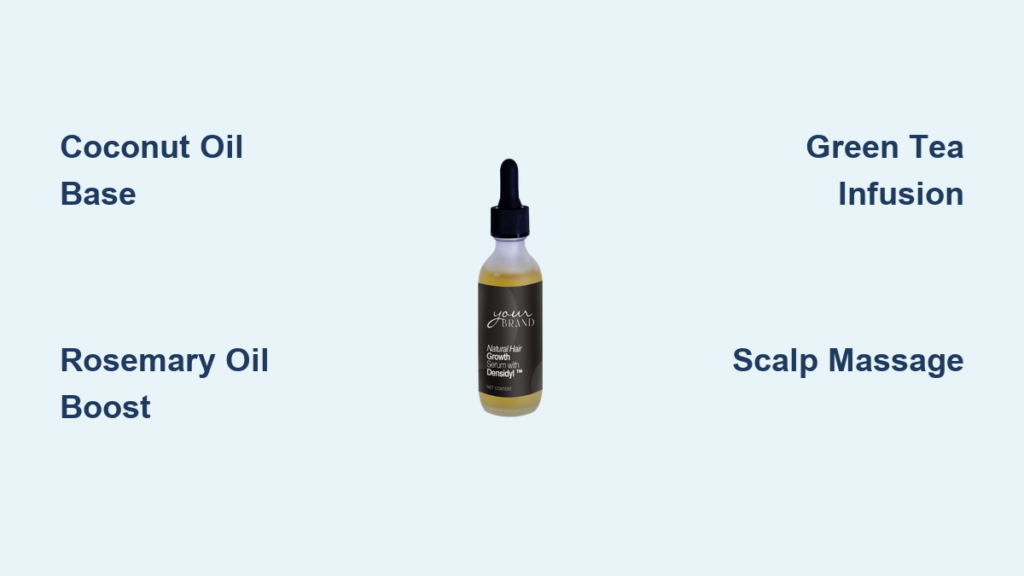
If you are struggling with thinning hair, excessive breakage, or painfully slow growth, a homemade natural hair growth serum might be exactly what your routine is missing. Unlike commercial products packed with silicones and synthetic fragrances, a natural hair growth serum uses plant-based oils, herbal extracts, and bioactive compounds to nourish your scalp, strengthen follicles, and create the ideal environment for healthier, fuller-looking hair. While results will not happen overnight, consistent application over 8 to 12 weeks can lead to reduced shedding, improved texture, and visible density.
This guide walks you through science-backed ingredients, step-by-step DIY recipes, and expert tips to maximize absorption and effectiveness without harsh chemicals. Whether you have oily roots, dry ends, or a flaky scalp, there is a natural serum formula tailored to your specific needs. You will learn how to blend potent actives like rosemary oil and green tea extract, preserve water-based tonics safely, and stimulate growth through simple scalp massage techniques.
Choose the Right Base Oils
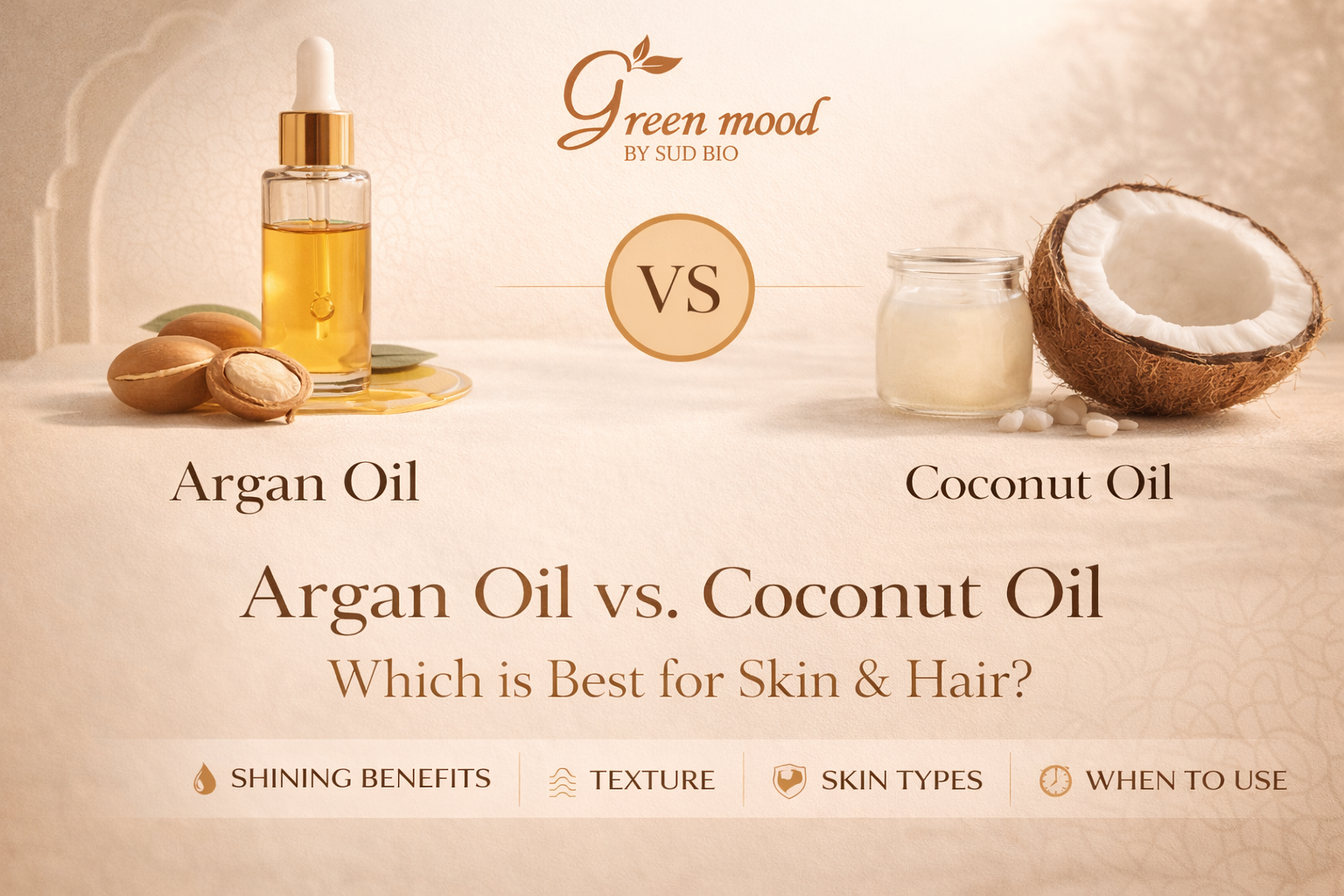
The foundation of any effective natural hair growth serum is a blend of carrier oils that deliver active compounds directly to your scalp and hair shaft. These oils do far more than simply moisturize. They penetrate deeply, protect at the cellular level, and nourish both scalp and strands.
Coconut Oil for Protein Protection
Coconut oil is one of the few oils proven to penetrate deep into the hair shaft thanks to its high lauric acid content. It dramatically reduces protein loss during washing and styling, making it ideal for weak, dry, or chemically treated hair. Always use cold-pressed, unrefined coconut oil to preserve maximum nutrients.
Pro Tip: Heat 2 to 3 tablespoons with fresh curry leaves for 10 to 15 minutes, then strain. This Ayurvedic infusion boosts antioxidant delivery and helps prevent premature graying.
Jojoba Oil to Balance Scalp Oil
Jojoba oil closely mimics the scalp is natural sebum, making it perfect for both oily and dry scalps. It regulates sebum production, prevents clogged follicles, and serves as an excellent carrier for essential oils. Its lightweight, non-greasy texture makes it ideal for daily sprays or leave-in serums.
Argan Oil for Shine and Strength
Rich in vitamin E and essential fatty acids, argan oil repairs damaged cuticles, adds brilliant shine, and improves hair elasticity. It works best when applied to mid-lengths and ends to prevent split ends without weighing hair down.
Avoid This Mistake: Do not apply pure argan oil directly to the scalp if you are prone to greasiness. Instead, blend it with lighter oils like grapeseed or jojoba for better balance.
Add Proven Hair-Boosting Actives
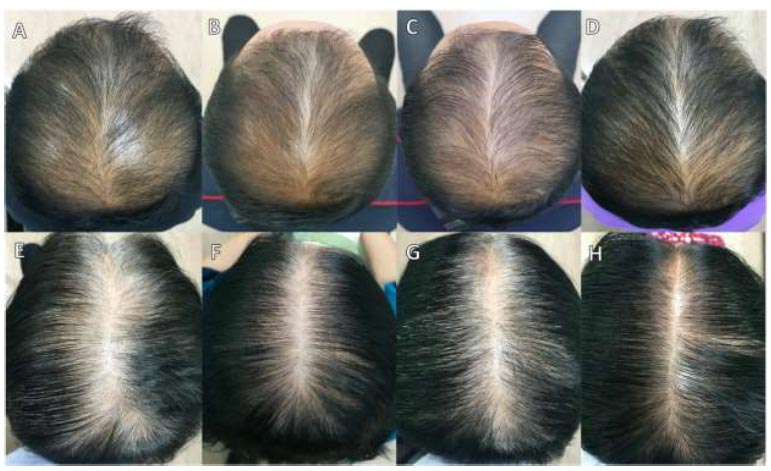
While carrier oils provide essential nourishment, adding targeted actives enhances circulation, fights DHT (a hormone linked to hair loss), and stimulates follicle activity for faster growth.
Rosemary Oil Compared to Minoxidil
One clinical study found that rosemary essential oil was just as effective as 2 percent minoxidil in increasing hair count after six months, with significantly less scalp itching. Its active compound, carnosic acid, reduces inflammation and may block DHT from attacking follicles.
How to Use Safely: Always dilute rosemary to 1 to 2 percent in carrier oil, which equals about 6 to 12 drops per ounce. Perform a patch test first, as some individuals experience irritation.
Caffeine and Green Tea Extract
Green tea contains EGCG (epigallocatechin gallate), a powerful antioxidant that inhibits DHT in laboratory studies. Brew a strong cup, let it cool completely, and use it as a base for a lightweight spray. Combine with jojoba oil and a few drops of rosemary for enhanced penetration.
Quick Recipe: Mix one-quarter cup cooled green tea, 1 teaspoon jojoba oil, and 5 drops rosemary oil in a spray bottle. Shake well before each use. Apply to damp scalp after washing.
Onion Juice for Keratin Support
Onion juice is rich in sulfur, which supports keratin synthesis and has natural antimicrobial properties. A 2002 study showed significant regrowth in participants using it twice daily for six weeks.
Minimize the Smell: Rinse thoroughly after 20 to 30 minutes. Pair with black seed oil to reduce the strong odor while boosting anti-inflammatory benefits.
Build Your Own Serum: 5 Easy Recipes

You do not need a chemistry degree to make an effective serum. Start with these simple, evidence-informed blends tailored to different hair needs.
Coconut and Curry Leaf Scalp Treatment
Best for: Dry, weak roots and premature graying
Ingredients:
• One-half cup cold-pressed coconut oil
• 20 fresh curry leaves
Instructions:
1. Gently heat coconut oil and curry leaves in a double boiler for 10 to 15 minutes.
2. Cool completely and strain through cheesecloth.
3. Transfer to a dark glass bottle for storage.
Use: Warm a small amount between palms, massage into scalp 1 to 2 times weekly. Leave on for 1 to 3 hours or overnight for maximum absorption.
Aloe Vera and Castor Oil Blend
Best for: Thinning hair and itchy scalp
Ingredients:
• 2 tablespoons fresh aloe vera gel
• 1 tablespoon castor oil
• 1 capsule vitamin E (optional)
Why It Works: Castor oil is rich in ricinoleic acid, which boosts blood flow to the scalp. Aloe soothes irritation and balances the skin is pH level.
Tip: If the blend feels too thick, thin with 1 teaspoon jojoba oil. Apply at night and shampoo out in the morning.
Green Tea and Jojoba Spray
Best for: Oily scalp and early thinning
Ingredients:
• One-half cup strong brewed green tea (cooled)
• 1 tablespoon jojoba oil
• 6 drops rosemary essential oil
Make It: Combine all ingredients in a spray bottle. Shake well before each use.
Apply: Mist onto clean, damp scalp. No need to rinse. Use daily for best results.
Onion Juice and Black Seed Oil Mix
Best for: Hair fall and thinning
Ingredients:
• 2 tablespoons fresh onion juice (blend and strain)
• 1 teaspoon black seed oil
Use: Apply directly to scalp, leave for 20 to 30 minutes, then rinse thoroughly. Use twice weekly.
Note: Black seed oil reduces inflammation and helps counteract onion is strong smell.
Argan and Panthenol Leave-In Serum
Best for: Damaged, frizzy hair
Ingredients:
• 2 tablespoons argan oil
• 1 teaspoon panthenol (pro-vitamin B5)
• 1 vitamin E capsule
Benefits: Panthenol binds to keratin, dramatically improving moisture retention and giving hair a noticeably thicker appearance.
Apply: Use a few drops on damp ends daily. No rinsing required.
Make a Non-Greasy Emulsified Serum
For a lightweight, daily-use serum that absorbs quickly without leaving a greasy residue, create a water-based formula using an emulsifier.
Why Emulsify
Oil and water do not naturally mix. Adding an emulsifying wax creates a creamy, non-greasy texture perfect for leave-in conditioning without any buildup. This method transforms heavy oils into a silky lotion that sinks into hair instantly.
Step-by-Step: Creamy Hair Serum
Yield: 120 milliliters (4 ounces)
Shelf Life: 3 to 4 months (when using preservative)
Ingredients:
• Water Phase (75%): 65 mL aloe vera juice, 3 mL vegetable glycerin, 2 mL bioplex (protein complex)
• Oil Phase (25%): 6g emulsifying wax, 10g camellia oil, 7g jojoba oil, 5g castor oil
• Cool-Down Additives: 2g vitamin E, 12 drops essential oils (rosemary, lavender, or lemongrass), broad-spectrum preservative (Geogard Ultra or similar)
Instructions:
1. Heat both phases separately in a water bath until fully melted (about 30 minutes).
2. Pour water phase into oil phase.
3. Blend with an immersion blender in short bursts until creamy and smooth.
4. Cool to lukewarm temperature, then add vitamin E, essential oils, and preservative.
5. Mix thoroughly and pour into a clean pump bottle.
Use: Apply a small amount to palms, rub together, and glide over damp hair. Ideal for ends and mid-lengths.
Critical: Never skip the preservative. Water-based formulas can develop mold and bacteria within days without proper preservation.
Maximize Absorption and Results

Even the best serum will not work if it simply sits on the surface of your scalp. Use these science-backed methods to dramatically boost penetration and effectiveness.
Warm Your Scalp First
Heat increases blood flow and opens follicular pathways for deeper absorption. Apply serum after a warm compress or light steam (hold your head over a bowl of hot water for 2 to 3 minutes). Your scalp should feel warm but not sweaty.
Massage for Growth Stimulation
Spend 5 to 10 minutes massaging your scalp in gentle circular motions while applying serum. This simple practice delivers multiple benefits:
• Dramatically boosts circulation to the follicles
• Generates mild bioelectric signals that may reactivate dormant follicles
• Ensures even distribution of active ingredients
Try This Technique: Use your fingertips (never nails) in small circles, starting from your forehead and moving toward the crown, then down to the nape of your neck.
Ferment for Better Bioavailability
Fermenting ingredients like hibiscus, amla, or rice water increases their active compound concentration dramatically. Fermented rice water, for example, contains inositol, a sugar alcohol that strengthens hair from within the shaft.
How to Ferment Rice Water:
1. Rinse one-half cup of rice and collect the water.
2. Let sit at room temperature for 24 to 48 hours.
3. Strain and store in the refrigerator (use within 1 week).
Use as a final rinse or incorporate into your spray formulas.
Avoid Common DIY Mistakes
Many homemade serums fail not because the ingredients are weak, but due to poor formulation practices and safety oversights. Learn what to avoid before starting.
Skip the Preservative? Big Risk
Oil-based serums last 2 to 6 weeks (longer if refrigerated). However, any formula containing water, aloe juice, or fresh extracts absolutely must include a broad-spectrum preservative. Without it, you risk serious bacterial or fungal contamination that could damage your scalp.
Safe Options: Leucidal Liquid SF, Optiphen ND, or Geogard Ultra. Follow the manufacturer is dosage instructions precisely.
Overuse Essential Oils
Essential oils are extremely potent. More is definitely not better. Stick to 1 to 2 percent concentration (6 to 12 drops per ounce of carrier oil). Peppermint and tea tree oils can cause significant stinging and irritation if overused.
Store in Clear Bottles
UV light rapidly degrades oils and active compounds. Always use amber or cobalt glass bottles, or opaque plastic containers. Store in a cool, dark place, and refrigerate all water-based serums.
Make Huge Batches
DIY serums lack the industrial preservatives found in commercial products. Make small batches (30 to 60 mL) every 2 to 4 weeks to ensure freshness and avoid waste.
Track Progress and Adjust
Natural hair care is a gradual science. Tracking changes keeps you motivated and helps you refine your routine for better results.
Take Monthly Photos
Use consistent lighting and angles. Compare every 4 weeks and look for these positive signs:
• Reduced daily shedding
• New baby hairs along the hairline
• Improved shine and thickness
Monitor Shedding
Count hairs in your brush or shower drain weekly. A sudden spike may indicate stress, dietary changes, or overuse of certain actives.
Adjust One Ingredient at a Time
If irritation occurs, stop immediately and identify the culprit. Swap rosemary for lavender, or reduce castor oil if it feels too heavy. Rotate recipes every 6 to 8 weeks to prevent ingredient buildup or overexposure.
When to See a Professional
While natural serums support overall hair health, they are not a cure for underlying medical conditions. Schedule an appointment with a dermatologist if you experience:
• Sudden or patchy hair loss
• Scalp redness, pain, or open sores
• No improvement after 4 to 6 months of consistent use
Medical conditions like alopecia areata, thyroid imbalances, or severe nutrient deficiencies require professional diagnosis and targeted treatment.
Frequently Asked Questions About Making Natural Hair Growth Serum
How long does it take to see results from a natural hair growth serum?
Most users notice reduced shedding within 4 to 6 weeks. Visible improvements in thickness and new growth typically appear after 8 to 12 weeks of consistent daily use. Natural hair care is a gradual process that rewards patience and dedication.
Can I use essential oils directly on my scalp?
Never apply essential oils directly to your scalp without dilution. Always mix them in carrier oils at 1 to 2 percent concentration (about 6 to 12 drops per ounce). Undiluted essential oils can cause severe irritation, burning, and allergic reactions.
What is the best carrier oil for hair growth?
Jojoba oil works best for most scalp types because it mimics natural sebum. Coconut oil is superior for protein protection, while castor oil excels at boosting circulation. Many effective serums combine two or three carrier oils for balanced benefits.
How should I store homemade hair serum?
Store oil-based serums in dark glass bottles in a cool, dark place for up to 6 weeks. Water-based serums must be refrigerated and used within 2 weeks unless preserved with a broad-spectrum preservative. Always label bottles with the creation date.
Can I mix different recipes together?
Yes, but introduce new ingredients gradually. Combine no more than two recipes at once, and perform a patch test before full application. Mixing too many actives at once makes it impossible to identify what works or causes irritation.
Is it safe to use natural serum every day?
Water-based, emulsified serums are designed for daily use. Oil-based treatments are best applied 2 to 4 times weekly to avoid overwhelming your scalp. Always start with smaller amounts and observe how your hair and scalp respond.
Key Takeaways for Making Your Own Natural Hair Growth Serum
Creating an effective natural hair growth serum starts with choosing the right base oils. Coconut oil penetrates deeply to protect protein, jojoba balances scalp oil production, and argan adds shine and strength to damaged strands. These carrier oils form the foundation that delivers active compounds where they matter most.
Adding proven actives elevates your serum from basic nourishment to targeted treatment. Rosemary oil matches minoxidil for hair growth in clinical studies, while green tea EGCG fights DHT and onion juice provides sulfur for keratin synthesis. Always dilute essential oils to 1 to 2 percent and patch test before regular use.
Consistency and proper technique matter as much as ingredients. Apply serum to a warm scalp, massage for 5 to 10 minutes to boost circulation, and track your progress with monthly photos. Water-based formulas require preservatives to stay safe, and small batches prevent waste.
Start with one simple recipe, be patient with the process, and let time do the work. With the right ingredients and consistent application, you can nurture stronger, healthier hair from the roots up.