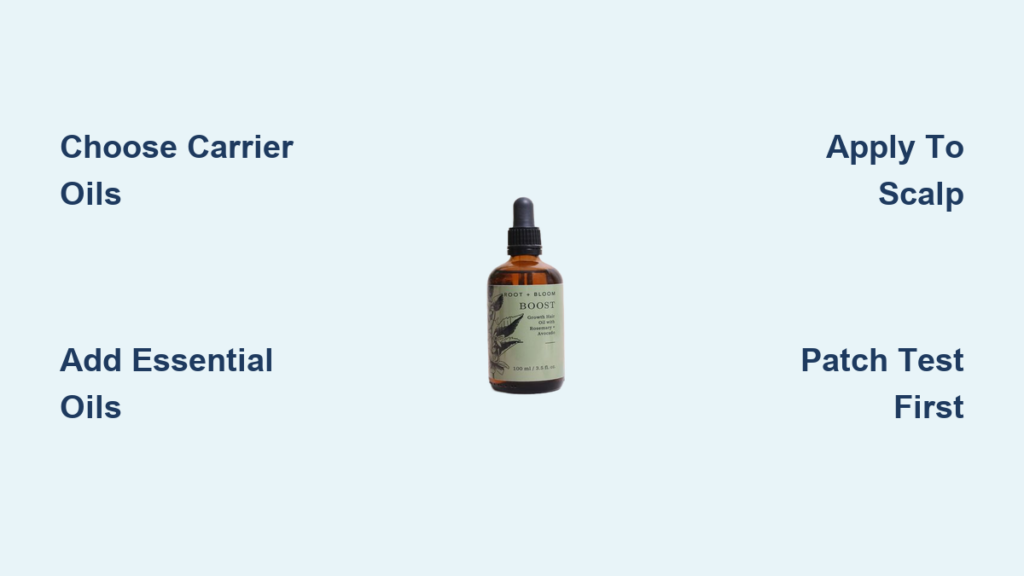
If you’re tired of slow growth, thinning strands, or a dry, flaky scalp, making your own natural hair growth oil could be the game-changer you’ve been searching for. Unlike commercial serums packed with synthetic additives, a DIY natural hair growth oil lets you control every ingredient, delivering pure, potent nourishment straight to your scalp and follicles. The best part? It’s simple, affordable, and backed by both tradition and science.
Natural hair growth oils work by improving scalp health, boosting circulation, reducing inflammation, and delivering essential fatty acids and antioxidants directly to hair roots. When used consistently, these oils can reduce shedding, strengthen hair, and encourage new growth, especially when paired with a healthy lifestyle. This guide walks you through the most effective carrier and essential oils, proven recipes, application techniques, and expert-backed tips to help you create a custom blend that works for your hair type and goals.
Choose the Right Carrier Oils for Your Hair Type

Carrier oils form the base of your blend, diluting potent essential oils while deeply nourishing the scalp and hair shaft. Each oil offers unique benefits, so selecting based on your hair texture, scalp condition, and desired results is essential.
Castor Oil for Thick, Dry Hair
Rich and viscous, castor oil is a powerhouse for stimulating growth. Its high ricinoleic acid content improves blood flow to the scalp, strengthens hair, and locks in moisture. Ideal for curly, coily, or dry textures, but its thickness means it’s best mixed with lighter oils. Use 20 to 50 percent of your total blend to avoid buildup.
Pro Tip: Warm slightly before use for easier application and deeper penetration into the scalp.
Coconut Oil for Damaged or Curly Hair
Fractionated or virgin coconut oil penetrates the hair shaft better than most oils, reducing protein loss and preventing breakage. It’s naturally antimicrobial, making it great for combating dandruff. Best for medium to thick hair, though may be too heavy for fine strands.
Watch Out: Solidifies below 76 degrees Fahrenheit. Store in a warm spot or use the liquid fractionated version to prevent solidification.
Jojoba Oil for Balanced Scalp Health
Jojoba oil mimics the scalp’s natural sebum, making it ideal for all hair types. It regulates oil production, prevents clogged follicles, and absorbs quickly without greasiness. Use as 50 to 100 percent of your carrier base for lightweight, non-comedogenic hydration that won’t weigh hair down.
Argan Oil for Shine and Frizz Control
Packed with vitamin E and fatty acids, argan oil smooths the cuticle, adds shine, and protects against heat and environmental damage. Best for frizzy, medium to thick hair. Though expensive, a little goes a long way. Mix with jojoba or almond oil to stretch the blend while maintaining its benefits.
Sweet Almond Oil for Fine or Sensitive Hair
Lightweight and rich in magnesium and omega-6, sweet almond oil improves elasticity and reduces breakage. Gentle enough for sensitive scalps and fine hair that’s easily weighed down. Low risk of irritation makes it ideal for beginners just starting to make natural hair growth oil.
Black Cumin Seed Oil for Inflamed Scalps
With strong anti-inflammatory and antimicrobial properties, black cumin seed oil calms irritated, itchy, or flaky scalps. Clinical studies show it can increase hair count and thickness. Use at 10 to 20 percent of your blend and patch test first, as some may find it irritating.
Add Essential Oils to Stimulate Growth
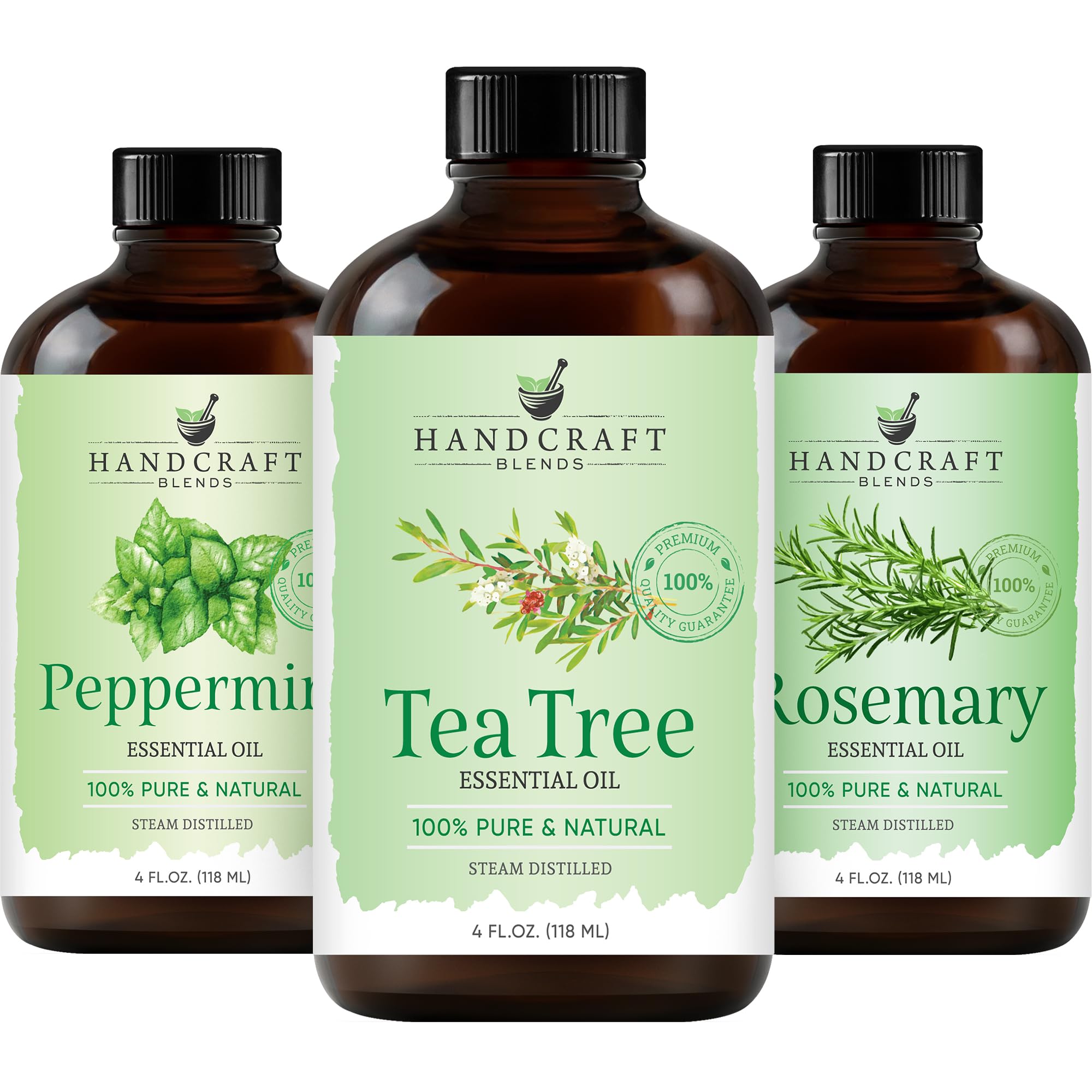
Essential oils are the active ingredients in your blend, potent plant extracts that target hair loss, boost circulation, and support follicle health. Always dilute to 1 to 3 percent, which equals 10 to 18 drops per half cup of carrier oil, to avoid scalp irritation.
Rosemary Oil to Boost Circulation
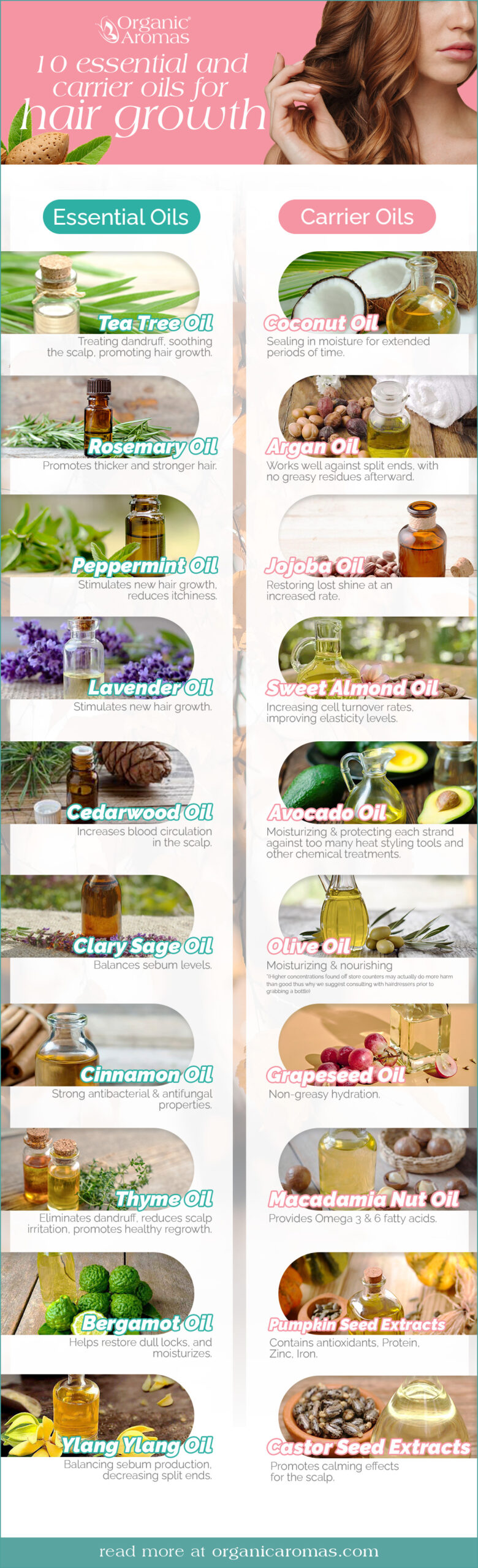
One of the most researched essential oils for hair growth, rosemary stimulates blood flow to follicles and may block DHT, a hormone linked to androgenetic alopecia. Studies show it can be as effective as minoxidil for some users, without the side effects. Use 7 to 10 drops per half cup carrier oil.
Peppermint Oil for Follicle Activation
Known for its cooling tingle, peppermint oil increases dermal thickness and follicle number in animal studies. It wakes up dormant follicles and enhances nutrient delivery. Use sparingly, just 2 to 3 drops per half cup oil, to avoid overstimulation or scalp sensitivity.
Lavender Oil to Promote Cell Regeneration
Lavender supports hair growth at the cellular level and has been shown to induce follicle activity in mice. Its calming scent also helps reduce stress-related shedding, which is a common cause of temporary hair loss. Safe for sensitive scalps and blends well with rosemary or cedarwood.
Tea Tree Oil to Unclog Follicles
A powerful antifungal and antimicrobial, tea tree oil clears sebum and debris from follicles, making it ideal for dandruff-prone or oily scalps. Use just 1 to 2 drops per half cup oil, as too much can dry out the scalp and cause irritation.
Cedarwood Oil for Hormonal Balance
Cedarwood regulates sebum production and has shown promise in improving alopecia areata. Its earthy aroma pairs well with lavender and rosemary. Use 3 to 5 drops per blend for best results without overwhelming the scalp.
Clary Sage Oil to Reduce Stress Hormones
Clary sage helps lower cortisol levels, making it a smart choice for stress-induced hair loss. It also balances scalp oil production and adds a pleasant herbal note to your blend. This oil is particularly beneficial for those experiencing hair thinning due to high stress lifestyles.
Proven Recipes for Natural Hair Growth Oil

These three recipes range from potent to gentle, allowing you to choose what works best for your hair needs. Start with the milder options if you have sensitive skin or fine hair.
Universal Growth Stimulant Blend
This potent formula targets thinning, breakage, and postpartum shedding with circulation-boosting and anti-inflammatory ingredients.
Yield: 3 ounces (90 ml)
Dilution: Approximately 2.5 percent essential oils
Ingredients:
– 60 ml (1/4 cup) castor oil
– 5 ml (1 teaspoon) black cumin seed oil
– 30 ml (2 tablespoons) cayenne-infused olive oil (optional)
– 15 drops rosemary essential oil
– 15 drops lavender essential oil
Optional Cayenne Infusion:
– Combine 1/2 teaspoon cayenne pepper with 30 ml olive or sweet almond oil
– Heat gently in a double boiler for 1 hour, or place in sunlight for 3 to 5 days
– Strain through cheesecloth before adding to your blend
Instructions:
1. Combine all oils in a dark glass dropper bottle
2. Shake well before each use
3. Apply 10 to 30 drops to scalp, sectioning hair for even coverage
4. Massage for 3 to 5 minutes using fingertips
5. Leave on 1 to 8 hours (overnight for deep treatment)
6. Wash with gentle shampoo, double cleansing if needed
Best For: Weekly use on thick, dry, or shedding hair that needs intensive treatment.
Winter Scalp Revitalizer
Designed for cold-weather dryness, this lightweight blend seals in moisture and strengthens hair without clogging pores.
Yield: 1 ounce (30 ml)
Ingredients:
– 30 ml rosemary-infused jojoba or argan oil (infuse 1 teaspoon dried rosemary in oil using solar or heat method for 3 to 7 days, then strain)
Instructions:
1. Store in dark glass bottle
2. Apply 2 to 3 times per week directly to scalp
3. Massage for 2 to 5 minutes
4. Leave on 2 to 4 hours, do not exceed this time
5. Wash with warm (not hot) water
Why It Works: Prevents winter dryness while stimulating circulation without heavy residue that can clog pores.
Customizable Weekly Growth Blend
A flexible, beginner-friendly recipe you can tweak based on your specific needs.
Yield: 1/2 cup (120 ml)
Dilution: 2 to 3 percent
Base:
– 120 ml carrier oil (jojoba, sweet almond, or argan)
Core Essential Oils:
– 7 drops rosemary
– 3 drops tea tree
Optional Boosters:
– 3 drops lavender (soothing)
– 2 drops peppermint (stimulating)
– 2 drops cedarwood (sebum balance)
– 1 drop clary sage (stress support)
Instructions:
1. Mix all oils in a dark glass bottle
2. Shake well before each use
3. Apply to dry, sectioned hair, focusing on the scalp
4. Massage for 3 to 5 minutes
5. Leave for 2 to 5 hours
6. Wash thoroughly
Frequency: Once or twice weekly for best results.
Apply Oil Correctly for Maximum Results
Proper application technique can make or break your hair growth results. Many people fail to see improvements simply because they’re not applying the oil correctly.
Section Hair for Even Coverage
Divide hair into 4 to 6 sections using clips. Apply oil directly to the scalp along part lines using a dropper or pump bottle. This ensures every follicle gets nourished without wasting product on your ends, which don’t need heavy oils.
Massage to Stimulate Blood Flow
Use fingertips, not nails, in small circular motions for 3 to 5 minutes. This boosts circulation, enhances absorption, and reduces scalp tension. For deeper massage, use a silicone scalp massager or jade comb to reach deeper follicles.
Time Your Treatment Right
Light treatments lasting 1 to 2 hours work well for regular maintenance. Deep treatments of 4 to 8 hours or overnight provide intensive nourishment for severely dry or thinning scalps. Avoid leaving heavy oils like castor on too long, as they can clog pores and cause buildup.
Exception: If using cayenne or strong essential oils, limit to 1 to 2 hours to prevent irritation or chemical burns on sensitive skin.
Wash Out Properly
Use a gentle, sulfate-free shampoo. You may need to shampoo twice, especially with castor oil, to fully remove residue. Follow with a light conditioner on ends only to avoid further weighing down your hair.
Avoid Common Mistakes When Making Hair Oil
Understanding what not to do is just as important as knowing the right techniques. These mistakes could be undermining your efforts.
Don’t Overuse Essential Oils
More isn’t better when it comes to essential oils. Over-concentrated blends can cause irritation, dryness, or even increased hair fall. Stick to 1 to 3 percent dilution, which is 10 to 18 drops per half cup of carrier oil. This is strong enough to be effective without causing damage.
Don’t Skip the Patch Test
Apply a dime-sized amount to your inner forearm. Wait 24 hours. If redness, itching, or swelling occurs, avoid scalp use. This is especially important with black cumin, cayenne, or strong essential oils that can cause reactions in sensitive individuals.
Don’t Apply to Hair Ends
Oils on ends can cause greasiness and attract dirt, making your hair look limp and dirty between washes. Focus application on the scalp. Your ends only need conditioner or leave-in treatments, not heavy oils.
Don’t Use Daily
Over-oiling leads to buildup and clogged follicles. Stick to 1 to 2 times per week for best results. Daily use can actually cause the opposite of what you want, creating an environment where follicles cannot breathe or function properly.
Don’t Use Undiluted Essential Oils
Never apply essential oils directly to the scalp. Always dilute in a carrier oil to prevent chemical burns or allergic reactions. Even oils that smell gentle, like lavender, can cause serious irritation when used undiluted.
Support Growth with Lifestyle Habits
Oil application works best when combined with healthy habits that address hair growth from the inside out. The scalp is living tissue that responds to overall health.
Scalp Massage Daily
Even without oil, massaging your scalp 2 to 5 minutes daily increases blood flow and reduces stress. Use a jade comb or fingertips in the shower or before bed. This simple habit can significantly enhance the effectiveness of your natural hair growth oil treatments.
Eat Hair-Boosting Foods
Your hair reflects your internal health. Prioritize protein sources like eggs, fish, and legumes. Include healthy fats from avocado, nuts, and olive oil. Add antioxidant-rich foods like berries, spinach, and sweet potatoes. Drink at least 8 glasses of water daily to keep your scalp hydrated from within.
Manage Stress Effectively
Chronic stress raises cortisol, which can push hair into the shedding phase prematurely. Practice meditation or breathwork, do yoga or take walks in nature, and aim for 7 to 9 hours of quality sleep each night. Stress management is one of the most overlooked factors in hair growth.
Consider Supplements Wisely
Biotin, vitamin D, iron, and collagen may help if you’re deficient. Get blood work done first to identify actual deficiencies before spending money on supplements. Note that high-dose biotin can cause acne in some people, so start with lower doses if recommended.
Store Your Oil Properly
Proper storage preserves the potency of your natural hair growth oil and prevents it from going rancid before you’ve had a chance to use it.
Use Dark Glass Bottles
Amber or cobalt glass blocks UV light, preserving oil potency. Avoid plastic bottles, as essential oils can degrade plastic and leach chemicals into your blend. Dark glass is an investment that pays off in longer-lasting, more effective oil.
Keep Cool and Dry
Store in a cabinet away from sunlight, heat, and humidity. Do not keep in the bathroom, as steam from showers shortens shelf life significantly. A pantry or closet works better than any bathroom cabinet.
Know Shelf Life
Carrier oils last 6 to 12 months, while jojoba and fractionated coconut can last up to 2 years. Essential oils last 1 to 3 years depending on the type. Infused oils like cayenne mixtures last only 3 to 6 months, so use them fresh. Always label your bottle with the date made.
Expect Realistic Results Over Time
Hair growth is a marathon, not a sprint. Understanding the timeline helps you stay motivated and consistent with your routine.
After 2 to 4 weeks, your scalp should feel less dry, flaky, or itchy, and your hair will likely look shinier. Between 4 and 8 weeks, shedding decreases and ends feel stronger. Around 3 to 6 months, new baby hairs appear along the hairline and crown, with increased thickness overall. After 6 months or more, you’ll see noticeable improvement in density and growth rate with consistent use.
Average growth is about half an inch per month. Genetics, age, and overall health play a role, so patience and consistency are key to seeing results from your natural hair growth oil.
Safety First
Before using any new oil blend on your scalp, take these precautions to ensure safe use.
Patch test every new oil, especially black cumin, cayenne, or strong essential oils. Apply a small amount to your inner arm and wait 24 hours. Avoid photosensitizing oils like citrus (lemon, bergamot) unless washed out completely before sun exposure. Consult your doctor if you’re pregnant, breastfeeding, or managing hormonal conditions. Keep all oils away from children, as some essential oils like peppermint are not safe for young kids.
Frequently Asked Questions About Making Natural Hair Growth Oil
How long does it take to see results from natural hair growth oil?
Most users see initial improvements in scalp health within 2 to 4 weeks, with visible new growth appearing around 3 to 6 months. Consistent application 1 to 2 times per week is key to seeing results.
Can I use natural hair growth oil on colored or chemically treated hair?
Yes, but choose lighter oils like jojoba or sweet almond that won’t weigh down processed hair. Avoid heavy oils that may strip color or cause buildup. Always do a patch test first, as chemically treated hair can be more sensitive.
What’s the best carrier oil for fine hair?
Sweet almond oil or jojoba oil work best for fine hair because they’re lightweight and won’t weigh strands down. Avoid heavy oils like castor oil, which can make fine hair look limp and greasy.
How often should I apply hair growth oil?
Apply natural hair growth oil 1 to 2 times per week. Over-application leads to clogged follicles and buildup. Consistency matters more than frequency when using these treatments.
Can I leave hair growth oil on overnight?
Yes, you can leave most blends on overnight for deep treatment, but avoid leaving strong oils like cayenne or high-concentration essential oils on longer than 1 to 2 hours. Heavy oils like castor should also be washed out within a few hours to prevent pore clogging.
Key Takeaways for Making Your Own Natural Hair Growth Oil
Making your own natural hair growth oil is a simple, empowering way to take control of your hair health. Start by choosing carrier oils that match your hair type, whether that’s rich castor oil for thick, dry hair or lightweight jojoba for fine strands. Add essential oils like rosemary and peppermint at proper dilution (1 to 3 percent) to stimulate follicles without causing irritation.
Apply your blend correctly by focusing on the scalp, massaging for 3 to 5 minutes, and washing out thoroughly after 1 to 8 hours depending on the treatment intensity. Avoid common mistakes like over-diluting essential oils, skipping patch tests, or using the oil too frequently. Support your efforts with a healthy diet, stress management, and regular scalp massage.
Store your creation in dark glass bottles away from heat and light, and expect to wait 3 to 6 months for significant growth results. With patience, consistency, and the right ingredients, your scalp will thank you for the nourishing care you’ve provided.