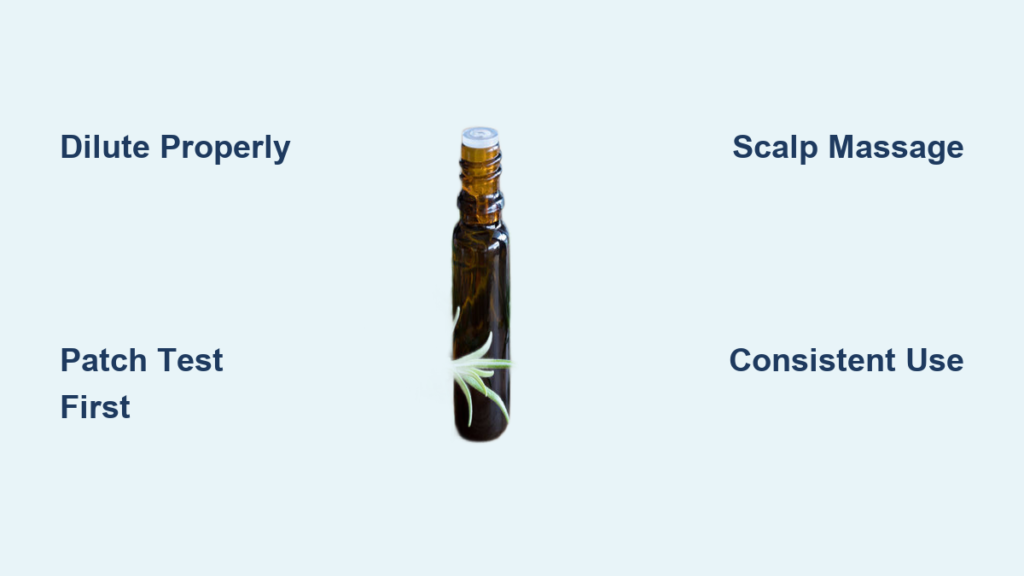
If you’re searching for a natural way to support thicker, healthier hair, rosemary essential oil might be exactly what you need. Extracted from the fragrant leaves of Rosmarinus officinalis, this potent oil has scientific backing for stimulating hair growth, reducing shedding, and improving scalp health, with results comparable to 2% minoxidil in clinical trials. However, getting real benefits requires knowing how to apply it correctly.
Unlike commercial hair serums, rosemary essential oil is not meant to be used straight from the bottle. It must be diluted properly, applied with consistency, and used over time. This guide covers every safe and effective method for using rosemary oil on your hair, from scalp massages to DIY shampoos, so you can avoid common mistakes and maximize results.
Choose the Right Carrier Oil for Your Scalp

The carrier oil you mix with rosemary essential oil directly affects how well it absorbs, how greasy your hair feels, and how effective the treatment becomes. Each oil has unique properties suited for different hair and scalp needs.
Match Oil to Your Scalp Type
Selecting the appropriate carrier oil is essential for both comfort and results. Consider your scalp condition and hair texture when making your choice.
• Jojoba oil mimics your scalp’s natural sebum, making it ideal for all hair types, including oily or acne-prone scalps. It spreads easily and won’t clog follicles.
• Coconut oil deeply penetrates the hair shaft, offering intense moisture and antimicrobial protection. Best for dry, damaged, or thick hair but can weigh down fine strands.
• Argan oil is lightweight and rich in vitamin E, perfect for frizzy, curly, or chemically treated hair. Adds shine without heaviness.
• Sweet almond oil is mild and nourishing, great for sensitive scalps and fine to medium textures.
• Grapeseed oil is light and high in linoleic acid, excellent for oily scalps or those prone to scalp acne.
Pro Tip: Jojoba oil is the top dermatologist-recommended carrier due to its biocompatibility and non-comedogenic nature.
Dilute Properly for Safe Application
Applying undiluted rosemary essential oil can cause burning, redness, or allergic reactions. Always dilute before use, especially for leave-on applications.
Use Correct Drop-to-Oil Ratios
Following proper dilution ratios ensures safety while maintaining effectiveness. Use this reference table for different use cases.
| Use Case | Carrier Oil | Rosemary Oil | Final Strength |
|---|---|---|---|
| Sensitive or daily use | 1 tbsp (15 mL) | 2–3 drops | ~1% |
| Standard scalp treatment | 1 tbsp (15 mL) | 4–5 drops | ~2% |
| Intensive pre-wash | 1 tbsp (15 mL) | 6 drops | ~3% |
| Shampoo boost (per oz) | 30 mL shampoo | 5–6 drops | ~1–2% |
Golden Rule: Never exceed a 3% dilution (about 18 drops per ounce) on the scalp.
Perform a Patch Test Before Full Application
Even with proper dilution, some people may react to rosemary oil. A patch test takes minutes and prevents painful irritation.
Avoid Allergic Reactions
Skipping this step can lead to unwanted reactions on your scalp. Take this precaution seriously.
• Mix 1 drop of rosemary oil with 1 teaspoon of carrier oil.
• Apply behind your ear or on your inner elbow.
• Wait 24 hours.
• If no redness, itching, or swelling appears, it’s safe to use on your scalp.
Warning: Discontinue immediately if you feel burning or develop a rash.
Apply with Scalp Massage for Better Absorption

One of the most effective ways to use rosemary oil is through a targeted scalp massage, combining the oil’s biochemical benefits with physical stimulation.
How to Massage Your Scalp Correctly
Massage increases microcirculation, delivering oxygen and nutrients to follicles while helping active compounds like carnosic acid penetrate deeper.
- Mix 4–6 drops of rosemary oil into 1 tablespoon of carrier oil.
- Part your hair into sections to expose the scalp.
- Use your fingertips (not nails) to massage the oil in small circles across your scalp.
- Focus on thinning areas, including crown, temples, and hairline.
- Massage for 5–10 minutes to boost blood flow.
- Leave on for 30 minutes minimum, or overnight for deeper penetration.
Frequency
• 2–3 times per week is ideal for most people.
• Can increase to daily with a 1% dilution if tolerated.
Why It Works: The mechanical action of massage combined with rosemary’s active compounds creates an optimal environment for hair follicle stimulation.
Try a Hot Oil Treatment for Deep Penetration
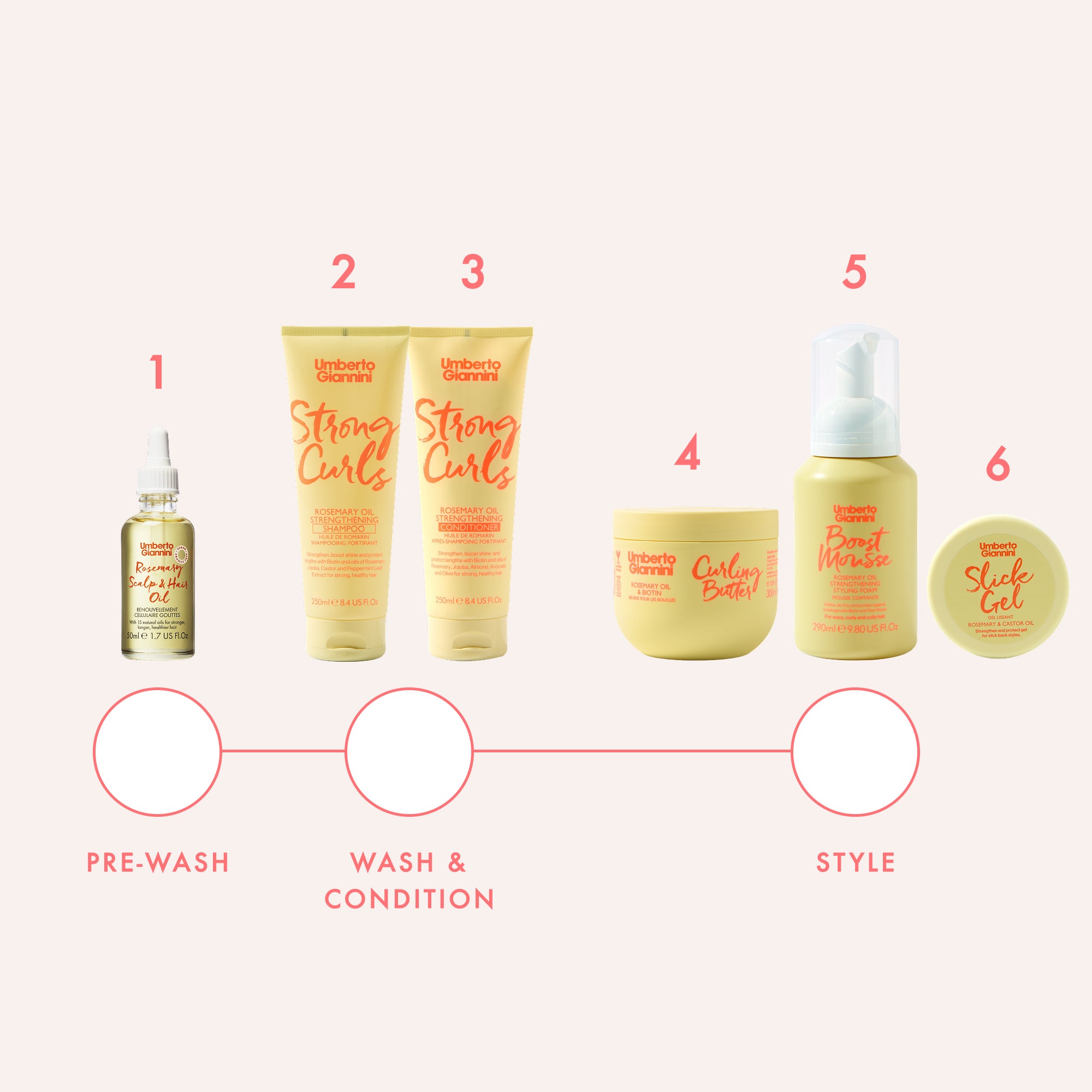
A warm oil treatment enhances absorption and delivers rosemary’s benefits directly to follicle roots, perfect for dry, brittle, or slow-growing hair.
Steps for Effective Hot Oil Treatment
Heat opens pores and improves vasodilation, increasing the oil’s effectiveness significantly.
- Prepare your diluted blend (e.g., 4 drops rosemary + 1 tbsp jojoba oil).
- Warm the oil slightly by placing the container in a bowl of hot water. Never microwave.
- Apply directly to dry scalp and roots.
- Cover hair with a warm towel or shower cap.
- Leave for 30–60 minutes (or up to 2 hours).
- Shampoo thoroughly, which may require two washes.
Bonus: The warmth dramatically improves how deeply the oil penetrates.
Infuse Your Shampoo or Conditioner
If you’re short on time, adding rosemary oil to your existing hair products provides a low-effort way to get consistent exposure without extra steps.
How to Add Rosemary Oil to Hair Products
This method offers gentle daily exposure that supports long-term results.
• For shampoo: Mix 2–5 drops per ounce (30 mL) in your palm before lathering.
• For conditioner: Use the same ratio, but avoid applying heavy conditioner to roots if you have oily hair.
Caution: Don’t add essential oils to water-based products unless using them quickly, as bacteria can grow in unpreserved mixtures.
Make a DIY Hair Serum for Targeted Treatment
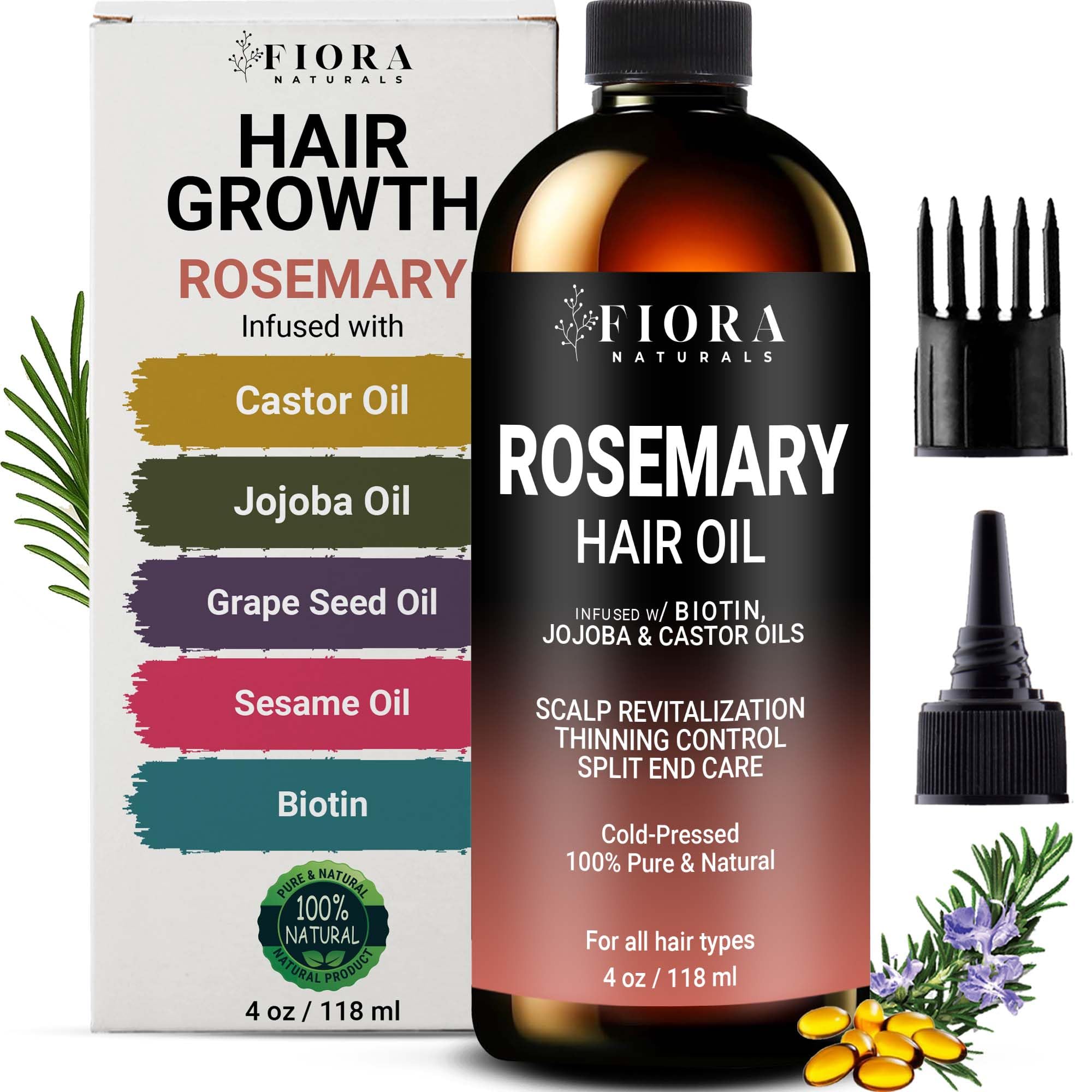
A homemade serum lets you target problem zones with a ready-to-use blend that stays fresh for months.
Simple Recipe for a 2 oz Bottle
Custom blends allow precise application to thinning areas.
• Fill a dark glass dropper bottle with jojoba or argan oil.
• Add 12 drops rosemary essential oil (approximately 2% dilution).
• Optional: 6 drops lavender (soothing), 4 drops cedarwood (thickening).
How to Use
• Shake well before each use.
• Apply 4–6 drops directly to thinning areas.
• Massage for 3–5 minutes.
• Leave in overnight or for several hours.
Storage Tip: Keep in a cool, dark place. Shelf life is 6 months for oil blends.
Target Thinning Zones Strategically
Hair loss often starts in predictable areas like the crown, temples, or hairline. Concentrating application where follicles are still active but weakening yields the best results.
Focus Where Growth Matters Most
Early intervention in miniaturizing follicles offers the highest chance of reversal.
• Use a dropper or rollerball bottle for precision.
• Apply diluted oil directly to the skin, not just hair strands.
• Massage gently to drive the oil into follicles.
• Use nightly or every other day for best results.
Key Insight: Targeting active follicles in early-stage thinning produces better outcomes than treating completely dormant areas.
Protect Ends and Reduce Frizz
While rosemary oil won’t grow new hair on split ends, it can smooth, shine, and protect the lengths of your hair when applied correctly.
Application for Hair Ends
This method enhances manageability and reduces breakage but does not stimulate growth.
- Warm 1–2 drops of diluted blend between palms.
- Smooth over mid-lengths to ends.
- Use as needed between washes.
Note: Focus on the scalp for growth benefits; apply to ends purely for cosmetic improvement.
Avoid Common Mistakes
Many people fail to see results because they make simple errors. Learning what to avoid saves time and prevents frustration.
Prevent Irritation and Wasted Effort
These pitfalls derail progress more than anything else.
• Using undiluted oil: Causes burns and inflammation. Always dilute.
• Overapplying: Leads to greasy hair and buildup. Start with 1 tablespoon of blend.
• Inconsistent use: Hair growth cycles are slow. Skipping treatments stalls progress.
• Expecting fast results: Most see less shedding in 4–6 weeks, but visible regrowth takes 8–12 weeks or more.
• Using low-quality oil: Choose 100% pure, therapeutic-grade rosemary oil from reputable brands.
Pro Tip: Pair your routine with a weekly clarifying shampoo to prevent residue buildup, especially if using coconut oil.
Know When to Expect Results
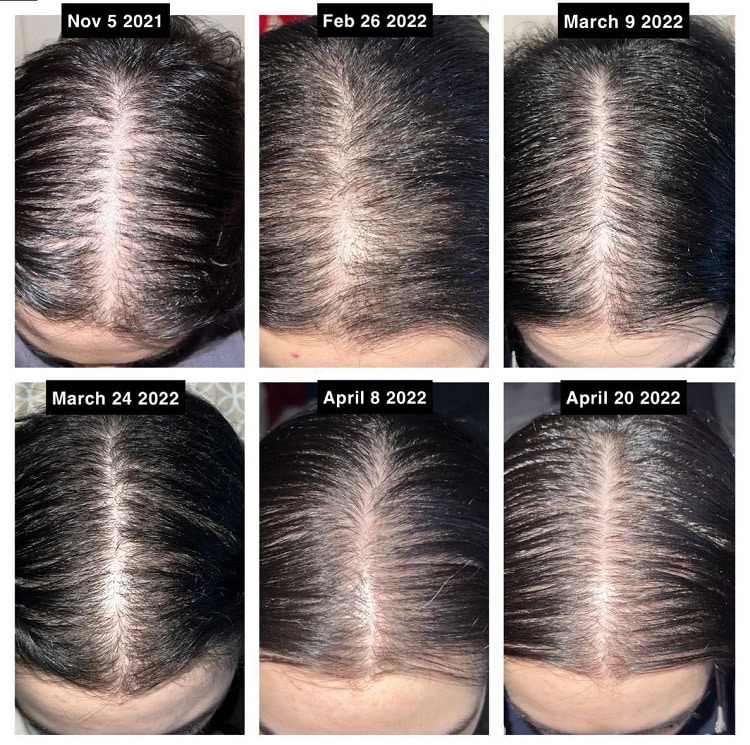
Hair grows slowly, about half an inch per month, and results depend on your starting point, genetics, and consistency.
Track Progress Realistically
Understanding the timeline prevents premature abandonment of a potentially effective routine.
• Weeks 1–4: Monitor for irritation. Shedding may temporarily increase (normal during transition).
• Weeks 4–6: Reduced daily hair fall is often the first sign of improvement.
• Weeks 8–12: Increased density, baby hairs, or improved texture may appear.
• Months 3–6: Clinical studies show measurable thickening comparable to minoxidil.
Expert Advice: Stick with it for at least 6 months before deciding if it works for you.
Combine with Other Oils Safely
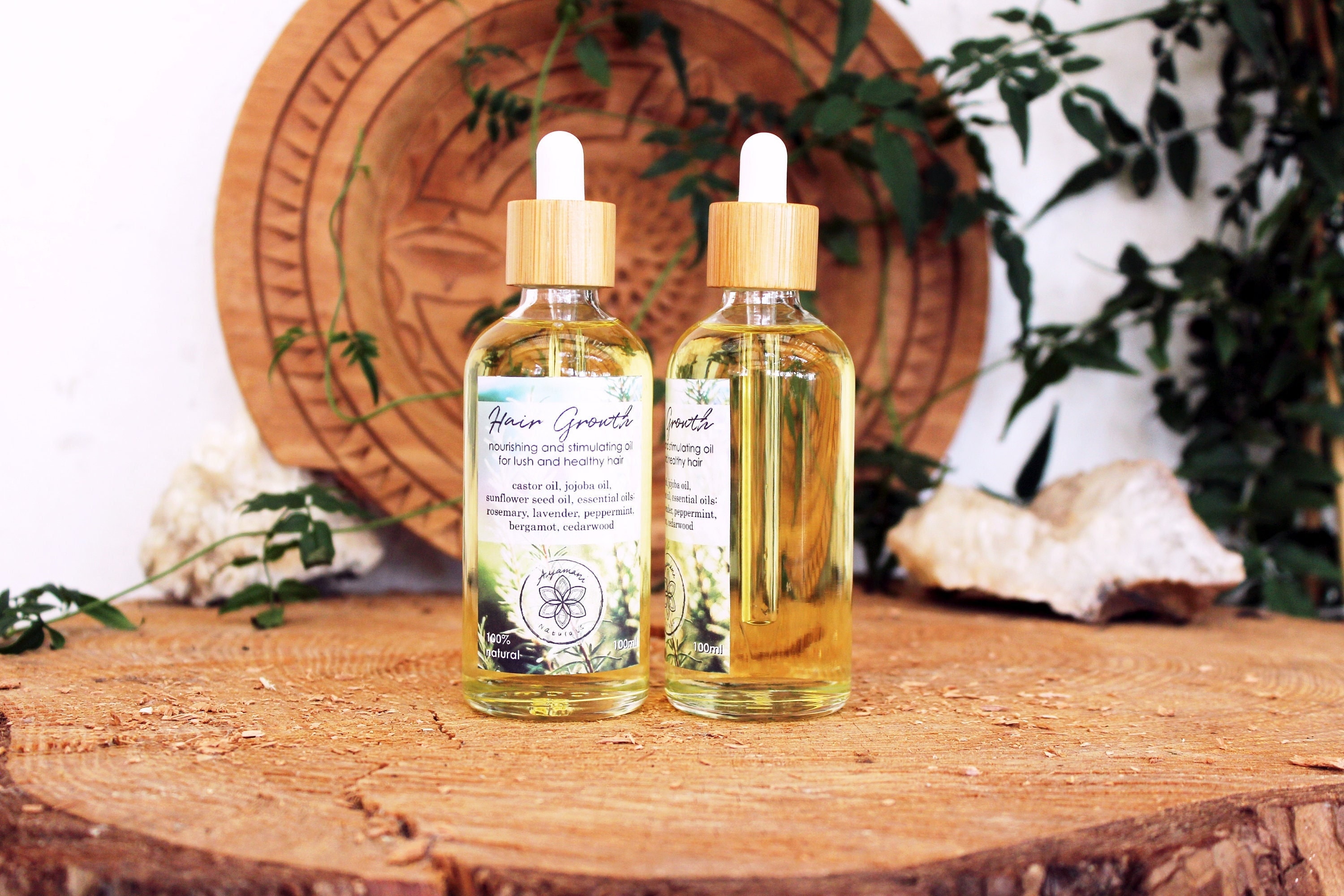
Rosemary oil pairs well with other essential oils known for hair benefits, but always keep total concentration under 3%.
Enhance Effects with Synergistic Blends
Certain combinations amplify benefits through complementary mechanisms.
• Rosemary + Lavender: Soothes scalp and promotes growth (studied in humans).
• Rosemary + Peppermint: Provides cooling sensation and increases circulation.
• Rosemary + Cedarwood: Supports follicle health and thickness.
Blend Example: 6 drops rosemary + 4 drops cedarwood + 2 drops lavender in 1 ounce of carrier oil.
Warning: Don’t layer with prescription treatments like minoxidil without consulting a dermatologist, as this risks irritation or over-absorption.
Follow Safety Guidelines
While generally safe, rosemary essential oil isn’t for everyone. Know your contraindications.
Who Should Avoid Rosemary Oil
Certain conditions require extra caution or avoidance entirely.
• Pregnant or breastfeeding: May stimulate uterine contractions.
• Allergic to mint family plants: Rosemary is in the Lamiaceae family.
• Have open wounds, infections, or severe scalp conditions: Like psoriasis or eczema. Consult a dermatologist first.
Eye Contact Alert: Never apply near eyes. If contact occurs, rinse immediately with cold water.
Maximize Long-Term Success
The key to seeing results isn’t just applying oil; it’s doing it consistently, safely, and smartly over time.
Build a Sustainable Routine
Long-term success requires habits you can maintain realistically.
• Start with 2 applications per week.
• Use high-quality, cold-pressed carrier oils.
• Customize dilution based on your scalp’s sensitivity.
• Take monthly photos to track subtle changes.
• Support with balanced nutrition, stress reduction, and gentle hair care.
Final Note: Rosemary essential oil isn’t a miracle cure, but when used correctly, it’s one of the most accessible, evidence-backed natural options for healthier hair and scalp. With patience and precision, it can become a powerful part of your hair wellness journey.
Frequently Asked Questions About Applying Rosemary Essential Oil to Hair
Can I apply rosemary essential oil directly to my hair without dilution?
No. Pure rosemary essential oil must always be diluted in a carrier oil or hair product before application. Direct application can cause irritation, dryness, or allergic reactions on your scalp.
How often should I apply rosemary oil to hair for growth?
Two to three times per week is optimal for most people. Daily use is acceptable with mild formulations (1% dilution). Adjust frequency based on your scalp response and hair type.
What is the best carrier oil to mix with rosemary oil for hair?
Jojoba oil is most recommended because it mimics natural sebum and has excellent scalp compatibility. Coconut, argan, and sweet almond oils are also effective alternatives.
How long does it take to see results from rosemary oil on hair?
Most users notice reduced shedding within 4–6 weeks. Visible thickening or regrowth typically appears after 8–12 weeks of consistent use. Full results may take 3–6 months.
Can I leave rosemary oil in my hair overnight?
Yes. Overnight application allows extended absorption. Massage in diluted oil, cover your hair with a towel or silk bonnet, and wash it out in the morning.
Does rosemary oil help with hair growth?
Research suggests it may support hair regrowth, particularly in cases of androgenic alopecia. A 2015 clinical trial found it as effective as 2% minoxidil after 6 months, with less scalp itching.
Can I combine rosemary oil with other hair growth essential oils?
Yes. Common synergistic blends include rosemary with lavender, peppermint, or cedarwood. Ensure total essential oil concentration remains below 3% to avoid irritation.
Key Takeaways for Applying Rosemary Essential Oil to Hair
Rosemary essential oil represents one of the most scientifically supported natural options for hair health, but success depends entirely on proper application. The most critical factors are diluting the oil correctly (never exceeding 3% concentration), choosing an appropriate carrier oil for your scalp type, and maintaining consistency over at least 3–6 months. Starting with a patch test prevents allergic reactions, and targeting thinning areas with regular scalp massage maximizes follicle stimulation. Remember that hair growth is a slow process, so patience and realistic expectations are essential. With the right approach, rosemary oil can become a valuable tool in your natural hair care routine.