Greasy roots can ruin an otherwise great hairstyle, especially when you are traveling, short on time, or trying to stretch days between washes. The good news? You do not need water to refresh your scalp. How to remove oil from scalp without washing hair is a common question with several effective solutions. This guide covers proven methods from immediate oil absorbers to long-term habits that keep your scalp looking fresh without stripping its natural moisture.
Use Dry Shampoo to Absorb Oil Fast
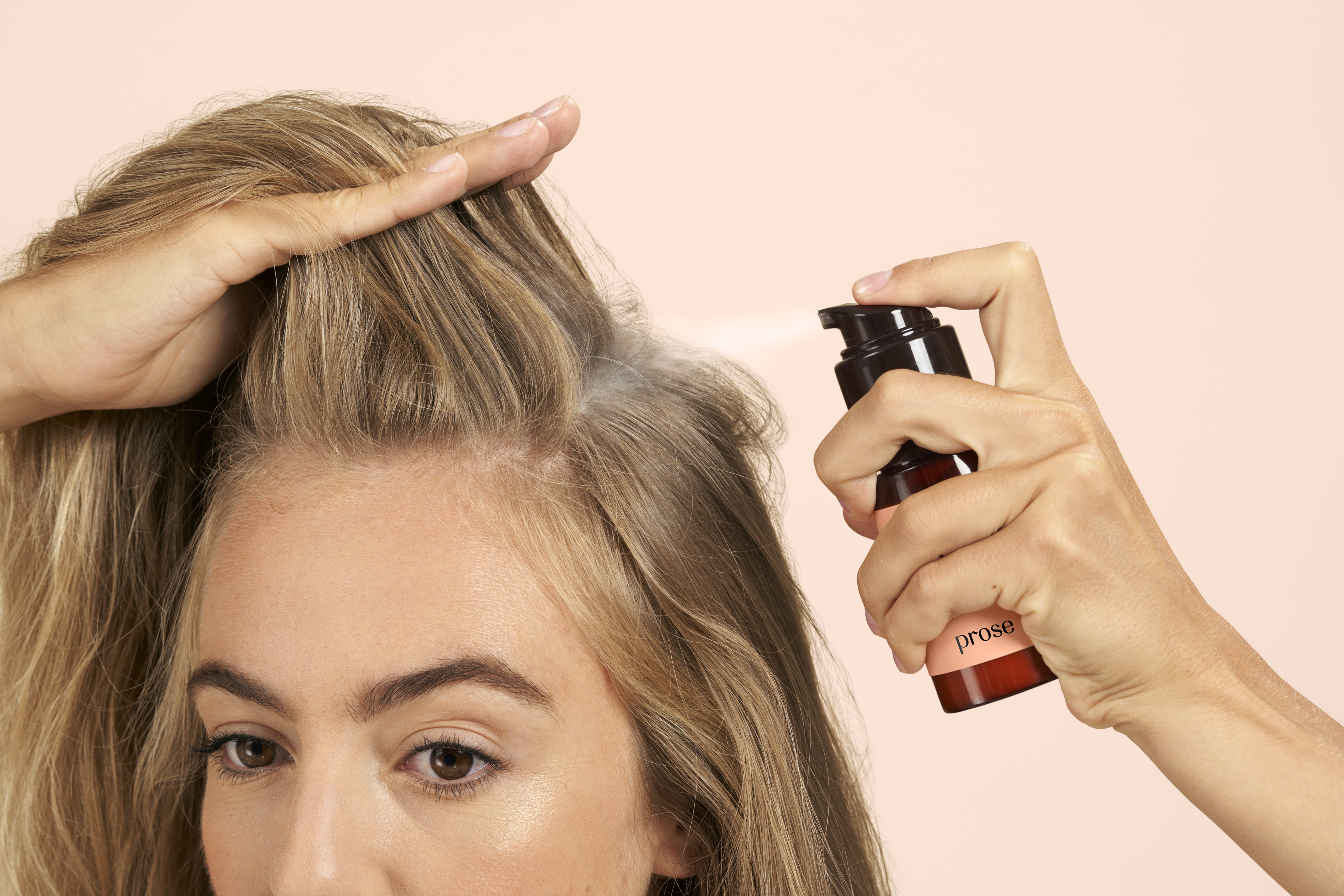
Dry shampoo is the most popular solution for oily roots and one of the fastest ways to refresh hair without water. It works by absorbing excess sebum at the roots, leaving hair looking and feeling cleaner.
Apply Dry Shampoo Correctly for Best Results
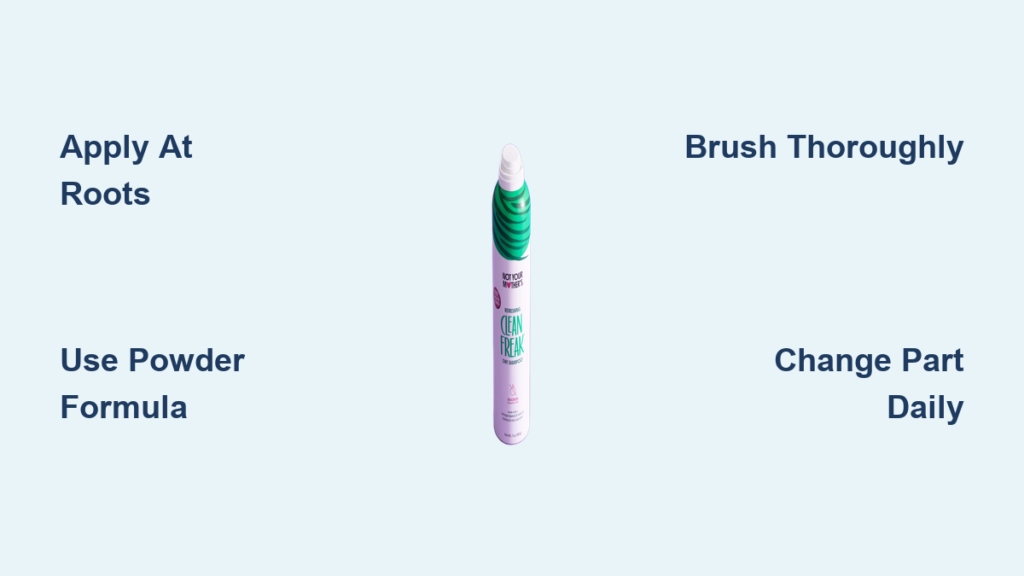
Hold the can 6 to 8 inches from your scalp and spray directly at the roots, focusing on the part line and crown where oil builds up fastest. Let it sit for 1 to 2 minutes so the formula can fully absorb sebum before massaging or brushing it out. Lift sections of hair to ensure even coverage underneath for best results.
Choose the Right Formula for Your Hair Type
Aerosol sprays work quickly and disperse evenly, while powder versions offer more control for targeted application. Pre-moistened dry shampoo wipes are ideal for travel or daytime touch-ups. If you have dark hair, opt for tinted formulas or use a brush-on powder to avoid white residue.
Try Natural Absorbing Powders
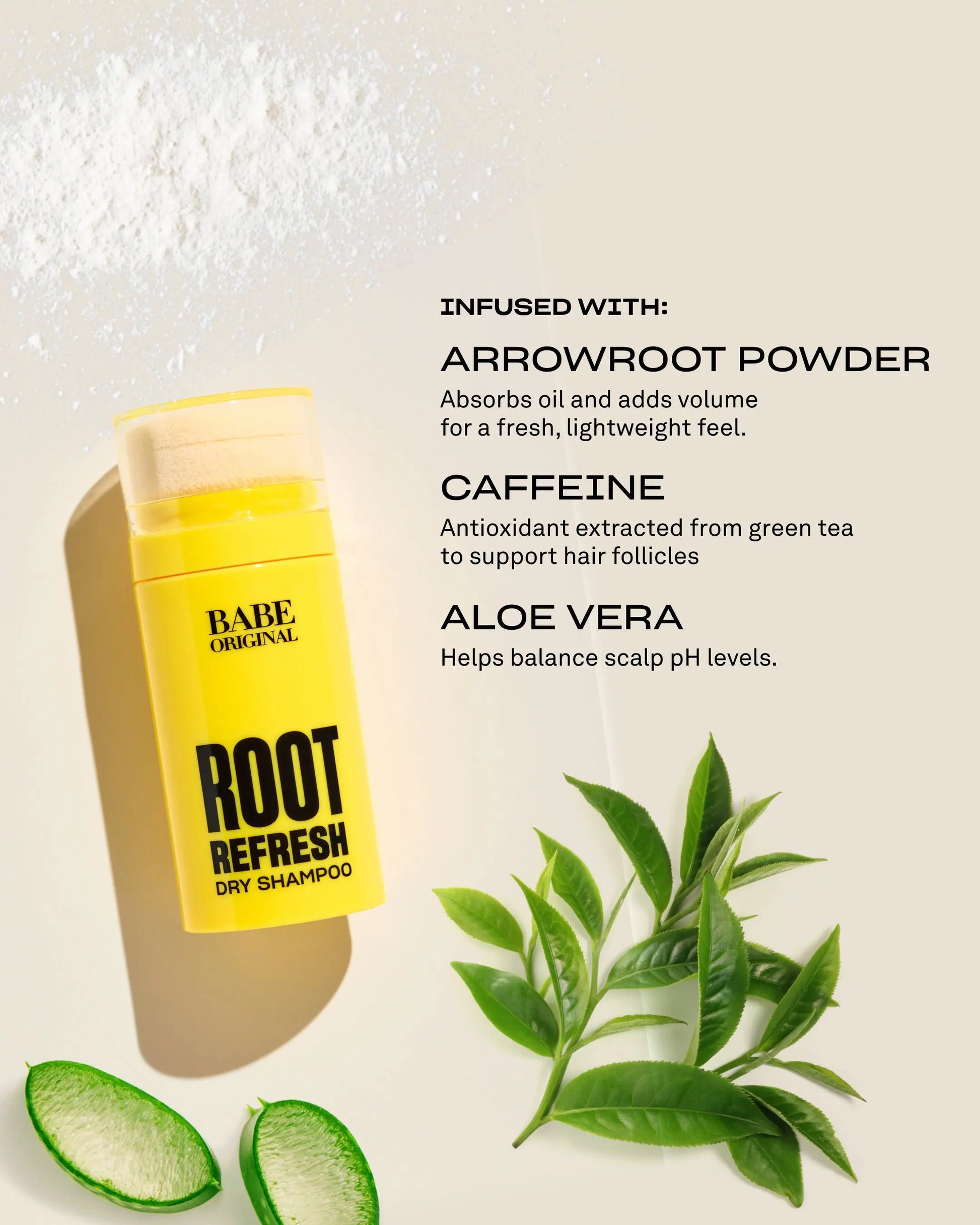
Natural powders offer a gentle yet effective way to soak up scalp oil when you want to avoid chemicals.
Cornstarch and Arrowroot Work Like Dry Shampoo
These kitchen staples are highly absorbent and safe for most scalp types. Dust a small amount onto oily roots using your fingers, a makeup brush, or a shaker bottle. Let it sit for 2 to 5 minutes, then brush thoroughly to remove any leftover powder.
Use plain cornstarch or arrowroot for light hair. For dark hair, mix 1 part cocoa powder with 3 parts cornstarch to blend in seamlessly. Both are inexpensive, widely available, and free of synthetic additives, making them perfect for sensitive scalps.
Baking soda for Deep Oil Absorption
Sprinkle a light layer of baking soda at the roots or mix with water in a spray bottle for even distribution. It pulls out oil and sweat, making it ideal after workouts or humid days.
Use baking soda sparingly because it has a high pH around 9, which can disrupt your scalp is natural acidity of 4.5 to 5.5. This disruption may cause dryness or irritation with frequent use.
Blot Excess Oil Instantly
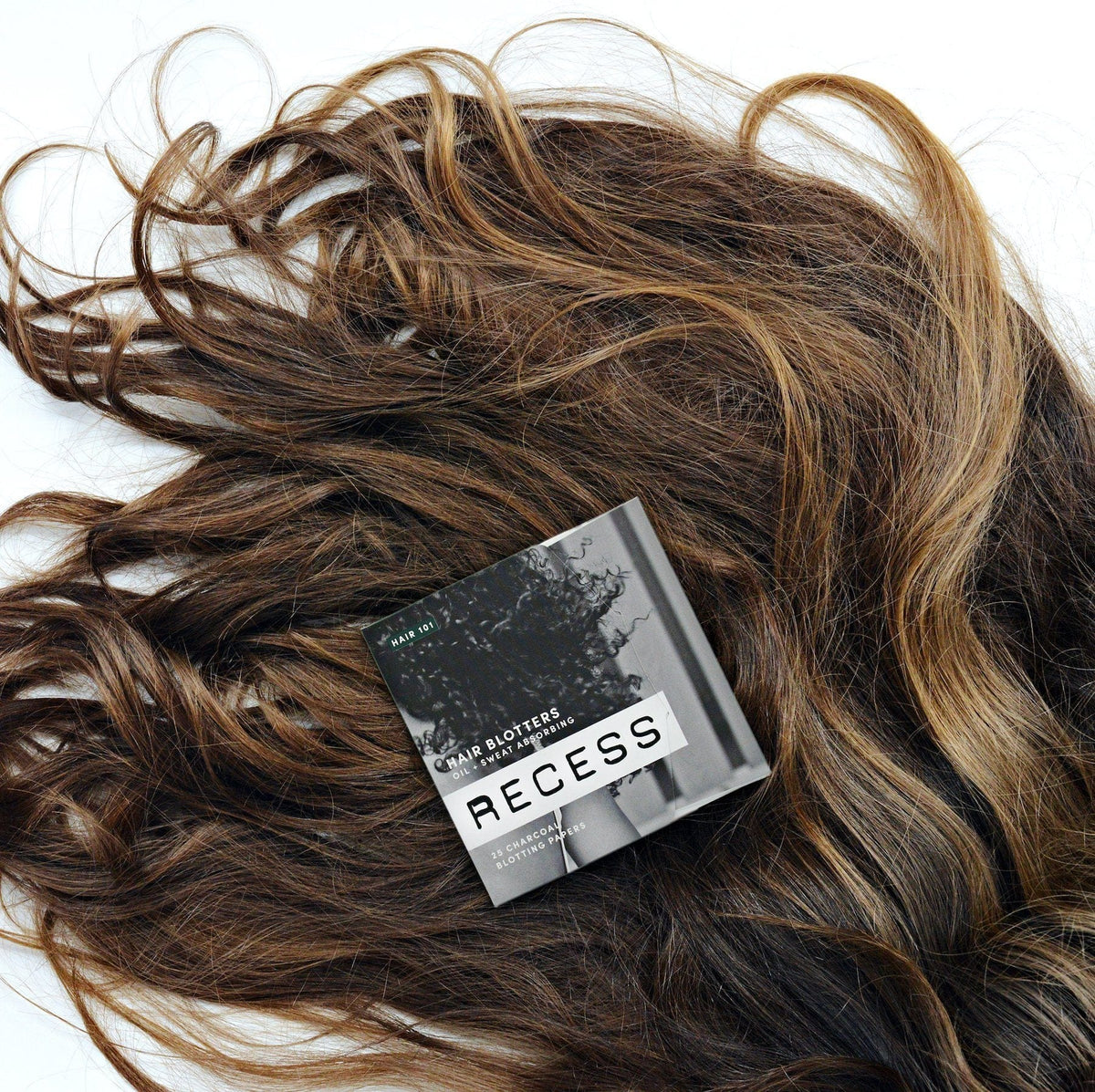
Sometimes you need a fast fix, especially during work, events, or travel.
Use Facial Blotting Papers on Your Scalp
Gently press oil-absorbing sheets along your part and greasy areas. Do not rub because this spreads oil and may disturb your style. While blotting papers will not eliminate oil, they provide an instant matte finish and reduce shine.
This method is discreet, requires no tools, and fits easily in a purse or pocket. It works best for quick touch-ups and provides a temporary but immediate effect.
Redistribute Oil with the Right Brushing Technique
Instead of removing oil completely, sometimes the best strategy is to spread it evenly from roots to ends.
Brush with a Boar Bristle Brush
Natural bristle brushes mimic the way oils move from root to tip in healthy hair. Start at the scalp and brush gently toward the ends to distribute sebum. This reduces greasiness at the roots while adding moisture to dry or damaged lengths.
Use a brush with dense, soft bristles and brush in slow, deliberate strokes. Combine with dry shampoo by applying it first, then brushing to blend and enhance absorption. This technique adds shine, prevents split ends, and extends time between washes.
Try a Scalp Massage Brush
Specialized scalp brushes stimulate circulation and lift flattened roots. Use in circular motions along the part to refresh flat, oily sections without over-brushing.
Change Your Part or Style for Instant Results
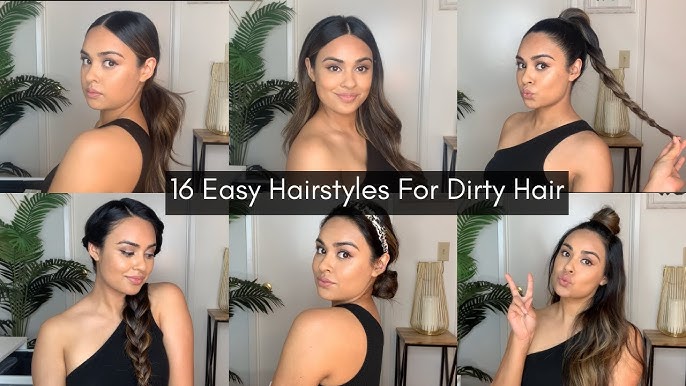
A simple styling shift can make oily hair look instantly cleaner.
Switch Your Part Location
Moving your part, even by an inch, exposes dry sections and hides greasy zones. Alternate between left, right, and center parts daily to prevent oil from pooling in one area. This creates visual volume and breaks up the flattened look of oily roots.
Wear Hair Up Strategically
Updos like loose buns, braids, or messy topknots conceal oily roots while keeping hair off your face. Sleek topknots use natural oils to smooth flyaways, turning greasiness into a styling advantage. Textured ponytails add volume and distraction from shine at the crown.
Avoid tight styles that pull on the scalp and trigger more oil production. Wear hair down on clean days to delay oil spread, as pulling it back too soon speeds up greasiness.
Prevent Oil Buildup with Smart Daily Habits
Long-term control starts with daily choices that minimize oil transfer and overproduction.
Stop Touching Your Hair
Your hands carry natural oils, dirt, and bacteria. Twirling, scratching, or constantly running fingers through your hair deposits these onto the scalp, speeding up greasiness. Keep hands away from your hair, especially after touching your face or phone.
Clean Your Tools Weekly
Dirty brushes and combs redeposit oil and dead skin every time you style. Wash them weekly with mild shampoo and warm water. Remove trapped hair after each use to prevent clogging.
Change Pillowcases Frequently
Sleeping on the same pillowcase for days transfers oil back to your scalp. If you have oily hair, change it every 2 to 3 days. Silk or satin pillowcases reduce friction and absorb less oil than cotton.
Avoid Heavy Products at Roots
Conditioners, oils, and creams applied near the scalp weigh hair down and amplify greasiness. Apply leave-ins only to mid-lengths and ends. Choose lightweight, oil-free, or volumizing formulas labeled for fine or oily hair. Avoid silicones, which are ingredients ending in “cone,” because they build up and attract oil over time.
Soothe and Refresh Your Scalp with Natural Remedies
Natural treatments can clarify and balance your scalp without water.
Apply Witch Hazel to Tighten Pores
Soak a cotton pad with witch hazel and swipe it along oily areas. This natural astringent tightens pores, reduces shine, and calms irritation. It also helps with dandruff or itchiness due to its anti-inflammatory and antifungal properties. Witch hazel is gentle enough for daily spot use.
Use Diluted Apple Cider Vinegar
Mix 1 part apple cider vinegar with 3 parts water in a spray bottle. Mist onto greasy roots and let sit for 2 to 3 minutes. This balances scalp pH, removes buildup, and reduces frizz and odor. Rinse if using a large amount, but for spot treatment, you can leave it in and brush out later.
Try Aloe Vera for Lightweight Cleansing
Apply a thin layer of pure aloe vera gel to oily spots. Leave for 10 to 15 minutes, then brush out or wipe with a damp cloth. The enzymes in aloe vera naturally break down excess oil while soothing inflammation. It is non-greasy and safe for sensitive skin.
Optimize Your Routine for Lasting Freshness

Even without washing, small product and routine changes make a big difference.
Clarify Periodically Between Washes
While not a no-wash method, using a clarifying shampoo once every 1 to 2 weeks removes hidden buildup that traps oil and makes hair look dirty faster. This prevents dullness and extends freshness between washes.
Choose Lightweight Styling Products
Look for labels like “volumizing,” “oil-free,” or “for fine or oily hair.” Avoid heavy creams and butters. Instead, use root-lifting sprays to add fullness without greasiness.
Frequently Asked Questions About Removing Oil from Scalp Without Washing
Does dry shampoo actually remove oil or just cover it?
Dry shampoo absorbs oil at the roots, physically pulling sebum away from the scalp. It does not remove oil permanently but creates a cleaner appearance that can last for hours. The oil is still there but is not visible, and it will eventually need to be washed out.
How often can I use dry shampoo without damaging my hair?
Limit dry shampoo use to 2 to 3 times between washes. Overusing it can clog hair follicles and cause scalp irritation. Follow up with a clarifying shampoo weekly to remove any buildup.
Can I use baby powder instead of dry shampoo?
Baby powder contains talc, which absorbs oil, but it may leave a white residue that is difficult to brush out. cornstarch and arrowroot powder are better alternatives because they are finer and blend more easily, especially in dark hair.
Why does my hair get oily so quickly after washing?
Hair may become oily quickly due to over-washing, which strips natural oils and triggers the scalp to produce more sebum to compensate. Using heavy products at the roots, touching your hair frequently, or wearing it pulled back too often can also accelerate oil production.
Is it bad to go days without washing my hair?
Not necessarily. Many people can go 2 to 4 days between washes without issues. Going longer may cause buildup, odor, or scalp irritation. The key is using the right techniques to manage oil between washes and maintaining good scalp hygiene.
Key Takeaways for Managing Oily Scalp Without Washing
You do not need to wash your hair to beat greasy roots. With the right combination of absorbing agents, redistribution techniques, and smart habits, you can keep your scalp looking fresh for days. Start with dry shampoo or blotting papers for instant results, then build in natural powders and proper brushing for longer-term balance. Support your efforts with clean tools, fresh pillowcases, and behavioral changes like avoiding constant hair touching. Avoid overuse of harsh absorbents like baking soda, and always choose lightweight products that will not weigh your roots down. By mastering how to remove oil from scalp without washing hair, you will save time, protect hair health, and maintain confidence no sink required.