
If you’re trying rosemary essential oil to boost hair growth or reduce thinning, dilution is non-negotiable. Pure rosemary oil is too strong for direct scalp application and can cause burning, redness, or irritation. When diluted properly, it safely stimulates blood flow to hair follicles, improves hair density, and supports a healthy scalp environment.
This guide provides exact dilution ratios, the best carrier oils for your hair type, and step-by-step instructions to use rosemary oil safely and effectively. You’ll learn how to customize your blend, avoid common mistakes, and incorporate it into your routine for maximum benefit.
Choose the Best Carrier Oil for Your Hair Type
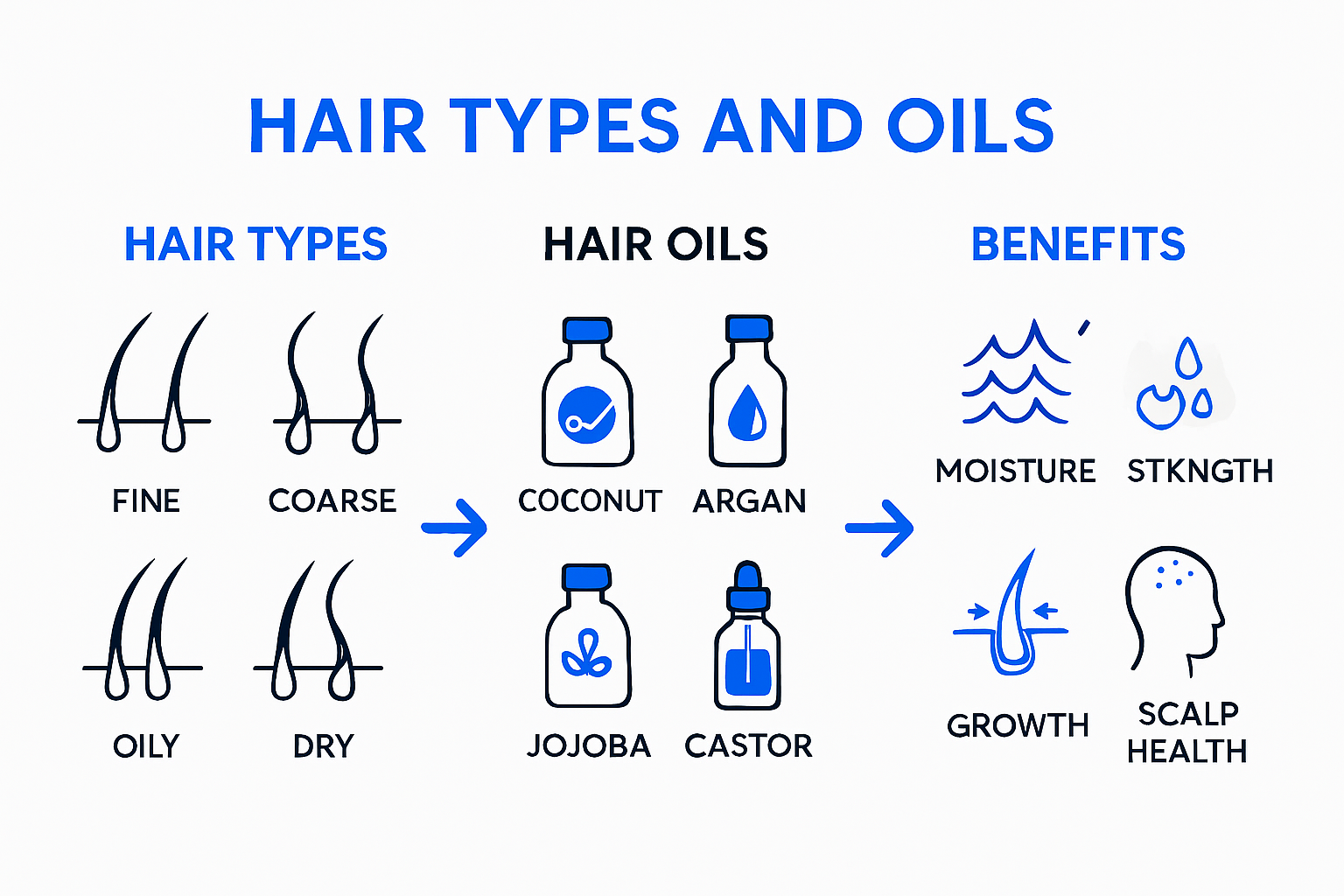
The carrier oil you select affects absorption, texture, and how your hair responds. Match your choice to your specific needs.
Coconut Oil for Dry or Damaged Hair
Coconut oil deeply moisturizes and helps seal in hydration. Its fatty acids penetrate the hair shaft, reducing protein loss. It works best for dry, frizzy, or damaged hair.
Tip: Use sparingly on fine or oily hair. Blend with jojoba oil in equal parts to lighten the texture.
Jojoba Oil for Oily or Sensitive Scalps
Jojoba oil mimics natural sebum, making it non-comedogenic and easily absorbed without clogging pores. It’s perfect for oily scalps and first-time users.
Bonus: Safe for daily use and won’t leave residue. Great starter oil for beginners.
Castor Oil for Thickness and Volume
Castor oil is rich in ricinoleic acid, which has anti-inflammatory properties that soothe the scalp. It’s ideal for deep scalp massages aimed at promoting fullness.
Warning: Too thick to use alone. Mix 1 part castor oil with 2 to 3 parts jojoba or almond oil for smooth application.
Argan Oil for Frizz Control and Shine
Argan oil adds shine and softness to dull, rough, or frizzy hair. Rich in vitamin E and fatty acids, it’s best applied to lengths and ends after scalp treatment.
Use tip: Can be used alone as a weekly conditioning treatment.
Almond Oil for Nourishing Dry Scalp
Sweet almond oil nourishes dry scalp and lifeless hair with proteins and vitamins. It works well for general scalp hydration.
Caution: Avoid if you have nut allergies. Always patch test first.
Avocado Oil for Damage Repair
Avocado oil penetrates the hair shaft and delivers vitamins A, D, and E deep into the cortex. It’s best for preventing breakage and retaining moisture.
Note: Slightly heavier than jojoba but less greasy than coconut. Ideal for thick or curly hair.
Grapeseed Oil for Lightweight Conditioning
Grapeseed oil is lightweight and conditions without weighing down fine hair. Rich in linoleic acid and antioxidants, it absorbs quickly.
Perk: Great for summer or humid climates. Fast-absorbing and non-greasy.
Get the Dilution Ratio Right
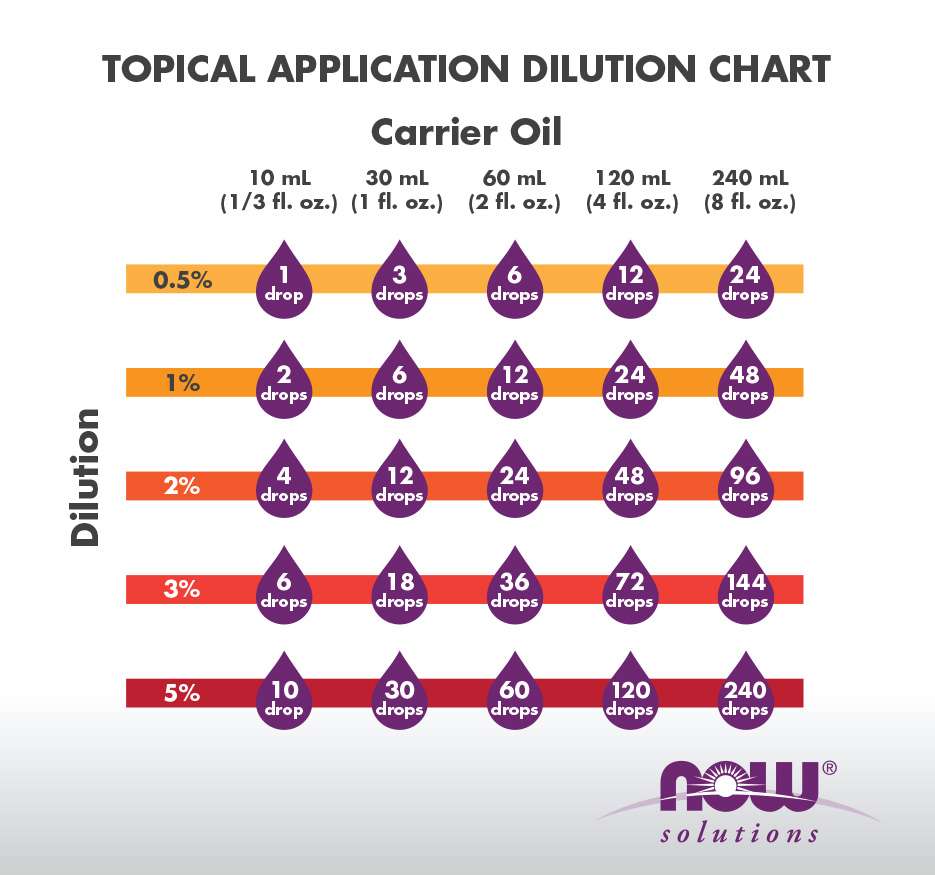
Using the correct ratio prevents irritation while ensuring effectiveness.
Start Low: 2 to 3 Drops per Tablespoon
For first-time users or sensitive scalps, begin with 2 to 3 drops of rosemary oil per 1 tablespoon (15 ml) of carrier oil. This is approximately a 1% dilution.
Why it works: Minimizes risk of reaction while still delivering active compounds to the scalp.
Standard Strength: 5 to 6 Drops per Tablespoon
Once your scalp tolerates the lower concentration, increase to 5 to 6 drops per 15 ml of carrier oil. This 2% concentration is effective for stimulating follicles and improving hair density.
Clinical insight: Studies showing results comparable to minoxidil used similar concentrations.
Maximum Safe Limit: 10 to 12 Drops per Ounce
Never exceed a 3% dilution (about 15 to 18 drops per 30 ml). For scalp use, stay at 10 to 12 drops per ounce (30 ml) to remain within safe limits.
Red flag: Some sources incorrectly suggest using half an ounce of rosemary oil per ounce of carrier. This equals a 33% concentration, which is dangerously high and will burn your scalp.
Mix Your Rosemary Oil Blend Safely
Follow these steps to prepare your blend correctly and ensure even distribution.
Measure Carrier Oil First
Use 1 tablespoon (15 ml) as a standard small batch size. Pour into a dark glass bottle or small bowl.
Pro tip: Dark glass protects essential oils from light degradation. Avoid plastic containers.
Add Rosemary Oil Drop by Drop
Using a clean dropper, add 2 to 6 drops of rosemary essential oil depending on your tolerance level.
Never pour directly from the bottle. You cannot undo an overdose, and drops add up quickly.
Mix Thoroughly
If using a bottle, cap and shake for 10 seconds. If in a bowl, stir with a clean spoon.
Goal: Uniform dispersion so every application delivers consistent potency.
Always Patch Test Before Full Use
Avoid allergic reactions by testing a small area first.
Apply Behind Ear or on Forearm
Dab a small amount of diluted oil on the inner forearm or behind the ear.
Do not skip this step, even if you have used essential oils before.
Wait 24 Hours
Check the area for redness, itching, swelling, or burning.
If any reaction occurs, wash off immediately and discontinue use. Try a different carrier oil or switch to a lower dilution.
Apply Rosemary Oil to Scalp Correctly
Proper application ensures penetration and avoids waste.
Section Your Hair Evenly
Part hair into 4 to 6 sections using a comb. This exposes the scalp and allows targeted delivery.
Tip: Clip up sections to keep them out of the way during application.
Use Dropper or Fingertips
Apply the blend directly to the scalp using a dropper or clean fingertips. Focus on roots where follicles are active.
Avoid hair strands unless you specifically want conditioning benefits on lengths.
Massage for 2 to 3 Minutes
Use fingertips (not nails) to massage in circular motions.
Why it matters: Boosts blood circulation, which nourishes follicles and enhances absorption.
Do not rush: Set a timer if needed. Consistency builds results over time.
Leave On for the Right Amount of Time
Timing affects absorption and comfort.
Minimum: 30 Minutes
This is the shortest time needed for meaningful absorption. Do not rinse sooner.
Ideal: 30 to 60 Minutes
Most carrier oils absorb well within this window. Jojoba and grapeseed may absorb faster.
Maximum: 2 Hours
Extended time increases risk of clogged pores or greasiness. Not recommended unless using very light oils.
Overnight Use: Proceed with Caution
Only consider overnight use if using jojoba or grapeseed oil, and protect your bedding with a shower cap and towel.
Risk: Buildup can block follicles and cause irritation.
Wash immediately if itching starts.
Wash Out Properly
Residue can dull hair and weigh it down.
Shampoo Twice
Use a gentle sulfate-free shampoo. Lather, rinse, then repeat.
Second wash removes oil more effectively, especially with coconut or castor blends.
Condition After
Apply conditioner from mid-lengths to ends. Avoid the scalp to prevent excess oiliness.
Option: Add 1 drop of rosemary oil to your conditioner for extra support.
Use 2 to 3 Times Weekly
Frequency matters for long-term results.
Optimal Schedule: Every Other Day
Example: Monday, Wednesday, and Friday.
Consistency over intensity: Regular use over 3 to 6 months yields visible improvements in thickness and shedding.
Daily Use: Only in Trace Amounts
You can add 1 drop per ounce of conditioner or leave-in spray for daily scalp maintenance.
Never apply full-strength oil daily. It increases irritation risk significantly.
Add Rosemary Oil to Shampoo or Conditioner
For convenience, boost your existing products.
In Shampoo: 1 to 2 Drops per Wash
Add directly to a dollop of shampoo before lathering.
Benefit: Cleanses while delivering rosemary’s antimicrobial benefits.
In Conditioner: 1 to 2 Drops per Application
Mix into a small amount before applying to ends.
Avoid scalp unless hair is very dry.
Pre-Mix Bottles: Up to 15 Drops per 8 Ounces
Add 10 to 15 drops of rosemary oil to an 8 oz (240 ml) bottle of shampoo or conditioner.
Shake well before each use. Oil separates from water-based formulas.
Never Dilute with Plain Water
Rosemary oil and water do not mix.
Why It Is Risky
Essential oils are hydrophobic. They float on water in concentrated droplets that can burn the skin.
Never spray undiluted oil in water. It can cause severe scalp irritation.
Safe Water-Based Options
Want a leave-in spray? Use an emulsifier first. Mix 1 part vegetable glycerin or polysorbate 20 with 1 part rosemary oil, then add to water (2 drops emulsified oil per 2 oz water).
Alternative: Buy a pre-formulated rosemary spray that contains emulsifiers.
Know What Rosemary Oil Can and Cannot Do
It is powerful but not magic.
What It Helps
Rosemary oil increases hair density, reduces shedding in androgenetic alopecia, stimulates circulation, soothes mild scalp irritation, and supports a healthy environment for growth.
What It Does Not Cure
Rosemary oil cannot treat dandruff or seborrheic dermatitis, fungal infections, hormonal imbalances, nutritional deficiencies, or advanced baldness.
Analogy: Think of rosemary oil like mulch for soil. It improves surface conditions, but hair plants still need internal nutrients (iron, protein, sleep, hormones).
Support Hair Health Holistically
Topical treatments work best alongside lifestyle care.
Address Root Causes of Hair Loss
Check iron, vitamin D, zinc, and thyroid levels. Manage chronic stress with meditation or exercise. Prioritize 7 to 8 hours of sleep nightly. Limit heat styling and chemical processing. Cleanse scalp regularly to prevent buildup.
Key point: Rosemary oil is a support tool, not a standalone fix.
Store Blends Properly
Preserve potency and prevent spoilage.
Use Dark Glass Bottles
Amber or cobalt glass blocks UV light, which degrades essential oils.
Never store in clear plastic or glass.
Keep Cool and Dry
Store in a cabinet away from sunlight and heat sources. Avoid the bathroom.
Use Within 6 Months
Carrier oils can go rancid. Label blends with the date.
Tip: Make small batches (1 to 2 oz) to ensure freshness.
Follow Key Safety Rules
Stay safe with these non-negotiables.
Always Dilute
Never apply pure rosemary oil to the scalp. Ever.
High risk of burning, redness, or chemical dermatitis.
Avoid If Allergic to Mint Family
Rosemary belongs to the Lamiaceae family (mint, sage, thyme). If you are allergic, skip it.
Stop If Irritation Occurs
Discontinue use at the first sign of itching, redness, or flaking.
Wash scalp immediately with mild shampoo.
Final Tips for Best Results
Maximize your rosemary oil routine with these strategies.
Blend for Better Results
Try combining rosemary with peppermint oil (adds cooling sensation and circulation boost) or lavender oil (soothes scalp). Use 1 to 2 drops total of complementary oils per tablespoon of carrier oil.
Always patch test new blends.
Spritz Hair Before Oiling
Lightly mist hair with water before applying oil. Damp strands part easier, giving better scalp access.
Note: Oil will not mix with water, but damp hair improves application.
Layer Smartly
Pre-oil by applying conditioner before oil to lock in moisture (great for curly hair). Post-condition by using diluted rosemary oil after washing for lightweight nourishment.
Frequently Asked Questions About Diluting Rosemary Oil for Hair
What happens if I use rosemary oil without diluting it?
Applying pure rosemary oil directly to the scalp causes burning, redness, itching, and potential allergic reactions. The concentrated active compounds can damage skin cells and cause chemical dermatitis. Always dilute to at least 1% concentration before scalp application.
Can I mix rosemary oil with water instead of carrier oil?
No. Rosemary oil does not dissolve in water and floats as concentrated droplets that can burn your scalp. If you want a water-based spray, use an emulsifier like vegetable glycerin or polysorbate 20 first, or purchase a pre-formulated product.
How long should I leave rosemary oil on my scalp?
Leave diluted rosemary oil on for 30 to 60 minutes for optimal absorption. The minimum effective time is 30 minutes. Leaving it longer than 2 hours increases the risk of clogged pores and greasiness.
How often should I use rosemary oil on my hair?
Use rosemary oil treatments 2 to 3 times per week. Apply every other day (Monday, Wednesday, Friday) for best results. Daily use is possible only in very low concentrations, such as 1 drop per ounce of conditioner.
Which carrier oil is best for rosemary oil dilution?
Jojoba oil works best for oily or sensitive scalps. Coconut oil is ideal for dry or damaged hair. Argan oil provides frizz control and shine. Choose based on your specific hair type and scalp condition.
Can rosemary oil help with hair growth?
Research shows rosemary oil can increase hair density and reduce hair loss, particularly in androgenetic alopecia. Studies demonstrate results comparable to minoxidil over time. However, it works best as part of a holistic approach addressing nutrition, stress, and overall health.
Key Takeaways for Diluting Rosemary Oil for Hair
Diluting rosemary oil correctly transforms a potent botanical into a safe, effective hair treatment. Start with 2 to 3 drops per tablespoon of carrier oil and increase to 5 to 6 drops once your scalp tolerates it. Never exceed a 3% concentration (about 12 drops per 30 ml).
Choose your carrier oil based on your hair type: jojoba for oily scalps, coconut for dry hair, and argan for frizz control. Apply with a 2 to 3 minute scalp massage, leave on for 30 to 60 minutes, and wash out with shampoo. Use 2 to 3 times per week for visible results over 3 to 6 months.
Remember that rosemary oil supports scalp health but cannot replace medical treatment for underlying conditions. Pair your topical routine with good nutrition, stress management, and proper scalp hygiene for stronger, thicker hair.