

If you’ve ever reached for a tube of Nair, Veet, or another depilatory cream, you’ve probably wondered how does hair removal cream work. Unlike shaving, waxing, or laser treatments, this method does not rely on blades or heat. Instead, it uses chemistry to dissolve unwanted hair right at the skin’s surface. The result is smooth skin in minutes without pulling or cutting. But behind that convenience is a powerful chemical process that breaks down hair at the molecular level.
Hair removal creams are popular because they are fast, affordable, and pain-free when used correctly. They are ideal for large areas like legs and arms and even work on sensitive zones like underarms and the bikini line. Yet despite their widespread use, many people do not fully understand how they actually work or why they sometimes cause irritation. This guide breaks down the science, safety, and smart usage tips so you can use depilatory creams confidently and effectively.
Chemical Breakdown of Hair Structure

Depilatory creams do not pull hair out. They dissolve it. The key lies in their ability to target keratin, the tough protein that makes up your hair.
Targeting Keratin with Alkaline Agents
Hair gets its strength from disulfide bonds in keratin. These sulfur-linked bonds form a rigid network making hair resilient. Depilatory creams contain alkaline chemicals like sodium thioglycolate or calcium thioglycolate, which penetrate the hair shaft and break these bonds. Once weakened, the hair softens and loses structural integrity, turning mushy and easy to wipe away.
This chemical reaction happens mostly at the skin’s surface and just below it. Because the cream dissolves part of the hair beneath the skin surface, regrowth feels softer and appears slower than with shaving.
Why Hair Dissolves Instead of Falling Out
Unlike waxing which pulls the entire hair from the follicle, depilatory creams leave the root intact. The follicle remains unharmed, so hair will grow back in the same cycle, typically in 3 to 7 days. However, since the hair is broken off below the skin surface, it emerges with a tapered tip instead of a blunt edge, reducing the rough stubble associated with razors.
Active Ingredients Explained
Not all creams are the same. The effectiveness and safety depend on the active compounds and their concentration.
Sodium Thioglycolate: The Core Ingredient
This is the most common active agent in depilatory creams. It is an alkaline salt that reacts with keratin in a pH environment of 10 to 12, which is highly alkaline. This high pH opens the hair cuticle, allowing the chemical to penetrate and break disulfide bonds. It works fast, usually in 5 to 10 minutes, on fine to medium hair.
Calcium Thioglycolate for Coarser Hair
Used in stronger formulas often marketed for men or body use, calcium thioglycolate is more stable and effective on thick, coarse hair like that on legs, chest, or back. It penetrates deeper and works slightly slower, requiring longer dwell times.
Alternative: Strontium Sulfide
Found in some older or niche products, strontium sulfide also breaks down keratin but is less common due to its strong odor and potential for irritation. It is typically used in long-lasting formulas but has largely been replaced by thioglycolate-based creams.
Supporting Ingredients
Beyond the active agents, creams include several supporting components.
The emollients like glycerin or shea butter moisturize the skin. Aloe vera or chamomile soothes irritation. Fragrances or masking agents reduce the sulfur smell. pH stabilizers maintain effectiveness during use.
Step-by-Step Application Guide
Using depilatory cream safely requires precision. Follow these steps to avoid irritation and get the best results.
Patch Test First
Always do a patch test 24 hours before full use. Apply a pea-sized amount behind your knee or on your inner forearm. Wait a full day. If you see redness, swelling, or burning, skip the product. It is not for your skin type.
Prep Skin Properly
Wash and dry the area. No lotions, oils, or sweat. Avoid using on broken, sunburned, or recently exfoliated skin. Do not apply after using retinoids, acne treatments, or chemical peels because they make skin more sensitive.
Apply a Thick, Even Layer
Use the included spatula or clean fingers to spread a thick, opaque layer over the hair. Do not rub it in. Just cover the area completely. If the cream is too thin, it will not work effectively.
Wait the Exact Time
Set a timer. Most creams need 5 to 10 minutes, but time varies by hair thickness and product. Never go beyond the max time. This is when chemical burns happen. Coarse hair may need the full 10 minutes. Fine hair can be ready in 5.
Remove Gently and Rinse
Wipe off the cream with a damp cloth or sponge. Then rinse thoroughly with cool or lukewarm water. Do not scrub. Pat dry with a soft towel.
Moisturize and Protect
Apply a fragrance-free moisturizer to calm the skin. Avoid perfumes, toners, or exfoliants for at least 24 hours. If going outside, use SPF 30 or higher. Treated skin is more sensitive to UV damage.
How Long Does Smoothness Last?
You will enjoy soft, hair-free skin, but not forever. Here is what to expect.
Typical Regrowth Timeline
Most people stay smooth for 3 to 7 days. This is longer than shaving which leaves stubble in 1 to 2 days but shorter than waxing which lasts 3 to 6 weeks. Since the follicle is not damaged, hair grows back at its normal rate.
Why Hair Feels Softer
Shaving cuts hair at the surface, creating a blunt tip that feels coarse as it grows. Depilatory creams dissolve the hair below the skin, so it regrows with a tapered, fine tip. This is one of the biggest advantages over shaving.
Factors That Affect Results
Several factors influence how well the cream works.
Hair thickness affects results. Coarse hair may resist breakdown, leading to patchy results. Application time matters too. Too short equals incomplete removal. Too long equals irritation. Cream formula makes a difference. Facial creams are milder and may not work on body hair. Skin type also plays a role. Sensitive or dry skin may react more, limiting frequency of use.
Benefits Compared to Other Methods
Why choose a cream over other hair removal options? There are several compelling reasons.
Painless and No Cuts
No blades mean no nicks, cuts, or razor burn. It is a great option for people prone to ingrown hairs or who hate the tugging of waxing.
Fast for Large Areas
Legs, arms, or back can be treated in under 10 minutes. No need for multiple passes like shaving. Just spread, wait, and wipe.
Cost-Effective and Accessible
A single tub costs $5 to $15 and lasts for several uses. Compare that to $50 or more for waxing sessions or thousands for laser treatments. Available at drugstores, supermarkets, and online.
No Skill Required
No technique needed. Just follow the clock and instructions. Great for beginners or travelers.
Works on Sensitive Zones
Specially formulated creams are safe for underarms, bikini line, and upper lip. Just make sure to use a product designed for that area.
Risks and Side Effects to Know
Despite their benefits, depilatory creams are not risk-free. Understanding these dangers helps you use them safely.
Risk of Chemical Burns
Leaving the cream on too long can cause first- or second-degree burns. Symptoms include severe redness, blistering, pain or stinging, and skin peeling. This happens because the alkaline agents keep breaking down tissue beyond the hair. Always use a timer and never reapply to the same area the same day.
Skin Irritation and Allergies
Even with a patch test, some people experience itching, mild burning, redness, or contact dermatitis. Sensitive skin, eczema, rosacea, or recent sun exposure increases the risk.
The Rotten Egg Smell
Many users notice a sulfur odor like rotten eggs. This comes from hydrogen sulfide gas released when thioglycolate breaks down keratin. It is harmless but unpleasant. Newer formulas include odor-masking agents to reduce this.
Ineffective on Certain Hair Types
Depilatory creams do not work well on gray or blonde hair, which has lower keratin content and makes it harder to dissolve. Very coarse or wiry hair may require longer exposure, increasing irritation risk. The cream works best on hair at least one-quarter inch long. Shorter strands may not be fully exposed.
Who Should Avoid These Creams?
Not everyone can use depilatory creams safely. Certain individuals should skip this method entirely.
Sensitive or Reactive Skin
If you have eczema, psoriasis, rosacea, or frequent rashes, avoid these products. The high pH can worsen inflammation.
Sunburned or Damaged Skin
Never apply to sunburned, cut, or irritated skin. The chemicals can penetrate deeper and cause burns.
Using Topical Medications
If you use retinoids, acne treatments, or exfoliants, wait at least 48 to 72 hours before using a cream. These products thin the skin barrier, increasing sensitivity.
Facial Use Caution
Never use a body formula on your face. Facial depilatories are milder. Using the wrong product can lead to severe irritation, especially near the eyes or lips.
Pregnancy and Breastfeeding
No direct evidence shows harm, but hormonal skin changes during pregnancy can increase sensitivity. Consult your doctor before use.
Choosing the Right Product
Not all creams are created equal. Pick the right one for your needs.
Match the Formula to the Area
Use only facial-specific creams for your face. Use sensitive-skin or bikini-safe versions for the bikini line. Men’s formulas are often stronger and designed for chest or back hair. For sensitive skin, look for fragrance-free, hypoallergenic, or dermatologist-tested options.
Read the Label
Check for expiry date, active ingredients, dwell time, and skin type suitability. Avoid products with alcohol or harsh fragrances if you are prone to dryness or irritation.
Storage Tips
Keep in a cool, dry place. Close the lid tightly. Discard if the texture changes or smell intensifies.
Cream vs. Shaving vs. Waxing: Which Is Better?
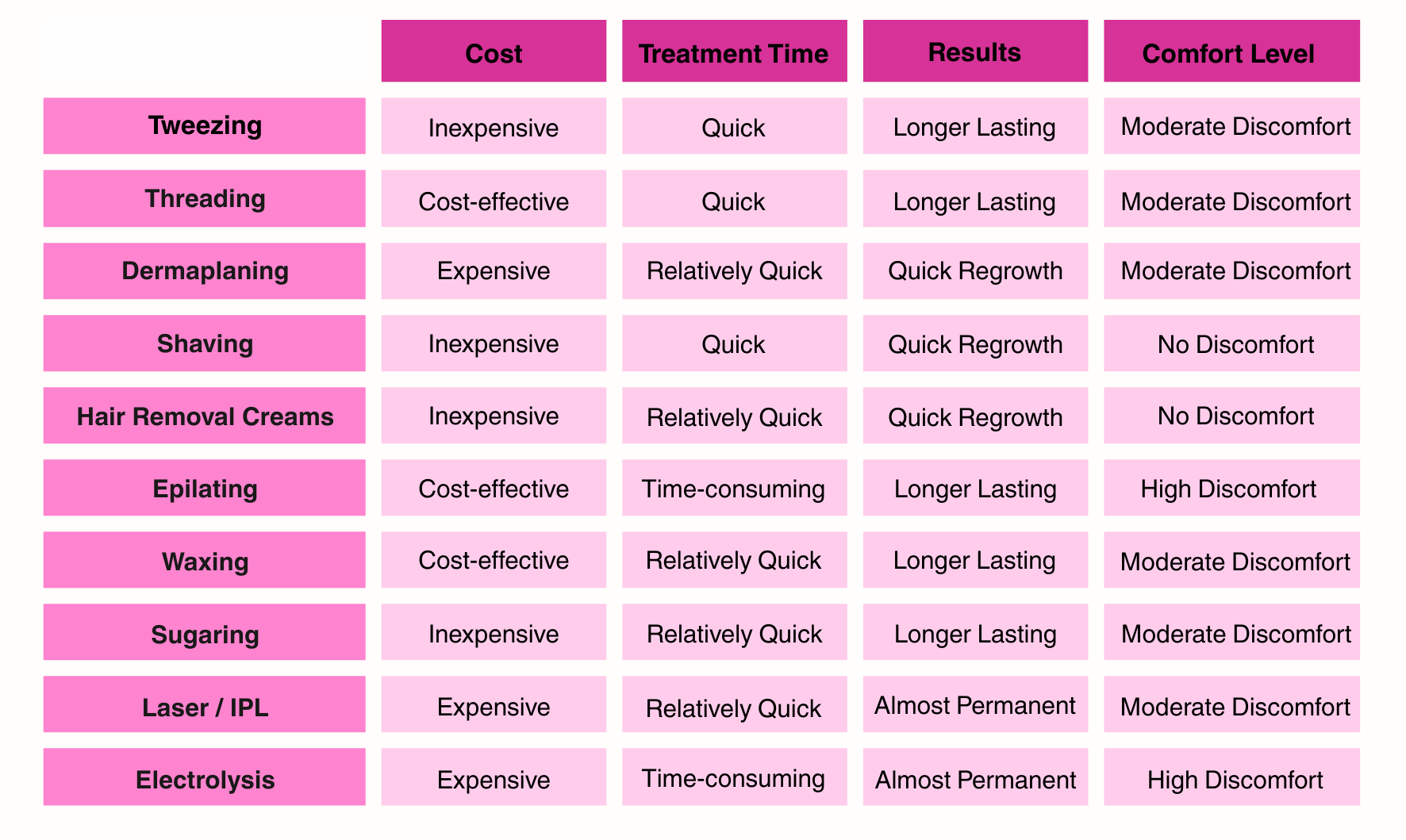
Here is how depilatory creams stack up against other popular methods.
| Feature | Hair Removal Cream | Shaving | Waxing |
|---|---|---|---|
| Pain Level | Low | Low | High |
| Results Last | 3 to 7 days | 1 to 2 days | 3 to 6 weeks |
| Cost | $5 to $15 | $1 to $10 | $20 to $60 |
| Risk of Ingrown Hairs | Very low | Moderate | High |
| Skin Irritation | Moderate (chemical) | High (razor burn) | High (folliculitis) |
| Regrowth Feel | Soft, tapered | Coarse, stubbly | Thinner over time |
| Best For | Large areas, sensitive zones | Quick touch-ups | Long-lasting smoothness |
Creams offer a middle ground. They last longer than shaving and are less painful than waxing.
Real User Tips and Common Mistakes
Learn from others’ experiences to avoid pitfalls.
Most Common Mistakes
Skipping the patch test leads to reactions. Leaving cream on too long causes burns. Using body cream on face results in irritation. Not rinsing well causes redness. Applying right after exfoliating increases sensitivity.
Pro Tips for Best Results
Use in the evening so skin can recover overnight. Apply moisturizer before bed. Exfoliate 24 to 48 hours after use to prevent clogged pores. Try different brands if one irritates because formulas vary. Store in a bathroom cabinet away from humidity.
Final Safety Checklist
Before every use, run through this quick list.
Check that you did the patch test 24 hours ago. Ensure the skin is clean, dry, and unbroken. Verify you are using the right formula for the body part. Confirm the product is unexpired and stored properly. Have a timer ready. Make sure you are avoiding sun exposure after use.
Frequently Asked Questions About Hair Removal Cream
How does hair removal cream work chemically?
Hair removal cream works by using alkaline chemicals like sodium thioglycolate to break the disulfide bonds in keratin, the protein that gives hair its strength. This dissolves the hair structure, making it soft and easy to wipe away.
Is hair removal cream safe for sensitive skin?
It can be safe if you choose formulas labeled for sensitive skin and always perform a patch test first. However, people with eczema, rosacea, or very reactive skin should avoid depilatory creams altogether.
How long does hair removal cream last?
Results typically last 3 to 7 days, which is longer than shaving but shorter than waxing. The exact duration depends on your individual hair growth cycle.
Can I use hair removal cream on my face?
Yes, but only if you use a product specifically formulated for facial use. Body creams are too strong for facial skin and can cause severe irritation.
Why does hair removal cream smell so bad?
The sulfur odor comes from hydrogen sulfide gas released when thioglycolate breaks down keratin. This smell is harmless but can be unpleasant. Many newer formulas include odor-masking agents.
Can hair removal cream cause burns?
Yes, if left on too long. Chemical burns can occur if you exceed the recommended application time. Always use a timer and never exceed the maximum time on the package.
Key Takeaways for Using Hair Removal Cream Effectively
Depilatory creams work by chemically dissolving hair at the surface using alkaline agents like sodium thioglycolate. They offer a fast, painless, and affordable way to achieve smooth skin. When used correctly with proper patch testing, timing, and aftercare, they are a safe and effective alternative to shaving and waxing. However, their chemical nature means they are not for everyone. Avoid them if you have sensitive, damaged, or reactive skin, and always choose the right formula for your body area. With smart use, hair removal creams can be a reliable part of your grooming routine.