If your hair feels dry, brittle, or stubbornly slow to grow, you are not alone. Millions turn to natural remedies, and castor oil for hair growth stands out as one of the most trusted solutions across generations and cultures. Used for over 6,000 years, this thick, golden oil extracted from Ricinus communis seeds has become a staple in Afro-Caribbean, Ayurvedic, and Middle Eastern hair care traditions. While it will not magically regrow hair overnight or reverse genetic baldness, castor oil creates the ideal scalp environment for stronger, healthier, and longer hair.
This guide breaks down exactly how to use castor oil for hair growth, including dilution ratios, DIY blends, washing tips, frequency by hair type, and realistic timelines so you get real results without the greasy mess.
Why Castor Oil Supports Hair Growth
The secret lies in ricinoleic acid, which makes up 85 to 90 percent of castor oil and delivers powerful anti-inflammatory, antimicrobial, and circulation-boosting effects. When massaged into the scalp, ricinoleic acid may improve blood flow to follicles, reduce flakiness, prevent breakage, and support the anagen growth phase of hair. Combined with proper application techniques, diet, and consistency, castor oil can be a game changer for edge regrowth, dandruff control, and improving hair texture.
Castor oil also contains vitamin E, essential fatty acids, and proteins that nourish follicles and protect hair from oxidative stress. It functions not as a miracle cure for baldness but as a powerful natural adjunct in holistic hair care routines.
Choosing the Right Castor Oil Type for Your Hair
Not all castor oils are created equal. Your hair type and goals determine which version works best.
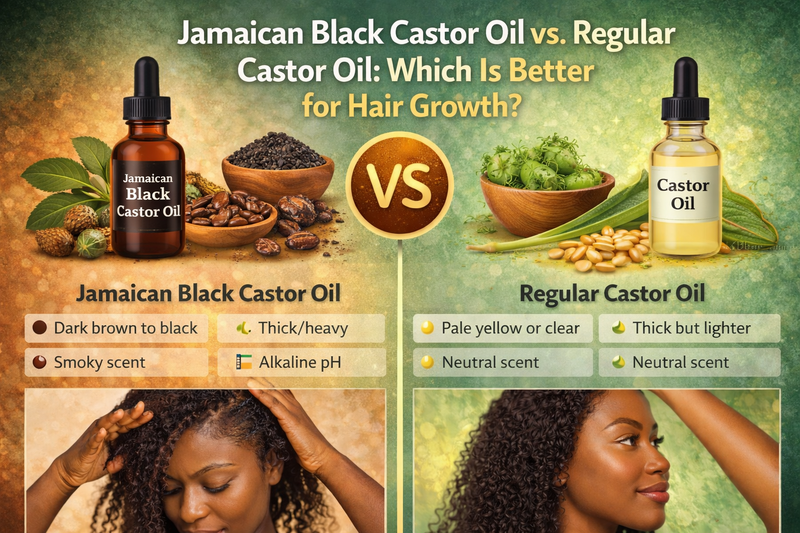
Cold-pressed castor oil is extracted without heat, preserving nutrients and delivering a light yellow, mild-smelling oil ideal for fine or oily hair. It works best when diluted and used weekly.
Jamaican Black Castor Oil comes from roasted beans, giving it a dark color, smoky scent, and thicker texture. The ash content raises its pH slightly, which some believe enhances exfoliation and nutrient absorption. This makes it perfect for coarse, dry, or tightly curled hair needing intense moisture and edge revival.
Pre-mixed formulas with jojoba, argan, or essential oils reduce heaviness and boost benefits. These are great for beginners or anyone avoiding DIY mixing. Always choose hexane-free, organic, cold-pressed options when possible to avoid chemical residues.
Diluting Castor Oil for Better Results
Pure castor oil is extremely thick and hard to apply evenly. Diluting it with lighter carrier oils improves spreadability, reduces greasiness, and prevents buildup.
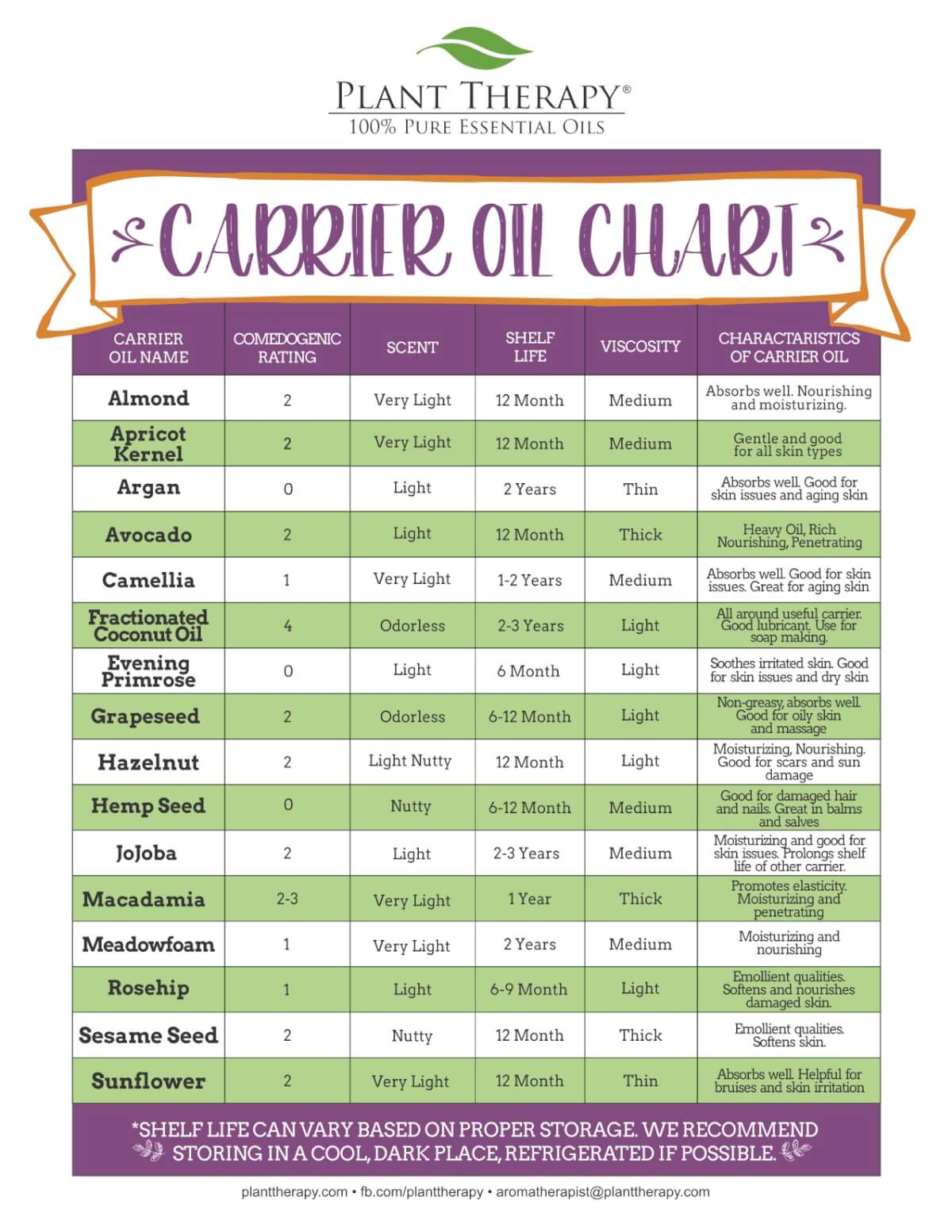
The best carrier oils include jojoba oil, which mimics natural sebum and balances scalp oil, argan oil which adds shine and softness, fractionated coconut oil which is lightweight and non-greasy, and sweet almond or grapeseed oil which are fast-absorbing and rich in linoleic acid.
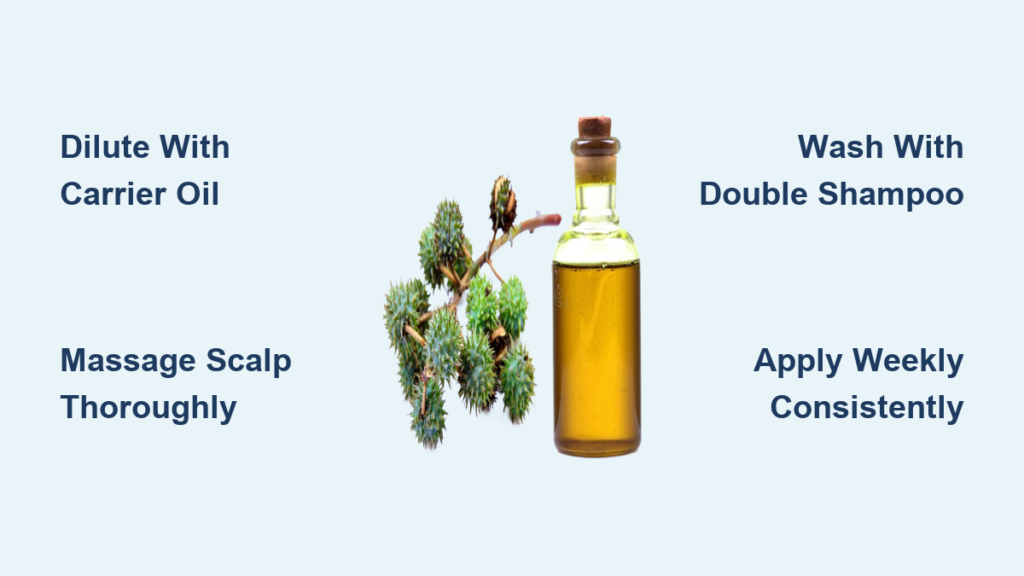
The ideal ratio is one part castor oil to two parts carrier oil. For example, one tablespoon of castor oil mixed with two tablespoons of jojoba oil. For fine or oily hair, increase the ratio to one to three or one to four.
You can also boost your blend with essential oils. Rosemary oil at five to eight drops has been shown in studies to match minoxidil for growth stimulation. Peppermint oil at five drops increases scalp tingling and circulation. Tea tree oil at five to ten drops fights dandruff-causing fungi. Mix in a dark glass bottle and store in a cool place.
Applying Castor Oil Correctly to Scalp and Hair
How you apply castor oil matters more than how often. Proper technique ensures even distribution and maximum benefits.
Section your hair into four to six parts using a tail comb. Use a dropper or applicator bottle to apply the oil blend directly along part lines. Massage gently with fingertip pads, not nails, using circular motions for three to ten minutes. Focus on thinning areas, temples, nape, and hairline, especially if growing edges.
After scalp application, run remaining oil through mid-lengths and ends. Use sparingly on fine hair to avoid weighing it down. This technique works ideal for dry, damaged, or coarse textures needing deep conditioning.
For eyebrows and eyelashes, cleanse your face first. Dip a clean spoolie or cotton swab into pure or diluted castor oil. Gently brush along brow hairs and lash line with eyes closed. Leave on overnight and wipe excess in the morning. Use this method two to three times per week, and visible thickening often appears after two to three months.
Warming Castor Oil for Deeper Penetration
Warming the oil slightly enhances absorption and comfort. Place the oil bottle in a bowl of warm water for five to ten minutes. Test temperature on your wrist before applying. Never apply hot oil to your scalp.
Warm oil feels soothing, helps open pores, and improves circulation during massage. This simple step makes the treatment more effective and relaxing.
Setting Dwell Time Based on Hair Type
How long you leave castor oil on depends on your hair needs and lifestyle.
A quick pre-wash treatment lasts 30 to 60 minutes and works best for fine, oily, or busy individuals. Cover with a shower cap to prevent transfer and boost penetration.
Overnight deep conditioning lasts six to eight hours and works best for dry, thick, coarse, or damaged hair. Wrap hair in a silk scarf or satin bonnet to protect bedding and reduce friction.
Pro tip: Consistency beats duration. A weekly 30-minute treatment done regularly outperforms random overnight masks.
Washing Out Castor Oil Properly
Castor oil thickness makes it hard to remove. Use a two-step shampoo method to avoid residue.
First, apply sulfate-free shampoo directly to dry, oiled hair. Work it into the scalp and lengths to emulsify the oil before adding water. This breaks down oil efficiently and prevents the slippery feeling.
Second, add a small amount of water and massage to build lather. Rinse thoroughly with warm water. Repeat shampooing once to ensure all oil is removed.
Follow with conditioner to restore softness. Avoid harsh sulfates because they strip natural oils and cause dryness.
Adjusting Frequency by Hair Type
Tailoring your routine ensures optimal results without overloading your scalp.
For fine or oily-prone hair, apply once per week, dilute heavily at one to three ratio, focus on scalp only, and keep treatment under 60 minutes.
For normal to medium hair, apply one to two times per week using a one to two blend and allow 30 to 60 minutes dwell time.
For thick, coarse, or dry hair, apply two to three times per week or weekly overnight. You can use undiluted Jamaican Black Castor Oil and apply from root to tip.
For dandruff-prone or dry scalp, apply every other day or daily. Leverage antifungal properties and maintain access under braids or weaves by parting daily.
DIY Castor Oil Hair Growth Recipes
Custom blends target specific concerns and improve usability.
For dry or brittle hair, mix two tablespoons of castor oil with one tablespoon of coconut oil. Warm slightly, apply from roots to ends, leave for one to two hours or overnight, then shampoo thoroughly.
For dandruff and itchy scalp, mix two tablespoons of castor oil with five to ten drops of tea tree essential oil. Massage into scalp, leave for one hour, rinse completely.
For maximum growth stimulation, mix one tablespoon of castor oil with one tablespoon of argan oil and five to eight drops of rosemary essential oil. Apply to scalp, leave for one hour or overnight, shampoo out.
For eyebrows and eyelashes, use pure castor oil sparingly. Apply nightly with a spoolie, wipe excess in the morning, and use two to three times per week.
Enhancing Results with Scalp Care
Castor oil works best when combined with other supportive practices.
Pair with aloe vera before applying oil. Aloe contains proteolytic enzymes that clear dead skin and delivers vitamins A, C, E, and B12. Apply fresh aloe gel to the scalp before oil and let absorb for 10 minutes.
Use a scalp massager to boost blood flow, spread oil evenly, and turn your routine into a relaxing ritual. Use during massage for deeper stimulation.
Consider red light therapy. Low-level laser therapy devices increase cellular energy in follicles. Use two to three times per week alongside castor oil for synergistic growth support.
Supporting Hair Growth from Within
Topical treatments work best when backed by internal health. Eat hair-boosting foods focusing on protein sources like eggs, fish, and legumes for keratin. Include biotin, zinc, and selenium from Brazil nuts, whole grains, and mushrooms. Add omega-3s from flaxseeds, chia, and walnuts. Consume beta-carotene from sweet potatoes and carrots for vitamin A.
Consider hair supplements containing AnaGain from pea sprouts, which clinically improved hair follicle health by 78 percent in three months, along with MSM, saw palmetto, biotin, zinc, and silica. Castor oil is a top-up, not a substitute, for nutritional gaps.
Realistic Results Timeline
Results vary, but most see changes within weeks to months.
During weeks one through four, expect immediate improvements. Scalp feels less dry and itchy. Hair is softer, smoother, and less frizzy.
During months one through three, structural changes appear. Increased shine and manageability. Less breakage during brushing. Early signs of new growth at hairline.
During months three and beyond, visible growth shows. Thicker, stronger strands. Noticeable edge regrowth. Fuller appearance due to reduced shedding.
Patience is key because this is a long-term nurturing process, not a quick fix.
Avoiding Common Mistakes
Even with the right oil, poor habits can sabotage results.
Do not use pure oil on fine hair because undiluted castor oil clogs follicles and weighs down fine strands. Always dilute.
Do not skip the double wash because one shampoo will not remove castor oil fully. Residue leads to buildup and dullness.
Do not overuse because more is not better. Excessive oil can cause hair felting, a matting issue especially in textured hair.
Do not ignore allergies. Patch test behind the ear or on forearm and wait 24 hours. Discontinue if redness, itching, or swelling occurs.
Safety and Potential Side Effects
Castor oil is safe for topical use but has caveats.
Possible side effects include allergic dermatitis presenting as rash or itching. Stop use immediately if this occurs. Hair matting is caused by overuse, so detangle carefully. Eye irritation can occur from lash or brow application, so use minimal amounts. Scalp buildup results from improper washing, so adjust frequency and cleanse thoroughly.
Pregnancy note: Topical use is generally safe, but consult your doctor. Anecdotal reports suggest castor oil may stimulate labor when used internally or in large amounts.
Building a Sustainable Routine
Turn castor oil into a sustainable part of your self-care.
Start with small amounts. You can always add more. Quality matters, so choose cold-pressed, hexane-free, organic castor oil. Protect your clothes by wearing an old shirt or using a towel during treatments. Silk bonnets prevent oil transfer to pillows. Treat your scalp like skin because healthy hair starts at the root.
Follow this simple weekly plan. On day one evening, mix one tablespoon of castor oil with two tablespoons of jojoba oil. Add five drops of rosemary oil if desired. Warm slightly, apply to scalp with 10-minute massage. Cover with shower cap and silk scarf. Sleep with it on.
On day two morning, shampoo twice with sulfate-free formula. Condition as needed. Repeat weekly and adjust blend or frequency based on scalp response.
Frequently Asked Questions About Castor Oil for Hair Growth
Does castor oil actually grow hair?
Castor oil does not clinically stimulate new hair follicle formation. However, it creates optimal scalp conditions by moisturizing, reducing inflammation, enhancing circulation, and strengthening existing strands. This support can lead to reduced breakage and improved growth over time, especially for those with dry scalp or breakage-prone hair.
Can I use pure castor oil on my hair?
Technically yes, but it is not recommended for most users. Pure castor oil is extremely thick, sticky, and difficult to wash out. It can cause buildup, greasiness, and uneven application. Always dilute with lighter carrier oils like jojoba or argan for better results and easier cleansing.
How long does it take to see results from castor oil?
Most users see immediate improvements in scalp comfort and hair texture within weeks one to four. Noticeable growth and reduced breakage typically appear between months one and three. Significant results including visible edge regrowth usually show after three to six months of consistent use.
Is castor oil safe for color-treated hair?
Castor oil is generally safe for color-treated hair, but its deep-penetrating nature may alter dye vibrancy over time. Conduct a strand test by applying your mixture to a small, hidden section. Leave it for the full treatment time, then wash and dry. Check for color changes before full application.
Can castor oil cause hair loss?
No direct evidence shows topical castor oil causes hair loss. However, excessive buildup or poor cleansing may clog follicles and temporarily hinder growth. Rare allergic reactions may lead to temporary shedding. Hair felting or matting has been reported with prolonged heavy use, especially in textured hair types.
How often should I apply castor oil for best results?
Frequency depends on your hair type. Fine or oily hair benefits from once weekly applications. Normal to medium hair works well with one to two times per week. Thick, coarse, or dry hair can handle two to three times per week or weekly overnight treatments. Consistency matters more than frequency.
Key Takeaways for Using Castor Oil for Hair Growth
Castor oil works when you use it correctly and consistently. Dilute with carrier oils, apply to a clean scalp, massage for several minutes, and wash thoroughly with a double shampoo method. Choose the right type for your hair: cold-pressed for fine or oily hair, Jamaican Black Castor Oil for coarse or dry hair.
Support your results from within by eating protein-rich foods and considering supplements. Be patient because visible improvements take three to six months. Avoid common mistakes like using pure oil, skipping the double wash, or overusing. Start small, stay consistent, and let your hair thrive.