If you’re struggling with thinning hair or early signs of balding, you may have turned to natural remedies like rosemary oil. Known for its invigorating scent and scalp-stimulating properties, rosemary oil has gained traction as a go-to solution for boosting hair growth, especially among those wary of pharmaceutical options. But how often should you actually use it? Too little, and you might not see results. Too much, and you risk irritation or clogged follicles.
Research suggests rosemary oil can be as effective as minoxidil for early-stage androgenic alopecia, with fewer side effects like scalp itching. However, its benefits depend heavily on consistent, correct use. This guide breaks down the ideal frequency, application methods, and safety tips based on clinical studies and dermatological insights.
Best Frequency by Scalp Type
Your scalp type determines how often you can safely use rosemary oil without causing irritation or buildup. While some users report success with daily application, most experts recommend a balanced approach that allows time for the scalp to recover between treatments.
Normal Scalp: 2–3 Times Weekly
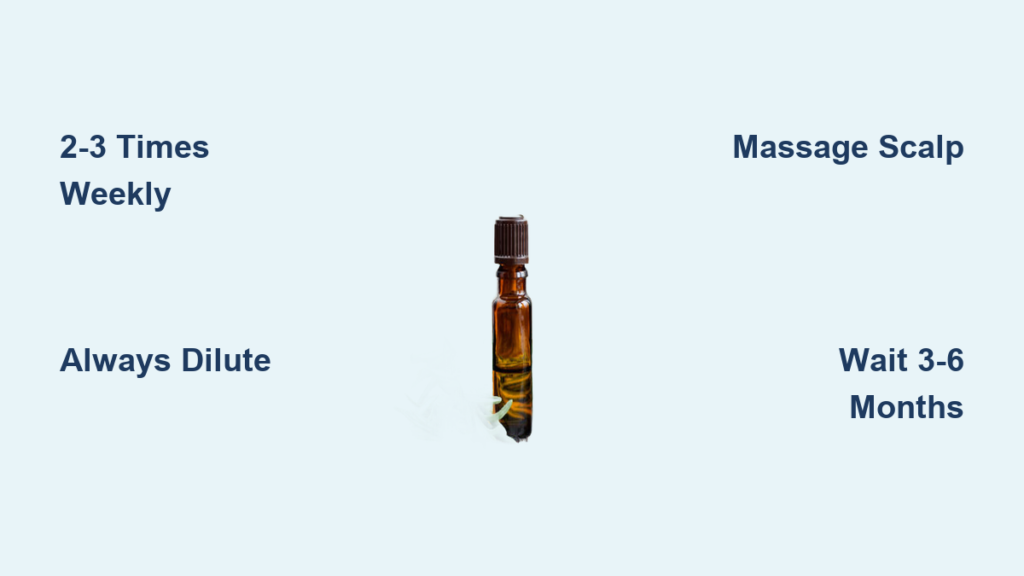
For those with a balanced scalp, neither too oily nor too dry, using rosemary oil 2 to 3 times per week is ideal. This frequency provides consistent stimulation without overwhelming the skin. A 6-month clinical study found that participants applying rosemary oil every other day saw comparable hair growth to those using minoxidil, with less scalp discomfort.
Pro Tip: Space applications out, such as Monday, Wednesday, and Friday, to allow 48 hours of recovery between sessions.
Oily Scalp: Limit to Twice Weekly
If your scalp tends to get greasy quickly, stick to twice weekly use. Over-oiling can trap sebum, dirt, and dead skin, leading to clogged follicles and even fungal growth. Pair rosemary oil with a lightweight carrier like jojoba oil, which mimics natural sebum and won’t weigh hair down.
Warning: Avoid overnight application if you have an oily scalp, as this increases the risk of folliculitis.
Dry Scalp: 2–3 Applications with Moisturizing Bases
Dry, flaky scalps benefit from rosemary oil’s circulation-boosting effects but need extra hydration. Apply 2 to 3 times weekly using nourishing carriers like coconut or almond oil. These help lock in moisture while delivering rosemary’s active compounds.
Expert Note: Warm the oil slightly before application to enhance absorption and improve comfort.
Sensitive Scalp: Start Once Weekly
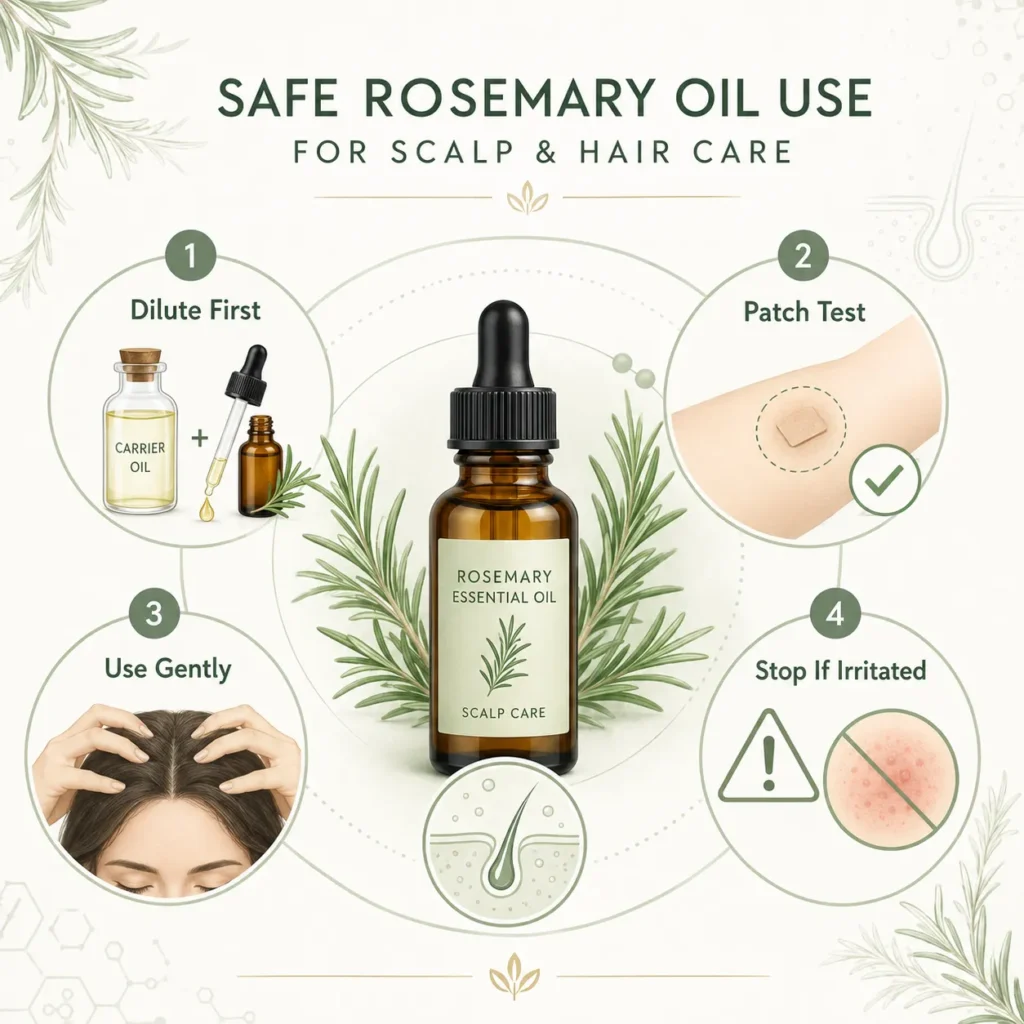
If you’re prone to redness, itching, or allergic reactions, begin with once-weekly use. Always dilute properly and perform a patch test behind the ear first. After a week without reaction, you can consider increasing to twice weekly.
Red Flag: Stop immediately if you feel burning, stinging, or increased flaking.
Can You Use Rosemary Oil Daily
Yes, but only with caution. Some users, including those in a 120-day self-experiment, reported visible improvements in hairline density after twice-daily application of a diluted rosemary cream. However, daily use is not recommended for beginners or those with sensitive skin.
Safe Daily Protocol: Start with 3 consecutive days, then pause. Monitor for irritation. If none appears, resume gradually.
Proper Dilution and Application Steps
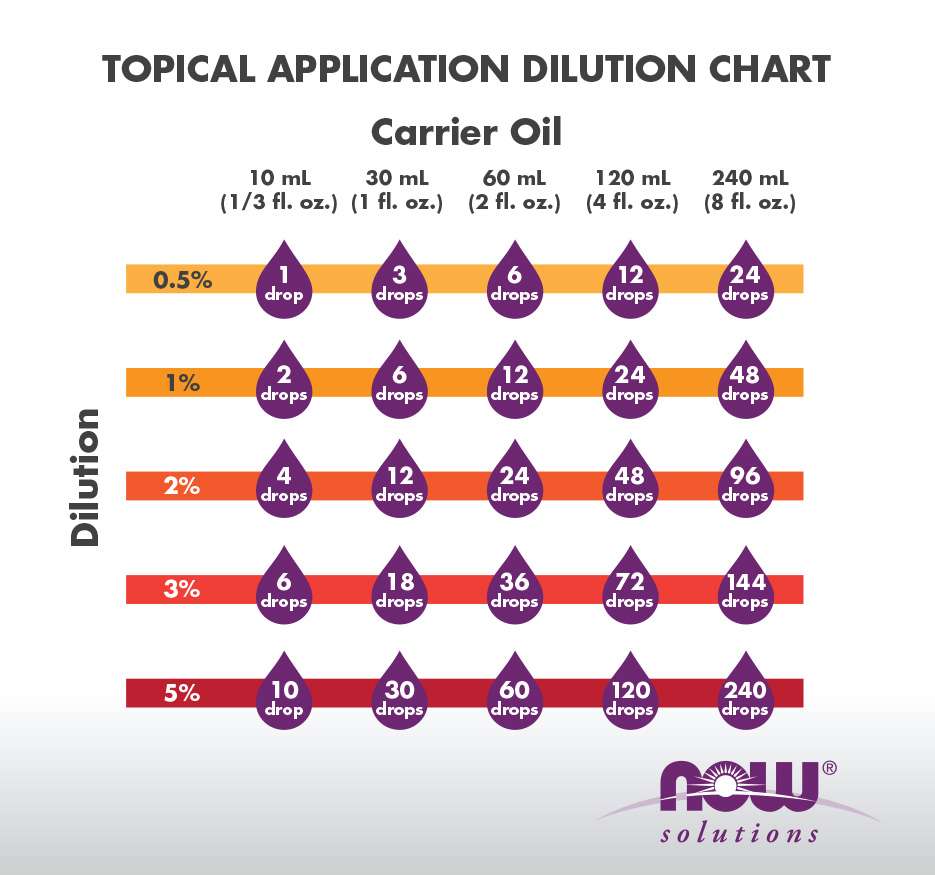
Using rosemary oil incorrectly can do more harm than good. Undiluted essential oil can cause chemical burns, allergic reactions, or worsen hair shedding. Follow these steps to apply it safely and effectively.
Always Dilute in Carrier Oil
Never apply undiluted rosemary essential oil directly to your scalp. It must be mixed with a carrier oil to reduce potency and prevent irritation.
Recommended Dilution Ratios
The carrier oil you choose should match your scalp type and preferences. Here are the most effective ratios for hair growth.
• Coconut oil: 3 to 4 drops per 1 tablespoon, best for dry scalps
• Jojoba oil: 3 drops per 1 teaspoon, best for oily or acne-prone scalps
• Almond oil: 4 drops per 1 tablespoon, best for sensitive or irritated skin
• MSM lotion: 20 to 30 drops per 1/4 cup, best for non-greasy, fast-absorbing option
Important: Higher concentrations are acceptable only if you have confirmed skin tolerance.
Step-by-Step Application Guide
Follow these steps for optimal absorption and growth stimulation.
- Start with a dry scalp to ensure deeper penetration.
- Mix your blend by combining rosemary oil with your chosen carrier.
- Apply to thinning areas using fingertips to place small amounts directly on the scalp.
- Massage for 5 to 7 minutes to boost blood flow and activate follicles.
- Leave on for 5 to 120 minutes, shorter for oily scalps and longer for dry or thick hair.
- Wash out with mild shampoo, or leave in if using a non-greasy base like MSM lotion.
Boost Absorption: Cover hair with a warm towel or shower cap for 10 to 15 minutes post-application.
Weekly Hair Care Schedule for Optimal Results
Consistency matters, but so does balance. Overloading your scalp with oil can backfire. This science-backed weekly routine maximizes growth stimulation while allowing time for cleansing and recovery.
Day 1: Deep Nourishment Treatment
Apply your diluted rosemary oil blend generously to thinning zones. Warm it slightly, not hot, massage for 5 to 7 minutes, and leave on for 1 to 2 hours. Finish with a gentle shampoo to remove excess oil.
Why it works: Long dwell time enhances nutrient delivery and circulation.
Day 2: Rest and Recover
Give your scalp a break. No oils, no treatments. Use a lightweight leave-in conditioner only on hair lengths if needed.
Key benefit: Prevents microbial overgrowth and allows follicles to breathe.
Day 3: Light Stimulation
Reapply a smaller amount of rosemary oil. Focus on areas showing thinning. Massage for 5 minutes and rinse after 30 to 60 minutes.
Tip: Ideal for reinforcing growth signals without buildup.
Day 4: Clarify the Scalp
Use a mild clarifying shampoo, preferably one with tea tree or salicylic acid, to remove oil residue and dead skin. Rinse thoroughly and ensure the scalp is fully dry.
Avoid: Trapped moisture can promote fungal infections.
Day 5: Hydrate Hair Lengths
Apply a light conditioning mask to the mid-shaft and ends. Avoid the scalp to prevent clogging.
Goal: Reduce breakage and split ends, which improves overall hair appearance.
Day 6: Optional Targeted Boost
If your scalp feels healthy and shows no irritation, apply rosemary oil only to problem areas. Skip this if you notice redness or flaking.
Smart move: Prevents overuse while maintaining momentum.
Day 7: Assess and Adjust
Check your scalp for redness, itching, increased shedding, and new sprouts or improved density.
Next step: Adjust next week’s frequency based on what you observe.
This schedule supports 2 to 3 weekly applications, aligning with dermatological best practices and minimizing risks.
Safety Rules and Who Should Avoid It
While rosemary oil is natural, it is not safe for everyone. Certain health conditions and life stages require caution or avoidance.
Who Should Not Use Rosemary Oil
Certain individuals should avoid using rosemary oil or consult a healthcare provider first.
• Pregnant or nursing women: Rosemary oil may stimulate uterine contractions when absorbed in large amounts
• People with allergies to mint family plants: Rosemary belongs to the Lamiaceae family, and cross-reactivity is possible
• Those with active scalp conditions like psoriasis, eczema, or fungal infections: Oiling can trap moisture and worsen symptoms
• Individuals with advanced baldness: If follicles are permanently miniaturized, topical oils will not regrow hair
Stop Immediately If You Experience
• Persistent redness or swelling
• Burning or stinging sensation
• Acne-like bumps indicating folliculitis
• Sudden increase in hair shedding
Action Step: See a dermatologist if symptoms persist.
Avoid These Common Mistakes
Even with the right frequency, poor habits can sabotage your results. Steer clear of these frequent errors.
Applying Undiluted Oil
This is the number one mistake. Pure essential oil is highly concentrated and can cause chemical burns or contact dermatitis.
Fix: Always dilute, never skip this step.
Oiling Overnight Too Often
While occasional overnight treatment is fine, doing it weekly, especially with heavy oils, can lead to buildup and microbial growth.
Better approach: Limit overnight use to once every 1 to 2 weeks, and always wash thoroughly the next morning.
Expecting Fast Results
Hair grows slowly. The anagen growth phase lasts about 28 days, so visible changes take time.
Realistic timeline: Most users see improvements after 3 to 6 months of consistent use.
Ignoring Internal Health
No amount of oiling will fix hair loss caused by iron deficiency, thyroid issues, or chronic stress.
Pro tip: Get blood tests for ferritin, TSH, vitamin D, and hormones if shedding is sudden or severe.
How Rosemary Oil Compares to Other Hair Oils

Rosemary oil is not the only option, but it stands out for stimulating growth rather than just protecting hair.
| Oil | Best For | Frequency | Key Limitation |
|---|---|---|---|
| Rosemary oil | Early thinning, circulation boost | 2–3 times weekly | Must be diluted |
| Coconut oil | Preventing protein loss | 1–2 times weekly | Can clog pores |
| Castor oil | Reducing breakage | 1–2 times weekly | Hard to wash out |
| Almond oil | Softening hair | 2–3 times weekly | Minimal growth evidence |
Best strategy: Combine rosemary with coconut or castor oil for dual benefits, growth stimulation and shaft protection.
When to Expect Results
Patience is essential. Hair growth cycles are slow, and rosemary oil works gradually.
1–2 Months: No Visible Change
Do not panic. At this stage, the oil is improving scalp health and circulation, foundational work you cannot see yet.
3–4 Months: Early Signs Appear
Look for reduced shedding, finer baby hairs along the hairline, and improved texture and shine.
120-day experiment: One user documented new sprouts at the temples after 4 months of twice-daily use.
6 Months: Significant Improvement
The 2015 clinical study showed comparable results to minoxidil after 6 months. This is when most people notice increased density and thickness.
No improvement: Consider underlying medical issues or product quality.
Choosing the Right Rosemary Oil
Not all products are created equal. Since the FDA does not regulate hair growth claims, quality varies widely.
What to Look For
• 100 percent pure essential oil with no synthetic fragrances or additives
• Third-party tested to ensure purity and potency
• Clear labeling showing botanical name Rosmarinus officinalis
• Dark glass bottle to protect oil from light degradation
• Reputable brand with transparent sourcing practices
Avoid: Shampoos or sprays with trace amounts of rosemary oil. These are not effective for growth due to short contact time.
Frequently Asked Questions About Rosemary Oil for Hair Growth
Can I apply rosemary oil directly to the scalp?
No. Always dilute with a carrier oil or safe base to prevent irritation and chemical burns.
How many times a week should I use rosemary oil?
Two to 3 times per week is optimal for most people. Sensitive scalps may need only 1 to 2 times weekly. Daily use is possible with proper dilution and monitoring.
Can rosemary oil regrow bald spots?
It may support regrowth in areas with early thinning or dormant follicles. It cannot regrow hair where follicles are permanently inactive or scarred.
Is rosemary oil safe for daily use?
Yes, for some individuals, but only with proper dilution and tolerance. Begin slowly and monitor for side effects.
Can I mix rosemary oil with shampoo?
Not ideal. The contact time is too short for effective absorption. Pre-mixing with carrier oil and massaging into the scalp is more effective.
Does rosemary oil block DHT?
No. It supports scalp health and circulation but is not a proven DHT blocker.
Key Takeaways for Using Rosemary Oil for Hair Growth
Using rosemary oil for hair growth is a safe, research-backed strategy, but only when done correctly. Here is what really matters.
• Frequency: 2 to 3 times per week for most people, daily use possible with caution
• Dilution: Always mix with a carrier oil, 3 to 5 drops per teaspoon
• Application: Massage into the scalp for 5 to 7 minutes, leave on for 5 to 120 minutes
• Timeline: Allow 3 to 6 months before judging effectiveness
• Safety: Patch test first, avoid if pregnant, and stop if irritation occurs
• Holistic care: Combine with internal health optimization, iron, thyroid, and stress management
• Medical advice: See a dermatologist if no improvement after 4 months or if bald patches appear
Rosemary oil will not work miracles, but when used consistently and wisely, it can be a powerful ally in your hair growth journey. Start slow, stay consistent, and let science, not hype, guide your routine.