

If you have ever struggled with dry, brittle, or slow-growing hair, you have likely heard of castor oil as a go-to remedy. This thick, golden oil, packed with ricinoleic acid and used for thousands of years, has earned its place in natural hair care for good reason. But one question keeps coming up: how long to leave castor oil in hair? The answer is not one-size-fits-all. Stay too short and you miss the benefits. Leave it too long and you risk buildup, greasiness, or scalp irritation.
The ideal time depends on your hair type, scalp condition, and goals. While some benefit from an overnight soak, others should limit use to just an hour. This guide breaks down exactly how long to leave castor oil in your hair based on science-backed best practices, application tips, and real-world user experiences.
Best Time Based on Hair Type

Your hair texture and moisture needs determine how long castor oil should stay in. Applying it for the right duration ensures deep conditioning without weighing hair down.
Dry or Coarse Hair: 6–8 Hours or Overnight
For dry, thick, or curly hair, leaving castor oil in for 6 to 8 hours or overnight delivers maximum hydration. The oils occlusive nature forms a protective barrier that locks in moisture and prevents water loss overnight.
Dry and coarse strands have tightly packed cuticles that resist moisture. Extended contact time improves penetration. Mix with coconut or jojoba oil to reduce heaviness and improve spread. Always cover hair with a shower cap to protect bedding.
Normal Hair: 3–6 Hours
If your hair is not overly dry or oily, a 3- to 6-hour treatment is ideal. This gives castor oil enough time to condition the scalp and strengthen hair without causing buildup. It ensures hydration without greasiness and works perfectly for weekly maintenance routines. Apply before a shower to allow easy cleanup.
Damaged or Brittle Hair: Up to 2 Hours or Overnight
Split ends and breakage need serious repair. For damaged hair, use castor oil for 2 hours or overnight, but always dilute it to avoid stiffness. Blend with almond or argan oil to boost shine and flexibility. Focus on mid-lengths and ends, not just the scalp. Avoid overuse. Once a week is enough.
Oily Scalp: 1–3 Hours Only
Leaving castor oil on an oily scalp for too long can worsen sebum production. Stick to 1–3 hours max. Longer exposure may clog follicles and trigger more oil. Use a lightweight blend such as 25% castor oil and 75% jojoba oil. Wash thoroughly to prevent residue buildup.
Sensitive Scalp: Patch Test First, Limit to 1–2 Hours
High viscosity and potency mean castor oil can irritate sensitive skin. Always patch test 24 hours before use. Apply a dime-sized amount behind the ear or on the forearm. If no redness or itching occurs, proceed. Limit first applications to 1 hour, then assess tolerance.
Short Treatments: 15–60 Minutes
For fine, low-porosity, or normal hair, 15 to 60 minutes is often enough. This short window allows castor oil to coat and protect without overwhelming the scalp.
Why Shorter Works for Some
Castor oil is highly occlusive, meaning it sits on the hair shaft rather than soaking in quickly. On fine hair, prolonged use leads to limp, greasy strands. Short treatments work best for weekly pre-shampoo treatments or light conditioning. Warm oil between palms before applying to boost absorption. Use once per week.
Medium Duration: 2–6 Hours
A 2- to 6-hour treatment strikes a balance between deep conditioning and easy cleanup. This is ideal for most hair types seeking improved strength and shine.
When to Use This Window
Use this timeframe when hair feels dull or lacks elasticity. It works well when using a diluted blend such as 50/50 with coconut oil. It provides scalp nourishment without overnight commitment. The mid-length exposure allows ricinoleic acid to support scalp health. It reduces frizz and improves manageability while being easier to rinse than overnight treatments.
Overnight: 6–8 Hours for Maximum Absorption
Overnight application is the gold standard for deep conditioning, especially for those with dry, coarse, or curly hair.
Why Sleep With Castor Oil
While you sleep, your body repairs and regenerates. Leaving castor oil on overnight supports this process by continuously moisturizing the scalp and hair shaft. It prevents transepidermal water loss and enhances softness while reducing breakage.
Apply to dry or slightly damp hair, not soaking wet. Dilute with a carrier oil to reduce stickiness. Wear a shower cap or silk scarf to protect your pillow. Use old towels if wrapping hair to avoid stains.
Never Leave Castor Oil in for More Than 24 Hours
Despite claims online, leaving castor oil in your hair for two days or longer is not safe and definitely not for a week.
Risks of Extended Wear
Extended wear leads to several problems. Buildup traps dirt, sweat, and dead skin cells. Clogged follicles may lead to folliculitis or hinder hair growth. Scalp irritation causes flaking, itching, and imbalance. Odor and greasiness become issues, especially in humid climates or active users.
We recommend against leaving castor oil on your scalp for two days without washing. It can lead to buildup, clogging pores, and potentially causing scalp irritation. It is generally not recommended to leave castor oil in your hair for an entire week without washing it out.
How to Apply Castor Oil Correctly
Even the best timing will not help if you are using too much or applying it wrong. Follow these steps for optimal results.
Apply to Dry or Slightly Damp Hair
Wet hair dilutes oil and reduces effectiveness. Slightly damp, towel-dried hair allows even distribution. Dry hair ensures maximum adhesion and protection.
Use the Right Amount
Less is more. Castor oil is thick and sticky, and overuse leads to greasiness and hard removal. For short hair, use a few drops warmed in palms. For long or thick hair, use 1–2 teaspoons, preferably diluted.
Dilute for Better Results
Undiluted castor oil is thick and hard to rinse. Mix with lighter oils. A 50/50 blend of castor and coconut oil adds antimicrobial benefits. A 30% castor and 70% jojoba oil blend mimics natural sebum and improves glide. Almond oil blend is lightweight and rich in vitamin E.
Proper Application Technique
Warm oil gently, do not microwave. Part hair into sections. Use fingertips or dropper to apply directly to the scalp. Massage in circular motions to boost circulation. Work remaining oil down to mid-lengths and ends.
How to Wash Out Castor Oil

The biggest complaint about castor oil is that it is hard to remove. But with the right method, you can eliminate every trace.
Step-by-Step Cleansing Guide
Start with dry hair. Water alone will not break down oil. Apply clarifying shampoo directly to dry hair and massage gently to emulsify oil. Repeat with a second shampoo. This step removes residual film. Rinse thoroughly, spending extra time on roots and scalp. Condition only the ends, never the scalp, to avoid greasiness.
Common mistake: Applying conditioner to the scalp after castor oil can leave hair feeling oily even after washing.
How Often to Use Castor Oil
Even with perfect timing, overuse causes problems. Stick to these guidelines.
Recommended Frequency
Use once per week, ideal for most hair types. Use every other week for oily or sensitive scalps. Never use more than twice weekly. This increases risk of buildup and clogged pores.
Overuse leads to flaky scalp, dull hair, and potential irritation, even if you wash well.
Potential Side Effects and How to Avoid Them
Castor oil is natural but not risk-free. Know the downsides and how to prevent them.
Common Risks
Scalp buildup occurs when using too much oil, washing insufficiently, or using daily. Prevent it by using less oil, washing thoroughly, and avoiding daily use. Clogged follicles happen with prolonged wear. Limit duration and double-shampoo to prevent this. Greasy, flat hair results from undiluted oil applied heavily. Dilute oil and focus on scalp, not ends. Allergic reactions can occur. Always patch test first. Difficult removal happens when skipping the second wash. Use clarifying shampoo and do not skip the second wash.
Castor oil does not cause dandruff, but poor washing can create flaky buildup that mimics it.
Special Uses: Eyebrows and Eyelashes
Castor oil is popular for enhancing brows and lashes, but use caution.
How to Apply Safely
Clean area thoroughly. Use cotton swab with minimal oil. Apply only to the brow or lash line, never in the eyes. Blot excess with tissue. Patch test first. Facial skin is sensitive.
Warning: Not recommended for pregnant women. Castor oil may stimulate labor when absorbed through skin.
Best Types of Castor Oil for Hair
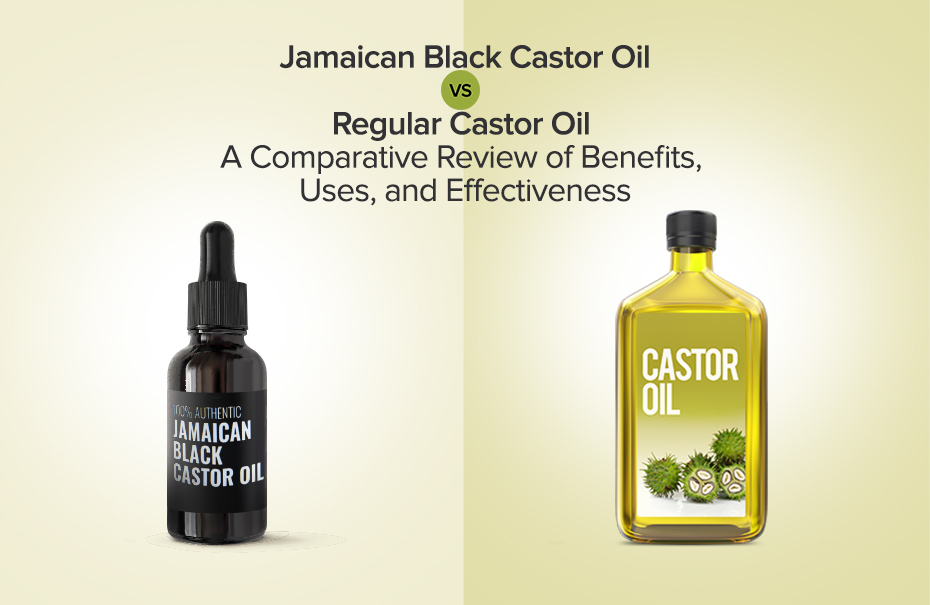
Not all castor oil is equal. Choose wisely for best results.
Cold-Pressed Castor Oil
This is the purest form. It retains maximum ricinoleic acid and nutrients. It has a pale yellow color and mild scent.
Jamaican Black Castor Oil
Made by roasting seeds, giving it a dark color and ash content. Believed to be more stimulating for thick, curly, or coiling hair. Has a stronger smell and thicker texture.
What to Avoid
Avoid hydrogenated or refined versions. Avoid products with added fragrances or preservatives. These can irritate the scalp.
Final Takeaways for Castor Oil Application
The ideal duration ranges from 30 minutes to 8 hours depending on your hair type. Overnight use is safe and effective for dry or damaged hair. Never exceed 24 hours. Avoid multi-day or weekly wear. Use sparingly. A little goes a long way. Dilute for ease. Mix with coconut, jojoba, or almond oil. Wash thoroughly. Double-shampoo with clarifying formula. Patch test first, especially for sensitive or first-time users. Use once a week for most types and every other week for oily scalps.
Used correctly, castor oil can transform dry, weak hair into stronger, shinier, and more resilient strands. The key is timing, technique, and thorough cleanup. Follow these guidelines and you will enjoy the benefits without the mess.
Frequently Asked Questions About Castor Oil in Hair
Can I leave castor oil in my hair overnight?
Yes, if you have dry, coarse, or damaged hair. Use a shower cap, dilute with a lighter oil, and wash thoroughly in the morning.
Can I leave castor oil in my hair for two days?
No. Leaving castor oil in for 48 hours increases buildup, clogs follicles, and may irritate the scalp.
What about leaving it in for a week?
Absolutely not. Extended wear leads to trapped debris, odor, and scalp issues. Never go beyond 8–12 hours.
Should I apply castor oil to wet or dry hair?
Best on dry or slightly damp hair. Wet hair dilutes the oil and reduces effectiveness.
Does castor oil regrow hair?
No scientific evidence supports castor oil for bald patches or genetic hair loss. It may reduce breakage and improve thickness over time but will not regrow lost hair.
Can castor oil stop gray hair?
No. Graying is genetic and tied to melanocyte depletion. Castor oil cannot reverse or prevent it.
Does castor oil cause dandruff?
Not directly. But poor washing or overuse can cause flaky buildup that looks like dandruff.
How often should I use castor oil?
Once a week is ideal. More frequent use raises the risk of residue and scalp problems.