You’ve just finished a nourishing coconut oil treatment, but now your hair feels heavy, greasy, and won’t style right. You’re not alone. Coconut oil is one of the most effective natural hair conditioners, but its stubborn residue can linger long after washing. That’s because lauric acid in coconut oil binds deeply to keratin, and when exposed to cooler water, it can solidify in your strands, making it harder to rinse out.
If regular shampoo isn’t cutting it, don’t reach for harsh chemicals just yet. The good news is that there are safe, effective, and science-backed methods to remove coconut oil completely without damaging your hair. This guide breaks down every proven technique, from clarifying shampoos to natural rinses and emergency degreasers. You’ll learn exactly how to strip oil buildup, prevent future residue, and keep your hair soft, not slick.
Use Clarifying Shampoo to Break Down Oil
:max_bytes(150000):strip_icc()/byr-clarifying-shampoos-test-olaplex-no4-bond-maintenance-before-after-elena-garcia-d57715aed8c0409fa58093cf5d20683f.jpeg)
Clarifying shampoo is the fastest, most reliable way to remove coconut oil from hair. Unlike regular shampoos, these are formulated with strong surfactants like sulfates that break down oil, buildup, and residue that normal cleansers miss.
Wash With Warm Water First
Always start by wetting your hair with lukewarm to warm water. Never use cold water. Coconut oil solidifies below 76°F (24°C), so cold water traps it in your strands. Warm water liquefies the oil, making it easier to emulsify and rinse away.
Lather and Repeat
Apply a generous amount of clarifying shampoo directly to your scalp and lengths. Massage for 2 to 3 minutes to fully break down the oil. Rinse completely. Repeat the wash, because most people need a second pass to remove all residue.
Best Clarifying Shampoos
- Neutrogena Anti-Residue Shampoo
- Ouai Detox Shampoo
- Paul Mitchell Clarifying Shampoo
Pro Tip: Use once a week or after any oil treatment. Avoid daily use, because it can strip natural oils and cause dryness.
Try a Baking Soda Paste for Stubborn Buildup
Baking soda is a powerful, low-cost option for cutting through coconut oil buildup. Its alkaline pH around 9 helps dissolve oils and lift residue from the hair shaft.
Mix Into a Paste
Combine 1 to 2 tablespoons of baking soda with 2 to 4 tablespoons of water until smooth. For lighter buildup, sprinkle dry baking soda onto roots and brush through.
Apply to Roots Only
Focus on the scalp and roots, the oiliest areas. Avoid mid-lengths and ends to prevent dryness and frizz. Gently massage for 1 to 2 minutes.
Rinse and Follow Up
Let sit for 3 to 5 minutes max, then rinse thoroughly with warm water. Always follow with a mild shampoo and deep conditioner.
Warning: Do not use more than once every 1 to 2 weeks. Overuse disrupts your scalp’s natural pH around 4.5 to 5.5 and can cause irritation.
Use Apple Cider Vinegar Rinse
Apple cider vinegar is a gentle, natural solution that dissolves oil residue while restoring scalp balance and adding shine.
Dilute Before Use
Mix 1 part raw ACV with 2 parts lukewarm water. For example, ¼ cup ACV plus ½ cup water. Add a few drops of tea tree or lavender oil to mask the smell if needed.
Apply After Shampoo
Pour the mixture over your hair after shampooing. Massage into the scalp and let sit for 3 to 5 minutes. Rinse thoroughly with cool water to seal the cuticle.
Benefits Beyond Oil Removal
- Removes product buildup
- Reduces dandruff and itching
- Enhances shine and softness
Caution: Never use undiluted ACV. It can burn the scalp due to its acidity.
Try a Lemon Juice Rinse
Lemon juice acts as a natural degreaser thanks to its citric acid, which breaks down oil and lifts residue.
Prepare the Mixture
Squeeze 2 lemons, about ¼ cup juice, and mix with 8 oz of lukewarm water. For extra conditioning, add 1 to 2 tablespoons of raw honey.
Apply and Rinse
Pour over scalp and hair, focusing on oily areas. Let sit for 3 to 5 minutes, then rinse with warm water.
Know the Risks
Avoid sun exposure after use. Citric acid increases UV sensitivity and can cause damage. This method is not safe for color-treated, bleached, or dry hair due to its low pH around 2. It may lighten hair slightly with repeated use. Use only occasionally for stubborn buildup.
Use an Egg Wash
Eggs contain lecithin, a natural emulsifier that binds to oil and helps wash it away without stripping moisture.
Make the Wash
Beat 2 to 3 whole eggs and mix with 32 oz of cool or room-temperature water. This prevents the eggs from cooking during rinsing.
Apply to Dry Hair
Start with dry hair. Apply the mixture from roots to ends, massaging the scalp. Let sit for 5 to 10 minutes.
Rinse With Cool Water Only
Use cool water only. Warm or hot water will cook the egg, leaving clumps in your hair. Once fully rinsed, shampoo and condition as usual.
Bonus: Eggs also strengthen hair due to their high protein content.
Use Dish Soap for Emergency Oil Removal
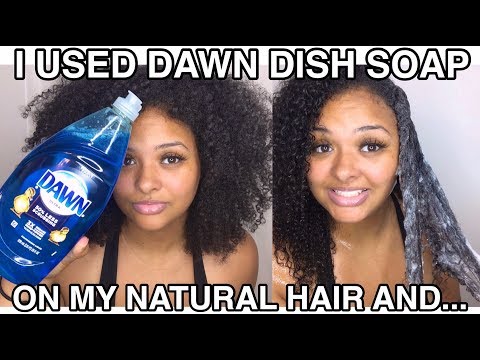
When nothing else works, dish soap can remove even the heaviest coconut oil buildup fast.
Use Sparingly
Apply a pea-sized amount of clear dish soap only to the oiliest areas, usually the scalp and roots. Avoid colored or moisturizing versions.
Lather and Rinse
Work into a lather with warm water. Rinse thoroughly. Immediately follow with a deep conditioner, because dish soap strips all natural oils.
One-Time Solution Only
This method is extremely drying. Never use more than once. It is not safe for keratin-treated or chemically processed hair.
Expert Note: Treat dish soap like a deep clean. It is effective in emergencies but not for regular use.
Use Dry Shampoo or Absorbent Powders
When you cannot wash your hair, dry shampoo or natural powders absorb excess oil quickly and easily.
Choose the Right Powder
Commercial dry shampoos include Batiste, Living Proof, and Klorane. Natural options include cornstarch, arrowroot powder, and baking soda used lightly. For dark hair, mix cocoa powder or activated charcoal to avoid white cast.
Apply to Dry Hair
Sprinkle a small amount, ½ to 1 teaspoon, at the roots. Let sit for 5 to 10 minutes. Brush or comb thoroughly to remove excess.
Best for Quick Fixes
This will not remove all oil, just surface grease. Use when washing is not possible. Follow with a full shampoo later.
Safety Tip: Avoid talc-based powders. They are linked to respiratory risks.
Mix Aloe Vera With Shampoo
Aloe vera gently cleanses the scalp while preventing dryness, making it ideal for sensitive or dry scalps.
Blend and Apply
Mix 2 to 3 tablespoons of pure aloe vera gel with your regular shampoo. Clarifying works best. Work into a lather and apply to wet hair.
Let It Sit
Massage into the scalp and leave on for 10 to 15 minutes. Rinse thoroughly with warm water.
Why It Works
Aloe contains enzymes that help break down oil and improve product penetration. It soothes irritation and adds moisture.
User Feedback: Leaves hair clean but not stripped. Great for frequent oil users.
Prevent Coconut Oil Buildup
The best way to remove coconut oil is to avoid excess buildup in the first place.
Use Less Oil
Short hair needs 1 to 2 teaspoons. Medium hair needs 2 to 4 teaspoons. Long or thick hair needs 4 to 6 teaspoons. Warm the oil in your palms before applying to ensure even distribution.
Apply Strategically
Focus on mid-lengths and ends, not the scalp, unless treating dandruff or dryness. The scalp produces its own oils, and adding coconut oil there increases greasiness.
Dilute With Lighter Oils
Mix coconut oil with jojoba, grapeseed, or sweet almond oil to reduce thickness and improve washability.
Use Heat for Better Absorption
Cover hair with a shower cap and apply a warm towel. Heat opens the cuticle, helping oil absorb deeper, so less sits on the surface.
Wash Within 1 to 2 Hours
Do not leave coconut oil in overnight unless necessary. Prolonged exposure can lead to protein overload, especially in low-porosity hair, causing brittleness and breakage.
Avoid Common Mistakes
Even with the right method, mistakes can leave your hair oily or damaged.
Do Not Use Cold Water
Cold water solidifies coconut oil, making it harder to remove and potentially clogging scalp pores.
Do Not Overuse Harsh Treatments
Baking soda, lemon juice, and dish soap are powerful, but overuse leads to dryness, frizz, and scalp irritation. Limit to once every 1 to 2 weeks.
Do Not Skip Conditioner
Always follow oil removal with a moisturizing conditioner, especially after clarifying, baking soda, or dish soap. These strip natural oils and leave hair vulnerable.
Patch Test First
Try a small amount of any new treatment on your inner arm to check for allergic reactions.
Know When to Seek Alternatives
If your hair still feels greasy after trying multiple methods, consider these alternatives.
Low-Porosity Hair
This hair type repels moisture and absorbs oil slowly. Coconut oil may sit on the surface. Try lighter oils like grapeseed or argan instead.
Product Buildup
If oil is not the only culprit, use a chelating shampoo to remove mineral deposits from hard water.
Scalp Issues
Persistent greasiness, itching, or flaking may indicate seborrheic dermatitis. Consult a dermatologist.
Tools That Help
Use the right tools to boost effectiveness.
Recommended Tools
- Wide-tooth comb helps distribute treatments and pull out oil during rinsing.
- Shower cap traps heat during pre-wash oil treatments for better absorption.
- Microfiber towel gently removes excess oil without frizzing.
- Boar bristle brush distributes natural oils and removes dry shampoo residue.
Frequently Asked Questions About Removing Coconut Oil From Hair
Why does coconut oil make my hair feel greasy?
Coconut oil is thick and highly penetrating. Applying too much or not rinsing with warm water can leave a greasy film on the surface. Overuse leads to buildup, especially on fine or low-porosity hair.
What is the best way to remove coconut oil from hair?
The most effective method is a clarifying shampoo used with lukewarm to warm water. For stubborn cases, combine with a baking soda paste or apple cider vinegar rinse.
Can I mix coconut oil with other oils for easier removal?
Yes. Diluting with lighter oils like jojoba, grapeseed, or sweet almond oil reduces viscosity and makes it easier to wash out.
How can I avoid using too much coconut oil?
Start with a small amount, 1 to 2 teaspoons for short hair. Warm it in your palms, apply from mid-lengths to ends, and avoid the scalp unless treating dandruff or dryness.
Does coconut oil damage hair if not washed out properly?
Yes. Residual oil can attract dirt, block follicles, and lead to scalp acne or dandruff. Long-term buildup may also cause protein overload, weakening hair structure.
Can I use conditioner after removing coconut oil?
Yes, and it is recommended, especially after using clarifying shampoo, baking soda, or dish soap, which can strip moisture.
Key Takeaways for Getting Coconut Oil Out of Hair

By using the right method for your hair type and avoiding common pitfalls, you can enjoy the benefits of coconut oil, deep conditioning, shine, and strength, without the greasy aftermath. Start with clarifying shampoo and warm water, because it is the most effective first step. For sensitive scalps, try the aloe-shampoo mix or ACV rinse. Use dry shampoo for quick touch-ups between washes. Save dish soap and baking soda for stubborn cases, and do not overuse them. Always condition after deep cleansing to protect hair integrity. The key is balance: treat your hair, not suffocate it. With these proven techniques, clean, lightweight, healthy hair is just one wash away.