Hairspray keeps your style in place, but removing it later does not require special chemicals or expensive products. Whether you are dealing with sticky residue on bathroom walls or need to refresh your hair between washes, this guide provides proven methods using everyday items you already have at home. You will learn how to clean surfaces safely with a simple shampoo solution and how to remove hairspray from hair without a full wash.
Clean Hairspray Off Surfaces

Hairspray overspray accumulates on mirrors, walls, countertops, and baseboards over time, creating a sticky film that attracts dust and dulls finishes. The good news: you can remove it effectively using household items.
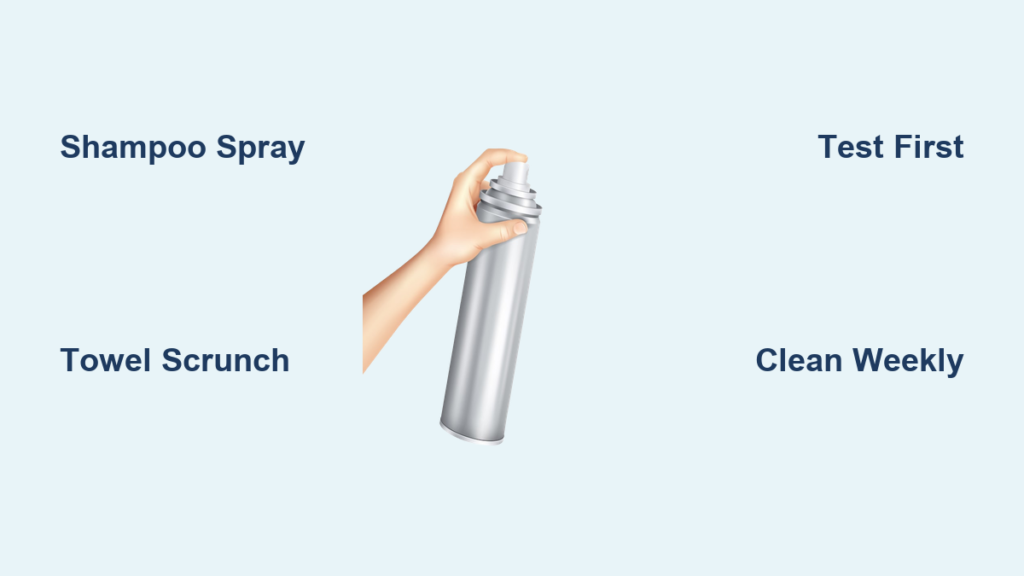
Use Shampoo and Water Spray
The most effective method for removing hairspray from hard surfaces is a diluted shampoo solution. Shampoo is designed to break down styling products, so it works just as well on surfaces as it does in your hair.
What You Need
Prepare these items before starting:
• Empty spray bottle with fine mist nozzle
• Any shampoo, preferably clarifying formula
• Soft sponge
• Microfiber cloth
• Water
Apply 1:2 Shampoo-Water Mix
Follow these steps for best results:
-
Mix the solution: Combine 1 part shampoo with 2 parts water in your spray bottle. Swirl gently to mix. Do not shake, as this creates excessive suds.
-
Spray directly onto affected areas including bathroom walls, mirrors, countertops, baseboards, and cool curling irons.
-
Let sit for 1-2 minutes to break down the polymers in the hairspray.
-
Wipe gently with a soft sponge using circular motions. Avoid scrubbing painted surfaces too hard.
-
Dry with a microfiber cloth to prevent streaks.
-
Do the touch test: Run your hand over the surface. If it still feels sticky, repeat the process.
Pro Tip: Heavy buildup may need 2-3 rounds. Focus on high-spray zones like behind doors or near mirrors.
Avoid Magic Erasers on Paint
Magic Erasers may seem like an easy solution, but they should never be used on painted walls or baseboards. These products are microscopically abrasive and can strip paint or gloss finishes. Users report visible paint loss, especially on semi-gloss finishes. Magic Erasers are safe only on non-porous surfaces like tile or glass, and even then, use them lightly.
Test Before You Clean
Not all surfaces react the same way. Always test your cleaner on a small, hidden area first, especially on freshly painted walls, laminate flooring, or antique wood trim.
Surfaces Safe for Shampoo Spray
This method works safely on:
• Glass and mirrors
• Ceramic tile
• Stainless steel
• Sealed quartz or laminate countertops
• Most painted walls with gentle wiping
Alternative Cleaners to Use with Caution
Consider these options only if shampoo does not work:
• Vinegar-water (50/50): Natural option but may dull stone or waxed finishes
• Isopropyl alcohol (70%): Fast-drying but can damage plastics or tinted surfaces
• All-purpose sprays: Effective but riskier on delicate coatings
Stick with shampoo spray for the gentlest, most effective clean.
Remove Hairspray from Hair Without Washing
You can remove old hairspray from dry hair using a detangler and a towel, no water required. This method is perfect when you want to restyle but skip the wash.
Use Detangler Spray
Detangler sprays loosen product buildup and smooth the hair cuticle. They break down dried hairspray without stripping natural oils.
Best Product to Use
Johnson & Johnson Detangler Spray is widely tested and recommended, though any drugstore detangler works effectively. These sprays contain slip agents that dissolve sticky polymers while adding moisture to prevent breakage. They cost under $5 and last for months. Keep one in your purse, gym bag, or car for quick refreshes.
Spray, Scrunch, Absorb
This three-step method removes stiffness and restores movement to your hair.
Step 1: Apply Generously
Hold the bottle like a shampoo bottle for better control. Spray evenly onto dry hair, focusing on stiff or flaky areas like the crown, ends, and part lines. Do not soak the hair; just apply enough to dampen the strands.
Step 2: Towel-Scrunch Removal
Use a clean, dry microfiber towel. Gently scrunch hair upward from roots to ends. Avoid rubbing, as this causes frizz and tangles. The towel absorbs loosened product while adding texture.
Step 3: Repeat Until Soft
Perform 3-5 cycles of spray, scrunch, and absorb. Stop when hair moves freely, no crunch or white flakes remain, and your fingers glide through strands easily.
Test for Restyling Readiness
After removal, do a quick blow-dry check. Use a low-heat hair dryer and blow through hair while running your fingers through it. If hair feels soft and pliable, it is ready to restyle. If still stiff, repeat the detangler process.
Refresh Hair Between Washes
Frequent shampooing strips natural oils and damages color-treated hair. Removing hairspray without washing helps you extend time between washes while keeping styles fresh.
Benefits of No-Wash Removal
This approach offers several advantages:
• Prevents moisture loss from overwashing
• Reduces frizz and breakage
• Preserves scalp health
• Saves time and water
• Ideal for curly, coily, or dry hair types
Dermatologists recommend limiting shampoo to 2-3 times per week for most hair types.
Maintain Clean Surfaces Regularly
Prevention beats deep cleaning. If you use hairspray daily, clean surfaces weekly to stop buildup from accumulating.
Set a Simple Cleaning Routine
After styling, follow these quick steps:
• Wipe down mirrors and counters with a damp microfiber cloth
• Spray shampoo solution on walls near the sink
• Clean curling irons while they are cool
A 2-minute wipe-down prevents hours of scrubbing later.
Fix Common Hairspray Mistakes

Even careful users make errors. Here is how to fix them fast.
Sticky Walls After Cleaning
Residue remains because the solution was not left long enough, too much pressure was used, or multiple layers were not addressed. Reapply shampoo spray, wait 2 minutes, wipe gently, and dry completely. Repeat if needed.
Hair Still Crunchy After Detangler
This happens when not enough product was applied, absorption was incomplete, or the detangler is old and expired. Use fresh detangler, apply it in sections, and scrunch longer with a dry towel.
Paint Damaged by Magic Eraser
Unfortunately, abrasive cleaners can remove paint permanently. For light scuffs, touch up with matching paint. For large areas, repaint or consult a professional. Always use shampoo spray only on painted surfaces to prevent this damage.
Best Tools for Hairspray Cleanup

Having the right tools makes cleanup much easier:
• Shampoo and spray bottle: Breaks down polymers safely on surfaces
• Soft sponge: Provides gentle scrubbing without scratching
• Microfiber cloth: Dries surfaces streak-free and lint-free
• Detangler spray: Dissolves buildup in hair without water
• Dry towel: Absorbs loosened residue from hair
All of these items are low-cost, widely available, and reusable.
Real-World Use Cases

Parent with a Toddler
A 2-year-old grabs a hairspray can and sprays the bathroom walls. Use shampoo spray and a soft sponge. Clean gently to avoid damaging paint. Repeat if needed. Always do a touch test to confirm smoothness.
Daily Styler or Professional Hairdresser
You face daily residue on mirrors, tools, and counters. Wipe down surfaces after each use with shampoo solution. Clean flat irons while cool. This prevents long-term buildup.
Restyling for a Night Out
Hair is flat and stiff from yesterday’s style. Use detangler spray and towel scrunching. Blow-dry lightly and restyle with fresh product. No wash required.
Final Tips for Success
Keep these points in mind for the best results:
- Start with shampoo spray for the safest, most effective surface cleaning
- Never use Magic Erasers on paint, as risk of permanent damage is too high
- Keep detangler on hand for quick hair refreshes
- Always test first on delicate surfaces or sensitive hair
- Repeat as needed, since built-up residue rarely comes off in one pass
- Dry thoroughly to prevent water spots and mildew
- Maintain a weekly routine, since a little effort prevents big messes
Frequently Asked Questions About Washing Out Hairspray
Does shampoo really work on hairspray residue?
Yes, shampoo works effectively on hairspray residue because it contains the same cleansing agents designed to remove styling products from hair. A 1 part shampoo to 2 parts water solution breaks down the polymers and resins in hairspray on surfaces.
Can I use dish soap instead of shampoo?
While dish soap may work, it is not recommended because it is much stronger and may damage delicate surfaces or leave a film. Shampoo is gentler and specifically formulated to break down styling products safely.
How long should I let the shampoo solution sit?
Let the solution sit for 1-2 minutes to penetrate and break down the hairspray polymers. Longer dwell time improves results, especially on heavy buildup.
Is it safe to use Magic Erasers on bathroom tiles?
Magic Erasers are generally safe on tile and glass but should be used gently. They are abrasive and can scratch glossy finishes if used with too much pressure. Test on a small area first.
Can I use this method on colored hair?
Yes, the detangler spray method is safe for colored hair because it does not involve water or harsh chemicals. It actually helps preserve color by reducing the need for frequent washing.
How often should I clean hairspray off surfaces?
For daily hairspray users, cleaning surfaces weekly prevents buildup. If you use hairspray occasionally, clean surfaces every 2-3 weeks or when buildup becomes noticeable.
Key Takeaways for Washing Out Hairspray Effectively
You do not need special products to wash out hairspray. For surfaces, use a simple shampoo and water solution in a 1:2 ratio, apply it to affected areas, let it sit for 1-2 minutes, then wipe clean with a soft sponge and microfiber cloth. For hair, use a detangler spray with towel scrunching to remove buildup without water. Both methods are fast, safe, and cost-effective, using items you already own. Remember to always test on a small area first, repeat the process as needed for heavy buildup, and maintain regular cleaning to prevent future messes. With these techniques, you can remove hairspray completely from surfaces and hair without harsh chemicals or expensive products.