
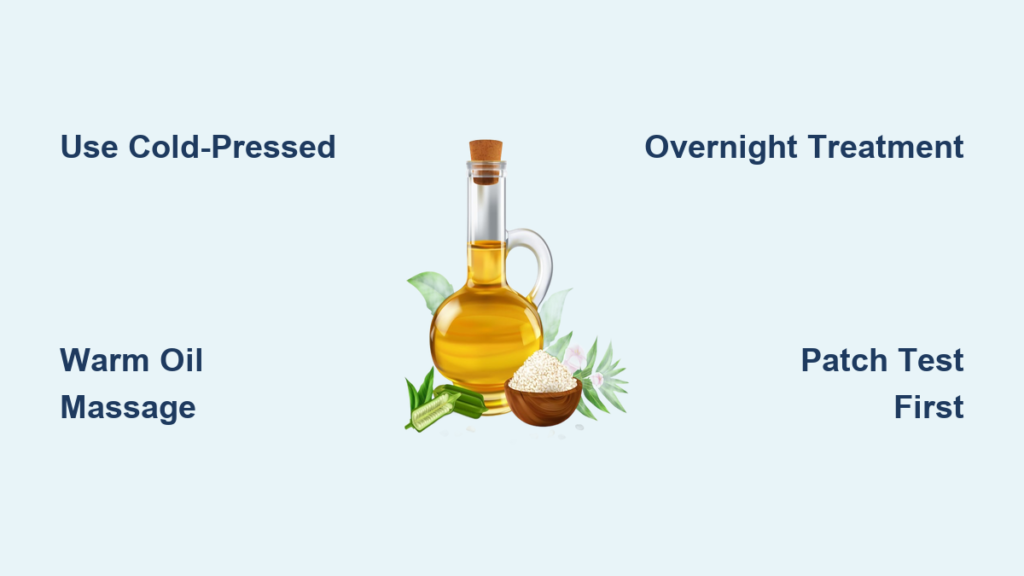
If you’re struggling with thinning hair, dryness, or slow growth, sesame oil for hair growth might be the natural solution you’ve been searching for. Used for centuries in Ayurvedic traditions, this golden elixir isn’t just a cultural staple. Packed with omega fatty acids, vitamin E, zinc, and powerful antioxidants like sesamol, sesame oil nourishes the scalp, strengthens hair follicles, and protects against environmental damage that leads to breakage.
Unlike heavier oils that sit on the surface, cold-pressed sesame oil penetrates deep into the scalp and hair shaft, improving circulation and creating an ideal environment for healthy growth. While it won’t reverse genetic baldness, consistent use can significantly reduce hair fall, boost shine, and support stronger, longer hair over time. In this guide, you’ll learn exactly how to use sesame oil for hair growth step by step.
Choose the Right Sesame Oil for Maximum Growth Benefits

Not all sesame oils are created equal. The type you use makes a major difference in effectiveness.
Cold-Pressed vs. Refined Oil
Cold-pressed sesame oil retains its full nutrient profile because it’s extracted without heat or chemicals. This is the best choice for hair growth.
Refined sesame oil is processed with solvents and high heat, stripping away most beneficial compounds. Avoid this version for hair care.
Toasted sesame oil has a dark color and strong flavor but may irritate the scalp and lacks therapeutic benefits.
Black vs. White Sesame Oil
Black sesame oil offers higher calcium, iron, and antioxidants. It’s traditionally used in Ayurveda for hair and scalp rejuvenation, making it ideal for intensive treatments.
White sesame oil has a milder scent and lighter texture. It’s suitable for daily use and sensitive scalps.
Look for cold-pressed, unrefined, and organic labels. Dark glass bottles ensure purity and maximum potency.
Warm Oil Massage Technique for Hair Growth
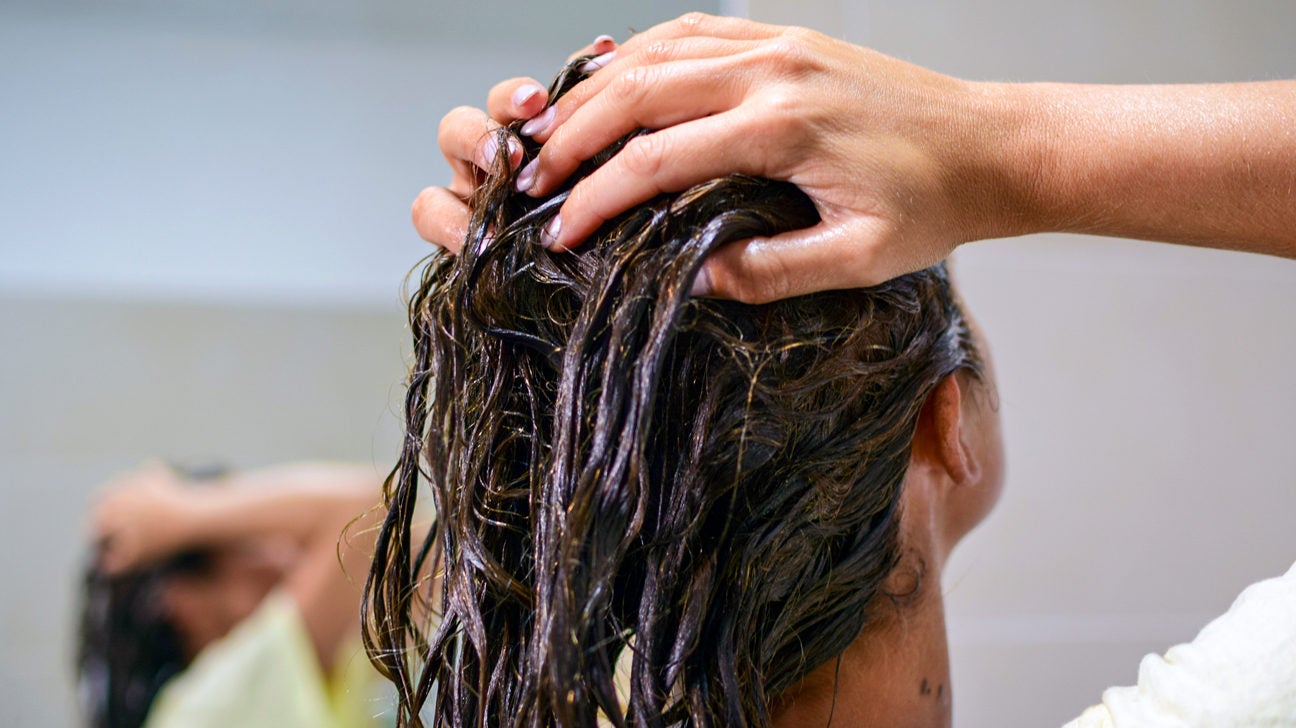
The most effective way to use sesame oil for hair growth is through a regular warm oil massage.
Why Heat Matters
Warming the oil enhances blood flow and improves absorption. Warm oil opens pores and allows nutrients to reach the follicles more effectively.
Step-by-Step Application
Warm two to three tablespoons of sesame oil by placing the bottle in a bowl of hot water. Never microwave the oil.
Test the temperature on your wrist. It should feel comfortably warm, not burning.
Part your hair and apply oil directly to the scalp using your fingertips.
Massage in circular motions for eight to fifteen minutes. Focus on temples, crown, and nape, which are common thinning zones.
Spread remaining oil down to the ends if your hair is dry or damaged.
Cover with a shower cap to lock in moisture and prevent stains.
Leave on for thirty minutes to four hours, or overnight for deeper treatment.
Wash thoroughly with a mild shampoo. You may need two washes to remove residue.
Do this before showering or before bed. Overnight treatments yield the best results for dry or damaged hair.
How Often to Massage
Dry, curly, or coarse hair benefits from two to three massages per week.
Normal hair responds well to one to two times per week.
Fine or oily hair should limit application to once per week, focusing only on the ends.
Avoid overuse. Excess oil can clog pores and attract dirt, leading to scalp buildup.
Pre-Wash Conditioning Treatment to Prevent Breakage

Using sesame oil before shampooing protects your hair from damage caused by cleansing.
How It Works
Shampoo strips natural oils and can cause protein loss, especially in chemically treated or porous hair. Applying oil before washing forms a protective barrier that minimizes this damage.
Application Steps
Apply one to two tablespoons of sesame oil to dry hair fifteen to twenty minutes before washing.
Focus on mid-lengths and ends, which are the oldest and most fragile parts.
Proceed with your regular shampoo and conditioner routine.
Benefits
This method reduces frizz and breakage, prevents split ends, and maintains moisture balance. It’s ideal for color-treated, bleached, or permed hair.
Use this method before every wash if your hair is dry, damaged, or exposed to heat styling.
DIY Sesame Oil Hair Masks for Enhanced Growth
Boost results by combining sesame oil with other natural ingredients tailored to your hair needs.
Hydrating Mask for Dry Hair
Mix two tablespoons of sesame oil with one tablespoon of aloe vera gel and one tablespoon of honey. Add five drops of lavender essential oil if desired.
Apply to scalp and hair. Leave for thirty to forty minutes.
Rinse thoroughly with lukewarm water.
Aloe vera reduces inflammation, honey locks in moisture, and lavender enhances blood flow.
Dandruff-Fighting Scalp Mask
Combine five teaspoons of sesame oil with the juice of half a lemon and two to three drops of tea tree oil.
Apply only to the scalp. Leave for twenty to thirty minutes.
Wash out completely.
Lemon juice can increase sun sensitivity. Avoid sun exposure after use.
Growth-Boosting Blend
Mix two tablespoons of sesame oil with one tablespoon of coconut oil and five drops of rosemary essential oil.
Warm slightly and massage into the scalp.
Leave for one hour, then shampoo.
Research shows rosemary oil is as effective as minoxidil two percent for promoting hair growth without the side effects.
Overnight Scalp Therapy for Deep Absorption

For maximum absorption and repair, leave sesame oil on overnight.
Who Should Try It
This treatment works best for people with dry, flaky scalps, those dealing with dandruff or mild eczema, and anyone with slow-growing or brittle hair.
How to Apply Safely
Warm and massage oil into the scalp.
Cover hair with a shower cap.
Place a towel on your pillow to prevent oil stains.
Wash out in the morning with a clarifying shampoo.
Add one teaspoon of fenugreek powder to the oil before heating for added strengthening benefits.
Daily Use: Lightweight Serum Application
Sesame oil isn’t just for deep treatments. It can be used daily in small amounts.
Lightweight Daily Serum
After washing and drying your hair, take one to two drops of sesame oil.
Rub between palms and gently run over ends or flyaways.
Avoid roots if you have oily hair.
Benefits
This method tames frizz, adds shine, protects against humidity and pollution, and acts as a natural heat protectant with mild SPF properties.
Safety Precautions and Allergic Reactions
While sesame oil is safe for most people, important safety considerations apply.
Allergic Reactions
Sesame allergy is common and can cause itching, redness, swelling, or hives.
Always do a patch test before full application. Apply a pea-sized amount behind the ear or on the inner forearm. Wait twenty-four hours. If no reaction occurs, it’s likely safe to use.
Comedogenicity and Buildup
Sesame oil has a comedogenic rating of three to four, meaning it can clog pores in acne-prone individuals.
If you’re prone to scalp acne or folliculitis, use sparingly and always wash thoroughly.
Who Should Avoid It
Avoid sesame oil if you have a confirmed sesame allergy, active scalp infections, or sudden or patchy hair loss. See a doctor first for any sudden hair loss.
If you notice no improvement after three months, or if hair loss worsens, seek medical advice.
Common Myths About Sesame Oil and Hair Growth
Let’s clear up misconceptions about sesame oil and hair growth.
Myth: Sesame Oil Stops All Hair Fall
It reduces breakage and supports follicle health but cannot stop genetic or medical hair loss.
Myth: It Can Regrow Hair on Bald Spots
No scientific evidence shows sesame oil regrows hair in bald patches. It improves scalp health but is not a cure for baldness.
Myth: All Sesame Oils Are the Same
Cold-pressed black sesame oil is far superior to refined or toasted versions in nutrient content and efficacy.
Myth: Daily Full-Scalp Oiling Is Safe for Everyone
Overuse can lead to greasiness, clogged pores, and fungal growth. Frequency must match your hair type.
Realistic Results: What to Expect Timeline
Hair growth takes time. Here’s what to expect with consistent use.
Two to Four Weeks
Reduced dryness, less frizz, and improved shine appear first.
Six to Eight Weeks
Less breakage, reduced shedding, and softer texture develop.
Three Plus Months
Thicker-looking hair, improved elasticity, and slower greying become visible.
Hair grows about half an inch per month on average. Sesame oil supports healthier growth but won’t double this rate.
Final Tips for Optimal Hair Growth Results
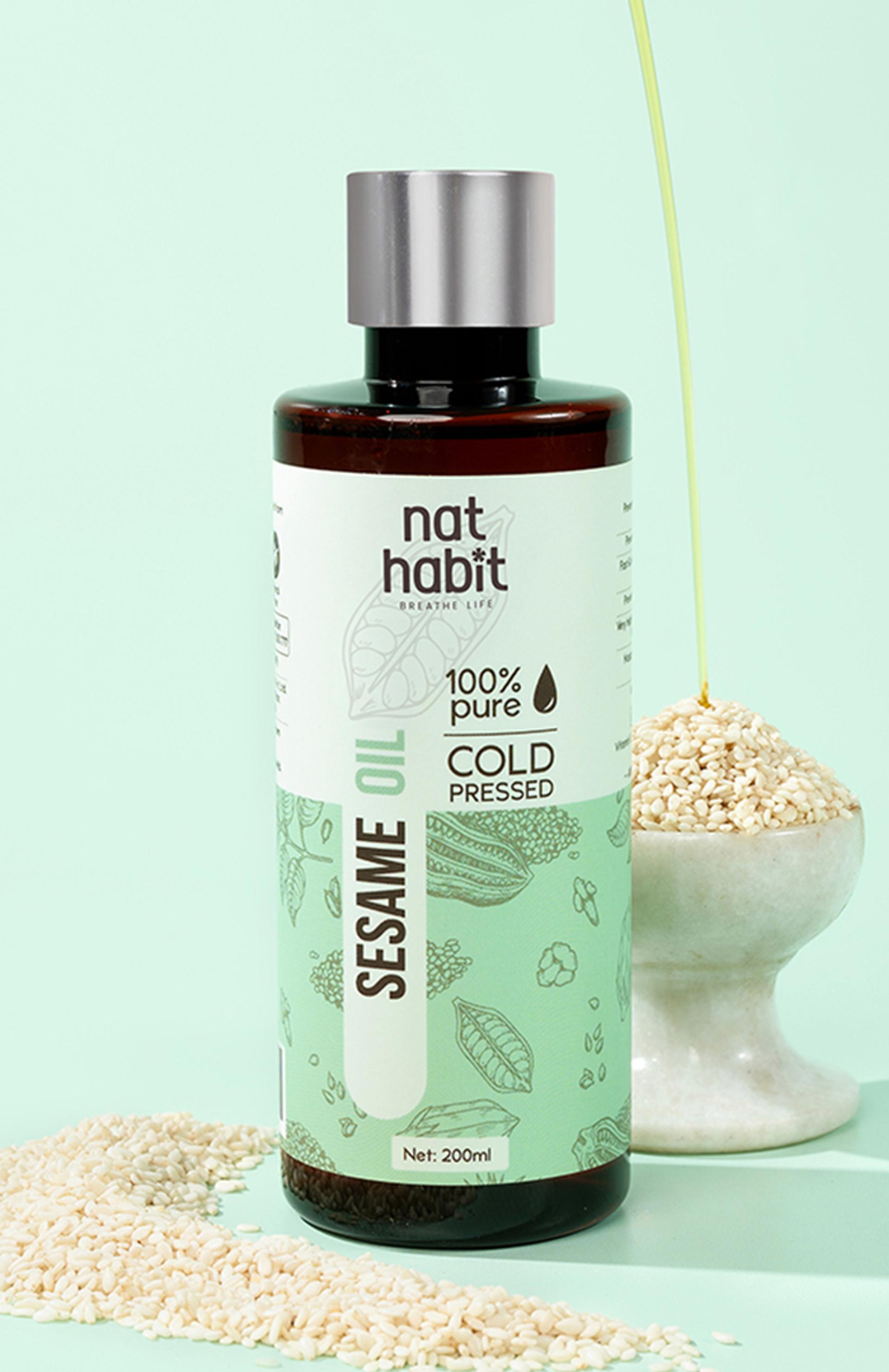
Use cold-pressed black sesame oil for maximum benefits.
Massage one to two times per week for at least eight minutes to boost circulation.
Combine with rosemary or lavender oil to enhance growth stimulation.
Wash thoroughly to avoid buildup.
Patch test first, especially if you have sensitive skin.
Support from within by eating a balanced diet rich in protein, iron, and omega-3s.
Sesame oil is a supportive therapy, not a miracle cure. It works best as part of a holistic hair care routine that includes proper nutrition, stress management, and gentle handling.
Frequently Asked Questions About Sesame Oil for Hair Growth
Does sesame oil actually help hair grow?
Sesame oil supports hair growth by nourishing follicles, improving scalp circulation, and protecting against environmental damage. It reduces breakage and strengthens existing hair, creating conditions for healthier growth. However, it cannot reverse genetic baldness or grow hair in bald patches.
How often should I apply sesame oil for best results?
Apply sesame oil one to three times per week depending on your hair type. Dry or curly hair benefits from two to three weekly applications. Normal hair responds well to one to two times per week. Fine or oily hair should limit use to once weekly, focusing on ends only.
Can I leave sesame oil on my scalp overnight?
Yes, overnight treatment is safe and often more effective for deep absorption. Cover your hair with a shower cap and place a towel on your pillow to prevent staining. Wash thoroughly in the morning with a clarifying shampoo.
Which type of sesame oil is best for hair growth?
Cold-pressed black sesame oil is the best choice. It retains the highest concentration of antioxidants, vitamins, and minerals. Avoid refined or toasted varieties, as they lose most beneficial compounds during processing.
Can sesame oil cause scalp acne or clogged pores?
Sesame oil has a comedogenic rating of three to four, meaning it can clog pores in some people. If you’re prone to scalp acne, use sparingly and always wash thoroughly. Consider blending with lighter oils if you have oily skin.
How long does it take to see results from using sesame oil?
Most users notice reduced dryness and frizz within two to four weeks. Significant results like less breakage and improved texture typically appear after six to eight weeks. Maximum benefits, including thicker-looking hair, appear after three or more months of consistent use.
Key Takeaways for Using Sesame Oil for Hair Growth
Sesame oil works best when you choose cold-pressed black sesame oil and apply it consistently using warm massage techniques. The combination of improved scalp circulation, deep nourishment, and antioxidant protection creates an ideal environment for healthier hair growth.
Remember to patch test first, wash thoroughly to prevent buildup, and adjust frequency based on your hair type. Results take time. Commit to at least three months of consistent use before evaluating effectiveness.
Start with a warm oil massage this week. Your scalp will thank you.