
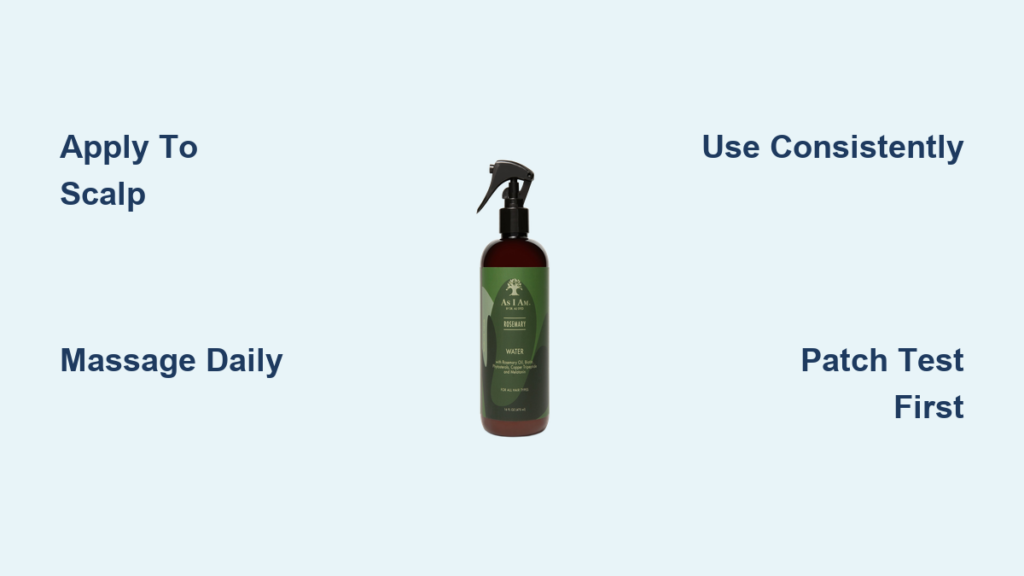
If you’re struggling with thinning hair or slow growth, you’re not alone. Millions of people search for natural solutions to support healthier, fuller hair, and rosemary spray has emerged as one of the most promising options. This simple topical treatment comes from the fragrant herb Rosmarinus officinalis, and research shows it may stimulate follicles, improve scalp circulation, and reduce hair shedding without the harsh side effects of conventional treatments.
In this guide, you’ll learn exactly how to make and use rosemary spray effectively, avoid common mistakes, maximize results with expert techniques, and understand realistic expectations based on clinical evidence.
Make Rosemary Water Infusion at Home
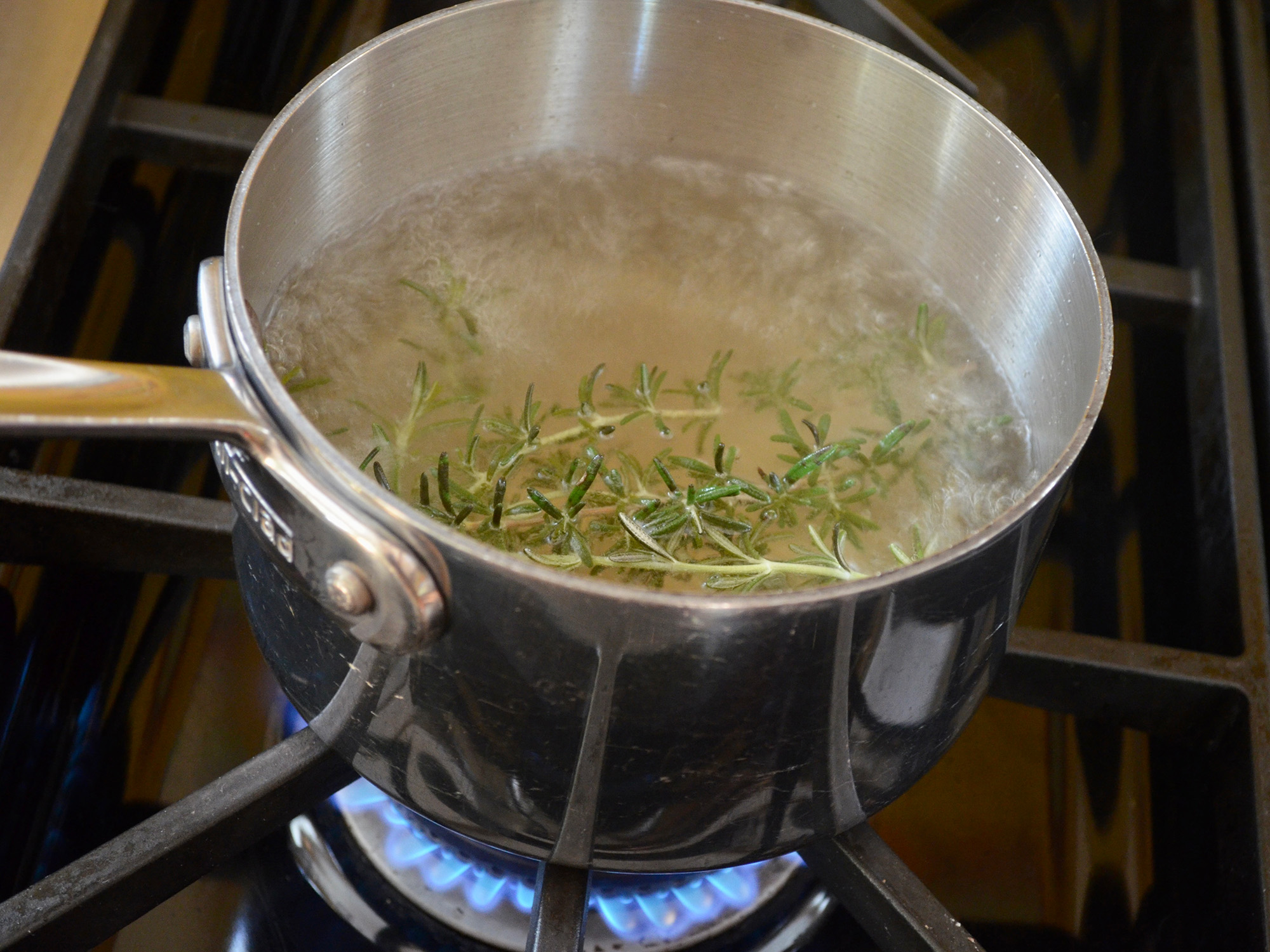
Creating a natural rosemary water spray is simple and cost-effective. This method extracts water-soluble compounds like rosmarinic acid, which help soothe the scalp and reduce inflammation linked to hair loss.
Quick Boil Method (5 to 8 Minutes)
This fast version works well for beginners or those wanting a mild daily mist.
Add 2 to 3 fresh rosemary sprigs or 2 teaspoons dried rosemary to 2 cups boiling water. Boil for 5 to 8 minutes, then remove from heat. Let cool completely for about 1 hour, strain through cheesecloth, and pour into a clean spray bottle. Store in the refrigerator.
Best for: Light daily use, sensitive scalps
Prep time: 15 minutes
Shelf life: Up to 2 weeks refrigerated
Long Steep Method (More Potent)
For a more concentrated infusion, extend both boiling and steeping times.
Boil 3 cups water and add 3 fresh rosemary sprigs. Simmer for 15 minutes, then turn off heat and cover. Let steep for 25 minutes, cool completely, strain, and transfer to a spray bottle.
Pro tip: The longer the steep, the higher the concentration of active compounds. This method is ideal for targeting thinning areas.
Prepare Essential Oil Spray for Stronger Results

For stronger results, use rosemary essential oil, which contains concentrated bioactive molecules like ursolic acid and carnosic acid known to boost microcirculation and protect follicles.
Ingredients and Equipment
You will need 10 drops rosemary essential oil, half a teaspoon Solubol or jojoba or argan oil, 4 ounces distilled water, a 4-ounce amber glass spray bottle, and a mini funnel.
Step-by-Step Mixing
In a small bowl, mix 10 drops essential oil with half a teaspoon Solubol or carrier oil. Pour into the spray bottle using a funnel. Fill the rest with distilled water. Shake vigorously before each use.
Never apply undiluted essential oil directly to the scalp. It can cause burns or allergic reactions.
Why Use a Solubilizer
Essential oils don’t dissolve in water. Without a dispersing agent like Solubol, the oil floats on top, leading to uneven dosing and potential irritation. A solubilizer ensures even distribution and safer application.
Alternative: If you don’t have Solubol, use a lightweight carrier oil like jojoba or argan to blend the essential oil first.
Apply Spray to Scalp Daily
How you apply rosemary spray matters as much as the formula itself. Proper technique enhances absorption and stimulates blood flow to follicles.
Direct Scalp Spritz Technique
Shake the bottle well. Part your hair in sections. Spray directly onto the scalp, focusing on thinning zones like the crown, temples, and part line. Massage gently with fingertips for 2 to 5 minutes.
Target: Roots, not ends
Best time: Morning or night, on dry or damp hair
Frequency: Once daily for essential oil spray, 2 to 3 times per week for infusion
Leave-In or Rinse-Out Options
Most people prefer leave-in application for maximum growth benefits. Don’t rinse out the spray. Let it absorb overnight or throughout the day. For a final rinse after shampooing, pour rosemary water over hair as a finishing step. Comb through and leave in.
Bonus benefit: Rosemary reduces dandruff and itchiness due to its antimicrobial properties.
Try Overnight Treatments Weekly
Boost potency by turning your rosemary spray into an intensive overnight treatment.
How to Do It
Apply generously to scalp and roots. Massage for 3 to 5 minutes. Cover with a shower cap to prevent transfer and increase penetration. Leave on for 6 to 8 hours. Wash out in the morning with a gentle shampoo.
Why it works: Extended contact time allows deeper absorption of active compounds.
Recommended frequency: 1 to 2 times per week
Avoid overuse: Can lead to dryness or buildup, especially with oil-based formulas
Boost Results with Scalp Massage

Pairing rosemary spray with manual scalp massage significantly increases effectiveness.
How Massage Helps
Massage stimulates blood flow to hair follicles, delivers oxygen and nutrients, may activate dormant follicles, and enhances product absorption.
Technique Guide
Use fingertips, not nails. Apply firm but gentle pressure in circular motions. Cover all areas: front, sides, crown, and back. Duration should be 3 to 5 minutes per session.
Time-saving hack: Massage while the spray absorbs during your morning routine or before bed.
Upgrade with Tools
A scalp massage brush improves circulation and exfoliates flakes. A derma roller at 0.5mm can be used once weekly to enhance penetration. Always sanitize derma rollers first and avoid if you have active scalp conditions.
Caution: Never use derma rollers with essential oils unless diluted properly. Risk of irritation is high.
Combine with Other Natural Remedies
Maximize benefits by pairing rosemary spray with complementary treatments.
Synergistic Ingredients
Peppermint oil increases blood flow and provides a cooling sensation. Add 2 to 3 drops to rosemary spray when diluted. Lavender oil promotes relaxation and supports growth. Mix 3 drops per 4-ounce spray. Rice water strengthens hair and reduces breakage. Alternate days with rosemary spray. Castor or jojoba oil locks in moisture and nourishes roots. Apply 2 to 3 drops after spraying.
Patch test first: Always test new combinations on a small skin area before full application.
Weekly Routine Example
Monday, Wednesday, Friday: Rosemary essential oil spray plus massage. Tuesday, Thursday: Rice water rinse. Saturday: Overnight rosemary treatment plus shower cap. Sunday: Rest day or light mist with diluted infusion.
Expect Results in 3 to 6 Months
Patience is essential. Visible improvements take time.
Timeline Breakdown
Weeks 1 to 6: No visible change, but scalp may feel healthier. Month 3: Possible reduction in shedding and slight texture improvement. Month 6: Noticeable increase in density and growth, per clinical studies.
One study found rosemary oil matched minoxidil’s results at 6 months but lagged behind at 3 months. This proves consistency is critical.
No shortcut exists: Skipping days or stopping early will delay or prevent results.
Prevent Side Effects and Overuse
While generally safe, improper use can cause issues.
Common Mistakes to Avoid
Avoid using tap water, which can introduce bacteria. Never skip the patch test. Never apply undiluted essential oil. Don’t leave homemade sprays unrefrigerated. Avoid plastic bottles, which degrade essential oils.
Signs of Irritation
Stop immediately if you experience redness, itching, burning, or flaking or rash.
Solution: Switch to a milder infusion, reduce frequency, or discontinue use.
Who Should Be Cautious
Pregnant or breastfeeding women should consult a doctor first. High-dose rosemary may stimulate uterine contractions. People with epilepsy or high blood pressure should also seek medical advice. Rosemary may interact with medications. Those on blood thinners may experience enhanced bleeding risk.
Always consult your doctor if you have underlying health conditions or are undergoing medical treatment for hair loss.
Store Properly for Maximum Shelf Life
Homemade sprays lack preservatives. Correct storage prevents spoilage.
Best Storage Practices
Use amber glass bottles to block light and preserve potency. Sterilize bottles with hot, soapy water or alcohol. Use distilled water to lower contamination risk. Label with date made. Refrigerate all water-based sprays.
Discard after 2 weeks, or sooner if smell turns sour, liquid becomes cloudy, or mold appears.
Never freeze: Can alter chemical structure and reduce efficacy.
Set Realistic Expectations
Rosemary spray supports hair health, but it isn’t a miracle cure.
What It Can Do
It can reduce hair shedding, improve scalp condition, stimulate new growth over time, and enhance shine and strength.
What It Can’t Do
It cannot regrow hair on completely bald patches, replace medical treatments for androgenetic alopecia, or work instantly or for everyone.
Results vary based on genetics, diet, stress levels, and overall health.
When to See a Doctor
Seek professional help if you notice sudden or patchy hair loss, scalp redness, scaling, or pain, or no improvement after 6 months of consistent use. Underlying causes like thyroid issues, iron deficiency, or hormonal imbalances require diagnosis and targeted treatment.
Compare Rosemary vs Minoxidil

Rosemary spray shows moderate evidence from one clinical study, while minoxidil has strong FDA-approved evidence. Both take 3 to 6 months for results. Rosemary has rare possible irritation, while minoxidil commonly causes itching and dryness. Rosemary costs $5 to $10 DIY, while minoxidil costs $20 to $40 monthly. Rosemary is easy to prepare at home, while minoxidil is over-the-counter and regulated. Rosemary is safe for long-term use, while minoxidil may cause possible dependency.
Bottom line: Rosemary is a natural, affordable alternative with comparable long-term results and fewer side effects, but it requires discipline and time.
Support Growth from Within
Topical sprays work best when paired with internal support.
Diet Tips for Hair Health
Eat iron-rich foods like spinach, lentils, and red meat. Get enough protein from eggs, fish, and legumes. Consume vitamin C to boost collagen and iron absorption. Include omega-3s from salmon, chia seeds, and walnuts. Stay hydrated to support scalp hydration.
Consider Supplements
Biotin supports keratin production. Collagen peptides may improve hair thickness. Zinc and vitamin D deficiencies are linked to hair loss.
Always talk to a healthcare provider before starting supplements.
Final Tips for Success
To get the most from your rosemary spray, follow these guidelines.
Stick to a routine and use it consistently for at least 6 months. Use quality ingredients like organic rosemary, pure essential oil, and distilled water. Patch test every new batch, especially when adding other oils. Massage daily to double the circulatory benefit. Monitor progress by taking monthly photos under the same lighting. Combine with healthy habits including sleep, hydration, and low stress.
Frequently Asked Questions About Rosemary Spray for Hair Growth
How long does it take to see results from rosemary spray?
Most users see initial improvements around the 3-month mark, with more noticeable results at 6 months. Clinical studies show rosemary oil matches minoxidil’s effectiveness at 6 months but is less effective at 3 months. Consistency is crucial. Skipping applications will delay results.
Can I use rosemary spray on colored or chemically treated hair?
Rosemary water infusion is generally safe for colored hair, but essential oil formulas may affect color over time. Always patch test first and consider using the gentler infusion method if you have processed hair. Rinse thoroughly if any buildup occurs.
Is it better to use fresh rosemary or dried rosemary for the infusion?
Fresh rosemary contains more active compounds and produces a more potent infusion. However, dried rosemary is a convenient alternative and works well. Use 2 to 3 fresh sprigs or 2 teaspoons dried per 2 cups of water. Both methods extract beneficial compounds effectively.
Can I use rosemary spray if I have a sensitive scalp?
Yes, but start slowly. Begin with the milder rosemary water infusion rather than essential oil spray. Apply 1 to 2 times per week initially and monitor for irritation. Always patch test behind your ear or on your inner forearm 24 hours before full application.
Does rosemary spray help with dandruff?
Rosemary has antimicrobial properties that can reduce scalp inflammation and dandruff. Regular use may alleviate itchiness and flaking. For best results, apply to the scalp and leave it in as a leave-in treatment rather than rinsing out.
Can I use rosemary spray with other hair growth treatments?
Yes, rosemary spray can be combined with other natural remedies like rice water rinses, castor oil, or jojoba oil. However, avoid combining multiple essential oil formulations simultaneously, as this increases irritation risk. Alternate treatments throughout the week rather than layering them.
Key Takeaways for Using Rosemary Spray
Rosemary spray offers a science-backed, natural approach to supporting hair growth. The key to success lies in proper preparation, consistent application, and realistic expectations. Whether you choose a gentle water infusion or a more potent essential oil formula, apply the spray directly to the scalp and massage daily to stimulate circulation. Combine with a healthy diet, proper storage, and patience for best results. Most users see improvements within 3 to 6 months, though individual results vary based on genetics and overall health. Always patch test before full use, and consult your doctor if you have underlying health conditions or experience any irritation.