
You’ve seen those gorgeous beachy highlights that look like summer in a bottle. But salon visits cost a fortune, and traditional bleach feels too risky for at-home use. Hair lightening spray offers a gentler alternative that gradually brightens your strands using mild oxidizing agents like hydrogen peroxide or natural ingredients such as lemon juice and chamomile. These sprays are designed for light blondes wanting extra brightness, root blending, or a seasonal refresh—not for dramatic transformations from dark brown to platinum. If you’re ready to learn how to use hair lightening spray safely and effectively, this guide covers everything from product selection to post-treatment care.
Choose the Right Spray for Your Hair Type
Not all lightening sprays work the same way. Your results depend heavily on selecting a product that matches your hair type and activation preferences.
Match Formula to Activation Method
Some sprays need sunlight to work, while others require heat tools. Consider your lifestyle when choosing.
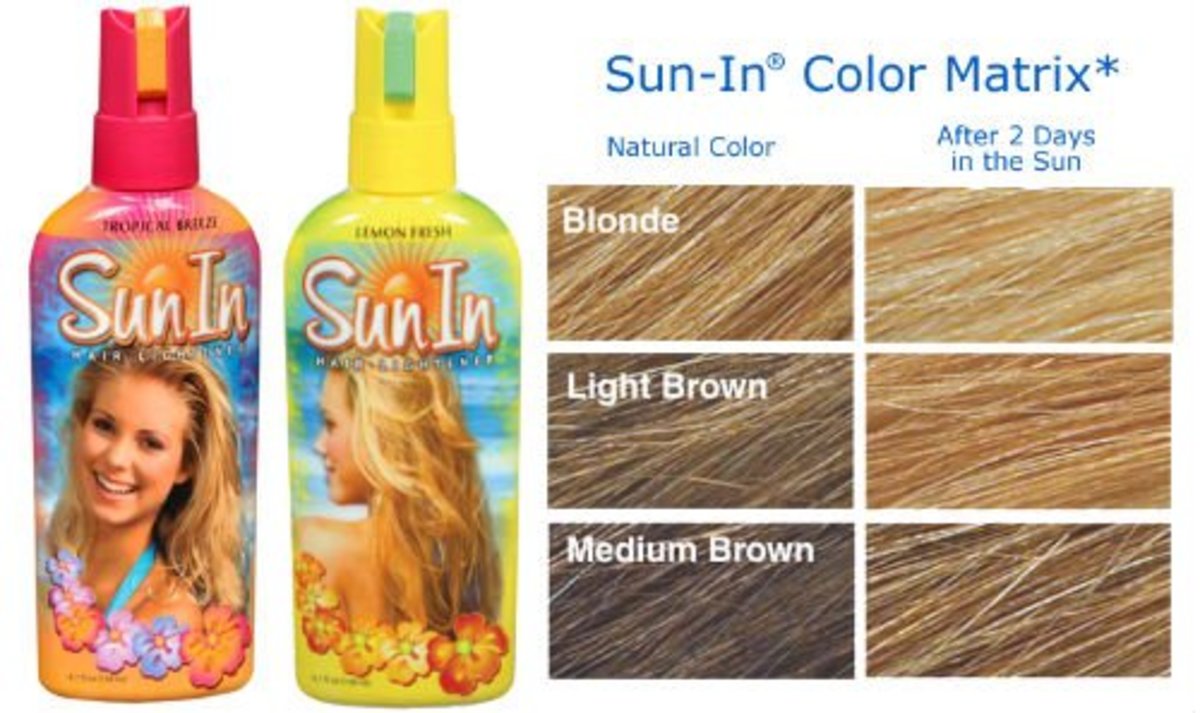
Sunlight-activated products like SUN-IN, Klorane, and Halley work best when you can spend time outdoors. Apply the spray, then go outside for 1 to 2 hours and let UV rays activate the lightening process.
Heat-activated options like Go Blonder and dpHue require blow drying and flat ironing after application. These work well if you live in cloudy climates or prefer controlled application.
Dual-activated sprays like Sun Bum and Not Your Mother offer flexibility. You can use sunlight or heat depending on the weather, making them ideal for year-round use.
Peroxide-free formulas from brands like Oribe and Klorane provide safer options for color-treated hair, though results are more gradual.
Pro Tip: If you have dark hair at level 6 or below, avoid peroxide-heavy formulas unless you’re prepared for brassiness and potential dryness.
Look for Toning Ingredients
Many modern sprays include purple pigments to combat warmth as they lighten. Go Blonder Violet Crush and Sun Bum Purple Shampoo both neutralize yellow-orange tones during the lightening process. Look for products claiming “brass control” to maintain cool, salon-quality blonde results.
Avoid overspending on products that add glitter or pleasant scents without delivering actual lightening power. Read labels carefully and choose formulas with proven active ingredients.
Prep Your Hair Before Application
Skipping preparation leads to patchy results or unnecessary damage. Take these steps before applying any spray.
Wash and Condition Clean Hair
Apply spray only to clean, freshly washed hair. Oils, residue, and product buildup block even absorption and cause inconsistent processing.
Use a clarifying shampoo once a week to remove buildup, then follow with conditioner focusing on mid-lengths and ends. Rinse thoroughly to ensure no leftover product film remains on the strands.
Why it matters: Dirty hair creates uneven processing, resulting in splotchy highlights that look unnatural.
Towel-Dry to Damp, Not Wet
Most sprays work best on damp, towel-dried hair rather than soaking wet strands.
Squeeze excess water from hair using a microfiber towel. Hair should feel damp but not dripping wet. The exception is Go Blonder, which explicitly warns against damp hair because it absorbs too much product, increasing breakage risk.
Detangle and Section
Use a wide-tooth comb to gently detangle hair, working from ends upward to avoid damage.
Divide hair into 4 to 6 sections using clips. This ensures full coverage, prevents missed spots, and allows for controlled application. You should see individual strands clearly when parting each section.
Always Do a Strand Test First
Never skip this step, especially if you have dark or previously colored hair.
Test on a Hidden Section
Spray 1 to 2 times on a small area behind your ear or at the nape of your neck. Activate using your planned method, whether sun or heat.
Wait 24 hours to fully assess the final color change, texture changes like dryness or brittleness, and brassiness level.
Real user result: One tester with light brown hair went from brassy orange to beach blonde only after adding purple shampoo to her routine.
Evaluate Before Full Use
Ask yourself whether the tone is acceptable, if the hair feels rough or straw-like, and whether the lightening happened evenly. If any red flags appear, switch products or reconsider usage entirely.
Expert warning from colorist Quia Querisma: “Once melanin is oxidized, it’s permanent. You can’t undo it.”
Apply Spray Correctly for Natural Results

How you apply directly affects how natural your highlights look.
Hold Bottle 6-8 Inches Away
Spray from a distance to avoid oversaturation. Mist lightly rather than drenching the hair.
Focus on areas needing lift: ends, regrowth, and face-framing pieces. Avoid spraying directly on roots unless blending gray hair or roots.
Over-spraying leads to over-processing, which causes breakage and damage.
Target Strategically for Sun-Kissed Effects
Want beachy highlights rather than stripes? Use these targeted techniques.
For face-framing highlights, lightly mist 1-inch sections around the face. For root blending, part hair into 1-inch slices and spray only the new growth. For ends brightening, skip the scalp entirely and hit only the last 6 inches of hair.
Pro tip: For subtle effects, spray only every other section rather than covering everything.
Don’t Oversaturate
One pass per section is sufficient. More product does not equal faster results.
Excess spray leads to dryness and uneven lift. If hair looks wet or shiny after application, you’ve used too much.
Go Blonder recommends limiting use to 10 applications per section maximum. After that point, damage risk increases significantly.
Activate the Lightening Process Properly
This is where results happen, but only if activation is done correctly.
Using Sunlight Effectively
For UV-activated sprays like SUN-IN, Klorane, and Halley, go outside within 5 minutes of spraying. Stay in direct sunlight for 1 to 2 hours.
Maximum exposure should not exceed 4 to 5 hours. Longer exposure increases dryness and risks scalp sunburn. Wear a hat or apply sunscreen to protect your scalp.
The best time for activation is between 10 a.m. and 2 p.m. when UV rays are strongest.
Reapply daily for 3 to 5 days for cumulative effect.
Using Heat Tools When Required
For heat-dependent sprays like Go Blonder and dpHue, follow this sequence.
First, blow dry hair completely with no dampness remaining. Then flat iron or curl each section on low-medium heat between 300 and 350 degrees Fahrenheit. Pass each strand 2 to 3 times.
Heat accelerates peroxide breakdown, which means faster lift. However, high heat combined with peroxide causes major damage. Use a heat protectant if the product allows it.
Dual Activation for Best Results
With products like Sun Bum or Not Your Mother, you have flexibility.
Use sun when possible for natural-looking results. Switch to blow dryer and flat iron on cloudy days. Still follow usage limits and never apply more than once between washes.
Sun Bum works best on already lightened hair, enhancing existing highlights rather than creating new ones.
Rinse and Condition After Use
Proper post-care prevents damage and locks in your results.
Rinse Only If Required
Most sprays are leave-in formulas that don’t require rinsing.
Exceptions include dpHue Blonding Brush, which must be rinsed after drying, and any product causing irritation. Wash those off immediately.
Use cool or lukewarm water to seal cuticles and preserve shine.
Deep Condition Immediately
Peroxide strips moisture from hair, so replenish it right away.
Apply a deep conditioning mask like Olaplex No.3 or SheaMoisture. Leave it on for 10 to 20 minutes under a shower cap, then rinse thoroughly.
Do this after every application, even if hair feels fine. Prevention is easier than repair.
Use Leave-In Protection
Follow up with leave-in conditioner, detangler spray, or a 3-in-1 treatment that conditions, adds shine, and protects from heat.
Look for key ingredients like aloe vera, silicones such as dimethicone, and argan oil.
Prevent Brassiness With Regular Toning
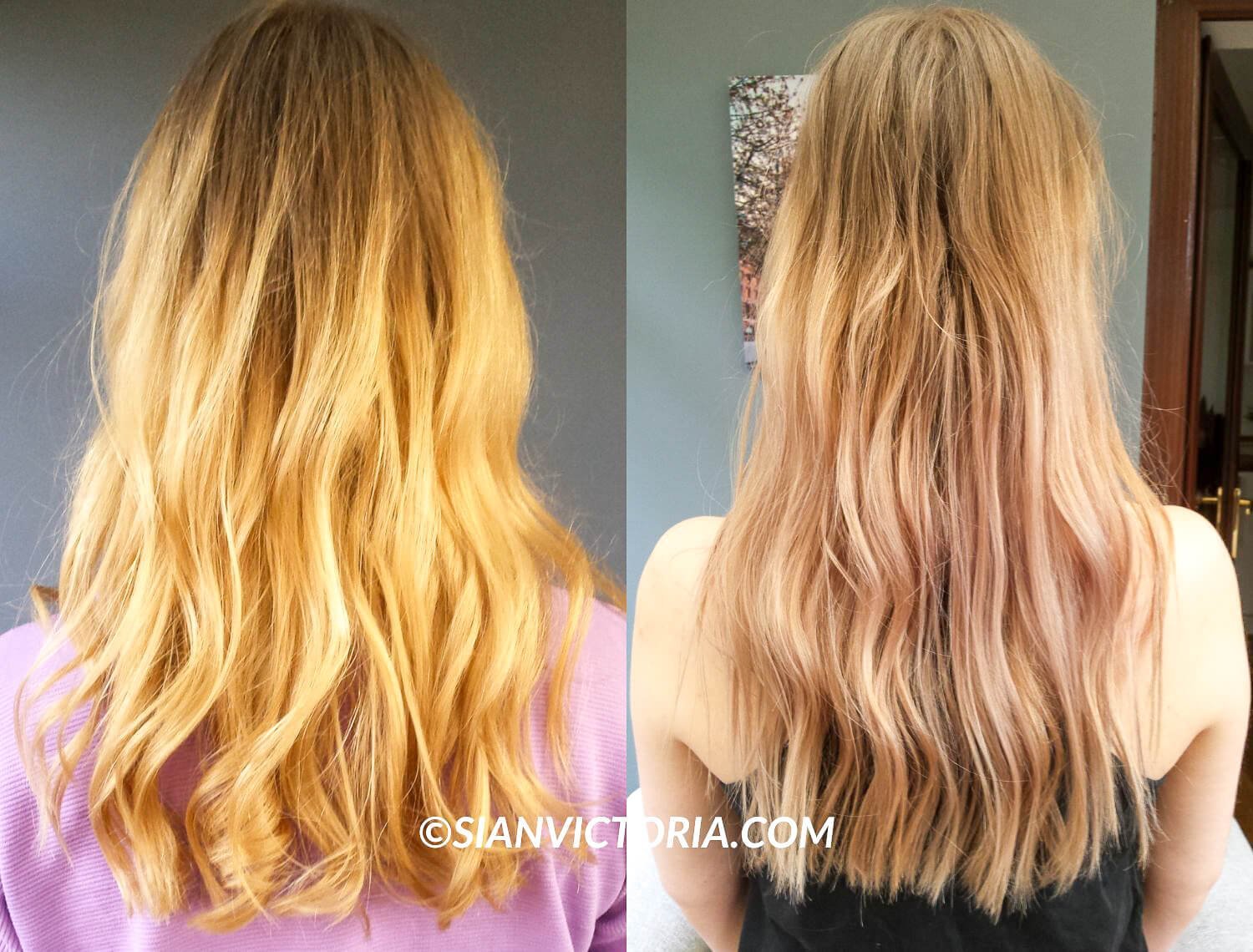
All lightening causes warmth. Fight it before it takes over.
Why Hair Turns Brassy
Hair contains two types of melanin. Eumelanin, which is black and brown, removes first. Pheomelanin, which is red and yellow, stays behind.
This explains why orange-gold tones appear, especially on level 6 to 7 hair.
Use Purple Shampoo Weekly
Neutralize yellow tones with violet pigments.
Use purple shampoo 1 to 2 times per week, not daily, because overuse can tint hair gray. Apply to wet hair, leave for 3 to 5 minutes, then rinse.
For severe brassiness, mix purple shampoo with regular shampoo to dilute the effect.
Try Toning Treatments for Stronger Correction
For more significant correction, consider demi-permanent glosses like Redken Blondage, at-home toners with blue and violet pigments, or professional salon glazes if home care fails.
Toning doesn’t lighten hair—it only neutralizes unwanted warm tones.
Limit Frequency to Avoid Damage
More applications don’t mean better results. Overuse destroys hair.
Follow Weekly Limits
Different products have different recommendations. SUN-IN works best once per week. Sun Bum can be used up to 2 times per week. Go Blonder should be used every other wash, with a maximum of 10 uses per section.
As a general rule, stick to 1 to 2 applications per week and never exceed 10 uses on the same section.
Sun Bum advises: “Don’t use more than once between shampoos.”
Never Apply Overnight
Oxidation continues until you rinse. Leaving spray on overnight leads to over-processed, brittle hair.
Set a timer and limit sun or heat exposure to 1 to 2 hours maximum.
Wait Before Coloring
Go Blonder recommends waiting 2 weeks after your last use before dyeing or highlighting.
Peroxide weakens hair, and additional chemicals increase breakage risk. Always tell your stylist about prior spray use to prevent over-processing.
Know What Results to Expect

Manage expectations. This isn’t bleach.
Results by Hair Color Level
Level 10 to 9 platinum to very light blonde hair achieves a brighter, golden glow.
Level 8 light blonde hair lightens up to 1 to 2 shades.
Level 7 medium blonde shows mild lift and typically needs toning.
Level 6 to 5 dark blonde to light brown shows slight change and tends to look very brassy.
Level 4 and below brown to black shows minimal lift with orange tones.
One reviewer noted: “My cousin’s dark brown hair turned Tennessee orange.”
Timeframe for Visible Change
First results appear after 2 to 3 uses. Full effect develops over 2 to 4 weeks with weekly use. Maximum lift reaches 2 to 3 shades.
This is a buildable process, not an instant transformation. Patience is essential.
Avoid Common Mistakes
Even small errors ruin results.
Mistake: Using on Wet Hair
Go Blonder explicitly states: do not apply to damp hair. Damp strands absorb too much product, leading to patchiness and breakage. Wait until hair is towel-dried or air-dried.
Mistake: Skipping Toning
No toning equals brassy disaster. Yellow tones appear within days. Start your purple shampoo routine immediately after first use.
Mistake: Applying to Color-Treated Hair
Artificial dyes react unpredictably with lightening sprays. Fashion colors like Pana Vivids may fade unevenly. Permanent dye can lift or turn patchy.
This is not recommended unless you intentionally want fading.
Mistake: Ignoring Porosity
Damaged or porous hair lightens faster and more unevenly. Pre-lightened ends may turn orange while roots stay dark. Apply less product to ends and more to roots.
Maintain Results Long-Term
Keep your glow without wrecking your hair.
Hydrate Weekly
Dryness is inevitable, so fight it aggressively.
Hot oil treatments using olive, avocado, or grapeseed oil once a week help. Protein masks every 2 to 3 weeks rebuild strength. Avoid sulfates by using sulfate-free shampoos to preserve moisture.
Protect From Further Damage
Limit heat styling when possible. Use UV-protectant sprays during summer months. Sleep on a silk pillowcase to reduce friction and breakage.
Blend Roots Between Touch-Ups
Use spray to soften regrowth lines without salon visits. Part hair and mist only new growth. Activate with blow dryer for precision. Avoid overlapping onto already lightened sections.
Who Should and Shouldn’t Use It
Be honest about your goals.
Ideal Users
Natural light blondes at level 8 to 10 work best. People wanting subtle, sun-kissed brightness benefit most. Those blending roots or enhancing existing highlights see great results. Teens or beginners testing lightening safely can use these products. Anyone seeking a low-maintenance summer look will enjoy the results.
One Sun Bum user said: “It almost doubles as a hair perfume and lightener. I notice a difference within a week.”
Not Recommended For
Dark brown or black hair expecting dramatic blonde transformation should avoid these sprays. People expecting instant, dramatic changes will be disappointed. Those unwilling to tone or deep condition will struggle with results. Damaged or highly porous hair needs repair first. Anyone wanting uniform color or foil-level precision should visit a salon instead.
Stylist Maria McCool warns: “If you mess up, you pay double for color correction.”
Frequently Asked Questions About How to Use Hair Lightening Spray
How long does hair lightening spray take to work?
First visible results typically appear after 2 to 3 applications. Full effect develops over 2 to 4 weeks with consistent weekly use. The process is gradual and buildable, not instant.
Can I use hair lightening spray on dark brown hair?
Results are minimal on dark brown hair, typically resulting in orange or gold tones rather than blonde. These sprays work best on light blonde hair at level 7 or above. Darker hair requires professional bleaching for significant lift.
Do I need to use purple shampoo after lightening spray?
Yes, purple shampoo is highly recommended. All lightening causes warm tones that appear brassy. Using purple shampoo 1 to 2 times per week neutralizes yellow and orange undertones for cooler results.
Can I use hair lightening spray on color-treated hair?
This is not recommended. Lightening sprays can lift or distort artificial dyes, causing uneven fading or patchy color. Only use on virgin hair or hair you want to intentionally fade.
How often should I apply hair lightening spray?
Most products recommend 1 to 2 applications per week. Never apply more than once between washes. Go Blonder limits use to 10 applications per section maximum to prevent damage.
Does hair lightening spray damage hair?
Hydrogen peroxide in most formulas can cause dryness and damage with overuse. Following usage limits, deep conditioning after each application, and avoiding overnight application helps minimize damage. Results are permanent, so proceed carefully.
Key Takeaways for Using Hair Lightening Spray
Hair lightening spray works best as a refinement tool for already light hair, not as a transformation agent for dark strands. Success depends on choosing the right product for your activation method, whether sunlight or heat tools. Always prep hair properly with clean, damp strands and section carefully before applying. Never skip the strand test—this permanent color change requires caution. Limit frequency to 1 to 2 times per week, and combat inevitable brassiness with purple shampoo and regular deep conditioning. With patience and proper care, you can achieve that effortless, beachy glow safely at home.