
Peppermint oil has surged in popularity as a natural remedy for hair growth, backed by a compelling animal study showing it outperformed minoxidil in stimulating follicular development. While human data remains limited, the science suggests that when used correctly, peppermint oil may support a healthier scalp environment, boost circulation, and encourage hair regrowth. The key lies in proper dilution, consistent application, and combining it with other proven strategies.
This guide breaks down exactly how to use peppermint oil for hair growth based on scientific evidence, formulation best practices, and safety protocols. You will learn the most effective methods, realistic timelines, and how to avoid common mistakes that could lead to irritation or disappointment.
Apply Diluted Peppermint Oil to Scalp
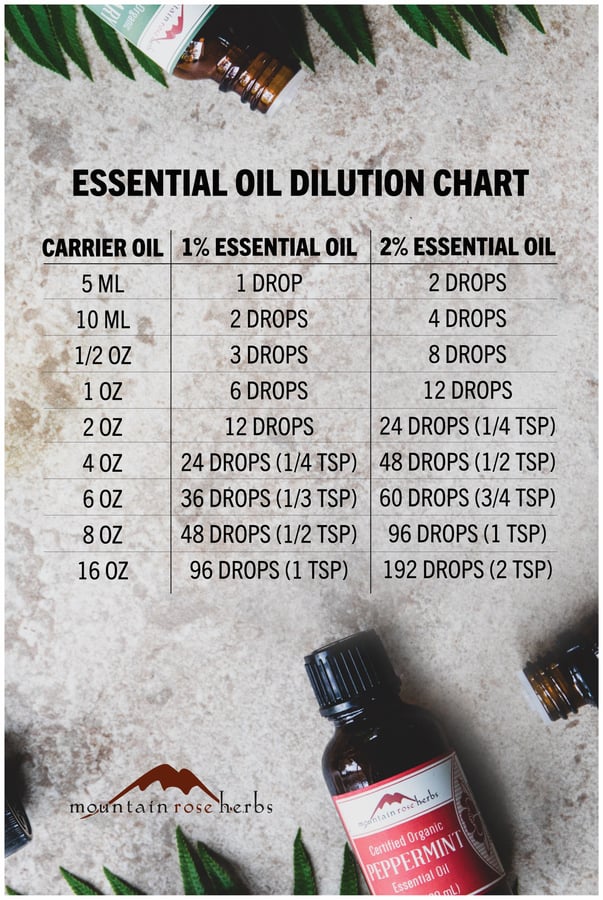
Never use undiluted peppermint oil on your scalp. Its high menthol content, which can reach up to 42%, can cause burning, redness, or chemical burns if applied directly. Always dilute in a carrier oil to ensure safety and maximize benefits.
Choose Correct Dilution Ratio
Stick to a 1 to 3% concentration for safe and effective use. The recommended ratios are:
• 1% dilution: 1 drop of peppermint oil per teaspoon (5 mL) of carrier oil
• 3% dilution: 3 drops per teaspoon
Start with 1% if you have sensitive skin or are new to essential oils. Increase to 3% only after confirming no adverse reaction.
Pick the Right Carrier Oil
The carrier oil enhances absorption and nourishes the scalp. Choose from these options:
• Jojoba oil: mimics natural sebum, ideal for balancing oily or acne-prone scalps
• Castor oil: thick and sticky, promotes retention and follicle stimulation
• Coconut oil: penetrates hair shafts, offers antimicrobial and moisturizing benefits
• Olive oil: rich in antioxidants, best for dry or coarse hair
Mix 2 to 3 drops of peppermint oil into 1 teaspoon of your chosen carrier oil before each use.
Massage Into Scalp for Maximum Effect
Application technique matters. Simply applying the oil is not enough. Massage activates multiple growth pathways that enhance the benefits.
Use Circular Motion for 2 to 3 Minutes
Apply the diluted oil using your fingertips and massage in small circles across the scalp. Focus on thinning areas but cover the entire scalp for even stimulation.
Massage does more than feel good. It creates mechanical traction on dermal papilla cells that increases hair thickness, enhances blood flow to deliver oxygen and nutrients to follicles, and helps distribute oil evenly while unclogging follicles.
Perform 2 to 3 Times Weekly
For optimal results, apply and massage 2 to 3 times per week. Daily use is possible with 1% dilution, but monitor for dryness or irritation.
Always use the pads of your fingers rather than nails to prevent micro-tears in the scalp.
Leave On for 1 Hour or Overnight
Time matters. Short rinses will not deliver the deep penetration needed for follicular stimulation.
Minimum: 1-Hour Treatment
Leave the oil on for at least 60 minutes before washing. This gives menthol time to activate TRPM8 receptors, dilate blood vessels, and upregulate IGF-1 and ALP activity.
Wrap hair in a towel or wear a shower cap to prevent transfer and enhance absorption.
Optimal: Overnight Application
For deeper penetration, apply before bed and leave overnight. This maximizes exposure time and mimics the 6-day-per-week regimen used in the 2014 mouse study.
Rinse thoroughly in the morning with a gentle shampoo.
Try Proven DIY Formulations
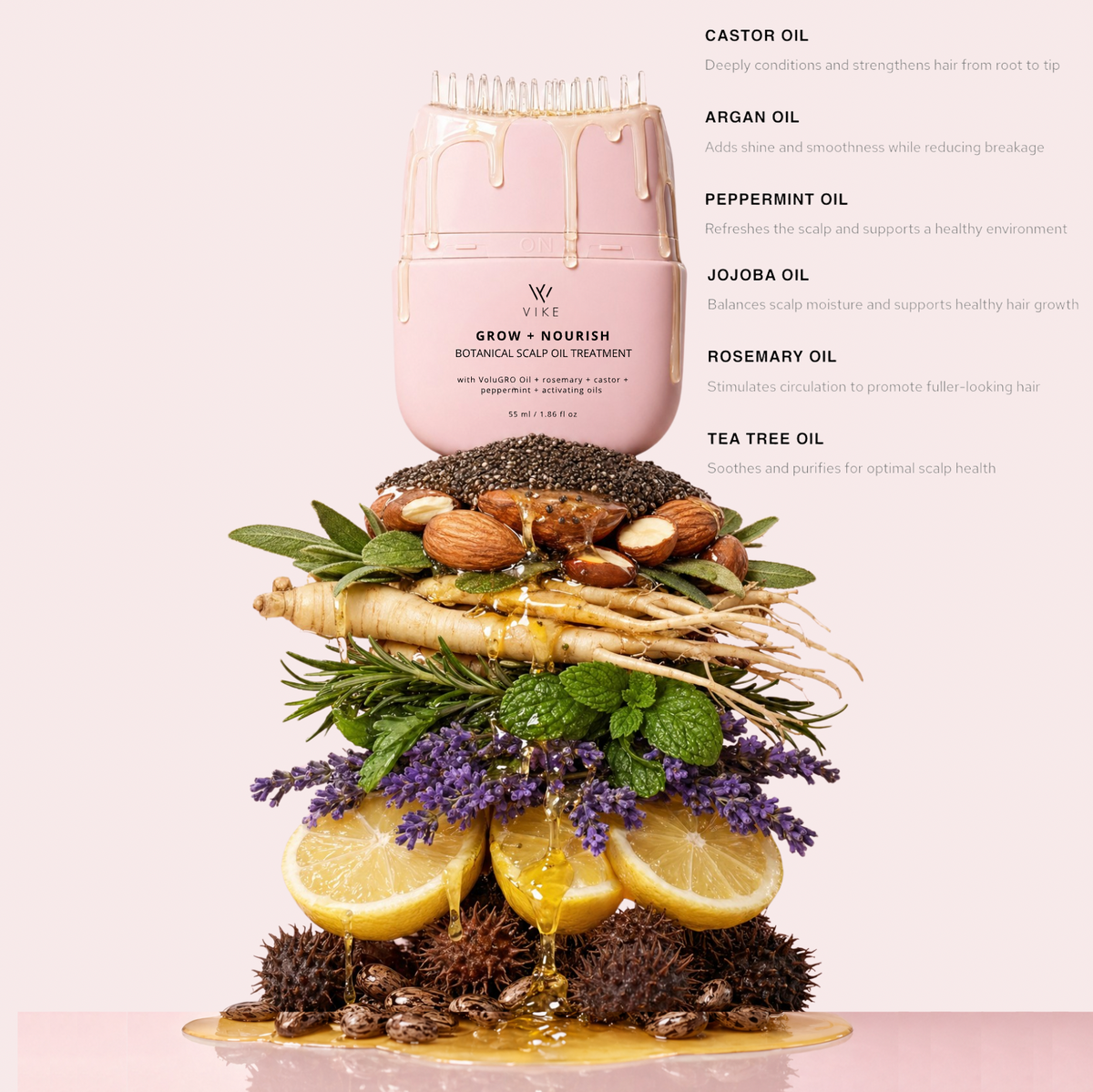
Custom blends boost convenience and effectiveness. Here are science-backed recipes you can make at home.
Revitalizing Hair Growth Serum
Ingredients:
• 1 teaspoon jojoba oil
• 3 drops peppermint oil
How to Use:
1. Mix and massage into scalp
2. Leave on for 1+ hour or overnight
3. Repeat 2 to 3 times weekly
This simple serum delivers concentrated stimulation without buildup.
Invigorating Peppermint Shampoo
Ingredients:
• ½ cup castile soap
• ½ cup distilled water
• 2 teaspoons jojoba oil
• 10 drops rosemary oil
• 5 drops peppermint oil
Instructions:
1. Add castile soap to a bottle
2. Mix in oils
3. Add water and shake gently
Use 3 to 4 times per week. Shake before each use. Rosemary oil complements peppermint by supporting circulation and reducing inflammation.
Soothing Scalp Treatment Mask
Ingredients:
• 2 tablespoons castor oil
• 1 teaspoon jojoba oil
• 5 drops peppermint oil
Instructions:
1. Combine and apply to scalp
2. Cover and leave for 1 to 2 hours
3. Wash out with shampoo
Castor oil is ricinoleic acid provides anti-inflammatory support, enhancing peppermint effects.
Exfoliating Scalp Scrub
Ingredients:
• 2 tablespoons sugar
• 1 tablespoon jojoba oil
• 1 tablespoon honey
• 2 to 3 drops peppermint oil
Instructions:
1. Mix ingredients
2. Gently massage into wet scalp for 3 to 5 minutes
3. Rinse and shampoo
Use once weekly to remove dead skin, unclog follicles, and improve product absorption.
Monitor Results Over 6 to 8 Months
Hair growth takes time. Do not expect overnight miracles.
Track Progress Systematically
Set a 6 to 8 month trial period and monitor using monthly photos taken with same lighting, angle, and parting. Count hair in a fixed area such as temple or crown. Keep shedding logs by tracking towel and brush inspection.
The 2014 mouse study showed results in 2 to 4 weeks, but human hair cycles are much longer. The anagen phase lasts 2 to 6 years, so patience is essential.
Expect Gradual Improvements
Look for reduced shedding within 6 to 12 weeks, increased density or fuzziness at 3 to 6 months, and visible regrowth if possible by 6 to 8 months.
If no measurable improvement occurs by 8 months, discontinue and consider other treatments.
Avoid Common Side Effects
Peppermint oil is safe when used properly, but misuse can backfire.
Prevent Skin Irritation
Symptoms like redness, itching, or burning mean you have used too much or skipped dilution. Prevention tips include always diluting, avoiding broken or inflamed skin, and starting with 1% concentration.
Discontinue immediately if irritation occurs.
Perform a Patch Test First
How to test:
1. Mix 1 drop peppermint oil + 1 teaspoon carrier oil
2. Apply to inner forearm
3. Wait 24 to 48 hours
If redness, swelling, or itching appears, do not use on scalp.
Keep Away From Eyes
Menthol vapors or accidental contact can cause severe eye irritation.
If exposure occurs, rinse eyes with cool water for 15 to 20 minutes.
Combine With Proven Hair Growth Strategies
Peppermint oil alone is not a standalone solution for androgenic alopecia. Maximize results by combining it with evidence-based approaches.
Pair With Scalp Microneedling
Use a 0.5 to 1.5 mm dermaroller 1 to 2 times weekly before applying peppermint oil. Microneedling creates micro-injuries that trigger wound healing, releases growth factors like VEGF, FGF, and IGF-1, and enhances penetration of topical agents.
Apply diluted peppermint oil immediately after rolling for deeper delivery.
Add Caffeine or Saw Palmetto
Enhance your blend with caffeine to counter DHT and stimulate follicles, saw palmetto as a 5α-reductase inhibitor to reduce DHT levels, or adenosine to prolong anagen phase and increase hair density.
Mix a few drops of these extracts if available into your carrier oil base.
Use Alongside Minoxidil (Optional)
While peppermint oil showed faster onset than minoxidil in mice, minoxidil has proven angiogenesis effects that peppermint lacks. For best results, apply minoxidil first, let it dry, then follow with diluted peppermint oil and massage.
This combo leverages both vasodilation and growth factor activation.
Know Who Should Avoid It
Not everyone benefits from peppermint oil.
Not Ideal for Dry or Sensitive Scalps
Peppermint cooling effect may worsen dryness or sensitivity. If you have flaky or itchy scalp, eczema or psoriasis, or brittle or over-processed hair, opt for gentler oils like lavender or chamomile instead.
Avoid If Allergic to Essential Oils
Some people react to terpenes including menthol, limonene, and pinene. If you have had allergic reactions to essential oils before, skip peppermint oil or consult a dermatologist first.
Compare With Other Natural Oils
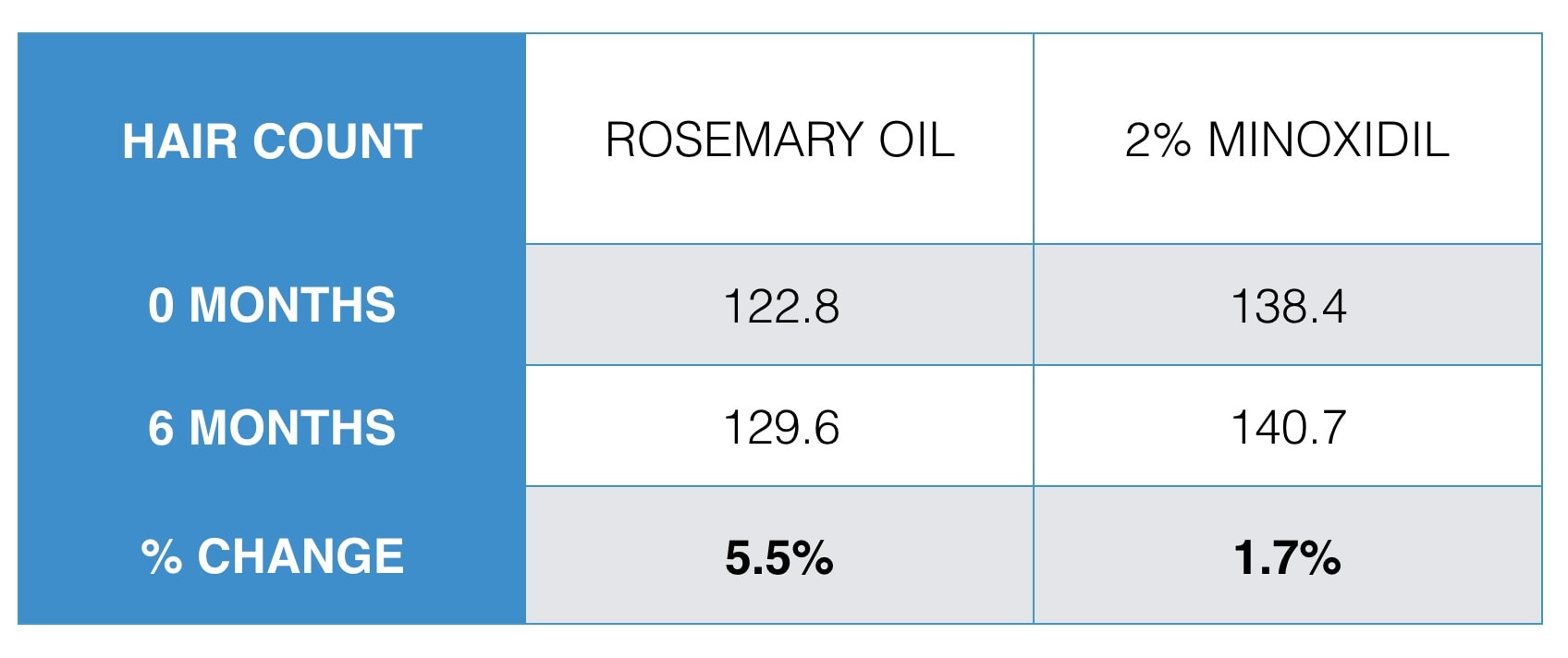
How does peppermint stack up against popular alternatives?
Peppermint vs. Rosemary Oil
A 2015 study found rosemary oil performed similarly to 2% minoxidil but only with minimal improvement in hair count and no cosmetic regrowth. Both oils improve circulation and have anti-inflammatory effects, but lack strong human evidence for regrowth.
Peppermint has a stronger vasodilatory effect due to higher menthol content.
Peppermint vs. Minoxidil
Peppermint oil is not FDA approved while minoxidil is. Peppermint has no proven angiogenesis while minoxidil has well-documented effects. Onset in mice was faster with peppermint at week 1 to 2 versus approximately 10 days for minoxidil. Peppermint shows possible scalp irritation if undiluted while minoxidil commonly causes itching and flaking.
Minoxidil remains the gold standard. Use peppermint as a supportive adjunct rather than a replacement.
Maintain a Healthy Scalp Environment
Peppermint oil excels at creating a clean, invigorated scalp, which is a prerequisite for growth.
Reduce Inflammation and Buildup
Its antimicrobial and antiseptic properties help fight fungal infections like malassezia, prevent seborrheic dermatitis, and clear pore-clogging debris.
Use peppermint-infused scrubs or shampoos weekly to maintain clarity.
Balance Sebum Production
Peppermint is ideal for oily scalps as it regulates sebum without over-drying. Avoid if your scalp is already dry or flaky.
Final Tips for Best Results
Consistency is key. Use 2 to 3 times weekly without skipping. Perform a cool rinse after washing to help seal hair cuticles and lock in moisture. Store oils properly in dark glass bottles away from heat and sunlight. Never ingest peppermint oil as it is for topical use only.
Frequently Asked Questions About Using Peppermint Oil for Hair Growth
Does peppermint oil actually grow hair?
Animal studies show promising results. A 2014 study found that 3% peppermint oil outperformed minoxidil in mice, increasing hair coverage to 92% versus 55% for minoxidil. However, there are no robust human clinical trials confirming these effects. Peppermint oil may support hair growth by improving scalp circulation and creating a healthier environment, but it should not replace proven treatments like minoxidil for serious hair loss.
How long does it take to see results from peppermint oil?
Expect to wait 6 to 8 months for measurable results. The animal study showed visible changes in 2 to 4 weeks, but human hair cycles are much slower. The anagen growth phase lasts 2 to 6 years in humans. Track progress with monthly photos and monitor for reduced shedding around 6 to 12 weeks and increased density around 3 to 6 months.
Can I use peppermint oil every day?
Yes, but only with proper dilution. Use 1% concentration for daily application. This equals 1 drop per teaspoon of carrier oil. If using 3% concentration, limit to 2 to 3 times per week to avoid scalp irritation. Always monitor your scalp for dryness, redness, or sensitivity and adjust frequency accordingly.
What happens if I use peppermint oil without diluting it?
Undiluted peppermint oil can cause severe skin irritation including burning, redness, stinging, and possible chemical burns. The menthol concentration in pure peppermint oil reaches 42% or higher, which is far too strong for direct scalp application. Always dilute to 1 to 3% in a carrier oil before applying to hair or scalp.
Can peppermint oil help with dandruff?
Yes, peppermint oil has antimicrobial and anti-inflammatory properties that may help reduce dandruff. It fights fungal infections, soothes scalp irritation, and clarifies buildup. Use an exfoliating scalp scrub with peppermint oil weekly or add it to your shampoo. However, if dandruff persists, consult a dermatologist as it may indicate an underlying condition like seborrheic dermatitis requiring medical treatment.
Key Takeaways for Using Peppermint Oil to Stimulate Hair Growth
Peppermint oil is a safe, natural, and supportive tool for hair growth when used correctly. It showed remarkable results in mice, outperforming minoxidil in hair coverage and follicle development, but lacks robust human trials. Always dilute to 1 to 3% in a carrier oil, massage into the scalp for 2 to 3 minutes, and leave on for at least 1 hour or overnight. Use 2 to 3 times per week and track progress over 6 to 8 months.
For best outcomes, use peppermint oil as part of a multi-targeted approach that includes scalp massage, microneedling, proven ingredients like caffeine or saw palmetto, and professional guidance when needed. With realistic expectations and proper technique, peppermint oil can become a powerful ally in your hair growth journey.