If you’re struggling with thinning hair, slow growth, or a dry, flaky scalp, mustard oil might be the natural solution you’ve been searching for. Known as sarson ka tel in India and widely used in Ayurvedic hair care, mustard oil for hair growth has gained attention for its ability to nourish follicles, boost circulation, and strengthen strands from root to tip. Packed with vitamins A, D, E, and K, along with omega-3 fatty acids and bioactive compounds like allyl isothiocyanate, this potent oil stimulates the scalp, reduces hair fall, and creates an environment where new hair can thrive.
While not FDA-approved for internal use due to its high erucic acid content, mustard oil is safe and effective when applied topically. In this guide, you’ll learn exactly how to use mustard oil for hair growth, which blends work best, how often to apply it, and what to watch out for. Whether you’re targeting bald spots, dandruff, or just want faster-growing, shinier hair, this comprehensive plan delivers actionable steps backed by science and centuries of tradition.
Why Mustard Oil Stimulates Hair Growth
Mustard oil’s most powerful advantage lies in its ability to boost scalp circulation. The compound allyl isothiocyanate produces a warming sensation upon application, which dilates blood vessels and increases oxygen and nutrient delivery to hair roots. Improved blood flow is directly linked to enhanced follicle activity, helping dormant follicles re-enter the growth phase.
Key Growth-Boosting Properties
The oil strengthens roots and reduces breakage by reinforcing the hair shaft with essential fatty acids and lipids. Vitamin E acts as an antioxidant, shielding hair from environmental damage like UV exposure and pollution. Meanwhile, omega-3s reduce scalp inflammation, creating a stable foundation for long-term growth.
Studies on rodents have shown that topical application of mustard oil increases dermal blood flow, supporting its traditional use in hair regrowth. The biological mechanism is straightforward: better circulation equals healthier, stronger hair growth.
Prepare Mustard Oil Safely Before Application
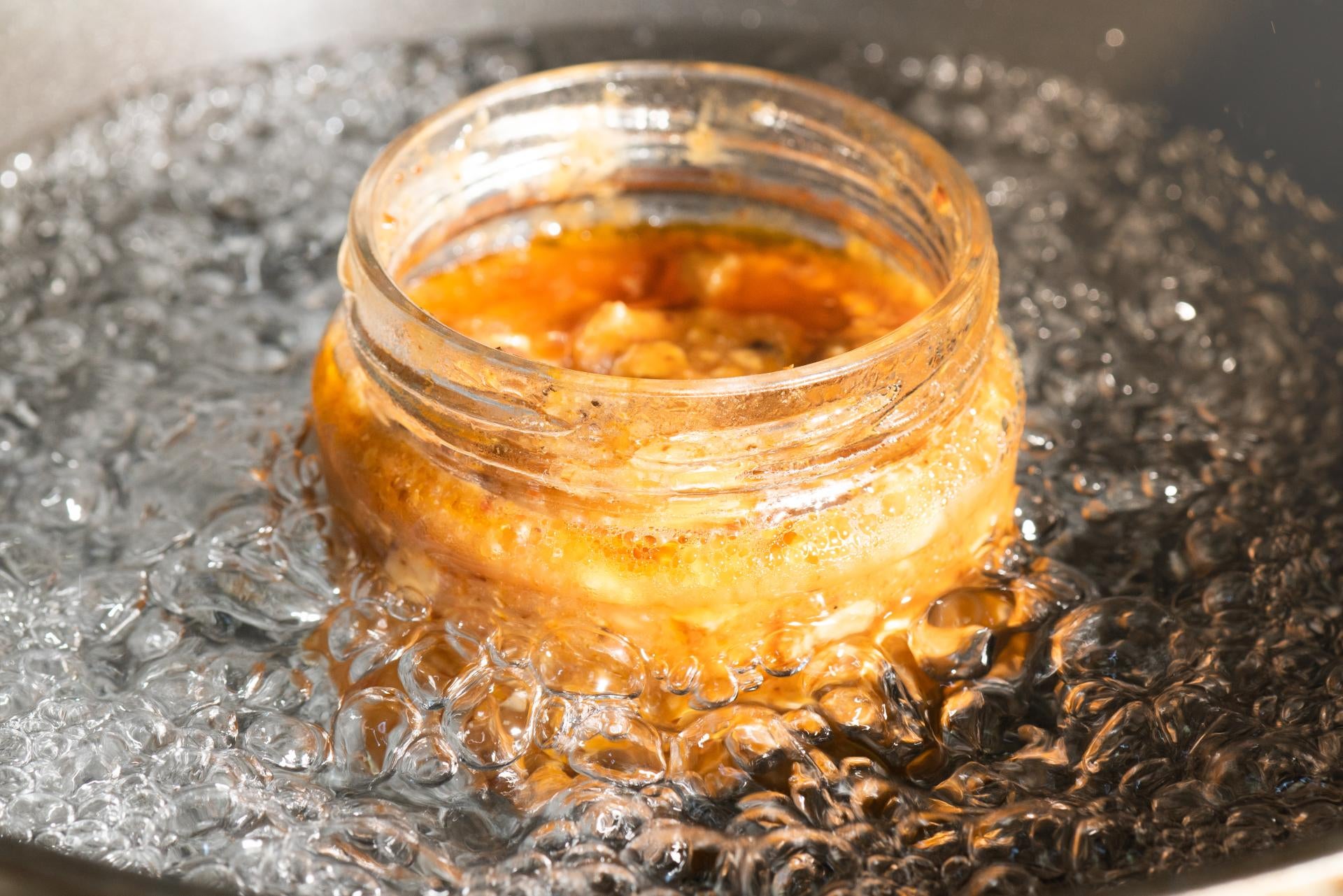
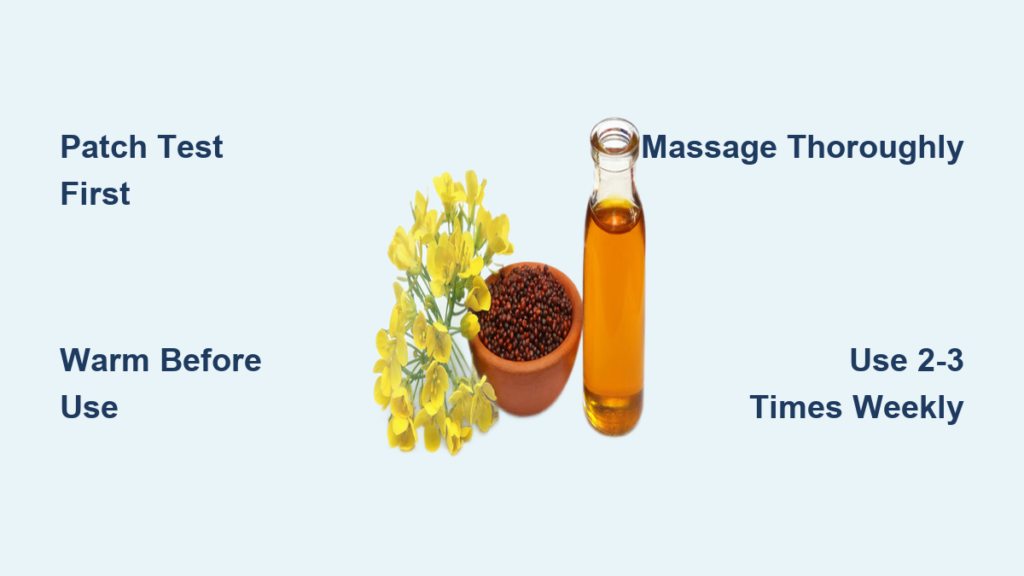
Warm oil absorbs better, but overheating destroys vital compounds. To preserve potency, pour two to three tablespoons into a glass bowl and place in a warm water bath for five to ten minutes. Alternatively, microwave for five to ten seconds maximum. Test the temperature on your wrist first. It should feel warm, not hot.
Essential Patch Test Steps
Mustard oil is potent and may irritate sensitive skin. Apply a pea-sized amount behind your ear or on your inner forearm and wait twenty-four hours. Check for redness, itching, or swelling. If any reaction occurs, dilute further or avoid use. Those allergic to cruciferous vegetables like cabbage or broccoli are more likely to react.
Choosing the Right Oil
Use cold-pressed, organic mustard oil for maximum benefit. Avoid refined or solvent-extracted versions, which lack bioactive compounds. Look for dark amber color and pungent aroma, signs of authenticity. Store in a dark glass bottle away from sunlight. Shelf life is up to six months unopened and three months after opening.
Apply Mustard Oil With Proven Methods
Pure Mustard Oil Weekly Treatment
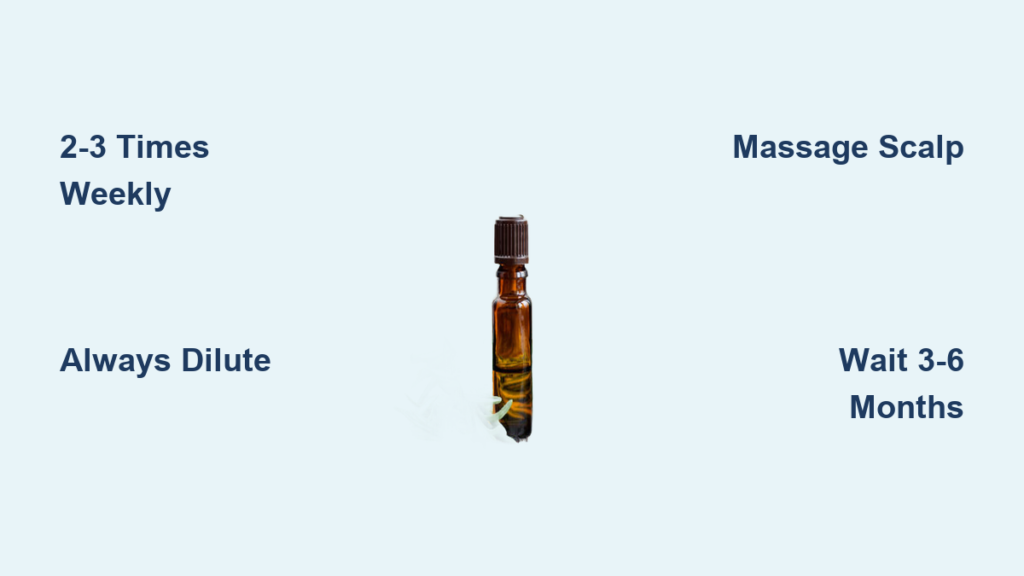
For intensive treatment, apply undiluted oil, but only if your scalp tolerates it. Warm two to three tablespoons of mustard oil. Part your hair into sections and apply directly to the scalp using fingertips or a dropper. Massage in circular motions for eight to ten minutes. Cover with a shower cap or warm towel and leave for at least thirty minutes, or overnight for deeper penetration. Wash with a mild shampoo and repeat two times per week.
Mustard and Coconut Oil Blend
Coconut oil cools the warming effect of mustard oil while adding lauric acid, which prevents protein loss and strengthens hair. Mix one tablespoon of mustard oil with one tablespoon of coconut oil. Warm, blend, and apply as above. This blend is ideal for dry, damaged hair and those prone to irritation. Use twice weekly.
Mustard and Aloe Vera for Scalp Health
Aloe vera neutralizes mustard oil’s heat and adds hydration, making this mix perfect for inflamed or dandruff-prone scalps. Mix two tablespoons of mustard oil with one tablespoon of fresh aloe gel. Apply to scalp, leave for thirty minutes, and rinse thoroughly. Use one to two times per week. Aloe’s proteolytic enzymes help remove dead skin cells, unclogging follicles.
Onion Juice Boost for Regrowth
Onion juice is rich in sulfur, which stimulates collagen production and strengthens hair roots. Pair one tablespoon of mustard oil with one tablespoon of fresh onion juice extracted from half a small onion. Mix, apply to thinning areas, and massage gently. Leave for twenty to thirty minutes and rinse well. Use once per week. Follow with a scented shampoo to eliminate lingering onion smell.
Fenugreek Infusion for Thicker Hair
Fenugreek is a traditional remedy for hair loss, packed with iron, protein, and lecithin. Soak one tablespoon of fenugreek seeds overnight, grind into a paste, and mix with one tablespoon of mustard oil. Apply to scalp, leave thirty minutes, and wash off. Use once weekly.
For a long-term solution, heat half a cup of mustard oil and add one tablespoon fenugreek plus one tablespoon black seeds. Simmer five minutes until oil darkens slightly. Cool, strain, and store in a glass bottle. Apply twice weekly. This infused oil lasts three months.
Maximize Results With Smart Application
Massage isn’t optional, it’s essential. Use fingertips, not palms, applying firm pressure in small circles across the entire scalp. Focus on bald spots or thinning zones. Duration should be eight to ten minutes minimum. This stimulates blood flow, mimicking professional scalp therapies.
After oiling, wrap hair in a warm, damp towel for five to ten minutes. The heat opens hair cuticles, allowing deeper oil penetration. Alternatively, tie hair into a bun and cover with a shower cap.
Wash thoroughly to prevent buildup. Use a clarifying or sulfate-free shampoo. Lather twice if needed and rinse with lukewarm water. Follow with conditioner on ends only. Avoid over-washing, which dries the scalp.
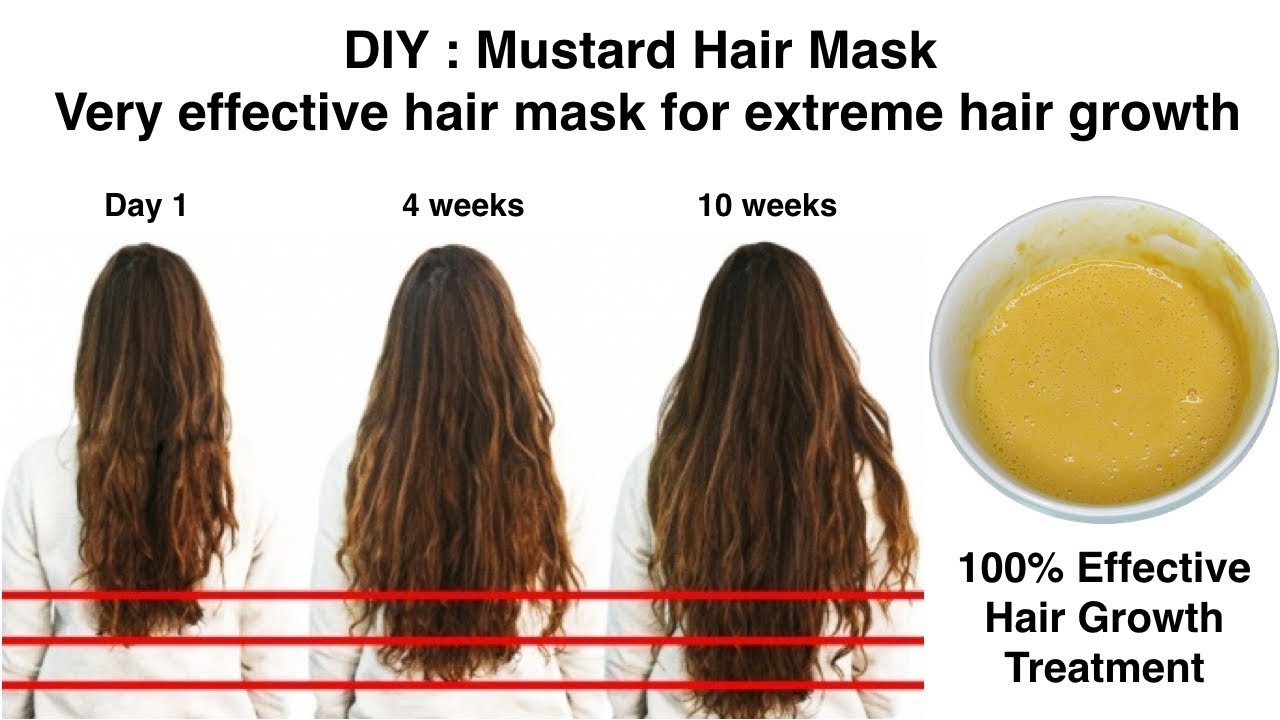
Natural oils take time. Expect less hair fall and reduced dryness in two to four weeks. Fine new hair becomes visible in thinning areas in six to eight weeks. Noticeable thickness, shine, and length appear after three or more months. Skip doses, and progress stalls.
Avoid Common Mistakes and Risks
More isn’t better. Overuse causes scalp irritation, clogged pores, and excessive greasiness. Stick to two to three applications weekly, especially with pure oil.
Avoid mustard oil if you have open wounds, eczema, psoriasis, or active scalp infections. The warming compounds can worsen inflammation. Opt for gentler oils like coconut or olive instead.
Due to high erucic acid content, mustard oil is not approved for consumption in the U.S. Use topically only. While safe on skin, ingestion may lead to heart complications with long-term use.
Stop immediately if irritation occurs. Signs include burning or stinging, redness or rash, swelling, or blistering. Discontinue use and cleanse scalp. Apply aloe vera or coconut oil to soothe. Consult a dermatologist if symptoms persist.
Compare Mustard Oil to Other Popular Oils

Mustard oil excels in stimulation and scalp health, while coconut oil wins for moisture and protection. Here is how it compares.
Mustard oil provides high stimulation for growth, moderate penetration, strong dandruff reduction, and high circulation boost. Coconut oil offers moderate growth stimulation but high penetration, mild dandruff reduction, and low circulation boost. It excels at preventing protein loss, which mustard oil does not do well.
Castor oil provides high growth stimulation but low penetration and moderate circulation boost. Olive oil offers low growth stimulation and weak dandruff reduction. Mustard oil is best for thinning and bald spots. Coconut oil is best for dry, damaged hair. Castor oil is best for thickness and brow growth.
When to See a Dermatologist
While mustard oil helps many, persistent hair loss may signal underlying issues. These include hormonal imbalances like thyroid or PCOS, nutritional deficiencies, autoimmune conditions like alopecia areata, or fungal infections.
If you see no improvement after three months of consistent use, or experience sudden bald patches, pain, or severe flaking, consult a professional. Mustard oil is a supportive therapy, not a cure-all.
Frequently Asked Questions About Mustard Oil for Hair Growth
How long does it take to see results from mustard oil?
Most users notice reduced hair fall and less dryness within two to four weeks. Visible new growth in thinning areas typically appears after six to eight weeks of consistent use. Full results with improved thickness and length take three or more months.
Can I leave mustard oil in my hair overnight?
Yes, leaving mustard oil overnight allows deeper penetration. Protect your pillow with a towel to prevent staining. Leave it for at least six to eight hours, then wash thoroughly with a mild shampoo.
Is mustard oil safe for all hair types?
Mustard oil works best for thinning hair, oily scalps, and dandruff-prone scalps. Those with dry, frizzy hair should dilute it with coconut or almond oil. People with sensitive skin should always patch test first and consider a fifty-fifty dilution.
How often should I apply mustard oil for best results?
Apply mustard oil two to three times per week. Overuse can cause scalp irritation and clogged pores. Consistency matters more than frequency.
Can I mix mustard oil with other oils?
Yes, blending mustard oil with coconut oil, almond oil, or jojoba oil enhances benefits. Coconut oil adds moisture and prevents protein loss. Almond oil softens and reduces breakage. Jojoba oil regulates scalp oil production.
Does mustard oil help with dandruff?
Yes, mustard oil has strong antibacterial and antifungal properties proven effective against common scalp pathogens. It helps clear clogged follicles and soothes irritation, making it effective against dandruff.
Key Takeaways for Using Mustard Oil
Mustard oil is a powerful, accessible tool for natural hair growth. Its unique combination of fatty acids, vitamins, antioxidants, and circulatory stimulants makes it particularly effective for treating dryness, dandruff, inflammation, and bald spots.
When used correctly, with proper patch testing, controlled frequency, and combination with complementary ingredients like fenugreek, coconut oil, or aloe vera, it delivers visible improvements in hair texture, volume, and growth rate. Start with a patch test, warm the oil gently, massage thoroughly, and stay consistent for at least two months before assessing results. Combine topical treatment with healthy lifestyle habits like a balanced diet rich in iron and protein, proper hydration, and stress management for optimal results.