
Losing hair or dealing with thinning strands is a frustrating experience, especially when over-the-counter treatments come with side effects or high costs. Many people are turning to natural solutions, and lavender oil for hair growth has emerged as a popular, science-backed option. While it is not a miracle cure, research and real-world use suggest that this soothing essential oil may help create the optimal scalp environment for stronger, healthier hair.
Derived from Lavandula angustifolia through steam distillation, lavender essential oil contains powerful compounds like linalool and linalyl acetate, known for their anti-inflammatory, antimicrobial, and antioxidant properties. These help reduce scalp irritation, fight dandruff-causing microbes, and protect hair follicles from oxidative stress. In this guide, you will learn exactly how to use lavender oil safely and effectively for targeting thinning hair, dryness, or just wanting shinier, fuller locks.
Dilute Lavender Oil Properly
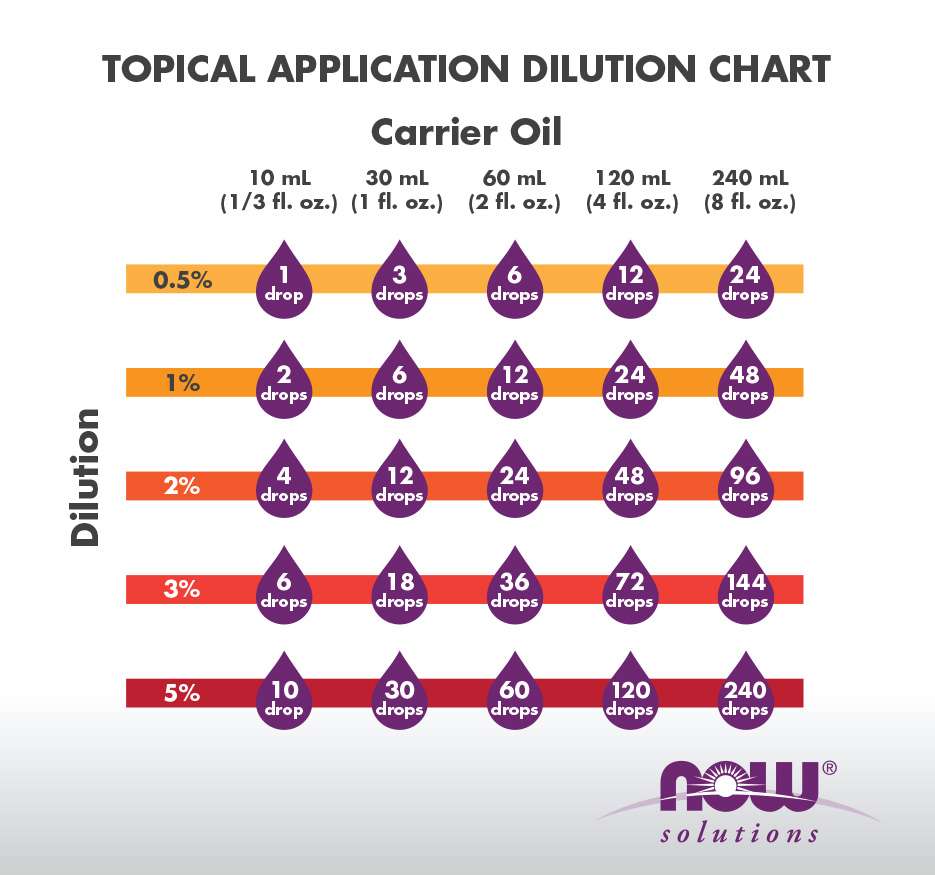
Always Mix with a Carrier Oil
Lavender essential oil is highly concentrated and must never be applied directly to the scalp. Doing so can cause redness, burning, or long-term sensitization. Always dilute it using a safe ratio of 2 to 3 drops of lavender oil per 1 tablespoon of carrier oil. For sensitive skin, start with 1 drop per tablespoon and perform a patch test first.
Using the right carrier oil enhances absorption and adds complementary benefits. Some of the best options include:
• Jojoba oil mimics natural sebum and is lightweight and non-greasy
• Coconut oil penetrates the hair shaft and prevents protein loss
• Castoroil is high in ricinoleic acid and stimulates follicles
• Olive oil is rich in antioxidants and provides deep moisturizing
• Rice bran oil is lightweight and protects against UV damage
Pro Tip: Combine castor oil with jojoba or rice bran oil to avoid heaviness while boosting circulation.
Make DIY Lavender-Infused Hair Oil
Cold Infusion Method for Maximum Potency
Creating your own infused oil allows for slow, gentle extraction of lavender active compounds without heat degradation. This method produces a fragrant, lightweight oil perfect for nightly scalp treatments.
What You Will Need:
• 2 tablespoons dried lavender flowers (fully dried)
• 1/2 cup olive oil as base
• 1 tablespoon castor oil for stimulation
• 1 tablespoon rice bran oil for light finish
• Glass jar with lid
• Cheesecloth
• Dark glass applicator bottle
Step-by-Step Process:
- Ensure no moisture remains in the lavender flowers, as wet plant material causes mold.
- Place lavender in the jar and pour in the oils.
- Use a double boiler and heat gently for 45 minutes to start infusion.
- Let the mixture sit undisturbed for 2 to 3 days, or up to 2 weeks for stronger potency.
- Strain through cheesecloth into a clean container.
- Optionally add fresh dried lavender to the strained oil and steep longer.
- Store in a cool, dark place and use within 6 to 8 weeks.
Apply With Scalp Massage for Growth Stimulation
Use Circular Motions to Boost Circulation
Massaging diluted lavender oil into your scalp does more than just deliver nutrients. It physically stimulates blood flow, which brings oxygen and vital compounds to hair follicles. Regular massage may also extend the anagen (growth) phase of hair.
How to Do It:
- Mix 3 to 5 drops of lavender oil with 1 tablespoon of carrier oil.
- Part your hair into sections for easier application.
- Use fingertips (not nails) to massage in small circles across the scalp.
- Focus on thinning areas including the temples, crown, and hairline.
- Continue for 5 to 10 minutes.
- Leave on for at least 10 to 15 minutes before washing, or overnight.
Frequency: 3 to 4 times per week for best results.
Try a Hot Oil Treatment Weekly

Deep Condition and Stimulate Follicles
Heat opens pores and increases oil penetration, making this an ideal weekly ritual for dry or damaged hair. This method works especially well for thick, coarse, or curly hair types needing deep moisture.
Steps:
- Warm 2 to 3 tablespoons of lavender-infused oil by placing the bottle in hot water. Do not microwave.
- Test temperature on your wrist. It should feel warm, not hot.
- Apply from roots to ends.
- Cover with a shower cap.
- Leave for 20 to 30 minutes.
- Shampoo thoroughly. You may need two washes if using castor oil.
Avoid If: You have an active scalp infection or open sores.
Boost Leave-In Products With Lavender
Add Shine and Prevent Breakage
You do not need heavy oils to benefit from lavender. A few drops in your daily routine can seal in moisture and protect strands from breakage.
How to Use:
• Add 1 to 2 drops of diluted lavender oil to your leave-in conditioner
• Add it to hair cream or styling gel
• Apply to damp hair after washing
• Style as usual
Benefits: Adds shine, reduces frizz, and prevents dryness-related breakage.
Warning: Never add undiluted essential oil directly to water-based products. It can separate and irritate the scalp.
Create a Daily Lavender Hair Spray
Refresh Scalp and Detangle Naturally
This light mist doubles as a detangler, scalp soother, and aromatherapy boost. Inhaling the aroma during application also helps reduce stress, which is a known contributor to hair shedding.
Recipe:
• 1 cup distilled water
• 1 tablespoon aloe vera juice (soothing and hydrating)
• 3 to 5 drops lavender essential oil
Instructions:
- Combine all ingredients in a spray bottle.
- Shake well before each use, as the oil separates.
- Spritz on damp or dry hair, focusing on roots and tangles.
- Use daily or every other day.
Blend With Other Essential Oils for Stronger Results

Synergistic Combinations That Work
Lavender pairs exceptionally well with other hair-supportive oils. Combining them enhances overall efficacy and targets different aspects of hair health.
Essential Oils That Work Well With Lavender:
• Rosemary oil increases circulation and has shown results comparable to minoxidil in some studies
• Peppermint oil creates a cooling sensation and increases follicle depth
• Cedarwood oil balances oil production and supports treatment of alopecia areata
• Tea tree oil clears buildup and fights fungal causes of dandruff
• Ylang-ylang oil promotes tissue regeneration and soothes irritated scalp
Sample Growth Blend: Mix 2 drops lavender, 2 drops rosemary, and 1 drop cedarwood with 2 tablespoons of jojoba oil. Apply via scalp massage 3 times per week.
Know the Safety Rules
Avoid Irritation With Smart Practices
Even natural oils carry risks if misused. Follow these guidelines to stay safe and avoid adverse reactions.
Perform a Patch Test First: Mix 1 drop lavender oil with 1 teaspoon of carrier oil. Apply behind your ear or on your inner forearm. Wait 24 to 48 hours and watch for redness, itching, or swelling. Stop immediately if any reaction occurs.
Never Use Undiluted: Pure essential oils can cause chemical burns or permanent sensitivity. Always dilute before scalp contact.
Avoid Use on Children: Do not use on infants or young children. Consult a pediatrician before applying to teens.
Store Properly: Keep in dark glass bottles in a cool, dark place. Essential oil shelf life is 1 to 2 years. Infused oils last 6 to 8 weeks.
Discard If: The oil smells rancid, looks cloudy, or causes stinging when applied.
Choose High-Quality Lavender Oil
Look for These Labels
Not all essential oils are created equal. Low-quality or synthetic versions will not deliver therapeutic benefits for hair growth.
What to Buy:
• 100% pure Lavandula angustifolia
• Steam distilled (not solvent-extracted)
• No additives or fillers
• Batch-specific GC/MS report available
Avoid: Fragrance oils or blends labeled simply as lavender scent. These lack active compounds and offer no real benefit.
Reputable Source Example: Look for small-batch, farm-grown producers who provide transparent sourcing information.
Track Results Over Time
What to Expect and When
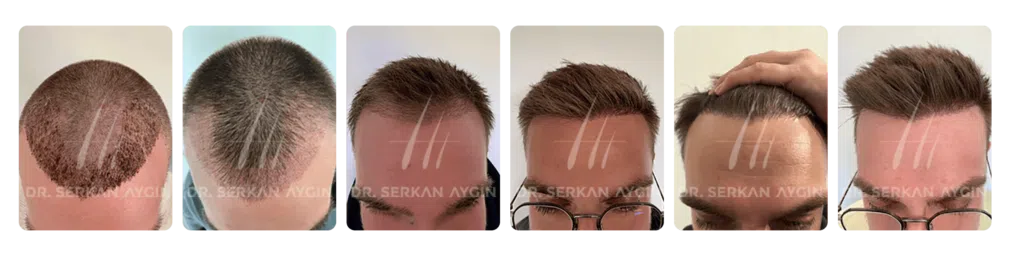
Hair growth takes time. Most users report changes after consistent use over several weeks.
Typical Timeline:
• Week 1 to 2: Reduced itching and less shedding
• Week 4: Improved shine and softer texture
• Week 6 to 8: Visible new growth, especially along the hairline
• Month 3 and beyond: Thicker appearance and reduced thinning
Tip: Take monthly photos under the same lighting to track progress accurately.
Consistency Matters: Skipping applications delays results. Treat this like a skincare routine for the best outcomes.
Prevent Common Mistakes
Avoid These Pitfalls
Even with the right ingredients, poor habits can sabotage your success.
Common Mistakes and Solutions:
• Using too much oil leads to greasy buildup. Stick to 1 to 2 tablespoons per application.
• Skipping patch tests risks allergic reactions. Always test first.
• Over-washing after treatment strips oils too quickly. Wait at least 8 to 12 hours.
• Using synthetic oils provides no real benefit. Invest in purity.
• Expecting overnight results leads to giving up too soon. Hair cycles take months.
Many users see improvements in scalp health before visible growth. Do not give up too soon.
Maintain and Store Correctly
Extend Shelf Life and Effectiveness
Proper storage keeps your oils potent and safe to use.
Storage Guidelines:
• Infused oils last 6 to 8 weeks at room temperature. Refrigerate to extend to 3 months.
• Essential oils last up to 2 years if sealed and stored properly.
• Signs of spoilage include rancid smell, cloudiness, and separation.
Refrigeration Tip: Cool temperatures slow oxidation, which is ideal for bulk batches.
Frequently Asked Questions About Using Lavender Oil for Hair Growth
Does lavender oil actually grow hair?
Lavender oil may support hair growth by increasing blood circulation to the scalp, reducing inflammation, and creating a healthier environment for hair follicles. Research shows it can stimulate dermal papilla cells, which regulate the hair growth cycle. However, it works best when combined with other good hair care practices.
How often should I apply lavender oil to my scalp?
Apply diluted lavender oil to your scalp 3 to 4 times per week for best results. You can leave it on for 10 to 15 minutes before washing or overnight for deeper treatment. Consistency is key to seeing results.
Can I put lavender essential oil directly on my hair?
No, never apply undiluted lavender essential oil directly to your scalp or hair. It must always be mixed with a carrier oil first. The recommended ratio is 2 to 3 drops per tablespoon of carrier oil. Direct application can cause irritation, burning, or sensitization.
How long does it take to see results from lavender oil?
Most users notice reduced shedding and improved scalp health within the first 2 weeks. Visible new growth typically appears after 6 to 8 weeks of consistent use. Thicker, fuller-looking hair usually shows by month 3.
Which carrier oil is best for lavender oil hair growth?
Jojoba oil, castor oil, coconut oil, and olive oil all work well with lavender. Jojoba mimics natural sebum and is lightweight. Castor oil is particularly known for stimulating follicles due to its high ricinoleic acid content. Combining oils often yields the best results.
Key Takeaways for Using Lavender Oil to Promote Hair Growth

Lavender oil serves as a safe, accessible, and holistic option for supporting natural hair growth when used correctly. The most important factors for success include always diluting the essential oil with a carrier oil before application, performing a patch test to check for sensitivity, and maintaining consistency with 3 to 4 applications per week. Combining lavender with scalp massage boosts circulation and nutrient delivery to hair follicles, while blending it with oils like rosemary, cedarwood, or peppermint enhances overall effectiveness.
Results take time. Expect to see improvements in scalp health within the first two weeks and visible new growth after 6 to 8 weeks of dedicated use. Remember that lavender oil works best as a supportive treatment rather than a cure for genetic baldness or severe alopecia. Pair it with good nutrition, stress management, and proper hydration for the best results. With patience and consistent care, lavender oil can become a powerful ally in your haircare journey.