

If you’re searching for a natural way to transform dull, dry, or damaged hair, coconut oil might be the answer you’ve been looking for. This tropical oil is packed with lauric acid, a medium-chain fatty acid that penetrates deep into the hair shaft to reduce protein loss, lock in moisture, and protect against breakage. Unlike many oils that simply coat the surface, coconut oil works from the inside out.
In this guide, you’ll discover exactly how to use coconut oil for hair based on your specific hair type, learn which application methods deliver the best results, and avoid the common mistakes that leave hair greasy or weighed down.
Pick the Right Coconut Oil for Hair Care
Not all coconut oils deliver the same benefits for your hair. The type you choose directly impacts how well it works.
Virgin (unrefined) coconut oil is the gold standard for hair care. Extracted from fresh coconut meat without chemicals, it retains higher amounts of lauric acid, antioxidants, and vitamin E. These nutrients penetrate the hair shaft to strengthen and nourish from within.
Refined coconut oil undergoes processing that strips away many beneficial compounds. It works fine for cooking but falls short for therapeutic hair treatments.
Look for labels that say “extra-virgin,” “cold-pressed,” and “organic.” Brands like Dr. Bronner’s or Nutiva offer fair-trade options that ensure ethical sourcing. Avoid hydrogenated versions, which contain trans fats that clog hair follicles.
Apply Coconut Oil to Dry or Damp Hair
When you apply coconut oil matters as much as which product you choose.
Dry hair application works best for deep conditioning treatments. Dry strands absorb oil more effectively, allowing deeper penetration into the hair cortex. This method delivers maximum moisturizing and strengthening benefits.
Damp (towel-dried) hair application provides more even distribution without clumping. This approach works well for detangling, leave-in styling, and frizz control.
Test both methods to see which your hair responds to better. If oil beads up and slides off, your hair may be too wet or your cuticles are tightly closed, which is common in low-porosity hair.
Melt Coconut Oil Without Destroying Its Benefits
Coconut oil solidifies below 76°F, so you’ll need to warm it before application.
Place the desired amount in a small bowl and set it in warm water for one to two minutes. Stir until melted completely.
Never microwave coconut oil for more than five to ten seconds. Overheating degrades the beneficial fatty acids and antioxidants that make it effective for hair.
A better approach: rub the oil between your palms before applying. Your body heat melts it just enough for smooth, even distribution without hot spots that could irritate the scalp.
Measure the Right Amount for Your Hair Type
Using too much coconut oil is the most common mistake. Start conservative and add more only if needed.
Fine or short hair needs just half to one teaspoon. Medium or long hair typically needs one to two tablespoons. Thick, coarse, or very long hair can use two to three tablespoons.
Focus application on the mid-lengths and ends where hair is oldest and most damaged. Avoid the roots unless you’re specifically treating a dry or flaky scalp.
Fine hair and low-porosity hair become limp and greasy quickly with too much product. If this describes your hair, use less or switch to a lighter commercial blend.
Deep Condition Overnight for Maximum Results
An overnight coconut oil treatment delivers intense hydration and strengthens hair from within.
Warm one to two tablespoons of virgin coconut oil until liquid. Apply to dry or damp hair, starting at the ends and working upward. Section your hair and distribute evenly using fingers or a wide-tooth comb. Massage a small amount into the scalp if it feels dry or flaky.
Cover with a fabric shower cap and wrap in a cotton t-shirt or towel. Leave for six to eight hours.
Wash out with two shampoos. The first removes the bulk of the oil. The second ensures thorough cleansing.
Users who apply this treatment weekly report softer, stronger strands, noticeably shinier hair, reduced breakage and split ends, and improved curl bounce after four weeks.
Protect Hair Before Washing with a Pre-Shampoo Treatment
Washing your hair strips away natural oils and causes protein loss. A pre-shampoo coconut oil treatment acts as a protective shield.
Warm one to two tablespoons of oil. Apply to detangled, dry, or damp hair. Cover with a shower cap and wait thirty to sixty minutes before shampooing.
This method works especially well for chemically treated hair, damaged strands, or before swimming in chlorinated water.
Research shows coconut oil reduces protein leaching by up to fifty percent during washing, making it more effective than any other oil tested for this purpose.
Treat Scalp Problems with Targeted Massage
Coconut oil’s antifungal and moisturizing properties make it effective for scalp health.
Warm half to one teaspoon of oil. Part your hair into four to six sections. Massage directly into the scalp using fingertips or a silicone scalp massager. Leave for one to two hours or overnight.
Boost the treatment by adding five drops of tea tree oil or rosemary essential oil. These additions enhance antifungal action and improve circulation.
Always patch test essential oils on your inner arm first. Some people experience sensitivity or allergic reactions.
Use this treatment once a week for dryness or biweekly for maintenance.
Tame Frizz and Flyaways with Daily Use
Coconut oil smooths the cuticle, adds shine, and blocks humidity, making it an excellent natural styling aid.
Take a quarter to half a teaspoon of melted oil. Rub between your palms and apply to dry hair, focusing on the mid-lengths and ends. Smooth over flyaways or scrunch into curls for definition.
This method works especially well for curly, wavy, or textured hair in humid climates.
Pair with a silk scrunchie and satin pillowcase to reduce friction and extend the smoothing effect throughout the night.
Seal Split Ends with a Leave-In Touch-Up
You cannot repair split ends once they form, but you can prevent them from spreading.
Use a pea-sized amount of coconut oil. Rub between your fingers and apply only to dry ends. Reapply every two to three days as needed.
Avoid applying near the roots or scalp to prevent buildup and clogged pores.
Combine this with a trim every six to eight weeks for long-term hair health.
Mix DIY Blends for Enhanced Hair Benefits
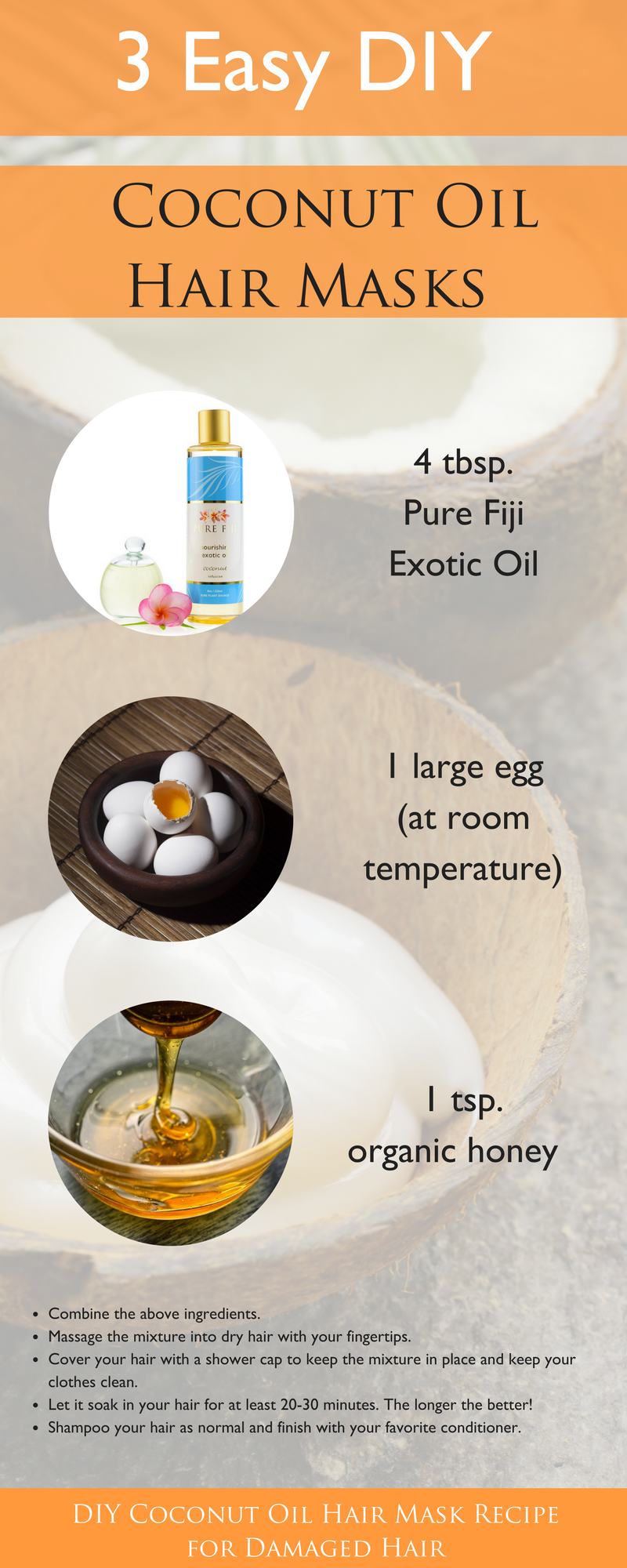
Pure coconut oil is powerful, but combining it with other ingredients targets specific concerns.
Hydrating honey mask: Mix two tablespoons of coconut oil with one tablespoon of raw honey. Apply for thirty minutes, then wash out. This delivers deep moisture and adds shine.
Nourishing olive oil mix: Combine two tablespoons of coconut oil with one tablespoon of olive oil. Use as an overnight treatment for extra conditioning on coarse, dry hair.
Scalp-soothing tea tree blend: Mix two tablespoons of coconut oil with five drops of tea tree oil. Massage into the scalp, leave for one hour, then wash out. This fights dandruff and fungal issues.
Growth-stimulating rosemary oil: Combine two tablespoons of coconut oil with five drops of rosemary essential oil. Apply to the scalp and leave overnight to improve circulation and support follicle health.
Always patch test essential oil blends on your inner arm before using them on your scalp.
Wash Out Coconut Oil Thoroughly to Prevent Buildup
Coconut oil is stubborn. One shampoo pass won’t remove it completely.
First wash: Focus on the scalp and roots. Massage shampoo thoroughly to break down the oil.
Second wash: Lather through the entire length of your hair.
Use a sulfate-free or clarifying shampoo. Neutrogena Anti-Residue Shampoo works well for this purpose.
Rinse with lukewarm to cool water to seal the cuticle and preserve shine.
For buildup that accumulates over time, use a clarifying shampoo once a month. More frequent use dries out your hair.
Match Application Frequency to Your Hair Type
Using coconut oil too often leads to greasiness. Using it too rarely limits the benefits. Find your sweet spot.
Curly, coarse, dry, or damaged hair benefits from weekly to biweekly use. Wavy or medium-thickness hair does well with application every two to four weeks. Fine, thin, or low-porosity hair should use it once every four weeks or less.
Scalp treatments work well weekly or biweekly. Leave-in styling applications can happen every two to three days.
Adjust seasonally as well. Use more in dry winter months and less in humid summer weather.
Avoid These Common Coconut Oil Mistakes
Clogged pores: Coconut oil is rated four out of five on the comedogenic scale. It can cause acne along your hairline. Avoid applying near your forehead and wash your hairline thoroughly after treatment.
Greasy, flat hair: This happens most often with fine or low-porosity hair. Use less product, focus only on the ends, or switch to lightweight serums.
Buildup and dullness: Incomplete rinsing causes this problem. Double shampoo every time and clarify monthly.
The hair growth myth: Coconut oil does not stimulate hair follicles or reverse baldness. It reduces breakage, which makes hair appear fuller over time, but it cannot regrow hair.
Try Commercial Blends for Fine or Oily Hair
If pure coconut oil feels too heavy, commercial blends offer lighter alternatives.
Products like Frizz Ease Miraculous Recovery Repairing Tropical Oil combine coconut, argan, and moringa oils. They absorb quickly, don’t leave a greasy residue, and work well for damp hair application.
These blends suit fine, wavy, or straight hair that struggles with heaviness.
Store Coconut Oil Properly
Keep coconut oil in a cool, dark place away from direct sunlight. It stays fresh for up to two years, but check for a rancid smell. A sour or chemical-like odor means the oil has gone bad.
Solid state is normal. Simply warm it in your hands before use.
A dark glass jar protects against light degradation and extends shelf life.
Key Takeaways for Using Coconut Oil on Hair
Coconut oil works best for curly, thick, coarse, dry, damaged, or high-porosity hair. Fine, thin, or low-porosity hair needs very small amounts or lighter alternatives.
The most effective application methods are sectioned fingertip massage for scalp treatments, wide-tooth comb distribution for length, and overnight deep conditioning for maximum penetration.
Always use virgin, organic coconut oil, apply to dry or damp hair depending on your goal, start with small amounts, and double shampoo when washing out.
With consistent use, you’ll notice softer, stronger, shinier hair in just a few weeks.
Frequently Asked Questions About Using Coconut Oil for Hair
Can I leave coconut oil in my hair overnight?
Yes, leaving coconut oil in overnight is one of the most effective deep conditioning methods. Cover your hair with a fabric shower cap and cotton wrap to protect your bedding. Wash it out thoroughly with two shampoos in the morning.
How often should I use coconut oil on my hair?
This depends on your hair type. Curly, dry, or damaged hair benefits from weekly use. Fine or low-porosity hair should limit application to once every four weeks or less to avoid greasiness.
Does coconut oil help hair grow?
Coconut oil does not stimulate new hair growth or reverse baldness. However, it significantly reduces protein loss and breakage, which makes hair appear thicker and fuller over time.
Can I use coconut oil on fine hair?
Pure coconut oil can weigh down fine hair. Use a very small amount (pea-sized) or choose a lightweight commercial blend that combines coconut oil with lighter oils like argan or moringa.
Why does my hair feel greasy after using coconut oil?
You’re likely using too much product, not washing it out thoroughly, or applying it to low-porosity hair that cannot absorb it. Try using less, double shampooing, or switching to damp hair application instead of dry.