You wash, condition, and style, but your hair still feels dry, frizzy, or dull. If this sounds familiar, you are not alone. Millions struggle with damaged, unmanageable hair, especially after heat styling, coloring, or exposure to harsh weather. Argan oil, often called “Moroccan liquid gold,” is a lightweight, nutrient-rich elixir packed with vitamin E, antioxidants, and essential fatty acids that deeply nourish without weighing hair down. Whether you have fine strands, thick curls, or chemically treated locks, learning how to use argan oil for hair can transform your routine. In this guide, you will discover proven application methods, ideal amounts, and expert tips to get smoother, stronger, shinier hair starting today.
Choose Pure Argan Oil First
Before applying argan oil to your hair, you need to ensure you are using a high-quality product. Not all argan oils deliver the same results, and choosing the right one is critical for effectiveness.
Look for Cold-Pressed, 100% Pure Oil
Only cold-pressed, unrefined argan oil retains its full nutrient profile. This includes vitamin E, essential fatty acids like oleic acid and linoleic acid, and powerful antioxidants. Avoid blends that contain silicones, mineral oils, or synthetic fragrances, as these ingredients block absorption and reduce benefits. When shopping, check the label carefully. It should say “100% pure argan oil” and nothing else.
Identify Real vs. Fake Argan Oil
Authentic argan oil has distinct traits that set it apart from inferior products. The color should be golden-yellow, not clear or dark brown. The smell should be mild and nutty, not perfume-like. The texture should be lightweight and absorb quickly without leaving a greasy residue. If the oil feels heavy or leaves a film on your skin, it is likely diluted or low quality.
Use Dark Glass Bottles
UV light degrades the active compounds in argan oil, making it less effective over time. Always choose argan oil packaged in amber or cobalt glass bottles that protect against light exposure. Store your oil in a cool, dry place away from humidity to maintain its potency.
Apply Argan Oil to Ends Daily

For instant shine and frizz control, a daily leave-in treatment works wonders, especially on dry or damaged ends. This simple step can become part of your everyday routine.
Use One to Three Drops on Dry or Damp Hair
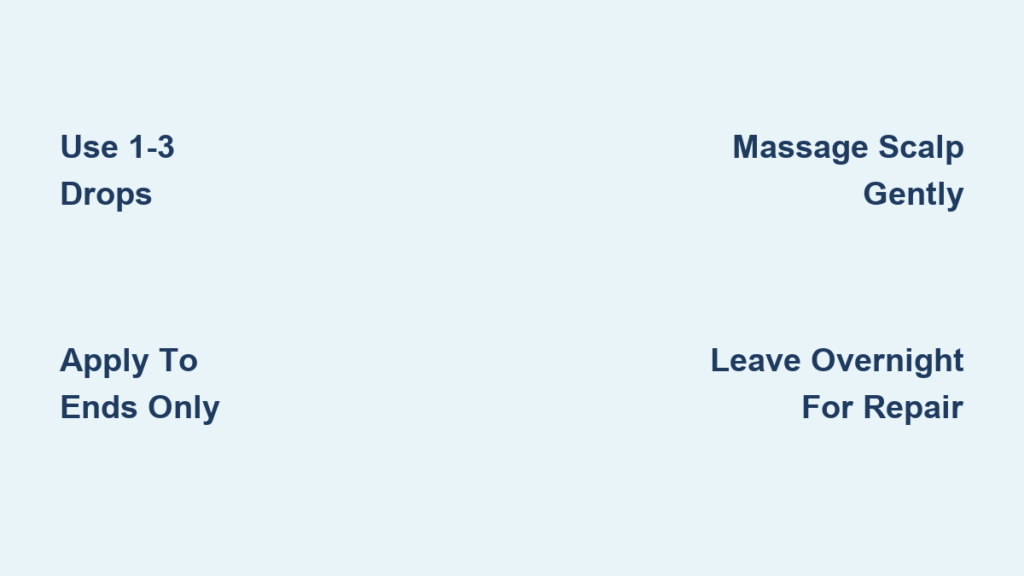
Start with one drop for fine hair and up to three drops for thick or long hair. Rub the oil between your palms to warm it, then smooth it over mid-lengths and ends. Never pour the oil directly onto your hair, as this leads to overuse and greasiness.
Avoid the Scalp Unless Treating Dryness
Applying oil near the roots can make fine or oily hair look greasy. Focus only on the lower two-thirds of your hair unless you are doing a targeted scalp treatment. This approach keeps your roots fresh while nourishing the areas that need it most.
Style as Usual After Application
Argan oil doubles as a finishing polish. Use it before or after blow-drying, flat ironing, or air-drying. It tames flyaways and adds a healthy glow with zero crunch or stiffness. The oil also provides heat protection up to 422°F, reducing thermal damage from your styling tools.
Repair Damaged Hair Weekly
If your hair is brittle, color-treated, or exposed to frequent heat styling, weekly deep treatments can restore strength and moisture. These intensive sessions address damage that daily application cannot reach.
Try a 30-Minute Pre-Shampoo Treatment
Applying argan oil before shampooing creates a protective barrier that prevents moisture loss during cleansing. Apply a generous amount of oil to dry hair, focusing on mid-lengths and ends while avoiding the roots unless your scalp is dry. Leave it on for 30 to 60 minutes, then shampoo thoroughly. You may need two washes to remove all the oil.
Leave It On Overnight for Maximum Repair
For intensive conditioning, coat your dry hair from mid-lengths to tips with argan oil. Cover with a shower cap or silk scarf to protect your bedding, then sleep overnight. Wash out the oil in the morning. This method works best for curly, coarse, or severely damaged hair and should be done one to two times per week.
Soothe and Nourish the Scalp
A healthy scalp supports strong, resilient hair. Argan oil can help if your scalp feels dry, itchy, or flaky thanks to its anti-inflammatory properties.
Massage a Few Drops Into the Scalp
Use two to three drops of pure argan oil. Part your hair into sections and apply the oil directly to the scalp. Gently massage in circular motions for three to five minutes to boost circulation and allow the nutrients to penetrate.
Wait 20 to 30 Minutes Before Washing
Let the oil penetrate the scalp and hair follicles. Then shampoo normally. This removes buildup while delivering nutrients to the follicles. This treatment is ideal for dry or sensitive scalps and can reduce flaking over time.
Protect Hair From Heat Styling
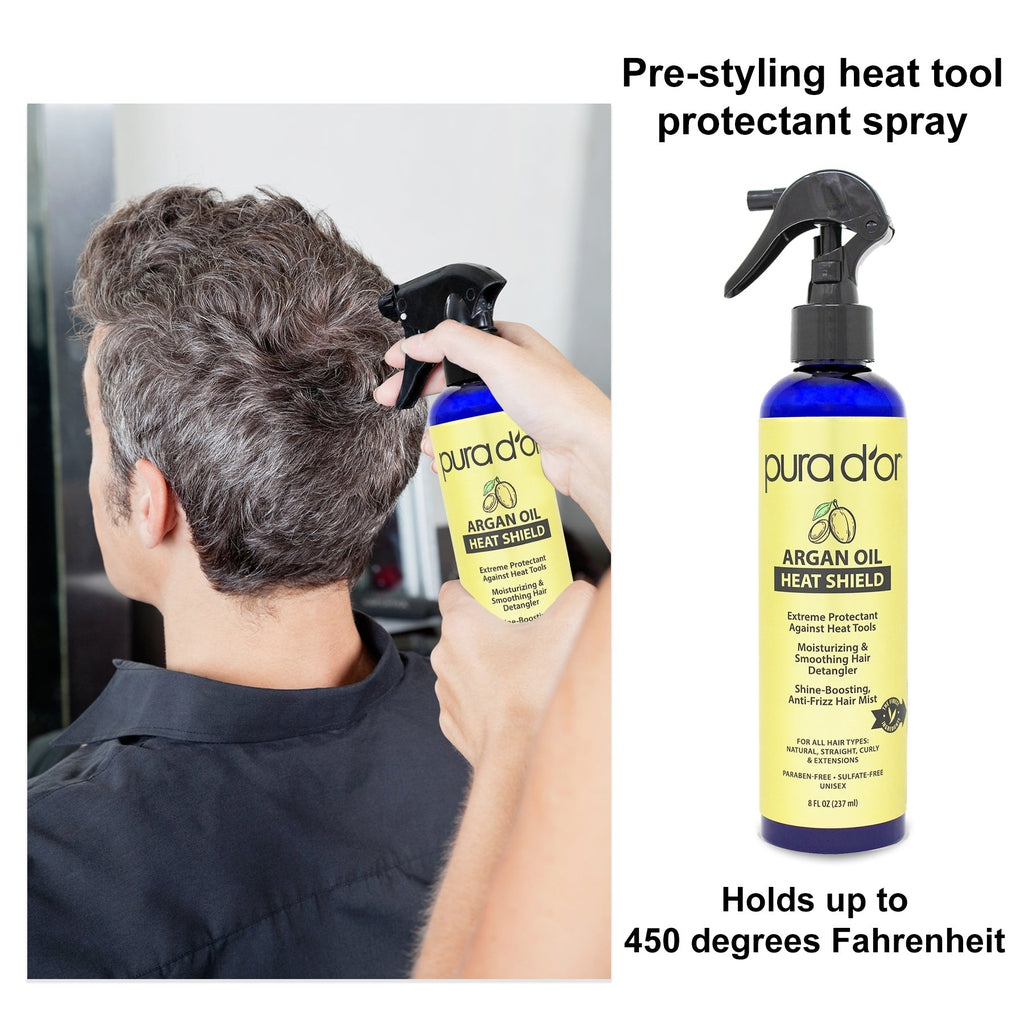
Heat tools cause moisture loss and protein damage. A quick pre-styling step with argan oil can minimize this harm and keep your hair healthier despite regular heat use.
Apply Before Blow-Drying or Straightening
Take one to two drops of argan oil and run through damp hair, focusing on the ends. The oil forms a protective barrier that reduces thermal damage up to 422°F. This works with all heat tools, including flat irons, curling wands, and blow dryers.
Do Not Apply to Roots Before Heat
To avoid greasiness and clogged follicles, keep the oil below the crown unless your scalp is specifically dry. Applying oil to the roots before heat styling often leads to buildup and an oily appearance.
Boost Conditioner With Argan Oil
Turn your regular conditioner into a supercharged treatment with just a few drops of argan oil. This simple addition enhances moisture retention without replacing your core product.
Mix Two to Three Drops Into Your Conditioner
Add the argan oil directly to the palm of your hand along with your usual conditioner. Mix them together and apply from mid-lengths to ends. Rinse thoroughly to ensure no oily residue remains.
Best for Thick or Coarse Hair
Those with dense, dry, or frizzy textures benefit most from this method. Fine-haired users should test first to avoid heaviness. This approach enhances the conditioning power of your existing products.
Match Usage to Your Hair Type
How much and where you apply argan oil depends on your hair is unique needs. Tailoring your approach ensures you get maximum benefits without weighing hair down.
Fine or Thin Hair: Use Sparingly
Use one to two drops applied to ends only. Frequency should be daily or every other day. Too much oil weighs down fine strands, so use it only as a leave-in or heat protectant.
Thick or Coarse Hair: Apply Generously
Use three to five drops or more, applying from mid-lengths to ends. Incorporate deep masks one to two times per week. This hair type absorbs oil quickly and benefits from frequent hydration.
Curly or Wavy Hair: Enhance Definition
Use argan oil as a leave-in or overnight mask. Benefits include reduced dryness, defined curls, and controlled frizz. Apply to damp hair to lock in moisture and boost your natural pattern.
Chemically Treated Hair: Repair Damage
Argan oil is ideal for colored, bleached, permed, or relaxed hair. The best methods include pre-shampoo treatment, overnight mask, and daily leave-in application. It helps seal the cuticle and prevents further breakage.
Oily Hair: Focus on Ends Only
Avoid scalp application entirely. Use just one drop on dry ends to tame frizz. This adds shine without increasing oiliness. With oily hair, less is definitely more.
Avoid Common Mistakes
Even the best product fails when used incorrectly. Steer clear of these frequent errors to get the most from your argan oil.
Do Not Use Too Much Oil
Overapplication causes greasiness and buildup. Start with one to two drops. You can always add more next time if your hair needs it.
Never Skip the Patch Test
While rare, some people react to nut-based oils. Test a drop on your inner forearm and wait 24 hours before full use. This simple step prevents allergic reactions.
Do Not Expect Instant Growth
Argan oil does not grow new hair, but it reduces breakage, helping you retain length. For actual growth stimulation, pair with proven treatments like minoxidil. Think of it as a protector, not a grower.
Avoid Low-Quality Blends
Many products labeled “argan oil” contain fillers and minimal actual argan oil. Stick to 100% pure, cold-pressed oil in dark glass bottles for real results. Quality matters.
See Results in Weeks
Benefits appear quickly, but true transformation takes consistency. Understanding the timeline helps you stay motivated and adjust expectations.
Immediate Effects After First Use
You will notice smoother texture, instant shine, and reduced frizz and flyaways. These changes happen right away due to cuticle smoothing.
Short-Term Results: One to Four Weeks
Within two weeks, you will experience softer hair, easier detangling, and less static and breakage. Visible improvement in manageability comes quickly.
Long-Term Results: Six to Twelve Weeks
After a few months, you will see fewer split ends, stronger and more elastic strands, and a healthier overall appearance. Structural repair takes time, so stick with it for lasting change.
Compare Argan Oil to Other Oils
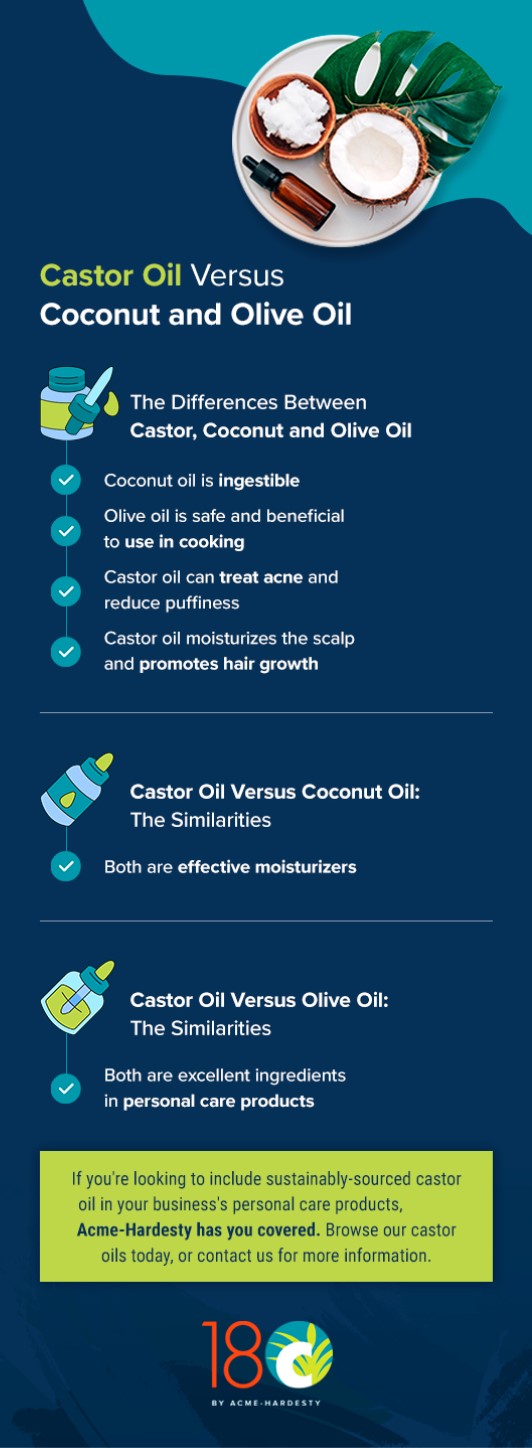
Not all hair oils are created equal. Understanding how argan oil stands out helps you choose the right product for your needs.
Argan Oil vs. Coconut Oil
Argan oil is lighter and less greasy than coconut oil, absorbing faster without leaving residue. It is better for fine or oily hair types and less likely to clog pores or weigh hair down.
Argan Oil vs. Castor Oil
Castor oil is thick and sticky, making it difficult to apply and wash out. Argan oil spreads evenly and is easier to use, making it ideal for daily use versus weekly deep conditioning.
Argan Oil vs. Prickly Pear Oil
Both are lightweight and rich in vitamin E. However, argan oil is more accessible and affordable, making it better for regular maintenance than occasional repair.
Buy Smart: What to Look For
Quality matters. Invest in real argan oil for real results. Here is what to look for when shopping.
Trusted Brands and Prices
Pure argan oil typically costs between $21 and $31 for 100ml. Brands like Green Mood Organic and Juicy Chemistry offer certified organic, cold-pressed options with high user ratings. Avoid cheap imitations under $10 for 100ml, as they are likely diluted.
Check Packaging and Source
Authentic oil comes from Morocco. Look for certifications like USDA Organic, ECOCERT, or COSMOS. The extraction method must be cold-pressed to preserve nutrients.
Final Tips for Best Results
Maximize your argan oil benefits with these expert-backed strategies. These habits ensure you get the most from every drop.
Start Small, Adjust Gradually
Begin with one drop. See how your hair responds before increasing. Fine hair often needs only a tiny amount, while thicker hair can handle more.
Apply to Damp or Dry Hair
Never apply to soaking-wet hair, as it dilutes effectiveness. Use on towel-dried or dry strands for optimal absorption and maximum benefit.
Combine With Healthy Habits
Argan oil works best alongside gentle shampooing, regular trims, limited heat styling, and a balanced diet rich in protein and vitamins. External care complements internal health.
Be Consistent for Eight Weeks
True repair takes time. Use argan oil two to three times weekly for at least two months to see reduced breakage and improved resilience. Consistency is key.
Frequently Asked Questions About Argan Oil for Hair
Can I use argan oil every day?
Yes. One to three drops on ends is safe daily, especially for dry or damaged hair. Avoid overuse on roots to prevent greasiness.
Will it make my hair greasy?
Only if you apply too much. The oil absorbs quickly, so start with one drop and increase only if needed. Most people find it lightweight and non-greasy.
Can argan oil replace conditioner?
Sometimes. For fine or oily hair, a drop can substitute light conditioning. For dry or thick hair, use both for best results. It complements rather than replaces.
Is it good for curly hair?
Absolutely. Argan oil enhances curl definition, reduces dryness, and fights humidity-induced frizz without weighing curls down.
Can I leave it in overnight?
Yes. It is highly effective as an overnight mask. Cover with a cap to protect your bedding. This intensive treatment works wonders for dry hair.
Is it safe for sensitive skin?
Generally yes. Its anti-inflammatory properties soothe irritation. Always patch test first to check for any allergic reactions.
How long until I see results?
Shine and softness appear immediately. Manageability improves in one to two weeks. Strength and less breakage show in three to four weeks. Split end reduction takes six or more weeks.
Key Takeaways for Using Argan Oil
Argan oil transforms hair from dull and damaged to shiny, soft, and strong when used correctly. It is not a miracle grower, but it is a powerful protector and restorer that reduces breakage and improves overall hair health. By choosing pure, cold-pressed oil, applying the right amount, and tailoring your use to your specific hair type, you will unlock its full potential. Whether you are fighting frizz, repairing bleach damage, or just want healthier-looking hair, learning how to use argan oil for hair is a skill worth mastering. Start with one drop today and adjust gradually based on how your hair responds.