You love the idea of a nourishing scalp massage, but one thing holds you back: greasy hair. Many people avoid scalp oiling because they fear flat, oily strands that look unwashed by midday. The good news is that you can oil your scalp without making your hair greasy if you know the right oils, amounts, timing, and techniques.
This guide reveals exactly how to nourish your scalp effectively while keeping your hair light, bouncy, and residue-free. Whether you have fine, straight hair or a naturally oily scalp, these science-backed and expert-approved steps will help you enjoy the benefits of oiling without the shine you did not ask for.
Choose Lightweight, Fast-Absorbing Oils
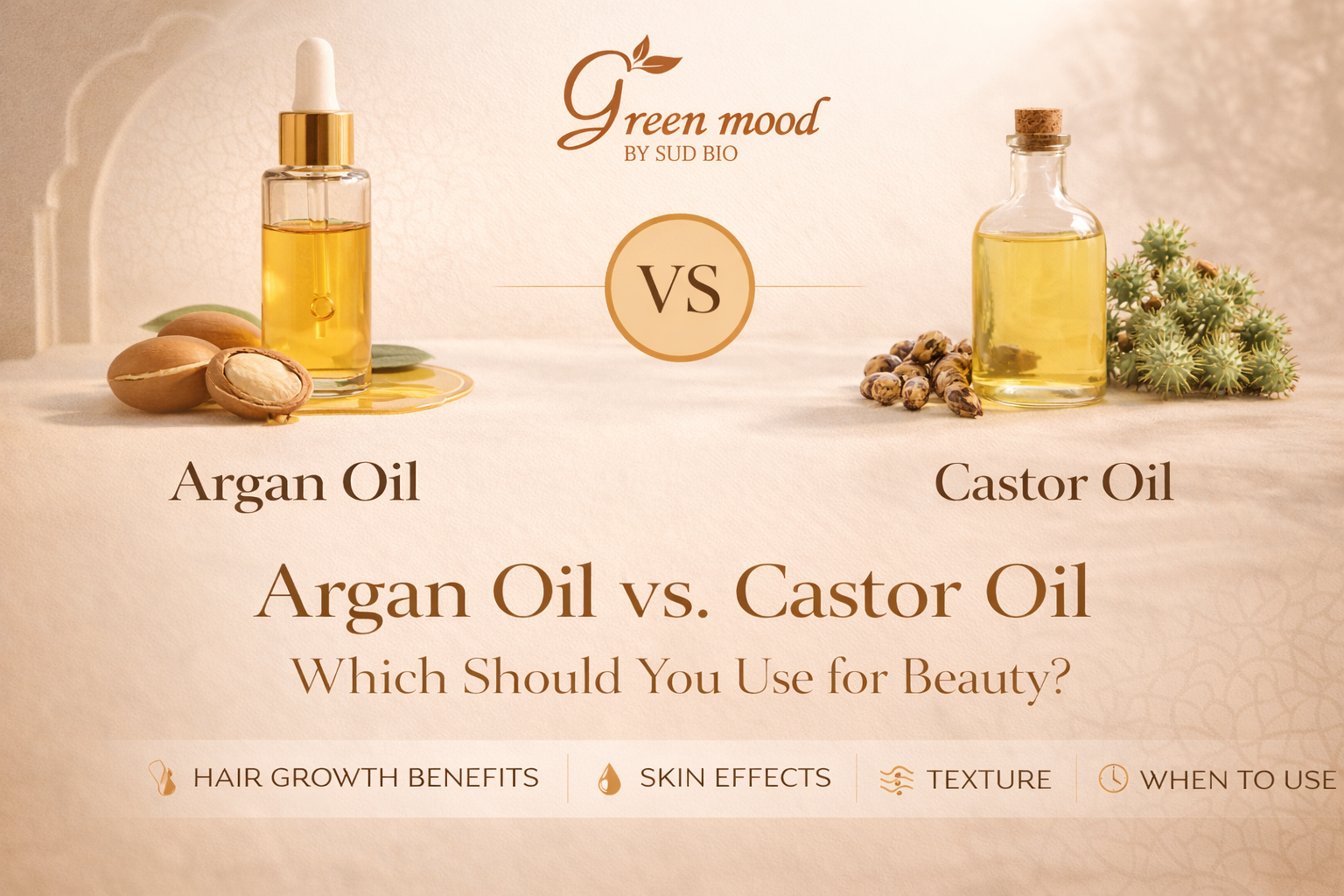
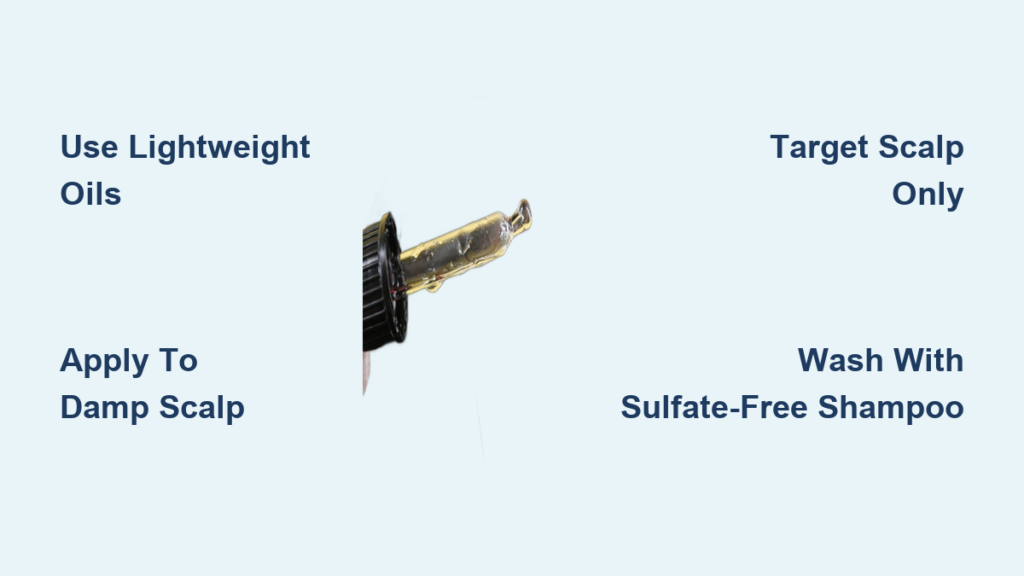
Not all oils are created equal. The key to non-greasy oiling is selecting formulas that absorb quickly and do not sit on the scalp.
Oils That Prevent Greasiness
These oils work well for all hair types and absorb fast.
• Argan oil: Lightweight, rich in vitamin E, and absorbs fast, ideal for fine or oily hair.
• Squalane (plant-derived): Mimics natural sebum, hydrates without clogging pores, and vanishes into the scalp.
• Sunflower seed oil: Non-comedogenic, packed with linoleic acid, and gentle on sensitive scalps.
• Diluted castor oil: Mix one part castor with two parts jojoba or grapeseed to reduce thickness and boost absorption.
Oils to Avoid
These heavier oils often leave residue and weigh hair down.
• Mineral oil: Coats the scalp without nourishing it and leads to buildup.
• Unrefined olive or sesame oil: Too heavy and often leaves residue.
• Pure coconut oil on fine hair: Can solidify in hair shafts and block moisture absorption.
Pro Tip: Blend a drop of castor oil with argan or squalane for strength and shine without the grease.
Apply Oil to Damp, Not Dry, Scalp
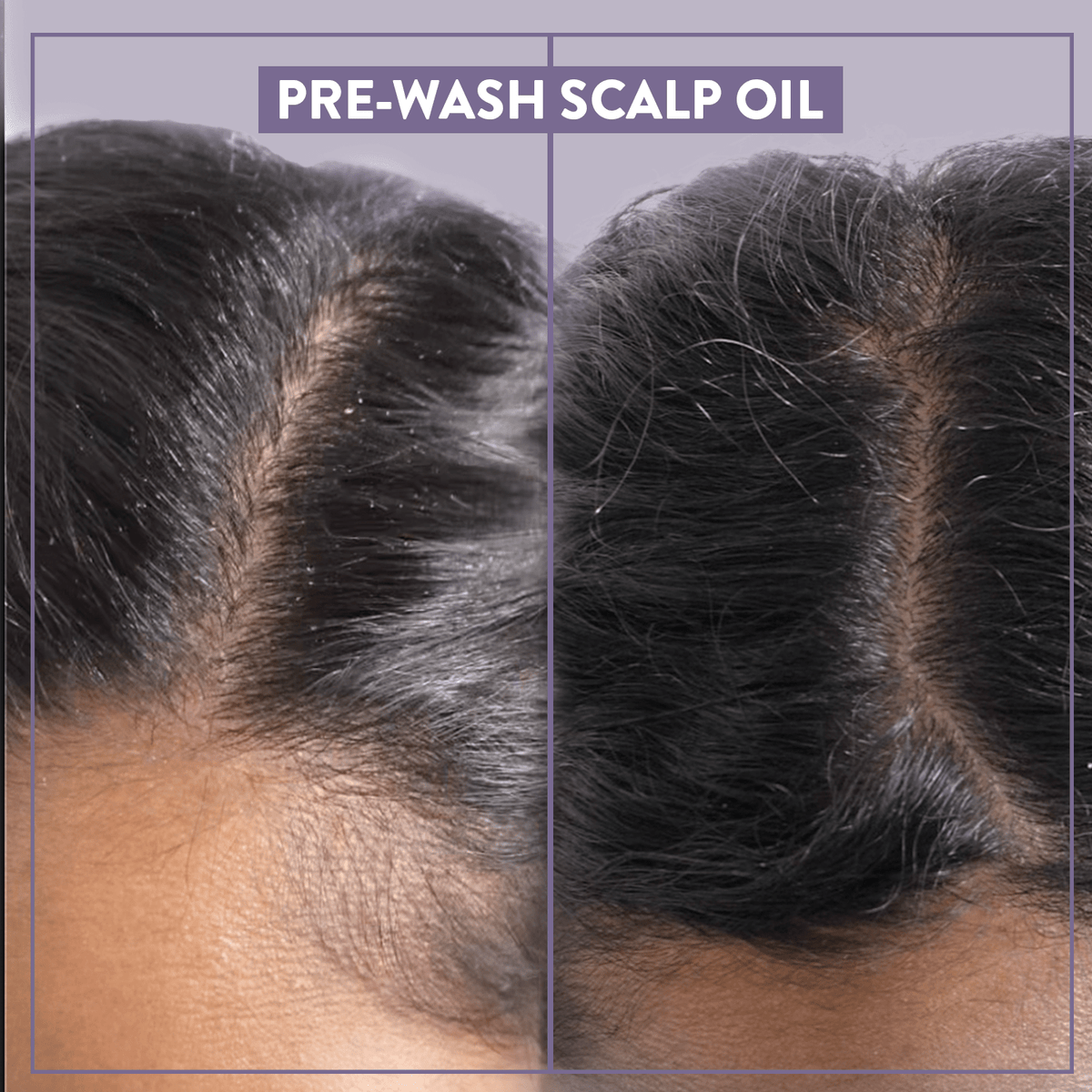
Dry scalp repels oil while damp scalp welcomes it. When your scalp is slightly moist, like after misting with water or towel-drying post-shower, oils spread more evenly and absorb faster. This means you need less product to cover the same area, reducing greasiness risk.
How to Apply to Damp Scalp
- Lightly spritz your scalp with water.
- Apply oil immediately while damp.
- Use fingertips to distribute, as oil emulsifies slightly with water and prevents pooling.
Expert Insight: Oiling damp hair allows better penetration and reduces the need for excess oil.
Use Minimal Amounts: Start Small
Over-pouring is the number one cause of greasy hair after oiling. Starting with less gives you control over how much your scalp actually needs.
Dosage Guidelines by Hair Type
| Hair Type | Oil Amount |
|---|---|
| Fine, short hair | 3 to 5 drops |
| Medium, straight hair | 1 to 2 teaspoons |
| Long, thick, curly hair | Up to 1 tablespoon |
Rule of thumb: Start with half the amount you think you need. You can always add more to dry patches, but you cannot remove excess once applied.
Warning: More oil does not equal better results. Excess blocks follicles and triggers more sebum production.
Target Scalp Only, Not Hair Lengths
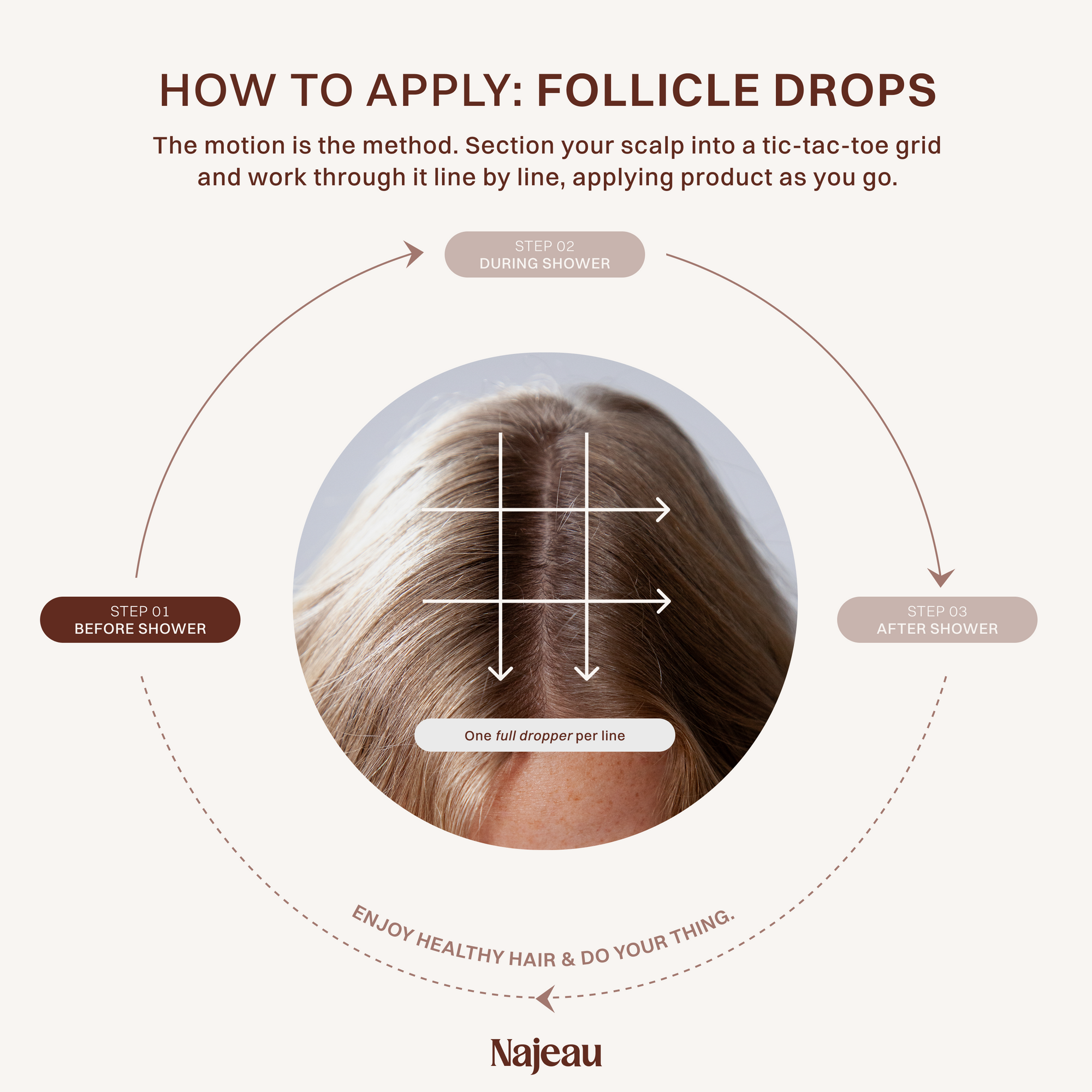
To prevent greasy strands, keep oil off mid-lengths and ends unless they are dry or damaged. Precision is key to avoiding that unwashed look.
Precision Application Tips
• Part your hair into 4 to 6 sections.
• Use a dropper or cotton pad to apply oil directly to the scalp.
• Massage in small circular motions and focus on roots, not lengths.
• For dry ends, apply a separate, tiny drop only to tips after scalp treatment.
Visual Cue: If your hair looks shiny from root to tip after oiling, you have used too much or spread it too far.
Massage for Absorption, Not Just Relaxation
Massaging is not just calming. It helps your scalp absorb oil instead of letting it sit on the surface.
How to Massage Correctly
• Use fingertips, not nails, to avoid micro-tears.
• Apply gentle pressure in small circles for 5 to 10 minutes.
• Cover all areas: front, crown, sides, and back.
Benefits of proper massage include boosted blood flow to follicles, faster oil absorption, and prevention of oil pooling at the roots.
Ayurvedic Tip: Warm the oil slightly before use, as follicles absorb warm oil more efficiently during daytime routines.
Limit Time: Never Leave Oil Overnight
Leaving oil in overnight increases the risk of clogged pores, dust buildup, and scalp acne. This is one of the most common mistakes people make.
Ideal Oiling Duration
• Minimum: 30 minutes
• Maximum: 3 hours
• Best window: 60 minutes before washing
Critical Warning: Oiling overnight causes dust accumulation and weakens hair. It can also trigger breakouts along the hairline and forehead.
Wash With Sulfate-Free Shampoo
Even the best oiling routine fails if you do not wash it out properly. The right shampoo makes all the difference.
How to Remove Oil Without Stripping
- First wash: Use sulfate-free shampoo to break down oil gently.
- Second wash: Repeat with a small amount to ensure full removal.
- Water temperature: Use lukewarm or cool water, as hot water stimulates oil glands.
Recommended: Look for shampoos with zinc pyrithione, colloidal oatmeal, or probiotics, as they cleanse without over-drying.
Oil Only as Often as Needed
Over-oiling disrupts your scalp is natural balance and leads to more oiliness, not less. Finding your ideal frequency is crucial.
Frequency Guidelines by Hair Type
| Hair Type | Oiling Frequency |
|---|---|
| Dry, curly, coily | 2 to 3 times per week |
| Normal | Once per week |
| Fine, oily, straight | Once every 10 to 14 days |
Golden Rule: If your hair feels greasy the next day, reduce frequency or amount.
Ayurvedic View: Oiling more than twice a week may cause sinus congestion or scalp allergies in sensitive individuals.
When NOT to Oil Your Scalp
Oiling is not for everyone, and it is not for every condition. Knowing when to skip it protects your scalp health.
Avoid Oiling If You Have
• Oily scalp: Adds to sebum, worsens shine, and clogs pores.
• Active dandruff (seborrheic dermatitis): Oil traps flakes and feeds yeast overgrowth.
• Medical hair loss: Hormonal, stress, or illness-related shedding will not improve with oil.
• Scalp inflammation or acne: Oil can clog follicles and worsen breakouts.
Safer Alternatives for Problem Scalps
• For dandruff: Try aloe vera plus neem leaves or medicated serums with zinc pyrithione.
• For hair fall: Use yogurt plus fenugreek paste or egg plus banana mask.
• For dryness without grease: Apply leave-in serums with squalane or glycerin.
Expert Note: Sometimes less is more. Let your scalp breathe.
Lightweight Alternatives to Traditional Oiling
You do not need heavy oil to hydrate your scalp. These alternatives deliver moisture without the grease.
Non-Greasy Options to Try
• Scalp serums with squalane or vitamin E: Absorb instantly, no wash-out needed.
• Aloe vera gel plus a few drops of oil: Dilutes richness and improves spreadability.
• Yogurt-oil blends: Natural emulsifier, easy to rinse, and soothes irritation.
• Colloidal oatmeal conditioners: Hydrate without oil, ideal for daily use.
Bonus Tip: Use a microfiber towel to dry hair. This reduces frizz and prevents over-stimulation of oil glands.
Common Mistakes That Cause Greasiness
Avoid these pitfalls to keep your hair fresh and clean between oiling sessions.
| Mistake | Fix |
|---|---|
| Using too much oil | Start with 3 to 5 drops and add only to dry zones |
| Oiling daily | Stick to 1 to 2 times per week maximum |
| Skipping double wash | Always cleanse twice with sulfate-free shampoo |
| Applying to oily scalp | Replace oil with a cooling aloe serum |
| Using mineral oil | Switch to plant-based, fast-absorbing oils |
| Leaving oil overnight | Limit to 1 to 3 hours only |
Reality Check: Greasy hair after oiling usually means technique, not the practice, is flawed.
Step-by-Step: Oil Scalp Without Grease

Follow this simple routine for the best results.
- Check your scalp type: Only oil if dry or normal. Skip if oily or flaky.
- Pick a lightweight oil: Argan, squalane, or diluted castor oil.
- Dampen scalp lightly: Mist with water or use towel-dried hair.
- Apply 1 to 2 teaspoons or less: Use a dropper and focus on roots only.
- Massage 5 to 10 minutes: Use fingertips in circular motions.
- Wait 30 to 60 minutes: Maximum 3 hours. Never sleep with oil.
- Wash with sulfate-free shampoo: Double cleanse if needed.
- Repeat 1 to 2 times per week: Adjust based on hair response.
- Stay hydrated and dry gently: Drink water and use a microfiber towel plus cool diffuser.
Frequently Asked Questions About Oiling Scalp Without Greasiness
How often should I oil my scalp without making hair greasy?
For most people, once per week is sufficient. Fine, oily, or straight hair can go 10 to 14 days between oiling sessions. Dry, curly hair benefits from 2 to 3 sessions per week.
Can I leave scalp oil in overnight?
No. Leaving oil in overnight causes dust accumulation, weakens hair, and can trigger breakouts along the hairline. Keep oil in for 30 minutes to 3 hours maximum.
What is the best oil for fine hair?
Argan oil and squalane are the best choices for fine hair. Both absorb quickly, do not weigh hair down, and provide nourishment without greasiness.
Why does my hair look greasy after oiling?
Greasy hair after oiling usually means you used too much product, applied it to dry scalp, left it in too long, or did not wash it out properly. Start with less oil and focus only on the scalp.
Can I oil my scalp if it is naturally oily?
No. Oiling an already oily scalp adds to sebum production and clogs pores. Instead, use a lightweight aloe vera serum or medicated scalp treatment designed for oily scalps.
Do I need to double cleanse after oiling?
Yes. Most people benefit from double cleansing with sulfate-free shampoo to ensure all oil is removed. The first wash loosens the oil, and the second wash provides a thorough clean.
Key Takeaways for Oiling Scalp Without Greasy Hair
By choosing the right oil, using the right amount, and following the right steps, you can nourish your scalp deeply while keeping your hair light, fresh, and completely grease-free. The secret is not avoiding oil but using it smarter.
Remember these core principles: select lightweight oils like argan or squalane, apply to damp scalp in small amounts, focus on roots only, massage for absorption, and limit the duration to a few hours. Wash thoroughly with sulfate-free shampoo and adjust your frequency based on your hair type.
Start with less than you think you need. You can always add more to dry patches, but excess oil creates the greasiness you are trying to avoid. Consistency beats intensity, so stick to a regular, moderate routine rather than occasional heavy treatments. Your scalp will thank you with improved hydration, reduced flakiness, and stronger, healthier hair.