
If you’re struggling with thinning hair, slow growth, or a dry, flaky scalp, making your own hair oil for hair growth could be the natural solution you’ve been searching for. Unlike commercial products filled with synthetic additives, homemade hair oils use powerful plant-based ingredients to nourish the scalp, stimulate follicles, and strengthen strands from the root. The best part? You can create a potent, personalized formula in minutes using just a few high-impact ingredients.
Research shows that oils like rosemary, castor, and peppermint aren’t just traditional remedies. They’re scientifically backed for boosting circulation, reducing shedding, and even matching the effectiveness of minoxidil in some cases. Whether you’re new to DIY beauty or looking to upgrade your hair care routine, this guide walks you through every step.
Choose the Best Base Oils

Your carrier oil forms the foundation of any effective hair growth blend. It dilutes potent essential oils, delivers nutrients deep into the scalp, and conditions the hair shaft without causing buildup.
Use Castor Oil for Thickness
Castor oil, especially Jamaican black castor oil, is a powerhouse for hair growth. Its high ricinoleic acid content boosts blood flow to follicles, strengthens roots, and adds noticeable thickness over time. Because it’s thick and heavy, mix it with lighter oils like jojoba or argan for easier application. Use half to one cup in your blend depending on batch size.
Pro Tip: Warm castor oil slightly before use to improve spreadability and absorption.
Pick Argan or Jojoba for Lightweight Nourishment
For fine or oily hair types, argan oil and jojoba oil are ideal. Argan, known as “liquid gold,” is rich in vitamin E and fatty acids that repair damage and add shine. Jojoba closely mimics your scalp’s natural sebum, helping balance oil production. Both absorb quickly and won’t weigh hair down.
Try Coconut or Olive Oil for Deep Conditioning
Coconut oil penetrates the hair shaft to prevent protein loss and reduce breakage. It’s excellent for dry, curly, or damaged hair. Olive oil is a rich emollient with antioxidants that strengthen and soften hair. Use either as a primary carrier in winter when hair needs extra moisture.
Warning: Coconut oil may solidify in cold weather. Warm it gently before use.
Add Essential Oils That Stimulate Growth
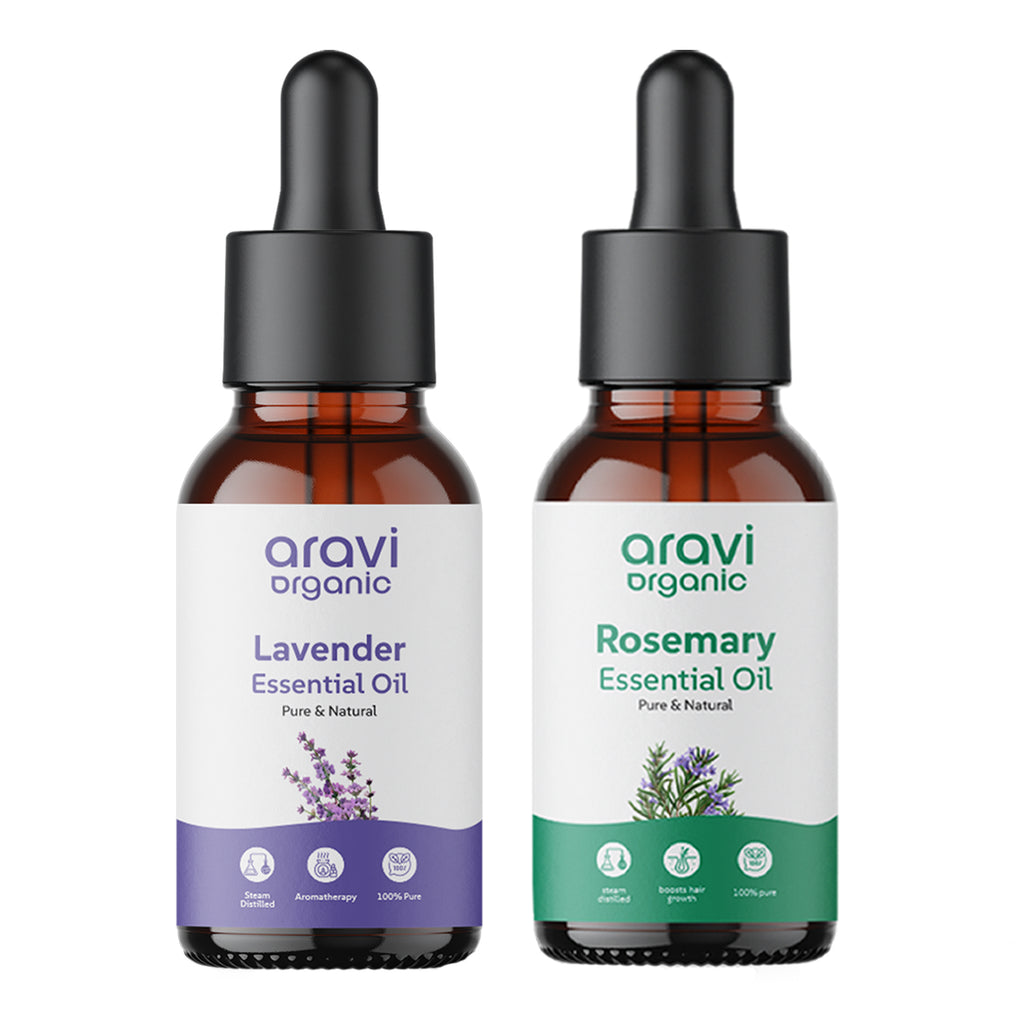
Essential oils are the active ingredients in your hair growth oil. Used in small amounts, they deliver targeted biological effects to the scalp.
Apply Rosemary Oil for Proven Results
Rosemary essential oil is clinically shown to be as effective as 2% minoxidil for treating androgenetic alopecia. It stimulates circulation, reduces inflammation, and slows hair shedding. Add five to ten drops per cup of carrier oil for optimal results.
Scientific Insight: A 2015 study found participants using rosemary oil experienced significant hair growth after six months, equal to those using minoxidil.
Use Peppermint Oil to Wake Up Follicles
Peppermint oil creates a cooling, tingling sensation that increases blood flow to the scalp. Research shows it can boost dermal thickness and follicle count, making it ideal for dormant or sluggish follicles. Use five to ten drops per cup. Start low if you have a sensitive scalp.
Include Lavender Oil for Scalp Health
Lavender essential oil promotes hair growth while soothing irritation and reducing stress-related shedding. It also has antimicrobial properties that help prevent dandruff. Use five to ten drops per cup for a calming, fragrant blend.
Blend Idea: Combine rosemary, peppermint, and lavender for a triple-action growth boost.
Infuse with Botanicals for Extra Strength
Infused oils extract active compounds from plant materials, creating a more potent, long-lasting treatment.
Make Hibiscus-Infused Oil for Amino Acids
Dried hibiscus flowers are rich in amino acids that nourish the scalp and improve hair elasticity. When infused into castor oil, they create a pink-hued oil that’s both effective and visually appealing. The pink color confirms successful extraction of active compounds.
Heat Infusion Method
This fast method delivers strong results in under an hour.
- Combine three and a half cups Jamaican black castor oil and one and a half cups dried hibiscus flowers in a double boiler.
- Warm on low heat for 30 minutes. Do not boil.
- Cool completely, then strain through cheesecloth.
- Add essential oils: two teaspoons lavender, one teaspoon peppermint, one teaspoon rosemary.
Cold Infusion Method
This slower method preserves more delicate compounds and yields a longer shelf life.
- Mix the same ingredients in a glass jar.
- Seal and store in a cool, dark place for four weeks.
- Shake gently every few days.
- Strain and add essential oils as above.
Why Wait?: Cold infusion preserves more delicate compounds and yields a longer shelf life.
Mix Simple Blends for Quick Results

Not all effective hair oils require weeks of preparation. You can make a powerful growth serum in under five minutes.
Try the Basic Rosemary Oil Blend
This beginner-friendly recipe is perfect for testing tolerance and starting your journey.
• One cup carrier oil (jojoba, argan, or coconut)
• Five to ten drops rosemary essential oil
Mix in a dark glass bottle and shake well. Apply one to two times per week.
Combine Rosemary and Lavender for Sensitive Scalps
Ideal for those with stress-related thinning or irritation:
• One cup carrier oil
• Five drops rosemary essential oil
• Five drops lavender essential oil
This blend calms the mind and scalp while promoting growth.
Boost Circulation with Rosemary and Peppermint
For dull, lifeless hair with poor circulation:
• One cup carrier oil
• Five drops rosemary
• Five drops peppermint
Expect a refreshing tingle. This is a sign the oil is working.
Create a Shine-Enhancing Argan Serum
For daily use on dry or frizzy ends:
• Half cup argan oil
• Five drops rosemary essential oil
Apply one to two drops to ends after washing. No need to rinse.
Follow Best Practices for Preparation
Even the best ingredients fail without proper handling. Follow these guidelines to ensure safety, potency, and longevity.
Use the Right Equipment
• Glass or non-food-grade stainless steel bowls. Castor oil can react with food-grade metals.
• Dark glass bottles (amber or cobalt) to block UV light.
• Cheesecloth or fine strainer for infused oils.
• Dropper or funnel for mess-free pouring.
Avoid plastic containers. Essential oils can degrade plastic over time.
Measure Precisely
Essential oils are potent. Too much can irritate. Too little reduces effectiveness.
• Use measuring spoons or calibrated droppers.
• One teaspoon equals approximately 20 drops, varying by oil.
• Keep dilution between 1% and 3%. For example, six to 18 drops per ounce of carrier oil.
Store Properly
• Keep bottles in a cool, dark place.
• Tightly seal to prevent oxidation.
• Label with date. Most oils last six to 12 months.
Shelf Life Tip: Oils with no water or fresh ingredients last longest. Avoid adding aloe or citrus juice unless refrigerating.
Apply Oil Correctly for Maximum Growth

How you apply your oil matters as much as the ingredients you use.
Focus on the Scalp, Not the Ends
Hair growth starts at the root. Apply oil directly to the scalp using fingertips to massage it in. Avoid saturating the ends, which can lead to greasiness.
Massage for 2-5 Minutes
Use circular motions with your fingertips, not nails, to stimulate blood flow. This enhances nutrient delivery and activates follicles.
Pro Tip: Turn oiling into a self-care ritual. Breathe deeply and relax to reduce stress-related shedding.
Leave On for 2-4 Hours
While some swear by overnight oiling, limit application to two to four hours to avoid clogged pores and scalp irritation. Wash out with a gentle shampoo and warm, not hot, water.
Exception: Those with very dry, thick hair may benefit from occasional overnight treatment. Do a patch test first.
Use 1-2 Times Weekly
Overuse can lead to buildup and block follicles. Stick to one to two applications per week for consistent, safe results.
Customize Based on Your Hair Type
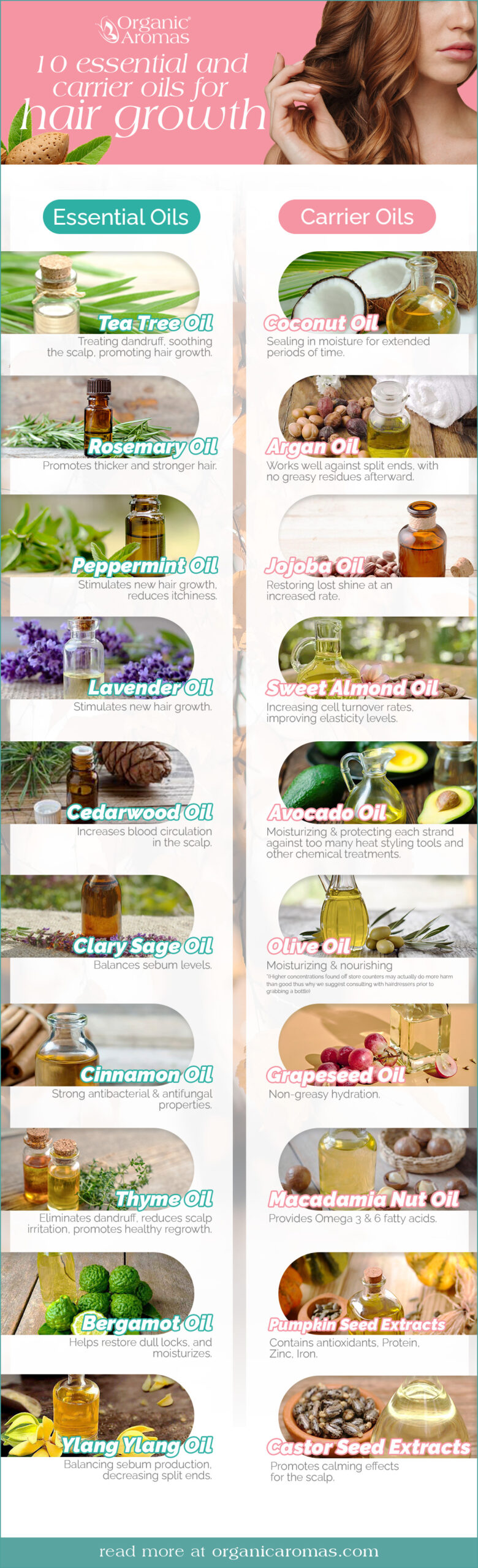
One size doesn’t fit all. Adjust your blend to match your unique needs.
For Dry or Damaged Hair
• Base: Coconut or argan oil
• Add: One teaspoon vitamin E oil for extra repair
• Essential oils: Lavender plus rosemary
For Oily or Fine Hair
• Base: Jojoba oil (lightweight, balances sebum)
• Avoid heavy castor oil
• Essential oils: Rosemary plus tea tree (clarifying)
For Thinning or Slow-Growing Hair
• Base: Jamaican black castor oil (50%) plus jojoba (50%)
• Essential oils: Rosemary plus peppermint plus lavender
• Infuse with hibiscus for added amino acids
For Dandruff-Prone Scalps
• Base: Coconut oil (antifungal)
• Essential oils: Tea tree plus lavender plus rosemary
• Apply twice per week, leave three hours, then shampoo
Avoid Common Mistakes
Even small errors can reduce effectiveness or cause irritation.
Don’t Skip the Patch Test
Always test on your inner forearm or behind the ear. Wait 24 hours to check for redness, itching, or swelling.
Never Use Undiluted Essential Oils
They can cause burns or allergic reactions. Always dilute in a carrier oil.
Don’t Overheat During Infusion
High heat destroys active compounds. Use low heat only. Never boil.
Avoid Applying Too Much Oil
A little goes a long way. Start with one to two tablespoons for short hair, three to four for long hair.
Frequently Asked Questions About Making Hair Oil for Hair Growth
How long does it take to see results from homemade hair oil?
Most users see noticeable improvements in hair texture and reduced shedding within three to six months of consistent use. Hair growth is a gradual process, and patience is key. Apply your oil one to two times per week for best results.
Can I leave hair oil on overnight?
While some users report success with overnight treatments, experts recommend limiting application to two to four hours. Leaving oil on too long can clog pores and cause scalp irritation, especially if you have oily or acne-prone skin.
Which essential oil is most effective for hair growth?
Rosemary essential oil is the most scientifically proven option. Studies show it matches the effectiveness of 2% minoxidil for treating hair loss. Peppermint and lavender oils work well as complements for circulation and scalp health.
Can I use coconut oil as a carrier oil for hair growth?
Yes, coconut oil is an excellent carrier oil. It penetrates the hair shaft to prevent protein loss and reduce breakage. It’s particularly beneficial for dry, curly, or damaged hair types. Note that it may solidify in cold weather.
How should I store homemade hair oil?
Store your oil in a cool, dark place in dark glass bottles (amber or cobalt). Tightly seal the bottles to prevent oxidation. Label with the creation date. Most homemade oils last six to 12 months when properly stored.
Can I mix multiple essential oils in one blend?
Yes, you can combine essential oils for enhanced benefits. A popular combination is rosemary, peppermint, and lavender for a triple-action growth boost. Just ensure you’re not exceeding the recommended dilution rate of 1-3%.
Key Takeaways for Making Hair Oil for Hair Growth
Making your own hair oil for hair growth puts you in control of what touches your scalp. With the right ingredients, proper technique, and consistent use, you can support thicker, healthier, and longer hair naturally.
Start with the basic rosemary oil blend if you’re new to DIY hair care. This simple recipe takes five minutes to make and lets you test your tolerance before moving to more complex formulas. Choose carrier oils based on your hair type. Use castor oil for thickness, argan for shine, jojoba for oily scalps, and coconut for deep conditioning.
Always dilute essential oils properly. Keep dilution between 1% and 3% to avoid irritation. Apply oil directly to the scalp and massage for two to five minutes to stimulate blood flow. Leave on for two to four hours, then wash thoroughly.
In as little as three to six months, you could see real, visible results. Start simple, listen to your hair, and adjust your formula as needed.