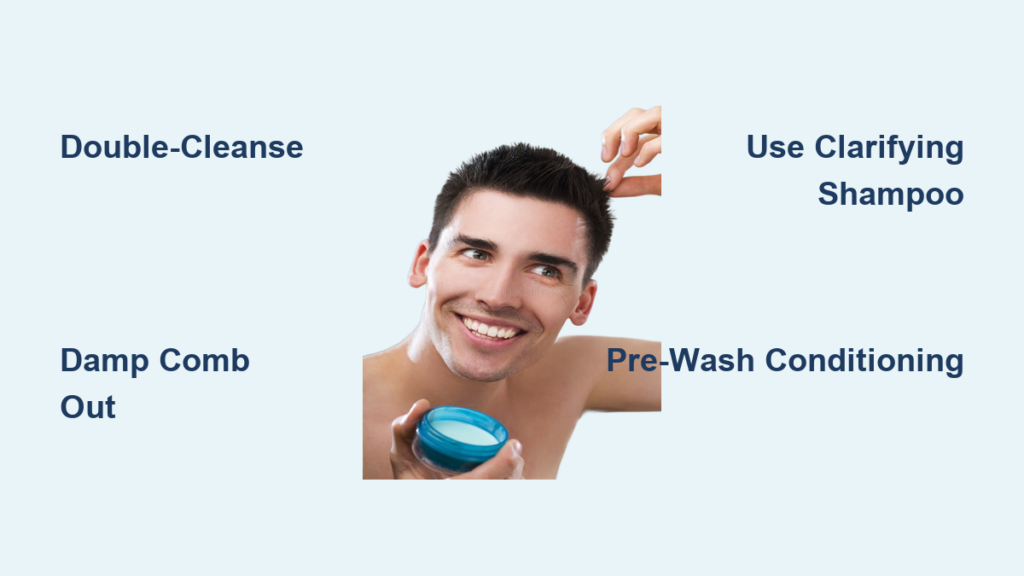
If you’ve ever dealt with stiff, sticky strands after styling, you know how frustrating hair gel can be. How to get hair gel out of hair effectively is a daily challenge for regular users. Residual gel causes flaking, dullness, scalp irritation, and styling buildup. The good news? You can remove gel completely with the right techniques, whether you prefer waterless methods, gentle rinses, or deep-cleansing shampoos. This guide covers proven strategies tailored to every hair type.
Why Hair Gel Resists Removal
Hair gel is engineered to last. Its polymer-based film locks strands in place, resisting water and light rinsing. Strong-hold and alcohol-free formulas are especially stubborn. Ingredients like mineral oil, silicones such as simethicone, and glycerin create residue that accumulates over time. Without proper removal, this leads to clogged follicles, dryness, and styling interference. Understanding what you’re fighting against helps you choose the right removal method.
Dry Removal Techniques for Quick Fixes
Paper Towel Absorption
For emergency touch-ups between washes, dry paper towels can lift surface gel. Section your hair if needed, then gently rub strands from root to tip. Replace the towel as it absorbs residue. This method works best for light buildup. Avoid aggressive rubbing, which causes breakage.
Brushing Out Loose Flakes
Never brush dry, tangled, gel-heavy hair aggressively. However, gentle mechanical removal helps when gel is flaking. For straight or wavy hair, use a boar bristle brush to lift residue. For curly or coiled hair, use fingers or a wide-tooth comb to avoid breakage. Always start at the ends and work upward gradually.
Warning: Aggressive brushing causes split ends and traction alopecia, especially in textured hair.
Water-Based Methods Without Shampoo
Dampen and Comb Out
Water softens gel’s polymer matrix, making removal easier. Fill a spray bottle with lukewarm water and mist affected areas. Wait 30 to 60 seconds, then use a wide-tooth comb to glide through strands. Wipe the comb on a towel to check for residue. Repeat until no gel comes out.
Blow-Dry After Damp Comb
Heat helps break down residual gel in some formulas. After combing, use a low-heat blow dryer or diffuser to dry and reset hair. Alternatively, blot with a microfiber towel or clean paper towels. Avoid high heat, which damages the cuticle.
Shampoo Washing for Complete Removal
Double-Cleansing Method
Shampoo contains surfactants like SLS, SLES, and cocamidopropyl betaine that emulsify gel, oil, and dirt. This is the most effective way to fully cleanse scalp and hair. Start with a thorough pre-rinse to loosen gel. Apply shampoo to the scalp, massaging with fingertips, then work lather down the lengths. Rinse and repeat. The first wash removes surface residue, while the second targets embedded gel. Follow with conditioner on mid-lengths and ends.
Pro Tip: Use clarifying shampoo weekly to prevent long-term buildup.
Alternative Cleansing Options

Apple Cider Vinegar Rinse
ACV dissolves residue and balances scalp pH. Mix 1 part raw ACV with 3 to 4 parts water. Apply to damp hair after pre-rinse, wait 2 to 5 minutes, then rinse with cool water. Add a drop of tea tree or lavender oil for extra benefits. Use once a week maximum, as ACV can be drying when overused.
Baking Soda Wash
Baking soda acts as a natural degreaser. Mix 1 tablespoon with 1 cup water, or add directly to shampoo. Massage into scalp and rinse thoroughly. Limit use to once every 1 to 2 weeks. Overuse raises the cuticle, causing frizz and dryness.
Dish Soap for Heavy Buildup
Dawn and similar dish soaps contain strong surfactants that cut through gel like grease. Use a quarter-sized amount, massage in, then rinse completely. Always condition afterward, as dish soap strips natural oils. Never use daily.
Gel Removal for Different Hair Types
Straight or Wavy Hair
Straight and wavy hair tolerates frequent brushing and light water rinses well. Use a boar bristle brush or fine-tooth comb. The main risk is visible white flakes from dried gel. Prevent this with weekly clarifying shampoo.
Curly, Coiled, or Textured Hair
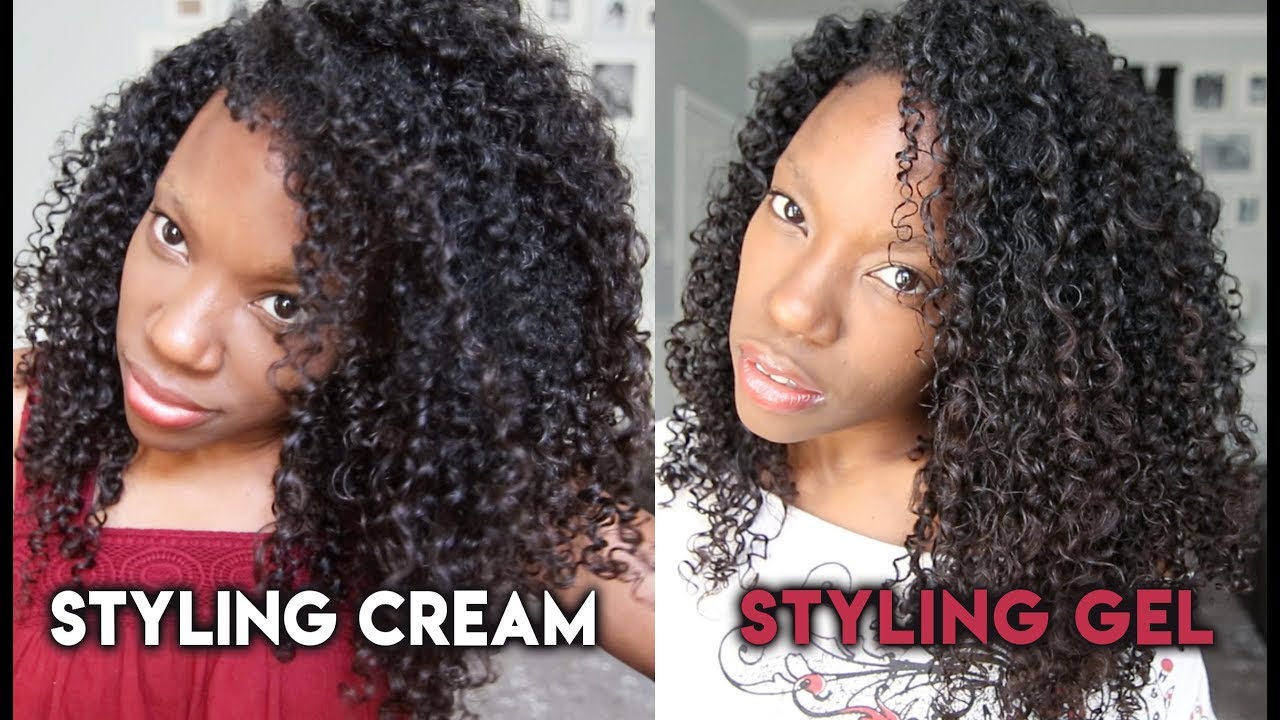
Type 3 to 4 hair requires gentler handling. Always dampen first never detangle dry. Use fingers or a wide-tooth comb. Apply pre-shampoo conditioner to soften gel before washing. Follow with deep conditioning to restore moisture lost during cleansing.
Dealing with Stubborn Buildup
Why Gel May Feel Persistent
Some users report lingering sensations even after washing. Hair gel cannot penetrate living skin. What feels like embedded gel is usually incomplete removal, buildup in follicular openings, or dryness and irritation from preservatives like DMDM Hydantoin.
Deep Clean Solutions
For persistent residue, use T-Sal shampoo containing salicylic acid to exfoliate the scalp. Try scalp scrubs with gentle exfoliants. Alternate between ACV rinses and co-washing to avoid over-drying. If irritation persists, see a dermatologist.
Preventing Future Gel Accumulation
Choose the Right Gel
Select alcohol-free gels, which are less drying and easier to wash out. Water-soluble formulas rinse clean with water. Natural gels made from aloe or flaxseed are gentler options.
Apply Gel Properly
Use a dime-sized amount less is more. Apply to mid-lengths and ends, not the scalp. For curls, use the praying hands method to smooth without frizz.
Nighttime Routine
Wear a satin bonnet or scarf to reduce friction. Use a satin pillowcase to prevent drying. In the morning, refresh with water and leave-in conditioner spray instead of reapplying gel.
Step-by-Step Gel Removal Protocol

| Step | Action | Purpose |
|---|---|---|
| 1 | Pre-rinse thoroughly | Loosens gel, reduces breakage |
| 2 | Apply pre-shampoo conditioner | Softens residue, adds slip |
| 3 | Gently finger-detangle | Prevents damage during removal |
| 4 | Double-cleanse with clarifying shampoo | Ensures full residue removal |
| 5 | Deep condition | Restores moisture |
| 6 | Final detangle and trim | Keeps hair healthy and neat |
Frequently Asked Questions About Getting Hair Gel Out of Hair
Does hair gel permanently stick to hair?
No, hair gel does not permanently bond to hair. It forms a polymer film that sits on the surface. With proper cleansing techniques, you can remove all residue. Persistent feelings of stickiness usually indicate incomplete removal or scalp irritation rather than embedded product.
Can I use dish soap to remove stubborn hair gel?
Yes, dish soap like Dawn works effectively due to strong degreasing surfactants. Use only a quarter-sized amount, then rinse completely. Always follow with conditioner to restore moisture. Do not use dish soap daily, as it strips natural oils and causes long-term dryness.
How often should I wash hair to remove gel buildup?
For daily gel users, washing every 2 to 3 days works well. Curly or textured hair types should limit shampoo to 1 to 2 times per week, using co-washing on off days. Weekly clarifying shampoo prevents long-term buildup regardless of hair type.
Why does hair gel still feel sticky after washing?
This usually means incomplete removal. The double-cleansing method ensures thorough removal. Alternatively, residue may be buildup in scalp pores rather than on hair. Try a scalp scrub or clarifying shampoo with salicylic acid to address this.
Is baking soda safe for removing hair gel?
Baking soda works as a mild abrasive to lift gel and oil. Mix 1 tablespoon with 1 cup water and use once every 1 to 2 weeks maximum. Overuse raises the hair cuticle, causing frizz and dryness. Avoid on color-treated or fragile hair.
Can hair gel cause scalp problems?
Yes, incomplete removal can clog follicles, causing irritation, itching, or dandruff-like flaking. Some gels contain preservatives like DMDM Hydantoin that may cause contact dermatitis in sensitive individuals. If you experience persistent redness or itching, consult a dermatologist.
Key Takeaways for Removing Hair Gel Effectively
Removing hair gel requires understanding what you’re fighting against. Gel’s polymer-based film resists water and light rinsing, but surfactants in shampoo break it down effectively. For light buildup, use damp combing or paper towel absorption. For heavy residue, double-cleanse with clarifying shampoo. Alternative methods like ACV rinses and baking soda work for those avoiding traditional shampoos, though each has usage limits. Curly and textured hair needs gentler handling with damp detangling and deep conditioning afterward. Prevent buildup by choosing alcohol-free gels, applying sparingly, and maintaining a proper nighttime routine. No single method works for everyone, so combine techniques based on your hair type and gel formulation. Persistent sensations after thorough cleansing usually stem from scalp irritation or incomplete removal, not embedded product. With the right approach, you can enjoy styled, healthy hair without residue.