
You’ve just stepped out of the shower, towel wrapped around your head, wondering why your blowouts never look like the sleek, shiny styles you see in salons. The secret is not magic, it is technique. Knowing how to dry hair with a blow dryer the right way can transform frizzy, flat strands into voluminous, smooth, and polished hair every single time.
Most people make the same mistakes: using the wrong heat setting, skipping heat protectant, brushing too aggressively, or drying in the wrong direction. But with the right tools, products, and method, you can achieve professional-quality results at home. Whether you are aiming for bouncy volume, pin-straight sleekness, or defined bangs, this guide breaks down everything from pre-drying prep to final finishing touches so you can master the art of blow drying.
Prep Hair Before Blow Drying
Proper preparation sets the foundation for salon-quality results. Skip these steps and even the best technique will fall flat.
Towel Dry to the Right Moisture Level
Never blow dry soaking wet hair. Wet strands are fragile, and prolonged heat exposure causes frizz, breakage, and cuticle damage. Use a microfiber towel or soft cotton T-shirt to gently squeeze or blot your hair. These materials absorb water efficiently without roughing up the cuticle.
Avoid rubbing with a regular towel because it creates friction leading to tangles and raised cuticles. Instead, scrunch or press gently. Aim to get your hair 50 to 80 percent dry before turning on the dryer. Fine or medium hair should be closer to 60 to 70 percent dry while thick or coarse textures can start at 50 percent. This balance cuts drying time and protects your hair.
Apply Heat Protectant Before Heat
Once towel-dried, apply a heat protectant. This step is non-negotiable. Think of it as SPF for your strands. It shields against thermal damage, prevents moisture loss, and reduces frizz. Choose a lightweight spray or serum and distribute evenly from mid-lengths to ends where heat exposure is highest.
For fine hair, use a spray formula to avoid weighing it down. Curly or coarse types benefit from creams like ghd straight and tame cream which also smooths and controls frizz. If you have damaged or bleached hair, layer in a bond-building treatment like EPE Bonding Repair or AA Botanical Repair Cream. These strengthen weak spots and lock in hydration.
Detangle Before Drying
Before heat touches your hair, remove knots with a wide-tooth comb or gentle wet brush. Start from the ends and work upward slowly to prevent snapping. For curly or tangled hair, detangling in the shower with conditioner is ideal.
Using the wrong tool like a fine-tooth comb or stiff brush can cause breakage especially when hair is wet. Keep strokes smooth and patient. Once detangled, part your hair into manageable sections using alligator clips. This ensures even drying and prevents re-wetting of already-dry areas.
Choose the Right Blow Dryer and Brush
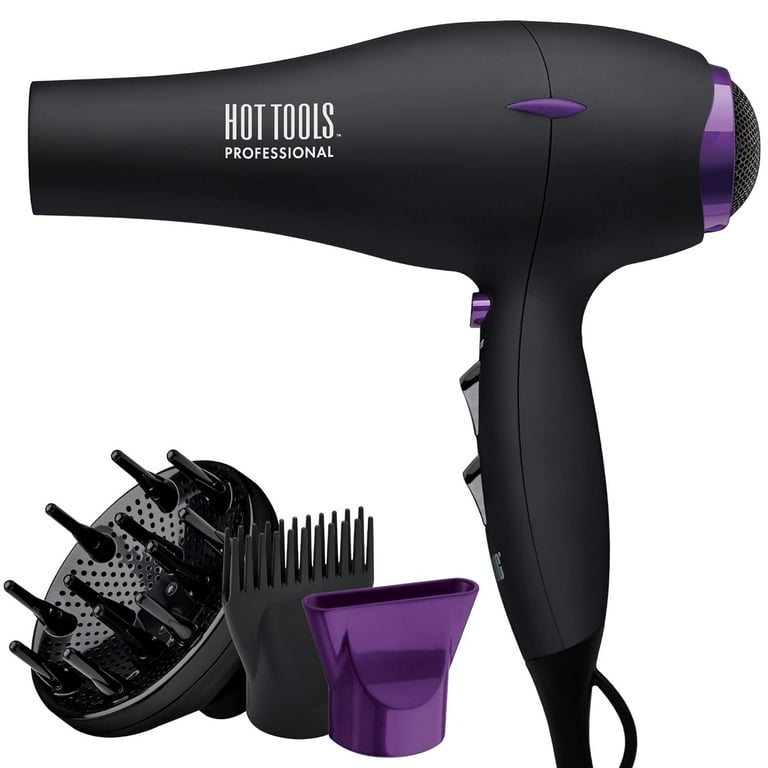
Your tools determine your results. The right dryer cuts drying time, reduces frizz, and protects your hair.
Match Dryer Features to Your Hair Type
Not all blow dryers are created equal. Look for these key technologies:
- Ionic technology releases negative ions that break water into smaller droplets, drying hair faster and reducing static.
- Ceramic heaters heat evenly, preventing hot spots ideal for fine or sensitive hair.
- Tourmaline combines ionic and infrared benefits for shine and speed.
- Infrared heats from the inside out, preserving internal moisture, great for dry or color-treated hair.
- Titanium heats quickly and maintains high heat, best for thick, coarse, or resistant hair.
Wattage matters too. 1800W plus dryers offer powerful airflow for thick or long hair while 1200 to 1600W models suit fine or short styles. Lightweight designs reduce arm fatigue important for at-home use. Top picks include the Dyson Supersonic for precision and speed, Parlux for durability and high airflow, or a reliable 14 dollar Conair for basic needs though it may take 30 to 40 minutes.
Pick the Perfect Brush for Your Goal
Your brush shapes the final look. Match it to your desired style:
- Round brush with boar bristle is best for volume and smoothness. Use a 1.5 to 2 inch size for straight styles, 1 to 1.25 inch for curls or lift at the roots.
- Metal round brush conducts heat for a stronger set, ideal for curls or bend at the ends.
- Ceramic or tourmaline-infused brushes distribute heat evenly, reduce frizz, and protect hair.
- Denman D4 nine-row brush is perfect for curly, frizzy, or fine hair. It detangles and smooths without pulling.
- Paddle brush is great for long, straight hair, covering large sections quickly.
For short hair or bangs, skip hot air brushes. They often have barrels too large for precision. Stick with a small round brush and concentrator nozzle instead.
Use Attachments for Control
The right nozzle makes a difference. Use a concentrator nozzle to focus airflow for smoothing, straightening, or styling bangs. Keep it 3 to 6 inches from hair to avoid overheating. A diffuser disperses airflow to enhance curl definition and reduce frizz, useful for wavy or curly hair but less relevant for straight styles.
Always use the cool-shot button. This blasts cold air to set the style, seal the cuticle, and boost shine. Use it at the end of each section.
Dry Roots First for Maximum Volume
Drying roots first prevents re-wetting from damp lengths and sets volume early. This simple shift transforms flat results into bouncy, full styles.
Flip Upside Down for Root Lift
For maximum lift, dry the roots first, especially when hair is flipped upside down. This prevents damp lengths from re-wetting the crown and sets volume early. Use high heat and high speed to blast moisture from the roots quickly.
Hold the dryer at the scalp directing airflow down the hair shaft, not upward. Pull sections taut with a brush or fingers to stretch the roots. Focus on the crown and sides, areas where flatness shows most.
Section Strategically for Even Results
Clip hair into two or four sections, top and bottom divided at the ears. Work on one small section at a time, no wider than your brush. This ensures full tension and even heat exposure.
Begin with the bottom layer then move to the top. For volume, start with bangs and crown. You will have more energy and precision early in the process.
Avoid Over-Drying Delicate Ends
Once roots are dry, shift to mid-lengths and ends. These areas are more porous and prone to damage. Use lower heat and medium speed. Let airflow glide from root to tip to seal the cuticle.
Do not hold the dryer in one spot. Keep it moving. Over-drying causes brittleness and split ends. If your ends are dry while roots remain damp, you are not sectioning properly or not drying roots first.
Achieve Sleek, Straight Hair with Tension
Tension is the secret to straight, polished hair. Without it, you will get volume where you want smoothness.
Use a Vented Round Brush
For straight styles, grab a ceramic vented radial brush, size 3. It allows airflow to pass through, speeding up drying while smoothing. Take a small section, place the brush under the hair near the root, and slightly twist your wrist away from your face to create tension.
Tension is key. Pull the hair taut as you dry. This aligns the cuticle, prevents kinks, and delivers a polished finish.
Direct Airflow Root to Tip
Hold the dryer 3 inches above the brush aiming airflow down the shaft. Slowly pull the brush from roots to ends following with the dryer. Never point the nozzle upward. This lifts the cuticle and causes frizz.
At the ends, roll the brush away from your body and continue drying from above. This creates a clean, tucked-under finish.
Cool Each Section Before Releasing
Once the section is dry, leave it on the brush and blast with the cool-shot button for 5 to 10 seconds. This sets the shape, enhances shine, and makes the style last longer. Repeat for each section.
For bangs, place the brush on top of the fringe, roll away from your face, and blow dry from below, 3 inches away. Use cool air to set.
Add Volume at the Roots and Crown

Volume transforms flat hair into bouncy, full styles. These techniques maximize lift without heavy products.
Apply Volume Products First
Boost lift by applying a small amount of mousse directly to the roots. Focus on each side and the crown. Layer with a volumizing spray for extra oomph, ideal for fine or flat hair.
These products create lightweight support helping hair resist gravity and hold shape.
Over-Direct Sections for Lift
When drying, over-direct front sections forward. This angles the roots upward for more volume. Dry one side forward, the other backward, then flip your head upside down and repeat.
Use high heat at the roots but keep the dryer moving. Let ends air-dry or dry gently. Over-drying weakens them.
Set Volume with Cool Air and Clips
After drying, clip small sections at the roots and cool with the cool-shot button. This locks in lift. For lasting hold, try pin-curl clips at the crown while cooling.
Once fully dry, brush through gently, starting at the ends then working upward. This prevents snarls and separates strands without flattening volume.
Customize Technique for Your Hair Type
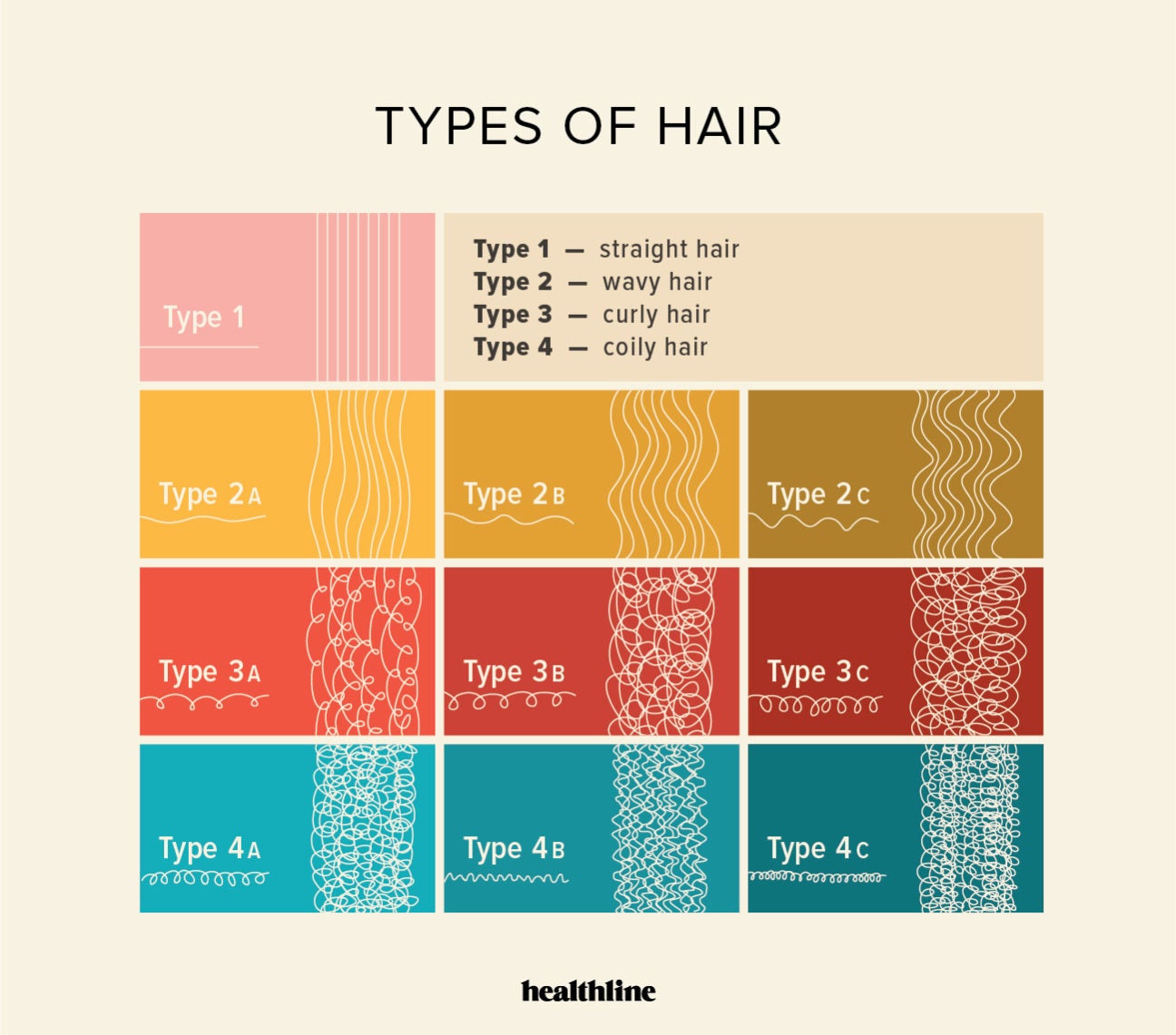
Every hair type needs a different approach. Adjust your method for the best results.
Fine or Thin Hair
Fine hair tangles easily and gets weighed down. Use lightweight sprays, not heavy creams. Dry with medium to high heat initially then low heat during styling.
Focus on root drying for volume. Avoid brushing too much. Once dry, a light run-through is enough.
Thick or Dense Hair
Thick hair needs high-wattage dryers 1800W plus with ionic or infrared tech. Section into narrow parts, wider than your brush, and dry bottom to top.
Use high speed and heat at the roots. A Parlux or Dyson cuts drying time significantly. Pre-dry to 80 to 90 percent to save time.
Curly or Frizzy Hair
Curly hair is fragile when wet. Use a Denman brush or wide-tooth comb, never brush dry curls. Apply ghd straight and tame cream before drying.
Dry with medium heat, high tension, and downward airflow. Avoid touching curls once dry. This disrupts the pattern.
Damaged or Bleached Hair
Dry mid-lengths and roots first. Keep direct heat off the ends. Apply extra conditioner or oil to tips before drying.
Use low heat and infrared dryers to preserve moisture. Limit blow drying frequency. Air dry when possible.
Short Hair
Skip hot air brushes. They are often too bulky. Use a small round brush or flat paddle brush with a concentrator nozzle.
For a fluffy pixie, dry in different directions for texture. For a textured bob, twist small sections with fingers while drying.
Avoid Common Blow Drying Mistakes
These errors ruin even the best technique. Stop making them today.
Never Blow Against the Grain
Directing airflow upward or against the hair’s natural direction lifts the cuticle, causing frizz and tangles. Always point the dryer down the shaft from root to tip.
Always Use the Cool Shot
Failing to cool each section means your style will not hold. Use the cool-shot button at the end of every pass. This seals the cuticle and locks in smoothness.
Use the Right Section Size
Wide sections prevent proper tension and even drying. Match section size to your brush width, usually 1 to 2 inches.
Do Not Rush the Process
Blow drying is not about speed. It is about control. Slow, deliberate passes with tension yield better results than fast, haphazard drying.
Frequently Asked Questions About Blow Drying Hair
How long does it take to blow dry hair properly?
A full blowout takes 30 to 40 minutes for most people. With practice and the right tools like a high-wattage dryer, you can cut this time significantly. Professional stylists achieve results faster because they use proper technique and quality equipment.
Should I use high or low heat for fine hair?
Fine hair needs medium to high heat during initial drying but lower heat during styling passes. High heat with constant movement prevents damage while still removing moisture efficiently. Always use a heat protectant to add a safety barrier.
Why does my hair frizz after blow drying?
Frizz happens when you direct airflow upward against the cuticle or skip heat protectant. Always dry from root to tip following the hair direction. Use a cool-shot button at the end of each section to seal the cuticle and lock in smoothness.
Can I blow dry curly hair straight?
Yes, you can blow dry curly hair straight but it requires specific technique. Use a Denman brush or wide-tooth comb while hair is damp. Apply a smoothing cream like ghd straight and tame. Dry with medium heat, high tension, and downward airflow.
How often should I blow dry my hair?
Limit blow drying to 2 to 3 times per week maximum. Frequent heat exposure dries out hair even with protectant. Air dry when possible and use heat-free styling methods on rest days to maintain hair health.
What is the best way to dry hair for volume?
Flip your head upside down and dry the roots first with high heat. Apply mousse to roots before drying. Over-direct front sections forward and use the cool-shot button to lock in lift. Clip roots while cooling for extra height.
Key Takeaways for Perfect Blow Drying Results
Mastering how to dry hair with a blow dryer comes down to three things: direction, tension, and temperature. Dry roots first using high heat, move to mid-lengths and ends with lower heat, and always finish with cool air to set the style.
Invest in quality tools that match your hair type. A good ionic dryer, the right brush, and heat protectant transform results. Section properly, maintain tension, and never skip the cool-shot button.
With practice, you will cut drying time, reduce damage, and achieve shiny, frizz-free hair that lasts 3 to 4 days. Whether you want volume, sleekness, or polish, this routine works for all hair types and turns your bathroom into a personal salon.