You’ve started applying hair oil daily. You massage it in, leave it overnight, wash it out carefully, yet after a week, you’re still waiting for that “aha” moment. When does hair oil actually start working?
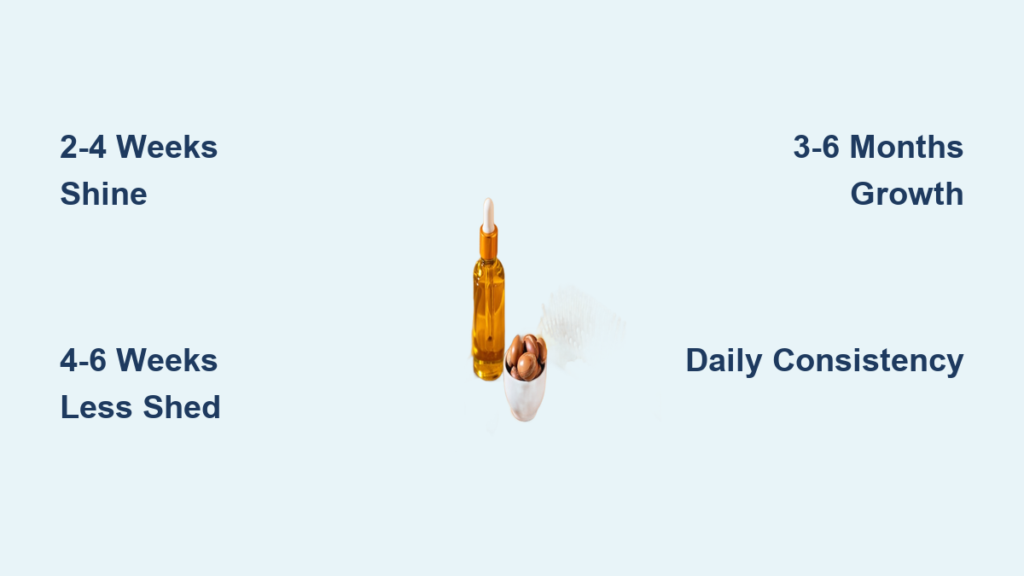
The truth is, hair oil doesn’t deliver overnight miracles. While some changes, like shinier, softer strands, can appear in as little as 2 to 4 weeks, real visible improvements in hair growth, thickness, and reduced shedding typically take 3 to 6 months of consistent use. This isn’t a quick fix. It is a long-term investment in scalp and hair health.
Initial Results: What to Expect in the First Month
You do not have to wait months to see any benefit. With the right oil and routine, early improvements begin within the first month.
Reduced Scalp Dryness and Flaking
If your scalp is itchy, flaky, or tight, many oils, especially tea tree, amla, and argan oil, start calming irritation within 1 to 2 weeks. Their anti-inflammatory and antimicrobial properties help rebalance the scalp microbiome, reducing dandruff and discomfort.
Look for less itching, fewer white flakes, and a more comfortable scalp after washing.
Enhanced Shine and Softness
Oils like argan, camellia, and Brazil nut oil act as powerful emollients, coating the hair shaft to reflect light and smooth the cuticle. You will notice your hair feels silkier and looks shinier, even after just 2 to 3 uses.
Pro tip: Apply a few drops to damp hair ends daily for instant polish.
Less Breakage During Styling
By sealing in moisture, oils prevent dry, brittle hair from snapping. Castor and coconut oil are especially effective at reducing mechanical damage from brushing or heat styling.
You will know it is working when detangling becomes easier and you see fewer broken strands in your brush.
Visible Changes: 4 to 8 Weeks of Consistent Use

By the second month, the deeper benefits of hair oil begin to surface, especially if you are applying it correctly and regularly.
Noticeable Drop in Hair Shedding
One of the earliest signs your oil is working is seeing fewer hairs in your drain, on your pillow, or in your brush. This typically appears around weeks 4 to 6, especially with oils like rosemary, peppermint, and fenugreek, which support follicle health.
Do not panic if you shed a little more in the first week. This can be a purge phase as weak hairs are pushed out.
Stronger, More Elastic Hair
Hair that resists snapping when wet or stretched is a sign of improved integrity. Peppermint and rosemary oils, known for boosting blood flow to follicles, help strengthen roots from within.
Test it: Gently pull a wet strand. If it stretches slightly before breaking instead of snapping, your hair is getting stronger.
Baby Hairs Along the Hairline
Fine, soft baby hairs appearing along your temples, hairline, or part are a strong indicator that dormant follicles are being reactivated, especially with rosemary or castor oil blends.
These tiny hairs may be barely visible at first, but they are a promising sign of regrowth.
Significant Growth: 3 to 6 Months of Daily Use
This is where the real transformation happens. Three months is the minimum for most clinical studies to measure meaningful hair growth because that is how long it takes for new strands to emerge and become visible.
Rosemary Oil Matches Minoxidil in 6 Months
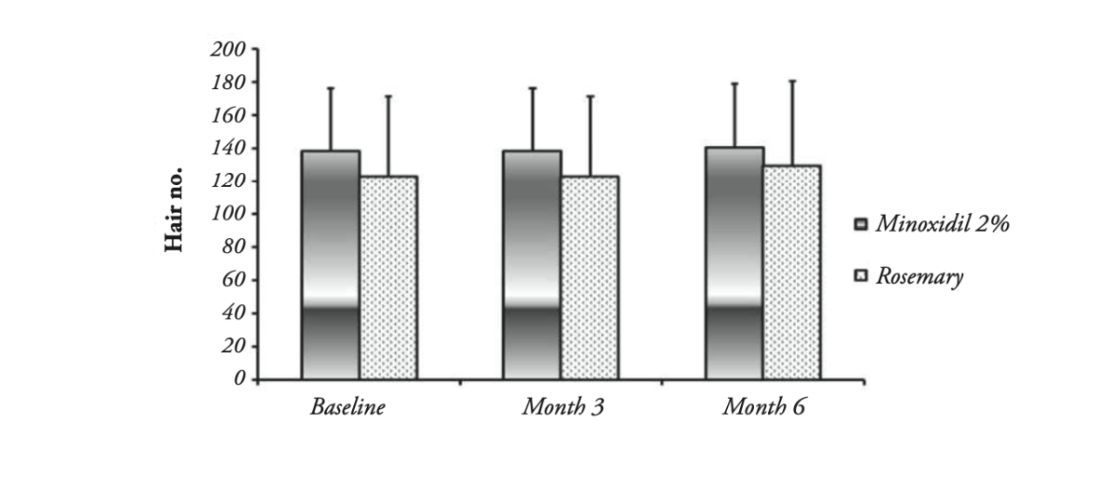
A landmark 2015 clinical study found that rosemary oil, applied twice daily, produced results equal to or better than 2% minoxidil after 6 months, with less scalp itching.
Results include increased hair count, thickness, and density, especially in people with androgenetic alopecia.
Peppermint Oil Shows Growth in 4 Weeks
While human data is limited, a mouse study showed peppermint oil outperformed minoxidil and control groups in hair growth within 4 weeks. Human users report similar speed, especially when combined with scalp massage.
It works by increasing blood flow and follicle depth.
Pumpkin Seed and Saw Palmetto Require 6 Plus Months
For DHT-blocking oils like pumpkin seed and saw palmetto, patience is key. One study found pumpkin seed oil increased hair count by 40% after 24 weeks of daily use.
These oils work best when used consistently. Think of them like supplements, not spot treatments.
How Hair Oils Actually Work
Understanding the mechanisms behind hair oil helps explain why results take time and how to maximize them.
Oils Seal Moisture, Not Add It
A common myth is that oils moisturize hair. The truth is that oils are sealants, not moisturizers. They lock in water after you have hydrated your hair.
Best practice: Apply oil to damp hair after washing to trap in moisture and prevent dryness.
Scalp Massage Boosts Circulation
The act of massaging oil into your scalp does as much or more than the oil itself. It increases blood flow, delivering oxygen and nutrients to follicles, like watering plant roots.
Do it right: Use fingertips, not nails, in small circles for 3 to 5 minutes daily.
DHT Blockers Target Genetic Hair Loss
For those with thinning due to androgenetic alopecia, oils that inhibit 5-alpha reductase, the enzyme that creates DHT, can slow or reverse shedding.
Top DHT blockers include rosemary, pumpkin seed, saw palmetto, and ketoconazole in shampoo form.
Anti-Inflammatory Oils Calm the Scalp
Chronic inflammation can suffocate follicles. Oils like tea tree, amla, and rosemary reduce redness, scaling, and microbial overgrowth, creating a healthier environment for growth.
Use these for dandruff, psoriasis, or itchy, irritated scalp.
Best Oils and Their Realistic Timelines

Not all oils work the same or at the same speed. Here is what to expect from the most effective ones.
Rosemary Oil
Rosemary oil takes 3 to 6 months for full results. It stimulates circulation, blocks DHT, and has anti-inflammatory properties. The evidence shows it matches minoxidil in a 6-month study. First signs include less shedding by week 6 and baby hairs by week 8 to 10.
Peppermint Oil
Peppermint oil shows noticeable results in 4 weeks. It has a vasodilatory effect that increases blood flow. The evidence comes from an animal study showing rapid growth. It is best for fast-acting stimulation when combined with a carrier oil.
Castor Oil
Castor oil takes 6 to 8 weeks for thicker hair. Its ricinoleic acid improves circulation and reduces inflammation. The caveat is its thick texture, so it is best diluted with lighter oils. User reports show fuller edges and part lines by week 8.
Argan Oil
Argan oil shows shine in 2 weeks and strength in 6 weeks. It is high in vitamin E and fatty acids. It is best for preventing breakage and adding luster. Use it daily on ends or as a leave-in treatment.
Amla Oil
Amla oil improves scalp health in 2 to 4 weeks. It is rich in vitamin C, antioxidants, and antimicrobials. It may also slow graying. It is ideal for dry, flaky scalp and dull hair.
Why Some People See No Results
If you have been using oil for months with no change, it is not necessarily the product. It could be how or why you are using it.
Inconsistent Application
Using oil once a week will not cut it. Daily use is required for sustained nutrient delivery and follicle stimulation.
Fix: Apply at the same time every day, like brushing your teeth.
Too Much Oil, Poor Absorption
Overloading the scalp causes buildup, clogs follicles, and prevents absorption. Greasy residue does not mean it is working.
Fix: Start with 3 to 5 drops for short hair and 5 to 10 for long hair. Massage in fully.
Ignoring Underlying Health Issues
If your hair loss stems from iron deficiency, thyroid imbalance, or PCOS, oils alone will not fix it.
Red flags include sudden, patchy, or clump shedding. See a doctor.
Low-Quality or Fake Oils
Many store-bought hair growth oils are filled with synthetic fragrances, mineral oil, or diluted extracts with little active ingredient.
Fix: Choose products with short, clean ingredient lists and verified essential oils.
How to Apply Hair Oil for Maximum Effect
Getting the application right is just as important as the oil itself.
Step-by-Step Routine
First, prep your scalp by slightly dampening it for better penetration. Second, dispense 3 to 10 drops of oil depending on hair length. Third, massage using fingertips in circular motions for 3 to 5 minutes. Fourth, cover ends to prevent split ends by applying a drop to tips. Fifth, decide whether to leave it in or rinse as a pre-shampoo treatment.
Frequency by Hair Type
Fine or oily hair benefits from 1 to 2 times per week. Thick, dry, or damaged hair needs every other day. Thinning or balding areas require daily targeted application.
Pro tip: Warm oil slightly, not hot, for deeper penetration. Never microwave.
When to Expect What: A Week-by-Week Guide
During week 1 to 2, expect softer hair, less frizz, and improved shine. During week 2 to 4, expect less shedding and reduced scalp irritation. During week 4 to 6, expect stronger hair, less breakage, and early baby hairs. During week 6 to 8, expect thicker-feeling hair and visible baby hairs. During week 9 to 12, expect noticeable new growth and improved density. During month 4 to 6, expect measurable length, fuller appearance, and reduced thinning.
Track progress by taking monthly photos under the same lighting.
Combine Oils with Internal Health for Best Results
Topical oils work best when supported by internal health.
Key Nutrients for Hair Growth
Iron deficiency is a top cause of hair loss. Biotin and B-vitamins support cell turnover. Omega-3s reduce inflammation and boost shine. Zinc and vitamin D are critical for follicle cycling.
Pair oil with a balanced diet, hydration, sleep, and stress management.
FDA-Approved Options for Faster Results
For those with genetic hair loss, combining oils with minoxidil or ketoconazole shampoo can accelerate outcomes. Minoxidil, known as Rogaine, shows visible regrowth by 12 to 16 weeks. Ketoconazole, known as Nizoral, reduces DHT and clears dandruff in 2 to 4 weeks.
Synergy tip: Use rosemary oil plus minoxidil for enhanced effects.
When to See a Doctor
If you have used oil consistently for 4 to 6 months with no improvement, it is time to consult a professional.
See a dermatologist or trichologist if you lose hair in patches, notice sudden excessive shedding, have scalp redness, pain, or scaling, or suspect hormonal or nutritional issues.
Rule out thyroid disorders, PCOS, alopecia areata, and medication side effects.
Key Takeaways for Getting Results from Hair Oil
Hair oil works, but only if you give it time and use it right.
The first signs appear in 2 to 4 weeks with shinier, softer hair and less dryness. Early progress shows in 4 to 8 weeks with less shedding, baby hairs, and stronger strands. Real results appear in 3 to 6 months with visible growth, thickness, and density.
The best oils are rosemary, peppermint, castor, argan, and amla. The critical factor is daily consistency, not frequency.
Remember that no oil can grow 2 inches in 2 weeks. Average growth is 0.5 to 1.7 cm per month. Oils help you reach your maximum genetic potential, not exceed it.
Stick with it. Take photos. Watch for baby hairs. And trust the process. With patience and proper care, your hair will respond.
Frequently Asked Questions About Hair Oil Timelines
How long does it take for hair oil to show results on dry hair?
For dry hair, you should see improvements in texture and shine within 2 to 4 weeks. The oil seals moisture into the hair shaft, reducing brittleness and making strands feel softer. Consistent daily application to damp hair delivers the best results.
Can hair oil help hair grow faster?
Hair oil cannot make hair grow faster than its natural biological rate of 0.5 to 1.7 cm per month. However, it can optimize scalp health and follicle function, helping you reach your maximum genetic growth potential. Oils like rosemary and peppermint support the growth environment but do not override the hair growth cycle.
Why am I still shedding hair after using oil for a month?
Shedding during the first 4 to 6 weeks can be normal. This may be a purge phase where weak hairs are pushed out to make room for new growth. If shedding continues heavily beyond 8 weeks or comes in clumps, consult a doctor to rule out underlying conditions like thyroid issues or nutritional deficiencies.
Do I need to use hair oil every day for it to work?
Yes, daily application is recommended for best results. Sporadic use once or twice a week does not provide sustained nutrient delivery to follicles. Think of it like a skincare routine. Consistency matters more than the amount used.
Which hair oil works the fastest?
Peppermint oil shows the fastest visible effects, with users reporting changes in as little as 4 weeks. This is due to its vasodilatory properties that increase blood flow to follicles quickly. However, for lasting, significant growth, rosemary oil backed by clinical studies shows the most reliable results over 3 to 6 months.
Can I combine different hair oils together?
Yes, combining oils can enhance results through complementary mechanisms. A popular blend includes rosemary for growth stimulation, castor for thickness, and argan for shine and moisture retention. Start with a few drops of each and adjust based on your hair type and response.