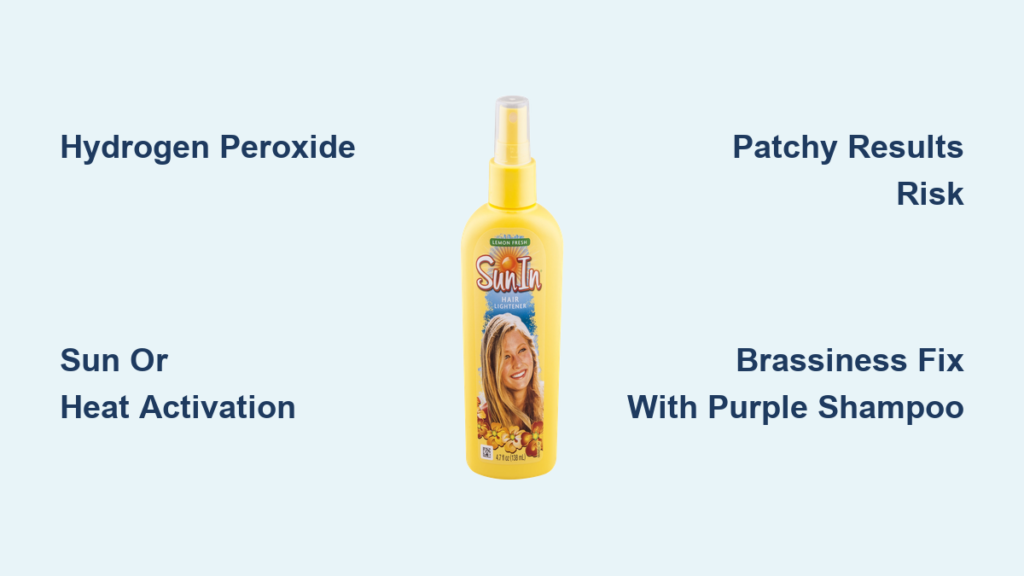
You have seen the advertisements. A quick spritz, a few minutes in the sun, and suddenly your hair looks like it has been kissed by summer. Hair lightening spray promises an easy, at-home way to brighten your strands without bleach or salon visits. But how does hair lightening spray work, really? The answer lies in chemistry, not magic.
Hair lightening spray uses low-concentration hydrogen peroxide to gradually break down natural hair pigment, activated by UV light or heat to speed up the process. Unlike salon bleach, it delivers subtle results over time, making it ideal for soft highlights or a sun-bleached effect. But while it is marketed as gentle and natural, the reality involves trade-offs: potential dryness, brassy tones, and uneven results, especially on darker hair.
In this guide, you will learn exactly how these sprays lighten your hair, what ingredients actually matter, who should and should not use them, and how to get the best results without damaging your strands.
Core Lightening Mechanism Explained

Hair lightening spray works by oxidizing melanin, the pigment that gives hair its color. Without altering this core process, no product can truly lighten hair, and hydrogen peroxide is the only ingredient in these sprays that does it effectively.
Oxidation Breaks Down Hair Pigment
Hydrogen peroxide, typically at three percent concentration, penetrates the hair cuticle and reacts with two types of melanin. Eumelanin creates brown and black pigment, while pheomelanin creates red and yellow pigment. As peroxide oxidizes these pigments, they break into smaller, colorless molecules. This reduces the hair is ability to absorb light, making it appear lighter. Because eumelanin fades faster than pheomelanin, hair often turns brassy or orange, especially in darker shades.
Heat and Sunlight Speed Up Results
Most sprays are labeled sun-activated or heat-activated because UV rays and thermal energy boost peroxide is reactivity. You do not need direct sunlight. A blow dryer or flat iron can activate the formula indoors. This makes the lightening process faster and more consistent, even on cloudy days.
Pro Tip: After spraying, use a blow dryer on high heat for ten to fifteen minutes to maximize oxidation. This mimics sun exposure and delivers visible results in less time.
Why Natural Extracts Do Not Lighten Hair
Many brands advertise ingredients like pineapple extract or lemon juice as natural lighteners. While these are mildly acidic and may slightly lift the cuticle, they do not remove pigment. Their role is mostly sensory, adding scent or shine, not functional. The real work is done entirely by hydrogen peroxide.
Key Ingredients and Their Roles

Not all ingredients in hair lightening spray contribute to color change. Here is what actually matters.
| Ingredient | Function | Impact Level |
|---|---|---|
| Hydrogen Peroxide (around three percent) | Oxidizes melanin to lighten hair | Essential |
| Water | Dilutes peroxide for safer delivery | Base carrier |
| UV or Heat Activators | Enhance peroxide reactivity | Performance booster |
| Natural Extracts (like pineapple) | Mild cuticle lifters, fragrance | Minimal effect |
| Conditioning Oils | Reduce dryness during use | Protective benefit |
| pH Adjusters | Slightly open cuticle for penetration | Risk of over-porosity |
Bottom Line: If a spray does not contain hydrogen peroxide, it will not lighten your hair, no matter how many sun-kissed claims it makes.
How to Apply for Best Results
Using hair lightening spray correctly is just as important as the product itself. Poor application leads to streaks, damage, and disappointment.
Prep Hair Properly
Start with clean, damp hair. Wash and condition first, then towel-dry until slightly moist. Damp hair absorbs the spray more evenly than dry hair, reducing patchiness and minimizing breakage risk.
Never apply to dry or dirty hair. This increases uneven absorption and scalp irritation.
Choose Your Target: All-Over or Highlights
Decide whether you want overall brightness or natural-looking highlights. For face-framing highlights, spray only on sections around your face and comb through. For gradual all-over lightening, section hair and apply evenly from roots to ends. Use a wide-tooth comb to distribute the product and prevent pooling.
Activate With Heat or Sun
After spraying, expose hair to one of these options. Sunlight for fifteen to sixty minutes depending on intensity. Blow dryer for ten to fifteen minutes on high heat. Flat iron at low heat for optional extra activation.
Heat accelerates the chemical reaction, so you will see results faster. Avoid leaving hair in direct sun for hours. This can over-process strands and cause brittleness.
Limit Use and Monitor Changes
Follow these frequency guidelines. Maximum use is one to two times per week. Never reapply between washes. Wait twenty-four hours to assess full results before next use.
Lightening is cumulative. Wait at least a week to evaluate progress and adjust your routine.
Always Do a Strand Test First
Before full application, test on a small section behind the ear. Spray and activate with heat. Wait twenty-four hours. Check for lift, tone, and texture.
This helps avoid unwanted orange tones or excessive dryness.
Results by Hair Color: What to Expect

Your starting shade determines how well hair lightening spray works and what kind of results you will get.
Light to Medium Brown Hair (Levels 6-8)
These are the best candidates for lightening sprays. Golden, honey, or caramel tones develop naturally. Results build gradually with repeated use. The effect looks like authentic sun exposure.
Tip: These shades often achieve salon-like brightness without toning.
Dark Brown to Black Hair (Levels 1-5)
This hair is challenging and risky. High melanin density resists lift. The first visible change is often brassy or orange. Multiple applications are needed, which increases damage risk. Results may be patchy or splotchy.
This hair is not suitable for dramatic lightening. Professional bleach is required for true blonde.
Gray or White Hair
This hair can lighten but often turns yellow-gold. It lacks cool undertones, so warmth dominates. It may require purple shampoo to neutralize. It absorbs product unevenly due to porosity differences.
Previously Colored or Treated Hair
These sprays have limited effectiveness on dyed dark hair. They cannot reverse artificial pigment. On pre-lightened hair, they may lift further but damage already-weak strands. Overlapping causes breakage, split ends, and dryness.
Avoid using on chemically treated hair unless advised by a stylist.
Common Side Effects and Risks
Despite being sold as gentle, hair lightening sprays carry real risks, especially with frequent use.
Brassiness and Orange Tones
This is the most common issue, especially on dark hair. As eumelanin breaks down, pheomelanin remains, revealing red and orange undertones. This effect worsens with uneven application, overuse, and lack of toning.
Fix: Use purple shampoo weekly to counteract warmth.
Dryness and Hair Damage
Hydrogen peroxide strips natural oils and weakens keratin bonds. Over time, this leads to increased porosity, brittle and straw-like texture, and split ends and breakage.
Warning: Repeated use without conditioning accelerates damage.
Patchy or Streaky Results
Clear sprays are hard to see during application, leading to missed sections, over-sprayed areas, and wind-blown distribution errors.
Solution: Apply in sections and comb through immediately.
Permanent Color Change
Once hair is lightened, it does not revert. Only new growth will reflect your original color. Faded or damaged ends must be trimmed.
Aftercare: Protect and Tone Your Hair
To maintain healthy, beautiful results, follow a solid aftercare routine.
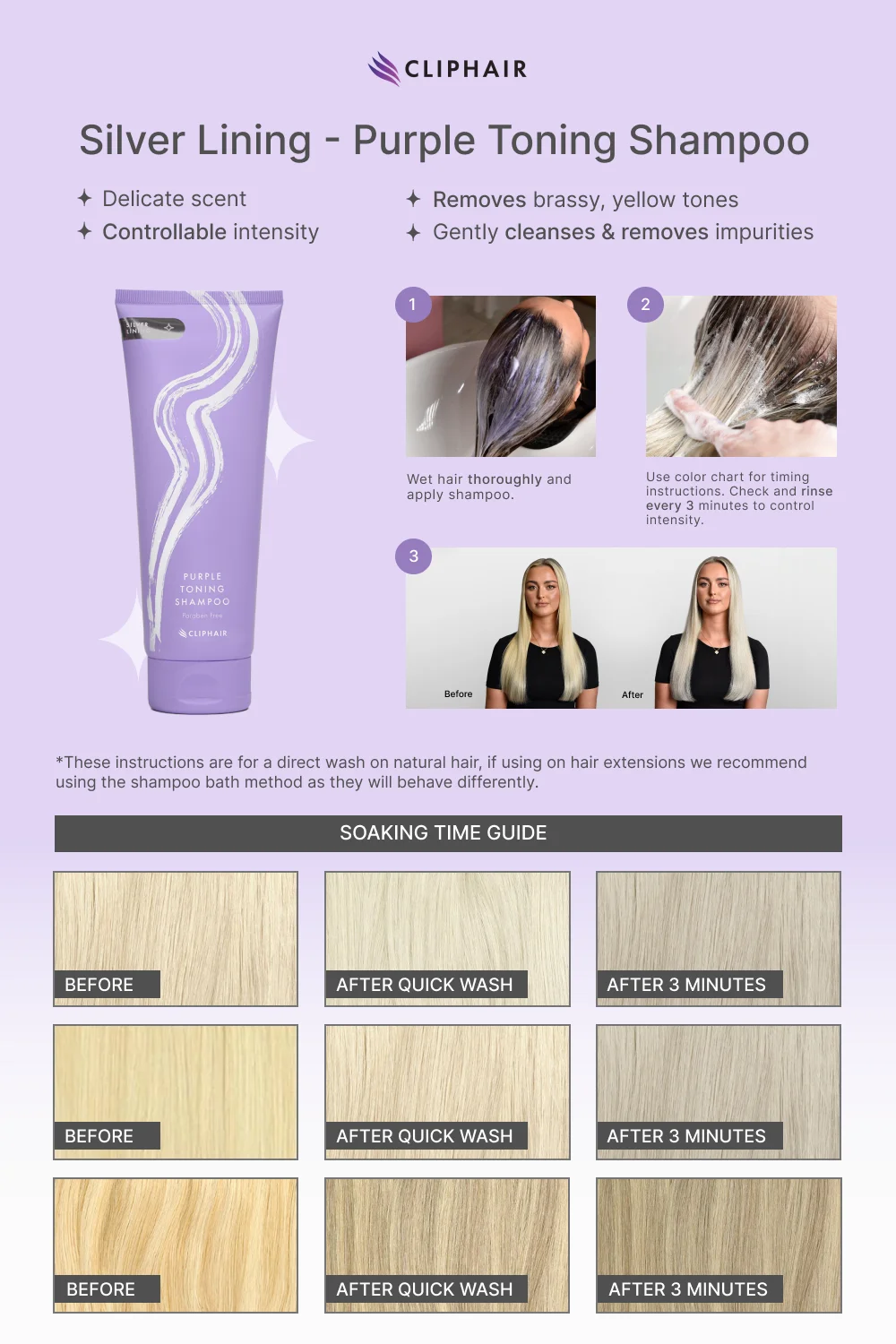
Neutralize Brassiness With Purple Shampoo
Purple shampoo deposits violet pigments that cancel out yellow and orange tones via color theory.
Recommended products include Sun Bum Blonde Purple Shampoo, Olaplex No.4P Blonde Enhancer, and Fanola No Yellow Shampoo.
For dry hair: Dilute purple shampoo with regular shampoo (one to one ratio) to reduce drying effects.
Rehydrate With Deep Conditioning
Peroxide strips moisture. Replace it with weekly deep conditioning masks like Sun Bum Deep Conditioning Mask. Use leave-in treatments with argan oil or shea butter. Use protein-rich conditioners to strengthen weakened strands.
Use after every lightening session.
Limit Frequency and Avoid Overlap
Stick to one to two uses per week maximum. Never leave the spray on overnight. Avoid applying to already-lightened sections to prevent over-processing.
Do not combine with perms, relaxers, or dyes without professional advice.
Product Comparison: Top Brands Reviewed

Not all lightening sprays perform the same. Here is how three popular options stack up.
| Feature | Sun Bum Hair Lightener | John Frieda Go Blonder | Sun-In Original |
|---|---|---|---|
| Active Ingredient | Three percent H2O2 plus pineapple extract | Three percent H2O2 | Around three percent H2O2 |
| Activation | UV or heat (blow dryer works) | UV or heat | Primarily UV |
| Best For | Medium brown to blonde | Pre-lightened or blonde hair | Light to medium tones |
| Scent | Tropical (banana, pineapple) | Clean, fresh | Mild citrus |
| Brassiness on Dark Hair | Moderate (less than others) | High | Very high |
| Damage Risk | Moderate | Moderate to high | High with frequent use |
| User Experience | Buildable, gradual lift | Takes around ten uses for visible change | Nostalgic, easy to use |
Real-World Insight: In side-by-side tests, Sun Bum provided the most even lift on dark roots with the least brassiness. However, both required toning, and neither achieved cool blonde. One tester ultimately visited a salon to correct unwanted warmth.
Who Should (and Should Not) Use It
Ideal For
These individuals benefit most from hair lightening spray. Light to medium brown hair. Subtle, gradual brightening. Enhancing natural sun exposure. Low-commitment color experimentation.
Avoid If You
These individuals should not use this product. Have very dark hair and want platinum blonde. Expect instant or dramatic results. Already have damaged, porous, or chemically treated hair. Dislike using toning products.
Bottom Line: It is a tool for enhancement, not transformation.
Frequently Asked Questions About Hair Lightening Spray
Does hair lightening spray actually work on dark hair?
Hair lightening spray can work on dark hair, but results are usually brassy or orange rather than truly blonde. Dark hair has high melanin density, so peroxide struggles to lift it effectively. Multiple applications increase damage risk, and results are often patchy. For significant lightening on dark hair, professional bleach is more effective.
How long does it take to see results?
Results appear within fifteen to sixty minutes when activated by sunlight, or ten to fifteen minutes with heat from a blow dryer. However, the full lightening effect develops gradually over twenty-four hours as oxidation continues. For noticeable change on medium hair, expect to use the product several times over a few weeks.
Can I use hair lightening spray on dyed hair?
Hair lightening spray has limited effectiveness on dyed hair. It cannot reverse artificial pigment, so it will not lighten dark dye. On previously lightened hair, it may lift further but risks severe damage. The spray works best on natural hair color, not artificial colors.
Is hair lightening spray safe for daily use?
Hair lightening spray is not safe for daily use. Most products recommend limiting use to one or two times per week. Daily application causes excessive dryness, brittleness, and permanent damage. Always wait at least a week between applications to assess results and prevent over-processing.
Why does my hair turn orange after using lightening spray?
Hair turns orange because eumelanin (dark pigment) breaks down faster than pheomelanin (red pigment). This leaves red and orange tones exposed. Dark hair is especially prone to this effect. Using purple shampoo and limiting applications helps reduce brassiness.
Do natural ingredients like pineapple or lemon really lighten hair?
Natural ingredients like pineapple extract and lemon juice do not actually lighten hair. They are included for branding, scent, and mild conditioning. Only hydrogen peroxide can oxidize and break down melanin. The natural brightening claims are mostly marketing.
Key Takeaways for Using Hair Lightening Spray
Hair lightening spray works by using low-dose hydrogen peroxide to oxidize melanin, enhanced by heat or UV light. It is effective for subtle, sun-kissed brightness, especially on lighter hair, but comes with risks like dryness, brassiness, and uneven results. Natural extracts do not lighten hair. Only peroxide does the actual work.
For best outcomes, pair with purple shampoo to neutralize unwanted warmth, deep conditioning to replace lost moisture, and conservative use (no more than twice per week). Always perform a strand test before full application, and apply to damp, clean hair only.
Remember that results are gradual and permanent on treated sections. For major color changes, nothing beats professional treatment. If you have very dark hair and want platinum blonde, save yourself the damage and frustration by visiting a salon instead.