You’ve likely seen castor oil hailed as a miracle elixir for long, thick hair. From viral TikTok routines to generations-old beauty secrets, it’s praised for everything from thinning brows to slow-growing locks. But how does castor oil promote hair growth, really?
The truth is, castor oil doesn’t directly stimulate new hair growth or wake up dormant follicles. There’s no clinical evidence showing it increases hair count, density, or speeds up the natural growth rate of about 1 cm per month. However, castor oil can create the appearance of faster growth by improving hair health, reducing breakage, and enhancing scalp condition. In this guide, you’ll learn exactly what it can and cannot do for your hair, plus how to use it safely.
Ricinoleic Acid: The Active Component Behind Castor Oil’s Effects

Castor oil’s effects stem almost entirely from ricinoleic acid, a rare monounsaturated fatty acid that makes up 85–90% of the oil. This unique compound gives castor oil its thick, viscous texture and powerful biological activity.
Deep Penetration and Moisture Lock
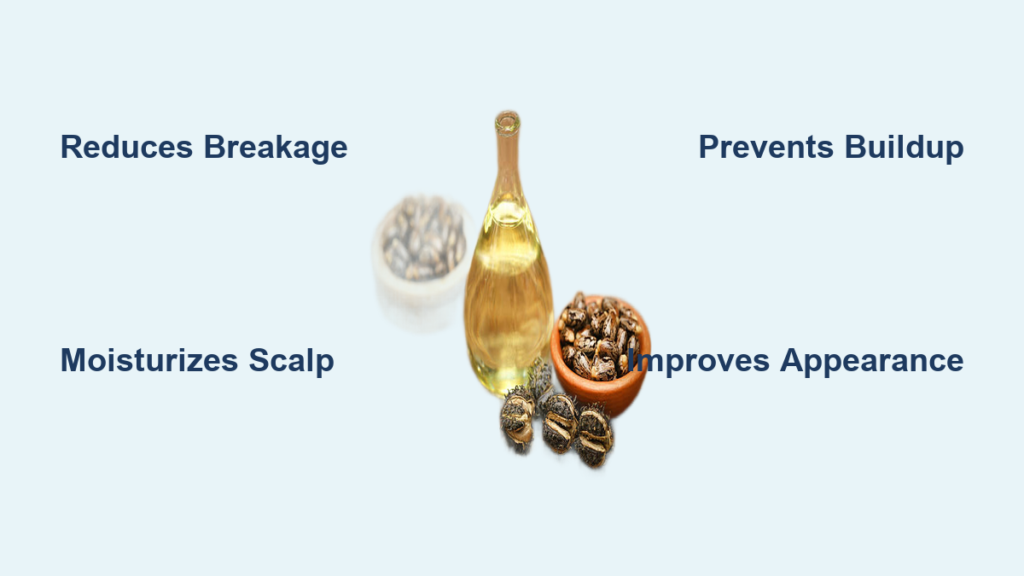
Ricinoleic acid allows castor oil to penetrate the hair shaft and scalp more effectively than many other oils. Once absorbed, it forms a water-repelling barrier that prevents transepidermal water loss, keeps hair hydrated and supple, and reduces dryness and brittleness. This deep moisturization helps prevent split ends and breakage, which are common culprits behind stunted length retention.
Anti-Inflammatory and Antimicrobial Properties
Chronic scalp inflammation can damage hair follicles and contribute to conditions like seborrheic dermatitis, dandruff, and folliculitis. Ricinoleic acid has been shown to reduce inflammatory markers, soothing irritation and creating a better environment for healthy hair. A calm, balanced scalp doesn’t guarantee faster growth, but it does reduce factors that impede growth or cause shedding.
Blood Flow Boost: What Science Actually Says
One of the most repeated claims is that castor oil increases blood circulation to the scalp, delivering more nutrients to follicles and feeding hair growth. This theory deserves closer examination.
The Vasodilation Theory
Ricinoleic acid may act as a vasodilator, meaning it could widen blood vessels. Improved circulation might enhance oxygen and nutrient delivery to hair roots during the anagen growth phase. However, no human studies have confirmed that topical castor oil actually increases scalp blood flow. While plausible in theory, this mechanism remains unverified.
Massage Provides the Real Benefit
Any circulation boost likely comes from the massage itself, not the oil. Rubbing your scalp for 5–10 minutes stimulates blood flow regardless of what’s on your fingers. So while applying castor oil feels therapeutic, the real benefit may be mechanical, not chemical.
Prostaglandin Pathways: Emerging Research

Emerging research suggests castor oil might influence hair follicle cycling through prostaglandin modulation, a more promising but still unproven angle.
Inhibiting Hair Loss Compounds
High levels of prostaglandin D2 are linked to androgenetic alopecia, causing follicle miniaturization. Some lab studies show ricinoleic acid can inhibit PGD2 receptors, potentially slowing hair loss. At the same time, castor oil may increase prostaglandin E2, which is associated with extended anagen phase and healthier follicle activity. While these mechanisms are biologically plausible, no clinical trials confirm this effect occurs in humans using topical castor oil.
Reducing Breakage: Where Castor Oil Actually Shines
Here’s where castor oil truly excels: preventing hair loss from breakage, not biological balding.
Strengthening Hair Shaft Integrity
Hair breaks due to dryness, protein loss, mechanical stress from brushing and styling, and heat and chemical damage. Castor oil helps by coating the cuticle to reduce friction, minimizing protein leaching from strands, and increasing elasticity and tensile strength. Stronger hair means less snapping and longer-looking locks over time.
Why Growth Appears Faster
Because castor oil reduces shedding and breakage, hair retains length more effectively. This leads to the perception of faster growth, even though the actual growth rate hasn’t changed. Think of it like protecting plants from wind damage; you’re not growing more, but you’re keeping what you have.
Thickening Effect: Instant Cosmetic Results
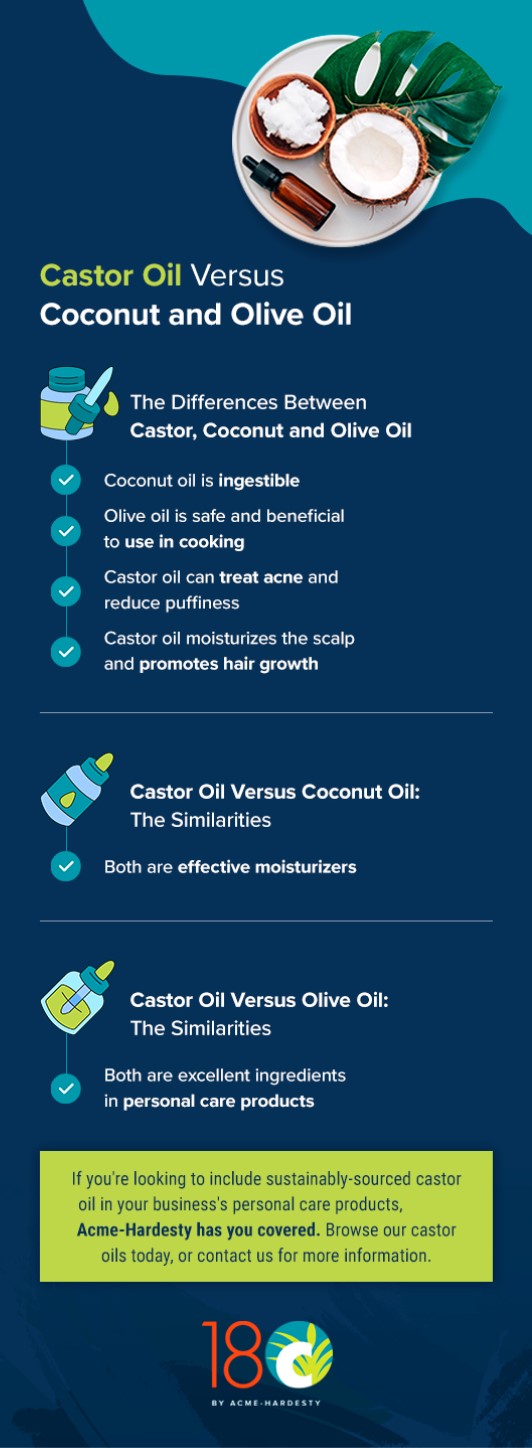
Castor oil is 8–20 times thicker than common oils like coconut or jojoba, giving it an immediate cosmetic advantage.
Volumizing Coating Mechanism
When applied, castor oil clings tightly to each strand, adds weight and fullness, smooths frizz and flyaways, and enhances shine and manageability. The result is hair that looks denser, shinier, and healthier, sometimes within minutes. This temporary thickening is often mistaken for actual growth, especially after consistent weekly use.
How to Apply Castor Oil Correctly
Using castor oil effectively requires proper technique. Done wrong, it can lead to buildup, matting, or scalp issues.
Always Patch Test First
Apply a pea-sized amount behind your ear or on your inner forearm. Wait 24 hours and watch for redness, itching, or swelling. Ricinoleic acid can cause allergic contact dermatitis in sensitive individuals.
Dilute for Best Results
Undiluted castor oil is too thick and sticky for most hair types. Mix it with lighter carrier oils using a ratio of 1 part castor oil to 2 parts coconut, jojoba, or almond oil. Dilution improves spreadability and reduces residue.
Application Steps
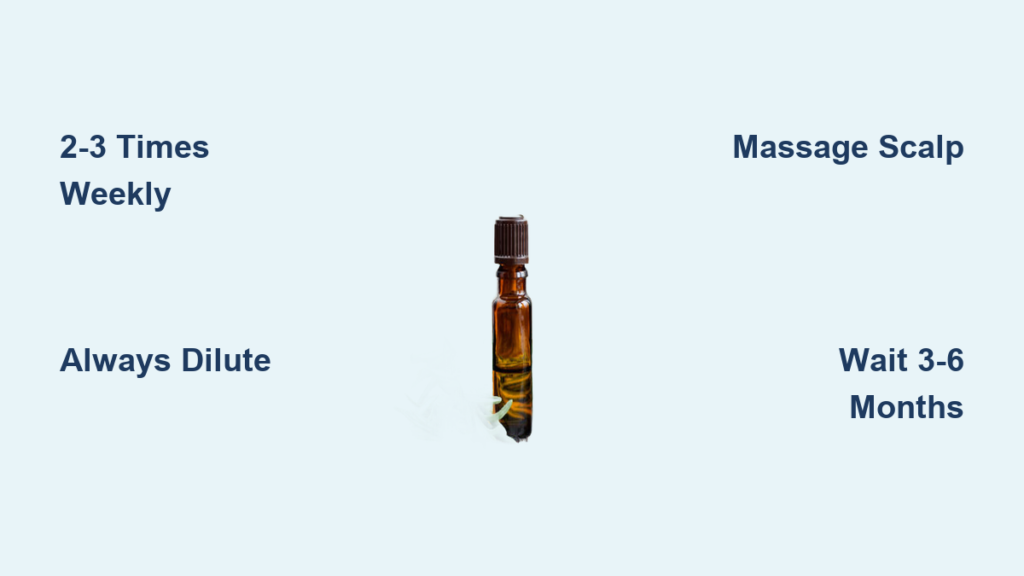
Section clean, dry hair and use a dropper or applicator brush to apply directly to the scalp. Massage gently for 5–10 minutes, then extend to mid-lengths and ends for conditioning. Cover with a shower cap to protect clothes and bedding. Leave on for 2–8 hours or overnight. Avoid leaving it on longer than 8 hours regularly, as overuse can dry out the scalp due to buildup.
Washing It Out
Castor oil resists water and requires multiple washes. Use a clarifying shampoo if buildup occurs, and try double or triple shampooing. Follow with conditioner only on ends.
Frequency and Duration Guidelines
Recommended Usage Frequency
Stick to once or twice weekly for best results. More isn’t better, and overuse increases risks of scalp buildup, clogged follicles, forehead acne, and hair felting.
Safe Duration Limits
There’s no benefit to leaving castor oil on for days. Extended exposure increases chance of irritation, attracts dirt and dust, and may suffocate follicles. Overnight treatments are fine occasionally, but not daily.
Risks and Side Effects You Should Know
Despite being natural, castor oil isn’t risk-free.
Hair Felting: Rare but Serious
Excessive undiluted use, especially without proper washing, can cause acute hair matting or felting, where strands fuse into a tangled, felt-like mass. Once formed, it cannot be combed out and only cut off. This condition is more common in long, curly, or textured hair.
Scalp Clogging and Acne
Castor oil is comedogenic, meaning it can block pores. This may trigger folliculitis, seborrheic dermatitis flare-ups, and forehead acne. Avoid if you have oily skin or active breakouts.
Allergic Reactions
Watch for itching, redness, swelling, and burning sensations. Discontinue immediately if any occur.
Staining Warning
Castor oil stains fabrics and is hard to wash out. Always use old towels and pillowcases.
Jamaican Black vs. Regular Castor Oil
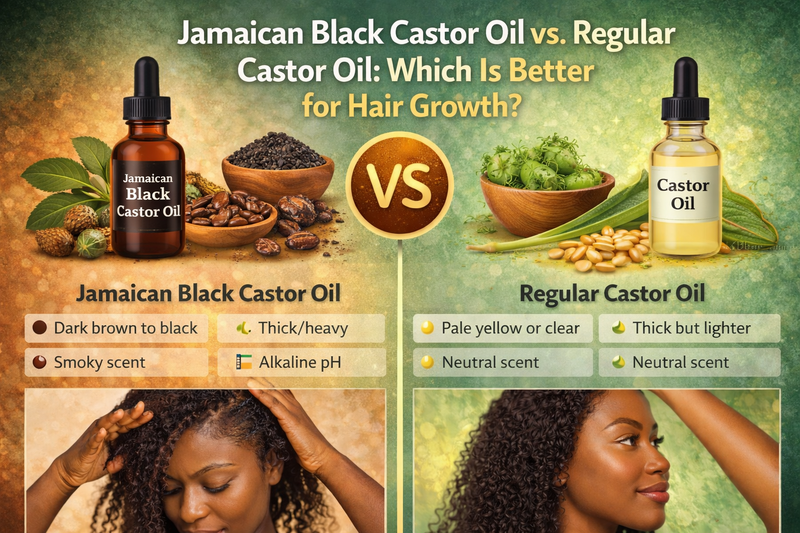
Two main types exist, each with pros and cons.
Jamaican Black Castor Oil
Made from roasted beans and ash, this variety is darker, smokier, and thicker. It’s believed to have higher mineral content and is popular for coarse, curly, or dry hair. No scientific proof it outperforms regular castor oil, but many users prefer its texture.
Regular Clear Castor Oil
Cold-pressed from raw beans, this type is clear with less odor and slightly lighter viscosity. It’s easier to dilute and wash out, making it better for fine or straight hair.
Choose cold-pressed, hexane-free, unrefined oil regardless of type to ensure purity.
Does It Work for Eyebrows and Eyelashes?
Many use castor oil to thicken brows and lashes, but evidence is weak.
Application Tips
Use a clean spoolie or cotton swab and apply a tiny amount before bed. Avoid eye contact and flush immediately if it occurs.
Limited Evidence
No clinical trials support efficacy for lash growth. Any perceived improvement likely comes from conditioning existing hairs, reducing breakage, and adding sheen that makes lashes look fuller. Do not apply near eyes regularly due to irritation risks.
Scientific Consensus: What Research Actually Shows
Despite popularity, scientific support is extremely limited.
No Clinical Trials Confirm Growth
Zero randomized controlled trials show castor oil increases hair count or density. No studies confirm it extends anagen phase or boosts growth speed. A 2022 systematic review found no evidence for hair regrowth, though it may improve shine and manageability.
Why People Think It Works
User-reported improvements are likely due to reduced breakage, improved shine and texture, scalp soothing, and psychological satisfaction from self-care rituals. You’re seeing cosmetic enhancement, not biological regeneration.
Better Alternatives for Actual Hair Regrowth
If you’re dealing with thinning, shedding, or balding, castor oil won’t reverse it. These options have real evidence.
Clinically Proven Treatments
Minoxidil (Rogaine) is a vasodilator that extends the growth phase and is FDA-approved. Finasteride (Propecia) blocks DHT and slows male pattern hair loss. Dutasteride is a stronger DHT blocker approved for prostate issues but used off-label for hair.
Natural Options With More Evidence
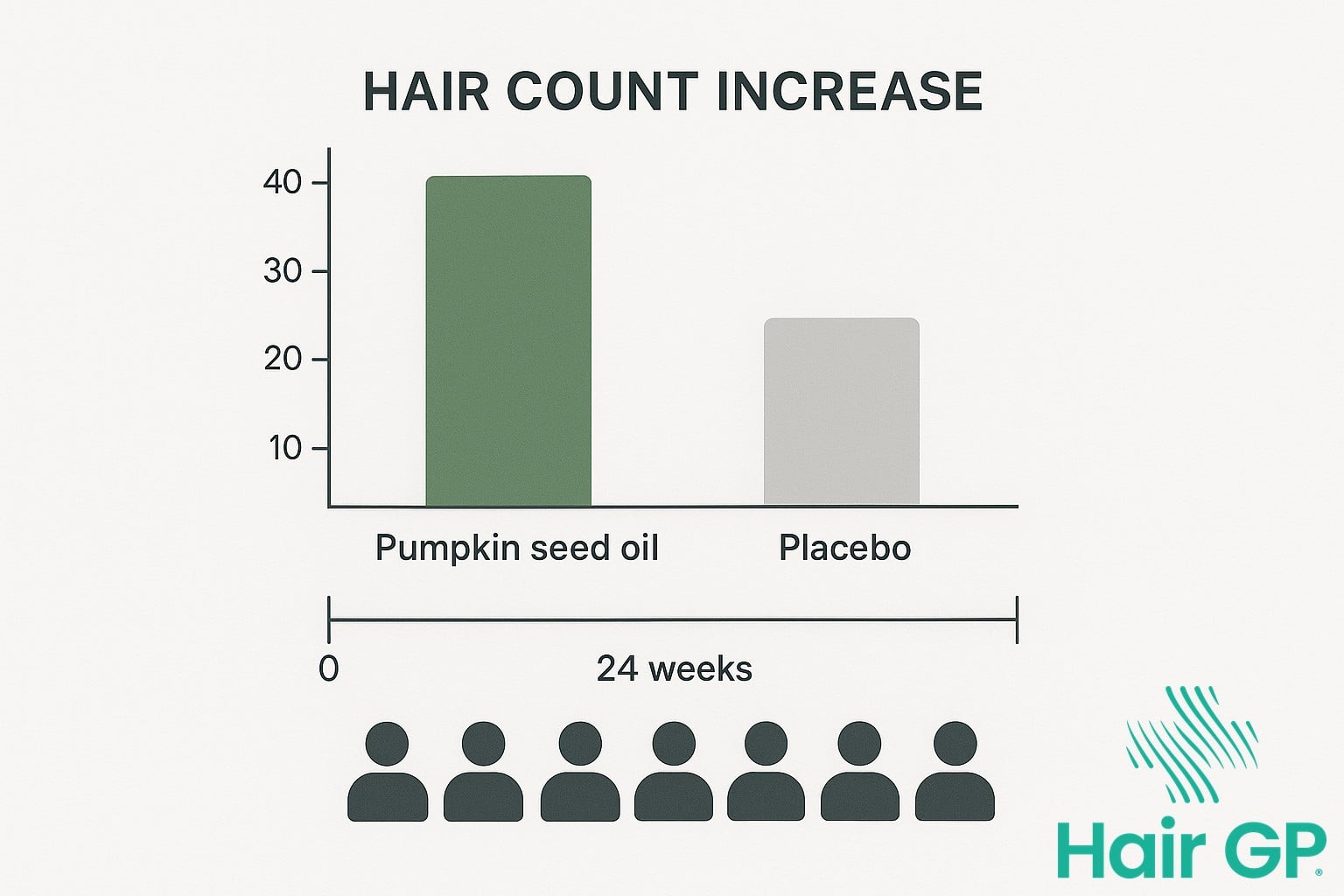
Rosemary oil has clinical trials showing it improves circulation and is comparable to minoxidil. Pumpkin seed oil showed a 40% increase in hair count after 24 weeks in RCTs. Saw palmetto has moderate evidence for mild androgenetic alopecia as a DHT blocker.
These have more scientific backing than castor oil for actual regrowth.
Who Should and Shouldn’t Use Castor Oil
Best Candidates
Castor oil works well for dry, damaged, or curly hair, frizz-prone textures, those seeking deep conditioning, people wanting to reduce breakage, and individuals with dry, flaky scalps.
Who Should Avoid It
Skip castor oil if you have oily or acne-prone scalps, active dandruff, psoriasis, or infections. Fine or thin hair can be weighed down. Don’t expect rapid regrowth or bald spot reversal.
Choosing and Storing Quality Oil
Buying Tips
Look for cold-pressed, hexane-free, unrefined options. Opt for dark glass bottles that protect from light. Prefer organic certification when possible. Check expiration dates and discard opened oil after one year.
Proper Storage
Keep in a cool, dark place away from heat and sunlight. Don’t refrigerate, as cold causes thickening. Rancid oil loses potency and may irritate the scalp.
Frequently Asked Questions About Castor Oil and Hair Growth
Does castor oil actually grow hair?
No, castor oil does not stimulate new hair growth or increase hair density. Clinical trials show it doesn’t affect the actual growth rate of hair follicles. Its benefits are purely cosmetic, helping with moisture and breakage reduction.
How long does it take to see results from castor oil?
Results vary by individual. Some notice improved shine and manageability within days, while reduced breakage and length retention become apparent after several weeks of consistent use. True growth acceleration won’t occur since the mechanism doesn’t exist.
Can I leave castor oil on my scalp overnight?
Occasional overnight application is generally safe, but leaving it on for more than 8 hours regularly can cause buildup, scalp dryness, and increased irritation risk. For best results, limit overnight treatments to once or twice weekly.
Is Jamaican Black Castor Oil better than regular castor oil?
No scientific evidence confirms JBCO outperforms regular castor oil. Both contain ricinoleic acid as the active ingredient. JBCO’s popularity for coarse hair is based on user preference for its thicker texture and perceived mineral content from ash processing.
Can castor oil cause hair loss?
When used incorrectly, yes. Excessive use without proper dilution or washing can cause hair felting, a serious matting condition requiring cutting. Overuse can also clog follicles and cause scalp inflammation that leads to shedding.
What oils are better than castor oil for hair growth?
Rosemary oil and pumpkin seed oil have clinical evidence supporting their ability to promote actual hair growth. Minoxidil remains the most effective FDA-approved option for androgenetic alopecia.
Key Takeaways for Using Castor Oil on Your Hair
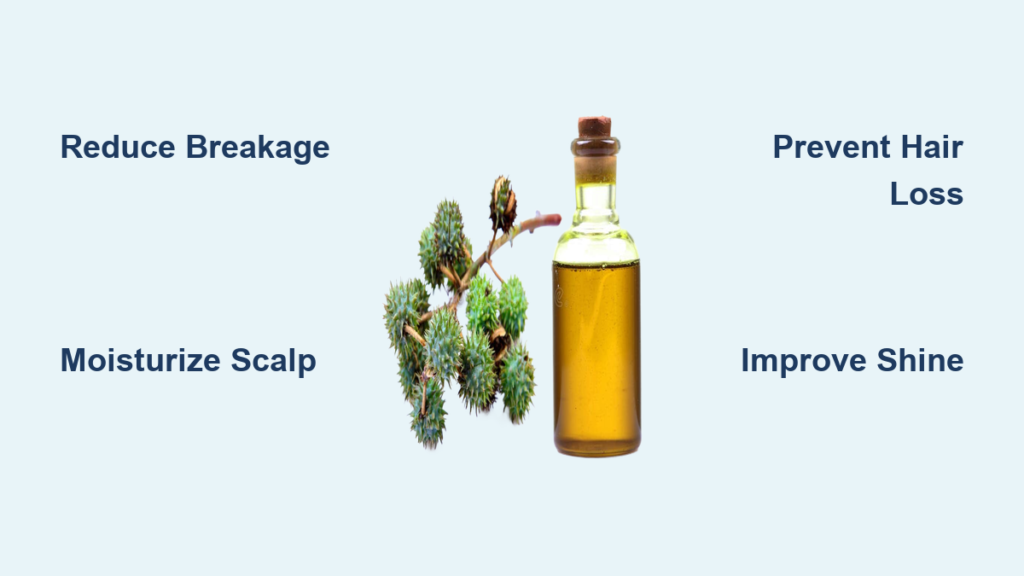
Castor oil is not a miracle growth serum, but it is a powerful protective and conditioning agent. What it does do includes deeply moisturizing scalp and hair, reducing protein loss and breakage, soothing dryness and mild irritation, enhancing shine and manageability, and helping retain hair length over time. What it does NOT do includes stimulating new hair growth, reactivating dormant follicles, increasing growth rate beyond natural limits, or treating medical hair loss conditions.
For true hair regrowth, rely on evidence-based treatments like minoxidil, finasteride, or rosemary oil. Use castor oil for strength, shine, and scalp comfort, not as a cure for baldness. If you’re experiencing unexplained hair loss, see a dermatologist or healthcare provider to rule out underlying causes like hormonal imbalances, nutrient deficiencies, or autoimmune conditions that need medical evaluation, not just oils.
Castor oil won’t grow your hair faster, but it can help you keep what you have, longer.