
Every year, hair dryers cause preventable fires, electric shocks, and injuries due to simple oversights like leaving devices plugged in or storing them on beds. With millions using hair dryers daily, understanding hair dryer safety tips is essential for protecting your home and family. The Cleveland Fire Brigade UK reported a spike in incidents linked to hot dryers placed on bedding, prompting a viral safety alert in September 2024. This guide delivers actionable hair dryer safety tips, from daily habits to maintenance and smart purchasing choices, all designed to keep you safe every time you style.
Unplug After Every Use
One of the most overlooked hair dryer safety tips is also the simplest: unplug immediately after use. Even when turned off, a plugged-in dryer remains electrically active and poses a shock or fire risk if accidentally activated or exposed to moisture.
Cool Down on Non-Flammable Surfaces
After use, place the dryer on a hard, heat-resistant surface like a countertop or tile floor. Never set it on beds, sofas, or curtains, as these materials can ignite from residual heat. A dryer may feel off, but internal components stay hot for several minutes. One documented case involved a dryer left on a cushion that smoldered for 20 minutes before catching fire. Always allow full cooling before storage.
Prevent Accidental Activation
Unplugging eliminates the risk of the dryer turning on if the switch is bumped. This is especially important in homes with children or cluttered spaces. Keep the cord out of reach and store the device in a designated spot to avoid tripping hazards or unintended contact.
Keep Dryers Away From Water
Water and electricity are a deadly combination. Using a hair dryer near sinks, bathtubs, or wet hands dramatically increases electrocution risk, even with modern safety features.
Never Use with Wet Hands
Always dry your hands thoroughly before plugging in or operating a hair dryer. Moisture lowers skin resistance, making electric shock more likely if a fault occurs. Teach all household members this rule, especially teens who may rush morning routines.
Use GFCI-Protected Outlets in Bathrooms
If you use your dryer in the bathroom, ensure the outlet is GFCI protected. GFCI outlets cut power instantly if a current leak is detected, preventing serious shocks. Test your bathroom outlet monthly by pressing the Test and Reset buttons.
Clean Vents to Prevent Overheating

Blocked air vents are a leading cause of hair dryer fires. Lint, dust, and hair buildup restrict airflow, causing the motor and heating elements to overheat.
Inspect and Clean Monthly
Check the air intake grille, usually at the back or side, for debris. Use a soft brush or compressed air to remove lint. Some models have removable filters. Consult your manual. Users often do not realize vents need cleaning. One survey found 68% had never cleaned their dryer is intake. Make it a monthly habit.
Look for Warning Signs
If your dryer shuts off unexpectedly, emits a burning smell, or feels hotter than usual, stop using it immediately. These are signs of overheating, likely due to poor airflow. Clean the vents thoroughly and inspect for internal blockages before resuming use.
Inspect Cord and Plug Regularly

Damaged cords are a serious electrical hazard. Fraying, cracking, or discoloration can expose live wires, increasing shock and fire risk.
What to Check Before Use
Before each use, examine the entire cord, plug, and housing. Look for frayed wires or kinks. Check for melted or discolored plastic. Feel if the plug is unusually warm after use. If any damage is found, stop using the dryer. Do not attempt DIY repairs on electrical components. Replace the unit or have it serviced by a professional.
Replace Damaged Dryers Immediately
A hot plug or burning odor indicates electrical overload. These are urgent red flags. Continuing to use a faulty dryer can lead to short circuits or fire. Replace the unit promptly, especially if it is older than 5 years or lacks modern safety features.
Avoid Prolonged Continuous Use
Running a hair dryer nonstop increases internal temperature and strain on the motor. While exact safe durations vary by model, most manufacturers recommend limiting continuous use to 10 to 15 minutes.
Take Cooling Breaks
For thick or long hair, dry in sections with 5-minute breaks in between. This prevents overheating and extends the life of the motor. If your dryer has an automatic shut-off feature, it may activate during long sessions. This is a safety response, not a defect.
Never Leave Unattended
Never walk away from a running hair dryer. Even in cool shot mode, the device remains powered and poses a risk if it falls into water or onto flammable materials. Always supervise use, especially when children or elderly family members are styling.
Choose Safer, Modern Models
Not all hair dryers are created equal. Upgrading to a model with advanced safety features can significantly reduce risks.
Look for Overheat Protection
Most quality dryers include a thermal cutoff switch that shuts off the device if internal temperatures get too high. This basic feature prevents many fire incidents. Check product specifications before buying.
Opt for Brushless Motors
Brushless motors generate less heat and friction, reducing fire risk and extending lifespan. They also provide consistent performance over time. EOLUX and other premium brands now use brushless technology as standard, setting a new safety benchmark.
Consider Six-Layer Protection Systems
Top-tier models feature multi-level safety systems that monitor voltage, motor performance, and temperature in real time. If an anomaly is detected, the dryer shuts down automatically. These systems go beyond basic thermal cutoffs, offering comprehensive protection against short circuits, surges, and motor failure.
Store Properly and Educate Users
Safe storage and household awareness are critical for long-term safety.
Keep Away From Water Sources
Store the dryer in a dry cabinet or drawer, away from sinks and bathtubs. Avoid hanging it over shower rods or leaving it on damp counters. Moisture degrades electrical components over time, increasing failure risk.
Teach Children and Elderly Users
Explain the dangers of playing with or misusing a hair dryer. Supervise young users and ensure elderly family members understand the risks of using it near water or with mobility limitations. Post a quick-reference safety checklist near the mirror if needed.
Follow Manufacturer Guidelines
Always refer to the user manual for model-specific instructions. Manufacturers design dryers with safe operating parameters. Ignoring them increases risk.
Adhere to Usage Time Limits
Some manuals specify maximum continuous use, for example 10 minutes. Respect these limits. Exceeding them voids warranties and increases overheating risk, especially in older or budget models.
Use Correct Voltage When Traveling
For travel dryers, ensure voltage compatibility. Using a 110V dryer in a 220V outlet can cause immediate failure and fire. Choose dual-voltage models with automatic sensing for international safety.
Upgrade for Safety and Efficiency
Older hair dryers consume more energy and lack modern protections. Upgrading improves both safety and performance.
Energy Efficiency Reduces Heat Stress
Newer models like EOLUX are engineered for high efficiency, converting more power into airflow rather than wasted heat. Lower internal temperatures mean less strain on components and reduced fire risk over time.
Longer Lifespan with Less Maintenance
Brushless motors and durable builds mean fewer breakdowns. While premium dryers cost more upfront, they last longer and prevent costly repairs or replacements. Consider the long-term value of safety and reliability.
Real-World Impact of Safety Awareness
Public education saves lives. After the Cleveland Fire Brigade is 2024 Facebook post on hair dryer risks, thousands reported changing their habits, cleaning vents, unplugging religiously, and avoiding beds for cooling.
Social Media Drives Behavioral Change
The post went viral, with users sharing photos of dusty vents and admitting they had never cleaned them. This highlights a widespread knowledge gap. Simple, clear hair dryer safety tips can prompt immediate action.
Users Report Life-Saving Results
One user found a scorched vent after cleaning, likely a near-miss fire. Another replaced a 10-year-old dryer after noticing a warm plug. These real-world cases prove that awareness leads to prevention.
Frequently Asked Questions About Hair Dryer Safety Tips
Can a hair dryer start a fire if left on a bed?
Yes. Hair dryers retain heat after shutdown and can ignite bedding materials. Always cool down on hard, non-flammable surfaces like countertops or tile floors before storage.
How often should I clean my hair dryer vents?
Clean air vents at least once a month. Regular use accumulates lint and hair in the intake grille, restricting airflow and causing overheating. Monthly cleaning prevents fire hazards.
What should I do if my hair dryer smells like burning?
Stop using the dryer immediately if you detect a burning smell. Unplug it and allow it to cool. Inspect the cord and vents for damage or blockages. If the smell persists after cleaning, replace the dryer.
Are modern hair dryers safer than older models?
Yes. Modern dryers often include overheat protection, brushless motors, and intelligent monitoring systems. These features significantly reduce fire and electrical risks compared to older models lacking these protections.
Should I use a hair dryer in the bathroom?
Yes, but only with proper precautions. Ensure the outlet is GFCI protected. Keep the dryer away from sinks and bathtubs. Dry your hands before plugging in or operating the device.
How long can I use a hair dryer continuously?
Most manufacturers recommend limiting continuous use to 10 to 15 minutes. Take breaks between sessions, especially when drying thick or long hair, to prevent overheating.
Key Takeaways for Hair Dryer Safety
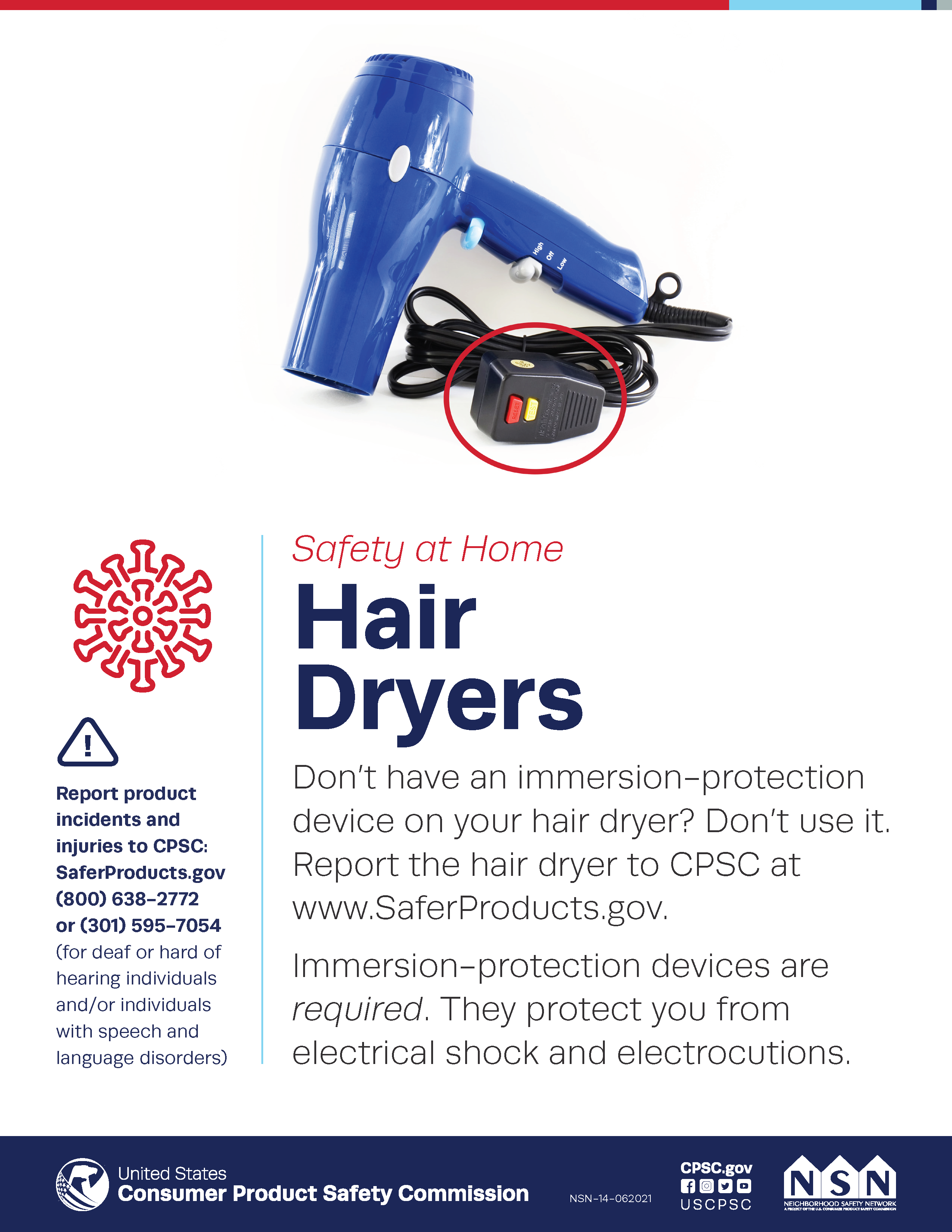
Following these hair dryer safety tips drastically reduces fire, shock, and injury risks. Unplug after every use, keep dryers away from water, clean vents monthly, and inspect cords for damage. Upgrade to models with brushless motors and overheat protection for enhanced safety. Educate everyone in your home about proper usage and storage habits. Check out our detailed guides on appliance safety and home fire prevention for more ways to protect your family.