You’ve just finished a nourishing hot oil treatment. Your scalp feels pampered, your strands are silky, and your hair smells amazing. But now comes the crucial next step: how to wash hair after hot oil treatment without losing all those benefits. Done right, this process removes excess oil while locking in moisture, leaving your hair soft, shiny, and strong. Done wrong, it can strip your hair or leave greasy residue.
The key lies in timing, technique, and product choice. Whether you applied oil before or after shampooing, washing properly ensures maximum absorption and zero buildup. In this guide, you’ll learn the exact steps to rinse, shampoo, and condition post-treatment for flawless results. No guesswork, no greasiness, just healthy, hydrated hair.
Wait Before Washing: Let Oil Penetrate Fully
/media/ic/files/2025/11/Hot-Oil-Treatment-for-Hair.webp)
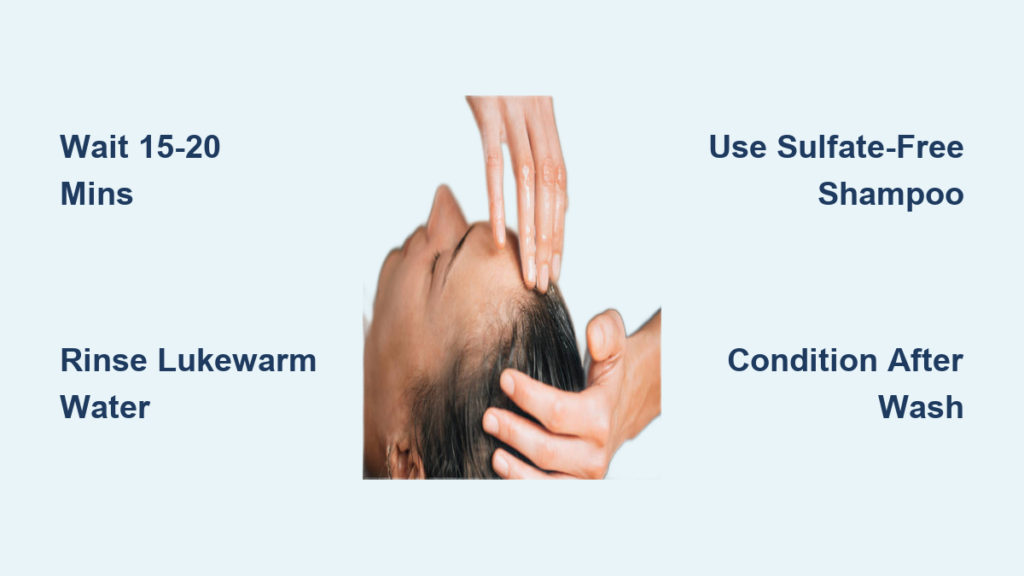
After applying warm oil to damp hair, wait 15 to 20 minutes before washing. This allows the oil to deeply penetrate the hair shaft and seal the cuticle, improving strength and reducing protein loss.
Adjust Timing for Your Hair Type
For thick, coarse, or highly porous hair, extend the wait time to 30 to 60 minutes. Use a shower cap or heated hooded dryer to boost absorption. Steam from a warm towel enhances penetration, especially with oils like coconut or olive.
Even a five-minute oil application before conditioning shows measurable softness and shine, so short treatments still work. Avoid rushing to wash immediately. Premature rinsing limits benefits and wastes the treatment.
Rinse With Lukewarm Water First
Before shampooing, rinse hair thoroughly with lukewarm water. This step removes up to 60 percent of surface oil, making cleansing easier and reducing the need for harsh scrubbing.
Why Temperature Matters
Lukewarm water is ideal because hot water can trigger excess scalp oil production, while cold water may solidify oils like coconut, trapping residue. Tilt your head back and let water flow from roots to ends to help lift oil.
This pre-rinse is optional but highly effective, especially for heavy oils or thick hair.
Use Sulfate-Free Shampoo
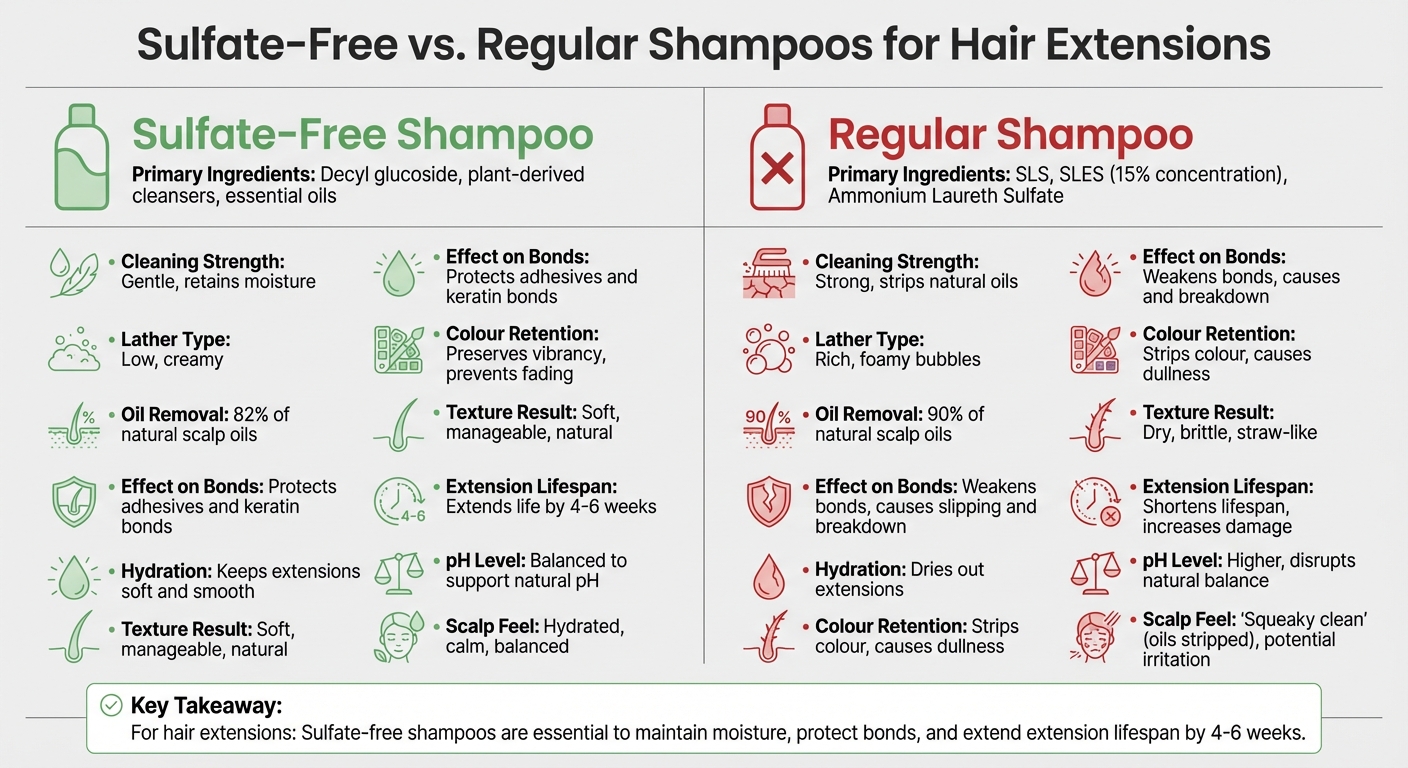
Choose a gentle, sulfate-free shampoo to emulsify and lift oil without stripping natural moisture. Sulfates like SLS are too harsh and can over-dry hair post-treatment.
Ingredients to Look For
Look for formulas with aloe vera, which soothes the scalp. Glycerin attracts moisture. Panthenol strengthens strands. Babassu oil cleanses gently. Oat protein adds softness.
A purple shampoo for blondes or grays can be used safely post-oil treatment with no moisture loss when paired with proper conditioning. Apply shampoo only to the scalp first, massaging gently with fingertips to avoid irritation.
Double Shampoo if Needed
For long, thick, or oily hair, a second shampoo pass ensures all residue is gone. This step is optional for fine or low-porosity hair.
First Wash
Focus on the scalp. Lather gently using fingertips, not nails. This emulsifies oil and preps hair for deep cleansing.
Second Wash
Apply to mid-lengths and ends. Light lather removes leftover oil. Rinse thoroughly. No slippery feeling should remain.
Pro tip: If your hair feels squeaky clean, you have over-washed. Healthy hair should feel smooth, not stripped.
Condition After Washing
Even after oil treatment, always condition. Shampooing, even with gentle formulas, can remove some hydration.
What Conditioner Does
Use a moisturizing or deep conditioner to replenish lost moisture, smooth the cuticle, and boost shine and detangibility. Leave on for three to five minutes, or longer for intensive care.
Try applying oil for five minutes post-shampoo, then layer with deep conditioner and steam both together. This combo delivers intense hydration and mimics salon-level results at home.
Final Rinse: Cool Water for Shine
Finish with a cool or lukewarm final rinse. Cold water closes the hair cuticle, locking in moisture and reflecting light for instant shine.
How to Rinse
Run water from roots to ends for 30 seconds. This enhances smoothness and reduces frizz. Skip hot water because it reopens cuticles and dulls hair.
Dry Gently to Prevent Breakage
After rinsing, squeeze out excess water with a microfiber towel or cotton T-shirt. Avoid rubbing with a regular towel because it causes friction, leading to frizz and split ends.
Pat or scrunch hair gently. Let air dry or use a diffuser on low heat if styling. Once dry, style as usual or go for protective styles like twists or braids. Your hair will hold them better thanks to added moisture and elasticity.
Oil Before or After Shampoo: What Works Better
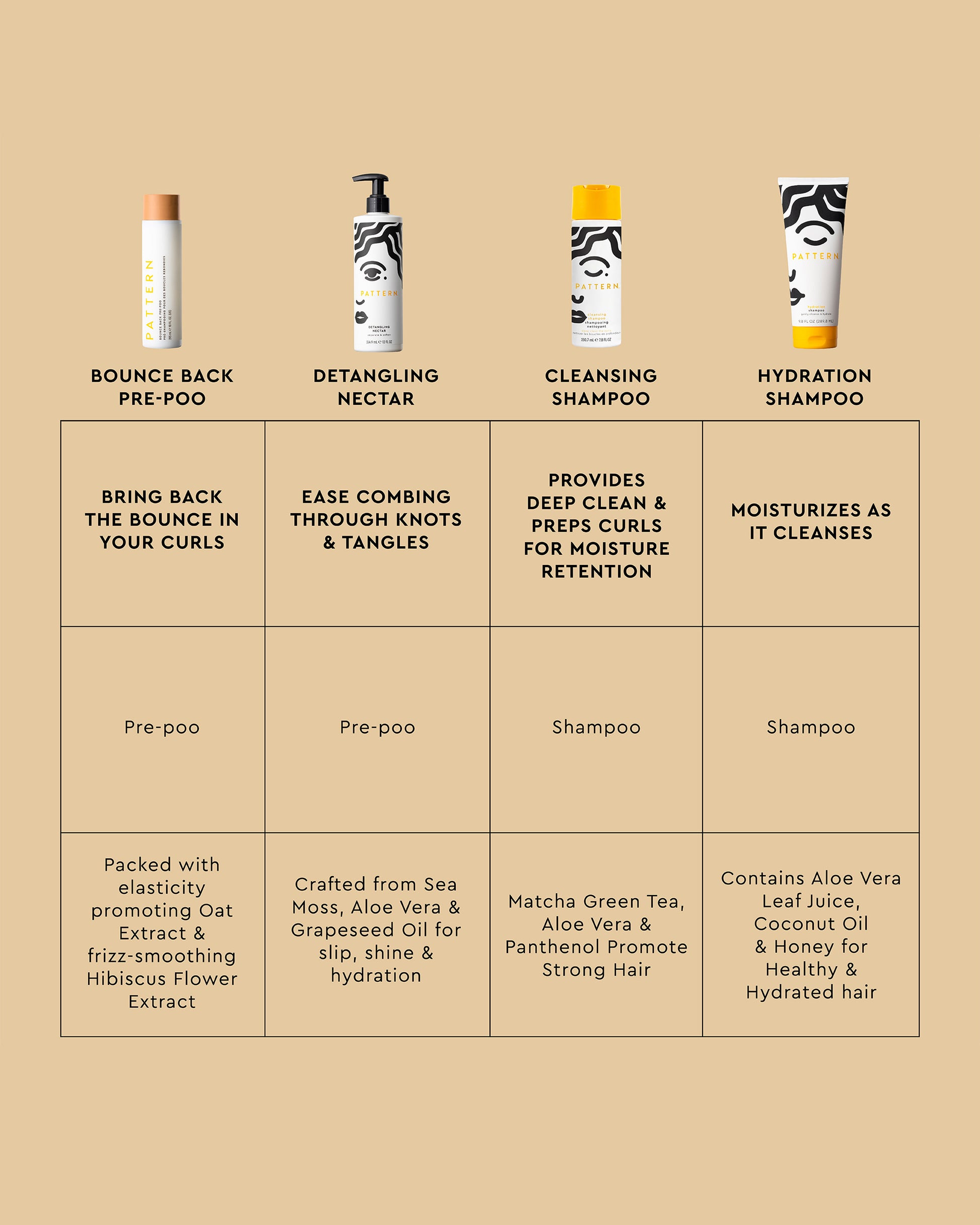
There is no one-size-fits-all answer. Both methods work. What matters is consistency.
| Method | When to Use | Best For |
|---|---|---|
| Oil Before Shampoo (Pre-Poo) | Apply oil, wait 15 to 20 minutes, shampoo, then condition | Dry, damaged, or color-treated hair |
| Oil After Shampoo | Shampoo, apply oil to damp hair, wait 5 to 20 minutes, steam with conditioner, then rinse | Fine hair, quick routines, lightweight treatments |
In side-by-side tests, both methods delivered equally soft, shiny, manageable hair when followed by proper washing and conditioning. Bottom line: washing always follows the oil phase. Choose based on your hair type and routine, not myth or trend.
Choose the Right Oil for Easy Washing

Not all oils wash out the same. Heavier oils need stronger cleansing, while lighter ones rinse clean easily.
Oil Types and Wash-Out Ease
Coconut oil is moderate to wash out and works best for dry, damaged, high-porosity hair. Jojoba oil washes out easily and mimics natural sebum, making it ideal for oily scalps and fine hair. Sweet almond oil washes out easily and provides general use with shine boost. Avocado oil is moderate and suits coarse, curly, chemically treated hair. Olive oil is harder to wash out and better for very dry, frizzy hair. Argan oil washes out easily and provides frizz control and shine.
Pro tip: Blend heavy oils like coconut with light ones like jojoba to balance penetration and washability. Adjust oil amount based on hair type. Fine hair needs one to two tablespoons. Thick hair can use up to six tablespoons.
Avoid Common Mistakes
Even with the right steps, small errors can undermine results.
Using Hot Water
Hot water can burn the scalp or stimulate oil production. Use warm to cool water only.
Skipping Patch Test
Always test oil on inner elbow 24 hours before use. This prevents allergic reactions, especially with herbal blends.
Overheating Oil
Never microwave oil for more than 10-second bursts. Ideal temperature is 100 to 110 degrees Fahrenheit, warm to touch but not hot. Scalding causes scalp damage and hair breakage.
Applying Too Much Oil
Too much oil leads to residue and attracts dirt. Focus on ends and scalp. Avoid saturating roots if you have oily hair.
How Often Should You Do Hot Oil Treatments
Overdoing hot oil treatments can cause buildup, especially in low-porosity hair.
Frequency by Hair Type
Dry, damaged, or color-treated hair benefits from weekly treatments. Very dry or porous hair can handle treatments every three to four days. Oily scalp or fine hair should limit treatments to every two to three weeks. Natural or curly hair thrives with weekly treatments for optimal moisture retention.
Notice dullness or heaviness? Cut back. Your hair will tell you when it has had enough.
DIY vs. Store-Bought: Which Works Better
Product Options Comparison
DIY blends are customizable, natural, and cost-effective, but carry risks of overheating and have shorter shelf life. Store-bought options are convenient and often enriched with vitamins and herbs, but may contain preservatives or silicones. Salon treatments include steaming and professional washing but cost $20 to $60 per session.
Nia Ayurvedic Hair Oil blends almond, avocado, olive oil, and 10 herbs for growth and reduced hair fall. For best results, combine store-bought oils with at-home shampooing for control and consistency.
Prevent Buildup and Maintain Results
Oil buildup dulls hair and blocks growth. Stay ahead with these habits.
Maintenance Tips
Use a monthly clarifying wash to remove residue without drying. Avoid scalp application if prone to greasiness. Rinse thoroughly because leftover oil attracts dust and pollution.
Store oils in cool, dark places. Discard if they smell off or change color. Most oils last six to 12 months after opening.
Real Results: What to Expect
After just one treatment, users report softer, smoother strands, less frizz and flyaways, easier detangling, and instant shine.
Long-Term Benefits
With weekly use over two to three weeks, expect reduced breakage and split ends, healthier scalp with less dandruff, improved elasticity and strength, and possible support for hair growth via better circulation.
Pair with deep conditioning for superior results compared to oil or conditioner alone. Protective styling after treatment helps retain moisture longer, ideal for natural hair routines.
Final Routine: Step-by-Step Summary
Here is the complete checklist for washing hair after hot oil treatment.
Best Practice Checklist
Apply warm oil to damp hair, focusing on scalp and ends. Wait 15 to 20 minutes, using a heat cap for deeper penetration if desired. Rinse with lukewarm water to remove excess oil. Shampoo with sulfate-free formula, double cleansing if needed. Condition thoroughly, leaving on for three to five minutes. Rinse with cool water to seal the cuticle. Dry gently with a microfiber towel. Style or protect as desired.
Key Takeaways for Washing Hair After Hot Oil Treatment
Washing hair after a hot oil treatment is not just about cleanup. It is the final step that seals in all the benefits. By choosing the right oil, using gentle products like sulfate-free shampoo, and following a smart routine, you will transform your hair from dry and dull to strong, shiny, and resilient.
The timing of when you apply oil relative to shampooing matters less than consistency. Whether you prefer pre-poo or post-shampoo application, the key is allowing proper penetration time, rinsing thoroughly, and conditioning after every wash. Adjust your oil selection and frequency based on your specific hair type, and your locks will thrive with consistent care.
Frequently Asked Questions About Washing Hair After Hot Oil Treatment
How long should I wait to wash my hair after a hot oil treatment?
Wait 15 to 20 minutes after applying warm oil before washing. This gives the oil time to penetrate the hair shaft and seal the cuticle. For thicker or coarser hair, extend this to 30 or 60 minutes for maximum benefit.
Can I use regular shampoo after a hot oil treatment?
Use a sulfate-free shampoo instead of regular shampoo. Sulfates are too harsh and can strip away the moisture the oil treatment just delivered. Gentle, sulfate-free formulas cleanse without over-drying.
Do I need to condition after shampooing post-treatment?
Yes, always condition after shampooing, even after a hot oil treatment. Shampooing can remove some hydration, so a good conditioner restores moisture, smooths the cuticle, and boosts shine.
How often should I do hot oil treatments?
Dry, damaged, or color-treated hair benefits from weekly treatments. Oily or fine hair should limit treatments to every two to three weeks. Adjust based on how your hair responds.
What if oil residue stays in my hair after washing?
If residue remains, try double shampooing. Focus first on the scalp, then second on the mid-lengths and ends. Make sure water is lukewarm, not cold, to avoid solidifying oils like coconut.