You’ve carefully crafted a homemade hair oil blend rich in nourishing botanicals and natural ingredients. But a few weeks later, it develops an off smell or shows signs of mold. The truth is, even the most lovingly made hair oil can spoil without proper preservation techniques. How to preserve homemade hair oil isn’t just about adding ingredients, it’s about understanding when preservation is necessary and which methods actually work.
This guide covers exactly when your hair oil needs a preservative, which preservatives are most effective, and how to use them correctly. You’ll also learn the critical difference between antioxidants and preservatives, debunk common myths, and discover storage strategies that keep your homemade blends fresh for months.
When Your Homemade Hair Oil Needs a Preservative
Not every hair oil formulation requires preservation, but knowing the difference is essential for safety and effectiveness.
Water-Containing Ingredients That Demand Preservation
Pure oil blends typically stay safe because microbes need water to grow. However, the moment you introduce any water-based ingredient, preservation becomes necessary. Watch for these common additions that introduce moisture.
Aloe vera juice or gel, herbal teas and infusions like rosemary tea, hydrosols such as rosewater or lavender water, glycerin solutions above 10%, emulsified blends combining oil and water, and sprayable oils with aqueous bases all require preservatives. Even if your formulation starts water-free, how you use the product matters. Dipping wet fingers into the bottle repeatedly introduces moisture over time, making preservation a smart safeguard regardless of initial formulation.
The Simple Rule for Preservation
If water is present in your formula, even at 5%, use a broad-spectrum preservative. This applies whether the water is intentional or accidental from use and storage conditions.
Antioxidants vs. Preservatives: Understanding the Critical Difference
Many DIY formulators confuse these two additive types, but using one cannot replace the other.
What Antioxidants Actually Do
Antioxidants prevent oil rancidity, which occurs when oils oxidize and develop an unpleasant smell and texture. They slow this oxidation process and extend the freshness of your blend. However, antioxidants do absolutely nothing to stop microbial growth from bacteria, mold, or yeast. Every oil-based product should include an antioxidant for this reason.
Top antioxidant options include Vitamin E at 0.1% to 0.5% of total oil weight, rosemary extract at 0.02% to 0.1% which proves more potent than Vitamin E in many cases, and ascorbyl palmitate which works best when combined with other antioxidants. Add antioxidants at the end of blending after heating to preserve their full activity.
What Preservatives Actually Do
Preservatives kill or inhibit bacteria, mold, and yeast. They are required only when water is present in your formulation. Preservatives do not prevent oil from going rancid, which is a separate issue requiring antioxidants.
Vitamin E, essential oils, and grapefruit seed extract cannot replace a true preservative in water-containing formulas. This is a critical distinction that protects your formulation and anyone who uses it.
Best Preservatives for Homemade Hair Oil Formulas
When your hair oil contains water, choose a broad-spectrum preservative effective against bacteria, mold, and yeast.
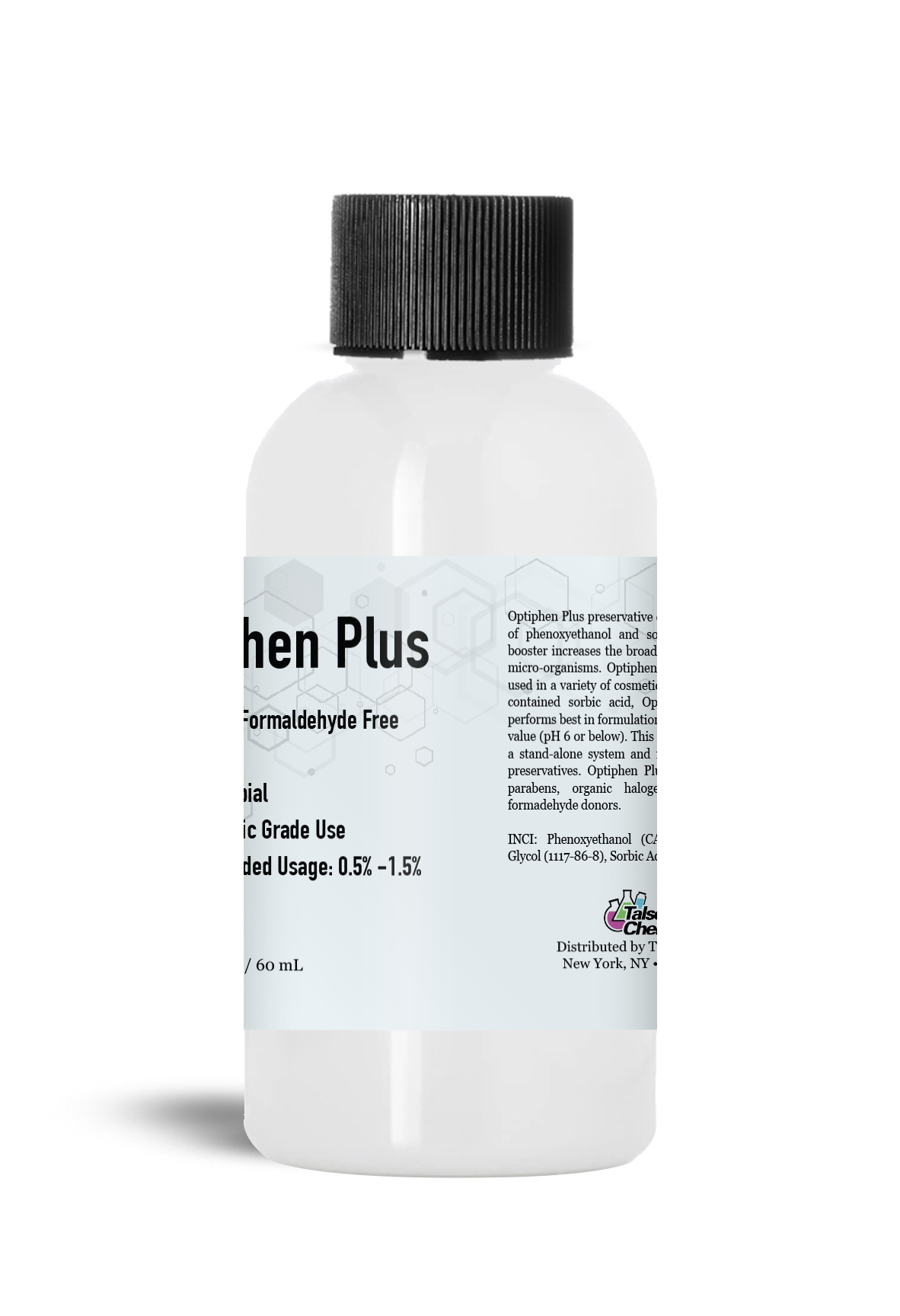
Optiphen Plus
This preservative combines phenoxyethanol, caprylyl glycol, and sorbic acid. It works within a pH range of 4 to 8 and is used at 0.5% to 1% of total batch weight. Optiphen Plus suits natural-leaning formulas and emulsions, though it may destabilize with certain thickeners like hydroxyethylcellulose. This is a popular choice for small-batch hair serums containing aloe or hydrosols.
Geogard Ultra
Made from radish root ferment and leuconostoc ferment, Geogard Ultra works at pH 4 to 7 and requires 1% to 2% usage. It carries COSMOS approval for natural products and works well for herbal infusions. This eco-friendly, biodegradable option suits formulators prioritizing natural ingredients.
Phenoxyethanol
This widely trusted preservative performs across a broad pH range of 3 to 10 at 0.5% to 1% usage. It offers stable, widely compatible preservation and is often paired with caprylyl glycol for enhanced efficacy.
Sodium Hydroxymethylglycinate
Effective at pH 3 to 8 with just 0.5% usage, this preservative works well for lightweight sprays. However, it raises pH and requires adjustment with citric acid to bring the formula into optimal range.
Germall Plus
This preservative works at pH 3 to 8 with 0.1% to 0.5% usage. It works well for small-batch DIY products but contains diazolidinyl urea, a formaldehyde-releaser that remains safe at low levels but may irritate sensitive skin.
Never under-dose preservatives. Using less than the recommended amount renders them ineffective and leaves your product unprotected.
Step-by-Step Process for Adding Preservatives
Correct timing and method ensure your preservative works effectively.
Weigh Your Ingredients Precisely
Use a digital scale with 0.01 gram precision. Volume measurements like teaspoons are too inaccurate for preservatives. For a 100 gram batch using Optiphen Plus at 1%, calculate 100 times 0.01 to get 1.0 gram of preservative.
Add at the Right Stage
For emulsified blends, add preservative after combining oil and water phases. Add preservatives below 40 degrees Celsius or 104 degrees Fahrenheit unless the supplier specifies otherwise. Mix thoroughly by stirring or shaking for 30 to 60 seconds to ensure even distribution throughout the batch.
Adjust pH When Necessary
Some preservatives like sodium hydroxymethylglycinate raise pH levels. Use a 10% citric acid solution added dropwise to bring pH into the optimal range of 4.5 to 6.5. Test using pH strips or a calibrated meter for accuracy.
Stabilize Emulsions If Needed
If your oil-water blend separates after adding preservative, incorporate Polysorbate 20 for light oils and hydrosols or Polysorbate 80 for heavier oils like castor or avocado. Use these at 0.5% to 2% of total weight. Pre-mix Polysorbate with the water phase before combining with oil for best results.
Expected Shelf Life by Formulation Type

Understanding how long your product lasts helps prevent spoilage and ensures safety.
| Formulation Type | Shelf Life Without Preservative | Shelf Life With Preservative |
|---|---|---|
| Pure oil blend | 6 to 12 months | 6 to 12 months |
| Herbal-infused oil | 3 to 6 months | 3 to 6 months |
| Oil plus aloe vera serum | Days to weeks | 3 to 6 months |
| Spray with rosewater | 1 to 2 weeks | 3 to 6 months |
Pure oil blends benefit from adding Vitamin E to prevent rancidity. Herbal-infused oils require fully dehydrated herbs and should be stored in dark glass. Oil and aloe vera combinations must be preserved and use an emulsifier. Spray products with hydrosols face high contamination risk without preservatives.
Make small batches and use within 3 months for peak freshness regardless of preservation method.
Safe Storage and Contamination Prevention
Even well-preserved oils can spoil with improper storage.
Choose the Right Packaging
Dark glass bottles in amber or cobalt blue protect oils from UV light damage. Pump or spray tops reduce contamination compared to open jars. Dropper bottles allow precise application while maintaining hygiene. Avoid clear plastic containers and jars you dip fingers into repeatedly.
Sterilize All Equipment Before Use
Wash containers and tools with hot, soapy water. Sanitize with 70% isopropyl alcohol or a diluted bleach solution of 1:10 ratio with water. Rinse thoroughly with distilled water and air-dry completely before use. Keep a dedicated alcohol spray bottle for quick sanitizing between batches.
Store in Optimal Conditions
Avoid bathrooms where humidity and heat accelerate spoilage. Keep oils away from windows and direct sunlight. For travel, use an insulated container with a cold pack to maintain cool temperatures.
Common Myths About Natural Preservation
Several misconceptions put DIY formulators at risk.
Myth: Grapefruit Seed Extract is a Natural Preservative
Most commercial grapefruit seed extract contains synthetic additives like benzethonium chloride that aren’t listed on labels. Pure grapefruit seed extract has minimal antimicrobial effect. Do not rely on it for preservation.
Myth: Essential Oils Preserve Products
While tea tree and lavender oils have mild antimicrobial properties, they are not broad-spectrum and cannot prevent mold or bacterial growth in water-based formulas. They supplement preservatives but never replace them.
Myth: Alcohol Preserves Everything
You’d need over 20% alcohol to preserve effectively, which makes the product harsh and drying. This approach is not suitable for leave-in hair oils.
Myth: Refrigeration Replaces Preservatives
Cold temperatures slow but do not stop microbial growth. Once warmed to room temperature, microbes multiply rapidly. Refrigeration assists preservation but never substitutes for proper preservatives.
The bottom line is clear. If water is present in your formulation, only a proven preservative ensures safety.
Signs Your Hair Oil Has Spoiled
Even with proper preservation, monitor products regularly for warning signs.
Red Flags Indicating Spoilage
Cloudiness or floating particles, off smells like sour or fermented odors, texture changes including sliminess or separation, visible mold showing fuzzy spots or discoloration, and scalp irritation with itching, redness, or burning all indicate your product has gone bad.
If you notice any of these signs, discard the product immediately. Do not attempt to save it by adding more preservative. A study found pathogenic bacteria including Staph and Strep in unpreserved flaxseed gels within just two weeks at room temperature, demonstrating the real health risks of inadequate preservation.
Preservation Strategies by Hair Oil Type

Match your method to your specific formulation for best results.
Pure Oil Blend Like Argan and Jojoba
No preservative is needed. Add 0.5% Vitamin E or 0.1% rosemary extract to prevent rancidity. Expect 6 to 12 months shelf life. Store in dark glass in a cool place.
Herbal-Infused Oil Using Dried Rosemary
No preservative is needed if herbs are fully dried. Add rosemary extract as an antioxidant. Expect 3 to 6 months shelf life. Strain thoroughly and store in an amber bottle.
Oil Plus Aloe Vera Serum
Add 0.8% to 1% Optiphen Plus as preservative. Include 1% to 2% Polysorbate 20 as an emulsifier. Expect 3 to 6 months shelf life. Use a pump bottle for dispensing.
Sprayable Oil with Rosewater
Use 1% phenoxyethanol or 0.5% sodium hydroxydroxymethylglycinate as preservative. Adjust pH using citric acid. Expect 3 to 6 months shelf life. Store in a cool, dark place away from bathroom humidity.
Key Takeaways for Preserving Homemade Hair Oil
Preserving homemade hair oil isn’t optional when water is involved. It is essential for health and safety.
Follow this seven-step preservation checklist. First, assess water content and preserve if any water is present. Second, choose the right preservative matching your pH, solubility, and safety preferences. Third, weigh ingredients precisely using a 0.01 gram scale. Fourth, add antioxidants like Vitamin E or rosemary extract to all oil blends. Fifth, sterilize all tools, bottles, and funnels before starting. Sixth, label containers with the date, ingredients, and preservative used. Seventh, inspect products regularly and discard at the first sign of spoilage.
Friends do not let friends use contaminated hair products. Safety must always come first, especially when gifting homemade formulations to others. By following these evidence-based practices, you can create homemade hair oils that are effective, safe, stable, and ready for months of use.
Frequently Asked Questions About Preserving Homemade Hair Oil
How long does homemade hair oil last without preservatives?
Pure oil blends without water last 6 to 12 months when stored properly in dark glass. Oil with water-based ingredients lasts only days to weeks without preservatives and up to 3 to 6 months when properly preserved.
Can I use Vitamin E as a preservative for my hair oil?
No. Vitamin E is an antioxidant that prevents oil rancidity, but it does not kill bacteria, mold, or yeast. It cannot replace a preservative in water-containing formulations.
What happens if I don’t preserve my hair oil with aloe vera?
Hair oils containing aloe vera or other water-based ingredients will quickly grow bacteria and mold. Without preservatives, these products can cause scalp irritation, infections, or adverse reactions within days to weeks.
Do essential oils preserve homemade hair oil?
Essential oils have mild antimicrobial properties but are not broad-spectrum preservatives. They cannot prevent mold or bacterial growth in water-containing formulas and should never replace proper cosmetic preservatives.
How can I tell if my homemade hair oil has gone bad?
Signs of spoilage include cloudiness, floating particles, sour or rancid smell, texture changes like sliminess or separation, visible mold, and scalp irritation like itching or redness during use.
Is refrigeration enough to preserve homemade hair oil?
Refrigeration slows microbial growth but does not stop it entirely. Once removed from cold storage, any present microbes will multiply quickly. Refrigeration helps extend freshness but cannot replace proper preservatives in water-containing formulas.