If you’re struggling with dry, frizzy, or brittle hair, you’re not alone—and coconut oil might be the solution you’ve been searching for. Known for its deep-penetrating hydration, how to hydrate hair with coconut oil is one of the most searched natural hair care topics today. Unlike surface-level oils that merely coat the hair, coconut oil uniquely penetrates the hair shaft thanks to its high concentration of lauric acid, a fatty acid with a small molecular structure that slips deep into the cortex.
Used for centuries in tropical regions, coconut oil has now gained scientific backing for its role in improving hair strength, shine, and manageability. In this guide, you’ll learn exactly how to hydrate hair with coconut oil using proven methods, from overnight masks to leave-in conditioning, plus expert tips to avoid common mistakes.
Choose the Right Coconut Oil for Hair Hydration

Not all coconut oils are created equal. The type you use directly impacts how well your hair absorbs moisture and avoids buildup.
Select Virgin, Cold-Pressed Oil
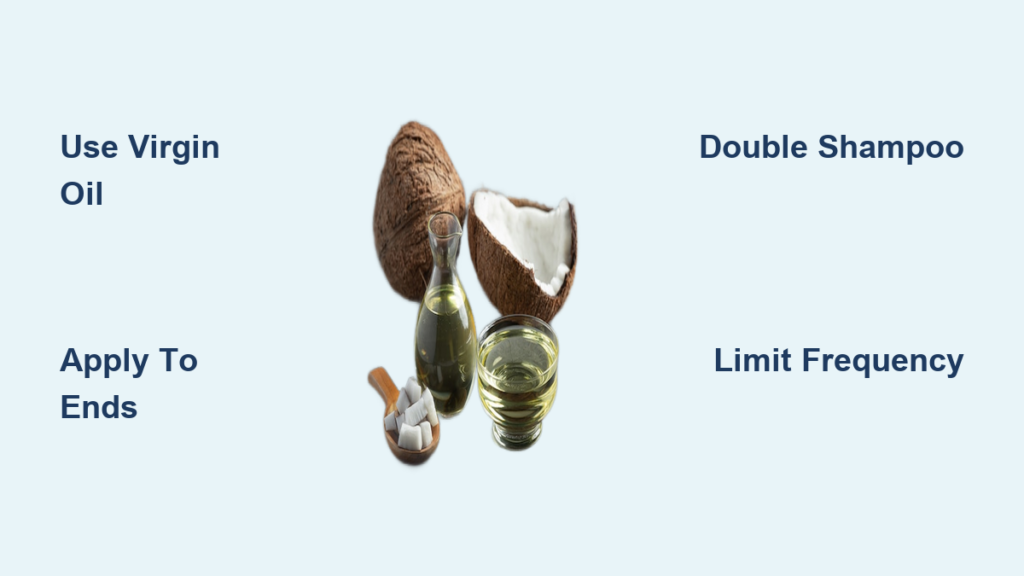
Opt for virgin, unrefined, cold-pressed coconut oil. This version is extracted from fresh coconut meat without high heat or chemicals, preserving its natural antioxidants, polyphenols, and fatty acids. These compounds are essential for deep hydration and scalp health. Refined coconut oil, made from dried copra and processed with bleach and deodorizers, loses many of these benefits and is less effective for hair.
Avoid fractionated coconut oil, which lacks lauric acid—the key component that allows oil to penetrate the hair shaft. Without it, the oil sits on the surface and can cause buildup.
Check for Quality Indicators
Look for these markers when buying:
- Color: Clear to pale yellow when liquid, white when solid
- Scent: Natural coconut aroma (a sign it’s unrefined)
- Certifications: Organic, non-GMO, fair trade
- Packaging: Glass or BPA-free plastic, stored in a cool, dark place
Shelf life is up to 2 years if stored properly. If the oil smells rancid or looks discolored, discard it.
Match Coconut Oil to Your Hair Type
Coconut oil isn’t a one-size-fits-all solution. Your hair’s texture, thickness, and porosity determine how much oil to use and where to apply it.
Best Results for Thick, Curly, or Dry Hair
If you have curly, coily, coarse, or very dry hair, coconut oil is a game-changer. High porosity allows the oil to penetrate deeply, reducing frizz, improving elasticity, and locking in moisture. Apply generously from mid-lengths to ends, and consider scalp treatments for added hydration.
Use Moderation on Wavy or Medium Hair
Wavy or medium-thick hair can benefit from coconut oil but needs moderation. Use a dime-sized amount, focusing only on the lower half of your strands. Over-application can weigh hair down or make it look greasy.
Limit Use on Fine or Low-Porosity Hair
Fine or thin hair is easily weighed down. Coconut oil may sit on the surface, blocking moisture and causing brittleness. If you have low-porosity hair (cuticles are tightly closed), the oil won’t penetrate and can lead to buildup. In these cases:
- Use a pea-sized amount
- Dilute with lighter oils like jojoba or grapeseed
- Apply only to ends, never roots
- Try treatments every 10-14 days instead of weekly
Expert Warning: “Coconut oil will sit on top of your strands, which will not allow essential nutrients to penetrate the shaft and cause your hair to feel dry and brittle,” says celebrity hairstylist Andrew Fitzsimons.
Apply Coconut Oil Correctly for Maximum Hydration
The method you choose depends on your goal: deep hydration, heat protection, or daily frizz control.
Overnight Deep Conditioning Mask
Best for: Intensive repair of dry, damaged, or curly hair.
Steps:
- Melt 1-2 tablespoons of coconut oil by warming it in your palms or a bowl of warm water
- Detangle hair with a wide-tooth comb before applying
- Section hair into 4-6 parts for even coverage
- Massage oil into scalp using fingertips in circular motions
- Apply down the shafts, focusing on mid-lengths and ends
- Cover hair with a dark cotton t-shirt or shower cap
- Leave in overnight or at least 3 hours
- Wash out using the double shampoo method
Pro Tip: This doubles as a pre-wash treatment, forming a protective layer that reduces hygral fatigue—damage from repeated swelling during wetting and drying.
Pre-Wash Treatment Before Shampooing
Best for: Protecting color-treated, bleached, or fragile hair before shampooing.
Steps:
- Apply ½ to 1 teaspoon of warmed oil to dry or damp hair
- Focus on ends and damaged areas
- Optionally massage into the scalp
- Leave on for 20-60 minutes
- Wash out with shampoo
Science Note: Coconut oil penetrates quickly; longer time improves coverage, not depth.
Scalp Treatment for Dryness or Dandruff
Best for: Flaky, itchy, or inflamed scalp.
Steps:
- Warm 1-2 teaspoons of oil
- Part hair into sections
- Apply directly to scalp using fingertips or a scalp massager
- Massage for 5-10 minutes to boost circulation
- Leave on for 30 minutes to overnight
- Rinse thoroughly with shampoo
Enhance it: Add 2-3 drops of tea tree or lavender essential oil per tablespoon for antifungal and soothing effects.
Leave-In Conditioner for Frizz Control
Best for: Taming flyaways and adding shine between washes.
Steps:
- After washing, towel-dry hair until damp
- Warm a pea-sized amount between palms
- Apply only to ends—never roots
- Style as usual
Alternative: Use on dry hair to refresh curls or smooth frizz.
Remove Coconut Oil Without Residue
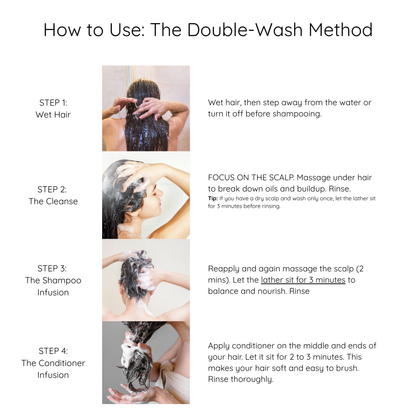
Improper cleansing leads to buildup, dullness, and clogged follicles. Use this two-step method to remove coconut oil completely.
Double Shampoo Method
- First Wash: Apply shampoo directly to dry scalp before adding water. Work through mid-lengths and lower sections. Lather and rinse—don’t expect all oil to come out yet.
- Second Wash: Reapply shampoo to scalp. Add water gradually and scrub thoroughly, especially at the crown and nape where oil accumulates. Rinse until water runs completely clear.
Shampoo Tip: Use a sulfate-free formula like Organics Coconut Milk Shampoo or Dr. Bronner’s Pure-Castile Liquid Soap. For stubborn buildup, use a clarifying shampoo once a month.
Double Conditioning Method
- First Application: Apply conditioner from behind the ears to ends. Twist strands gently to distribute. Roll up and dispose of shed hair.
- Second Application: Reapply conditioner to ends. Add a small amount to roots and work in for 1 minute to boost softness. Rinse thoroughly.
Dry and Style Without Causing Damage
After washing, how you handle your hair affects hydration retention and breakage.
Use a Soft Towel
Skip the cotton towel. Instead, use a microfiber towel or soft t-shirt to blot and squeeze out water. These materials reduce friction, prevent frizz, and minimize cuticle damage.
Detangle Properly
Apply a detangler or leave-in conditioner. Start combing from the ends, working upward in small sections with a wide-tooth comb or wet brush. Never yank through knots.
Limit Heat Styling
If using heat tools:
- Let hair air-dry 80% first
- Apply a dedicated heat protectant—coconut oil alone is not enough above 350°F
- Use the lowest effective temperature
Monitor Frequency and Track Results

How often you use coconut oil depends on your hair’s needs and response.
Recommended Frequency by Use Case
| Use Case | Frequency | Notes |
|---|---|---|
| Deep conditioning | 1-2 times per week | Reduce if hair feels stiff |
| Scalp treatment | Weekly or as needed | Stop if scalp gets oily |
| Pre-wash treatment | Before every wash | Ideal in dry climates or hard water |
| Leave-in styling | Every few days | Use tiny amounts; watch for buildup |
Dermatologist Advice (Dr. Hadley King): Use pre-poo treatments 1-2 times per week for 30-60 minutes. For leave-in use, apply as often as you shampoo, but only on damp ends.
Signs It’s Working
Most users see softer, shinier hair within 2-3 weeks of consistent use. Look for:
- Reduced frizz and flyaways
- Less tangling and breakage
- Improved curl definition (for textured hair)
- Healthier scalp with less flaking
Avoid These Common Mistakes
Even the best oil can backfire if misused.
Don’t Overapply
Too much oil causes buildup, making hair feel stiff, dull, or straw-like. Start small—a teaspoon for short hair, a tablespoon for long hair—and increase only if needed.
Don’t Microwave the Oil
Heating coconut oil in the microwave can degrade its nutrients. Instead, warm it in your palms or a bowl of warm water.
Don’t Ignore Protein Sensitivity
Coconut oil reduces protein loss, but if your hair is protein-sensitive, combining it with protein-rich treatments may cause brittleness. If hair feels stiff or snaps easily, reduce frequency.
Don’t Skip the Patch Test
Though rare, allergic reactions can occur. Test a small amount on your inner arm and wait 24 hours before full application.
Understand What Coconut Oil Cannot Do
Coconut oil is powerful—but not a cure-all.
It Doesn’t Stimulate Hair Growth
Despite myths, no scientific evidence shows coconut oil promotes hair growth. However, by reducing breakage and improving strength, it helps hair appear longer and fuller over time.
It Can’t Repair Permanent Damage
Coconut oil won’t fix broken disulfide bonds from bleaching or chemical relaxers. It can only protect and condition existing structure.
It May Cause Buildup
If you don’t cleanse properly, oil residue blocks moisture absorption. Always rinse until water runs clear.
Compare Coconut Oil to Other Options

Coconut oil stands out—but other oils have their place.
| Oil | Penetration | Best For | Notes |
|---|---|---|---|
| Coconut Oil | High | Deep hydration, pre-wash | Best for preventing protein loss |
| Olive Oil | Low | General moisture | Heavier; may leave residue |
| Jojoba Oil | Surface | Scalp health, fine hair | Mimics natural sebum |
| Argan Oil | Moderate | Shine, frizz | Lightweight but expensive |
For fine or low-porosity hair, jojoba or argan oil may be better alternatives.
Frequently Asked Questions About Hydrating Hair with Coconut Oil
Can I use coconut oil on fine hair without it looking greasy?
Yes, but you must use very small amounts. Apply only a pea-sized amount to the ends, never the roots. Space treatments 10-14 days apart instead of weekly. If greasiness occurs, switch to a lighter oil like jojoba.
How long does it take to see results from coconut oil hair treatments?
Most users report noticeable improvements in softness and shine within 2-3 weeks of consistent weekly use. Reduced frizz and improved manageability often appear first.
Can I leave coconut oil in my hair overnight?
Yes, overnight masks are one of the most effective methods for deep hydration. Protect your pillow with an old t-shirt or towel. Leave it on for at least 3 hours, though overnight provides maximum benefit.
Does coconut oil help with dandruff?
Yes, coconut oil can help with dandruff due to its antifungal properties. Apply directly to the scalp, massage for 5-10 minutes, and leave on for 30 minutes to overnight before washing. Adding tea tree oil enhances the effect.
Can I use coconut oil as a heat protectant?
Coconut oil provides some heat protection, but it’s not sufficient for temperatures above 350°F. Use a dedicated heat protectant product for flat irons or curling wands, and use coconut oil for moderate heat like blow-drying.
How do I know if my hair is low-porosity?
Low-porosity hair often takes a long time to get wet, resists absorbing products, and dries slowly. If you have low-porosity hair, coconut oil may sit on the surface rather than penetrating. Use less product and consider alternatives like argan or jojoba oil.
Key Takeaways for Hydrating Hair with Coconut Oil
Hydrating your hair with coconut oil is simple, affordable, and effective when done right. Choose virgin, cold-pressed oil, match the method to your hair type, and always wash thoroughly. With consistent use, you’ll enjoy softer, stronger, and shinier hair in just weeks.
Remember that less is often more. Start with small amounts and adjust based on how your hair responds. Fine or low-porosity hair needs significantly less product than thick, curly hair. Listen to your hair, track your results, and make hydration a sustainable part of your routine.
For the best outcomes, combine coconut oil treatments with proper cleansing, gentle drying techniques, and minimal heat styling. Your hair transformation starts with the right product, the correct application, and patience as you wait for those visible results in 2-3 weeks.