
If you’re looking for a natural way to boost hair growth, reduce shedding, and soothe your scalp, jojoba and rosemary oil for hair might be the game-changer you need. This powerful duo combines the deep conditioning benefits of jojoba oil with the follicle-stimulating power of rosemary essential oil. Backed by science and centuries of traditional use, this blend is gaining popularity as a safe, effective, and affordable alternative to synthetic hair growth treatments. In this guide, you will learn exactly how to use these oils step by step so you can get visible results in as little as a few weeks.
You will discover the best ratios, application methods, DIY recipes, and safety tips to maximize benefits without irritation. Whether you have thinning hair, a dry scalp, or just want stronger, shinier locks, this guide covers everything you need to know to use jojoba and rosemary oil effectively.
Choose High-Quality Oils for Maximum Benefits
The success of your hair treatment starts with the quality of the oils. Always use 100% pure, therapeutic-grade rosemary essential oil and organic, cold-pressed jojoba oil. Avoid blends with additives, alcohols, or synthetic fragrances.
Jojoba oil should be golden or pale yellow and have a mild, nutty scent. It is stable and long-lasting, with a shelf life of up to 2 years. Rosemary essential oil must be labeled as Rosmarinus officinalis and extracted via steam distillation. It has a sharp, herbal aroma and should never be applied undiluted.
Check labels carefully. Look for dark glass bottles to protect oils from light degradation. Store both oils in a cool, dry place away from sunlight. Low-quality or adulterated oils may cause irritation, fail to deliver results, or even damage your scalp.
Mix the Perfect Jojoba and Rosemary Blend
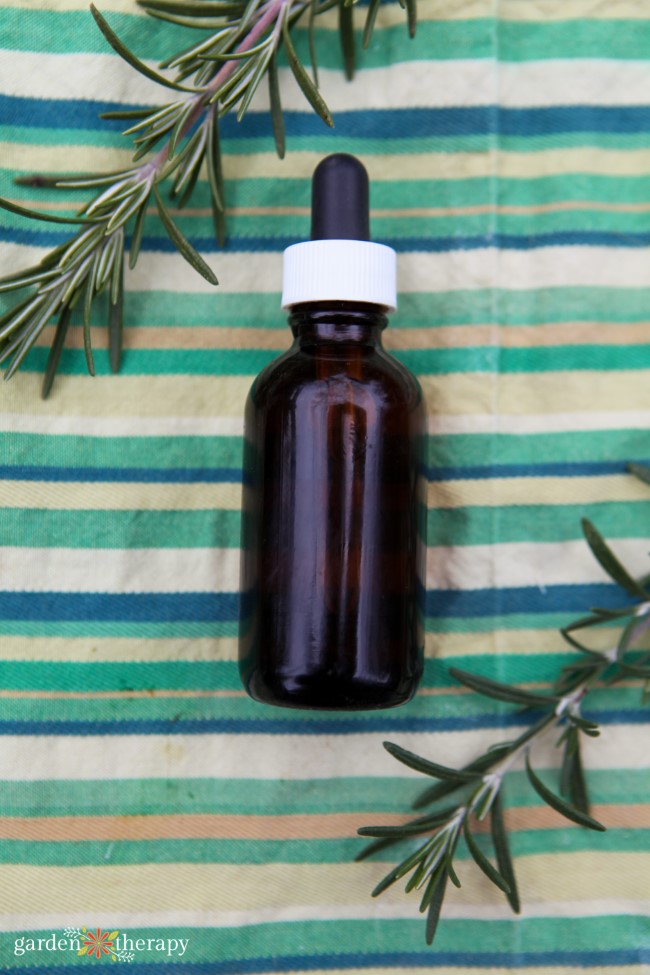
The ideal mix combines 5 to 10 drops of rosemary essential oil per 1 tablespoon of jojoba oil. This keeps the concentration at a safe 1 to 2%, reducing the risk of irritation while still delivering potent benefits. For sensitive scalps, start with 3 to 5 drops per tablespoon and increase gradually. Never exceed 12 drops per ounce of carrier oil.
For a basic DIY blend, pour 15 ml of jojoba oil into a clean, dark glass bottle. Add 5 to 10 drops of rosemary essential oil drop by drop. Close the cap and shake gently to blend. Label the bottle with the date and use within 6 months for best results. Shake before each use.
Tailor your blend based on your specific hair needs. For fine or oily hair, stick to the lower end of the ratio and apply only to the scalp. For dry or damaged hair, add 1 teaspoon of argan or avocado oil for extra moisture. For thinning hair, include 1 teaspoon of castor oil for thickening effects. For itchy or flaky scalp, add 5 drops of lavender oil for calming relief.
Apply the Oil Blend Correctly for Best Results
Effective application begins with a proper scalp massage. Part your hair into sections. Use a dropper or fingertips to apply the oil directly to the scalp. Massage in circular motions for 5 to 10 minutes using your fingertips, not nails. Cover all areas, especially thinning zones like the crown or temples. This boosts blood flow, delivering nutrients to follicles and enhancing oil absorption.
For deep treatment, leave the oil on for at least 30 minutes before washing. For best results, apply overnight by wrapping hair in a silk scarf or wearing a shower cap. This prevents staining and locks in moisture. Wash out thoroughly in the morning with a gentle shampoo. If you have oily hair, limit to 30 to 60 minutes to avoid buildup.
You can also use this blend as a pre-shampoo treatment. Apply the oil blend before every shampoo, focusing on mid-lengths and ends if your scalp is oily. This shields hair from stripping, especially if color-treated or chemically processed. This method keeps hair soft, reduces breakage, and maintains natural oils.
Boost Hair Growth with Proven Techniques

For noticeable regrowth, apply the blend daily or every other day to balding spots. Use a dropper for precision and massage for 5 minutes each session. Track progress with monthly photos. Clinical studies show rosemary oil can match 2% minoxidil in promoting hair growth after 6 months, with fewer side effects like scalp irritation.
Enhance results by adding complementary oils. Peppermint oil creates a cooling sensation and increases blood flow, shown to outperform minoxidil in animal studies. Lavender oil soothes inflammation and reduces stress-related shedding. Castor oil is rich in ricinoleic acid, strengthening roots and improving density. Always dilute essential oils properly and perform a patch test before trying new blends.
Hair growth takes time. Most users see reduced itching and less shedding in 2 to 4 weeks. By 6 to 8 weeks, you will notice softer hair and less fallout during washing. After 3 to 6 months, visible new growth appears, especially along the hairline. Consistency is key. Skip applications and progress stalls. Stick with it for at least 90 days to judge real results.
Prevent Scalp Issues Naturally
Rosemary oil has antimicrobial and anti-inflammatory properties that make it effective against dandruff and fungal buildup. Jojoba oil balances sebum, preventing both dryness and excess oil. To treat flaky scalp, apply the blend 3 times a week, massage well to loosen dead skin, and wash with a mild, sulfate-free shampoo. Many users report relief from chronic itchiness within the first month.
Inflamed follicles can block hair growth. The combination of rosemary and jojoba helps calm redness and irritation, unclog pores without stripping natural oils, and create a healthy environment for new growth. Avoid using on open wounds or infected skin. Discontinue if you experience burning or rash.
Unlike harsh chemicals, natural oils support the scalp microbiome. Jojoba does not feed yeast, making it safer than coconut oil for those prone to fungal dandruff. Regular use promotes a balanced, resilient scalp, which is critical for long-term hair health.
Follow Essential Safety Guidelines
Even natural oils can cause reactions. Test before full application by mixing a small amount of your blend. Apply to inner forearm or behind the ear. Wait 24 hours. If redness, itching, or swelling occurs, do not use. Repeat the test if you change brands or add new oils.
Certain conditions require caution. If you are pregnant or breastfeeding, consult your doctor before use, as rosemary oil may stimulate uterine activity in high doses. Avoid rosemary and peppermint oils if you have epilepsy or seizure disorders. Children under 6 should not use these oils without medical advice. Those with sensitive skin should start with ultra-low concentrations.
While rosemary oil is not phototoxic, it is best to rinse out oils before sun exposure. Buildup can attract UV damage, leading to dryness or color fading. Jojoba oil does not increase sun sensitivity, but clean hair absorbs sunlight more evenly.
Store Your Blends Properly for Long-Term Use
Always store your oil blends in amber or cobalt glass bottles. Clear plastic or glass allows UV light to degrade active compounds, reducing potency. Dark bottles block harmful rays and preserve shelf life.
Heat and humidity shorten oil stability. Store in a medicine cabinet away from the shower, a drawer or cupboard, or out of direct sunlight. Avoid leaving oils in cars or near windows.
Signs your blend has gone bad include a sour or rancid smell, darker color than when first made, or separation that does not mix when shaken. Fresh jojoba oil lasts up to 2 years, and rosemary essential oil lasts 3 to 5 years. Blends should be used within 6 to 12 months. Discard immediately if spoiled.
Optimize Application for Your Hair Type
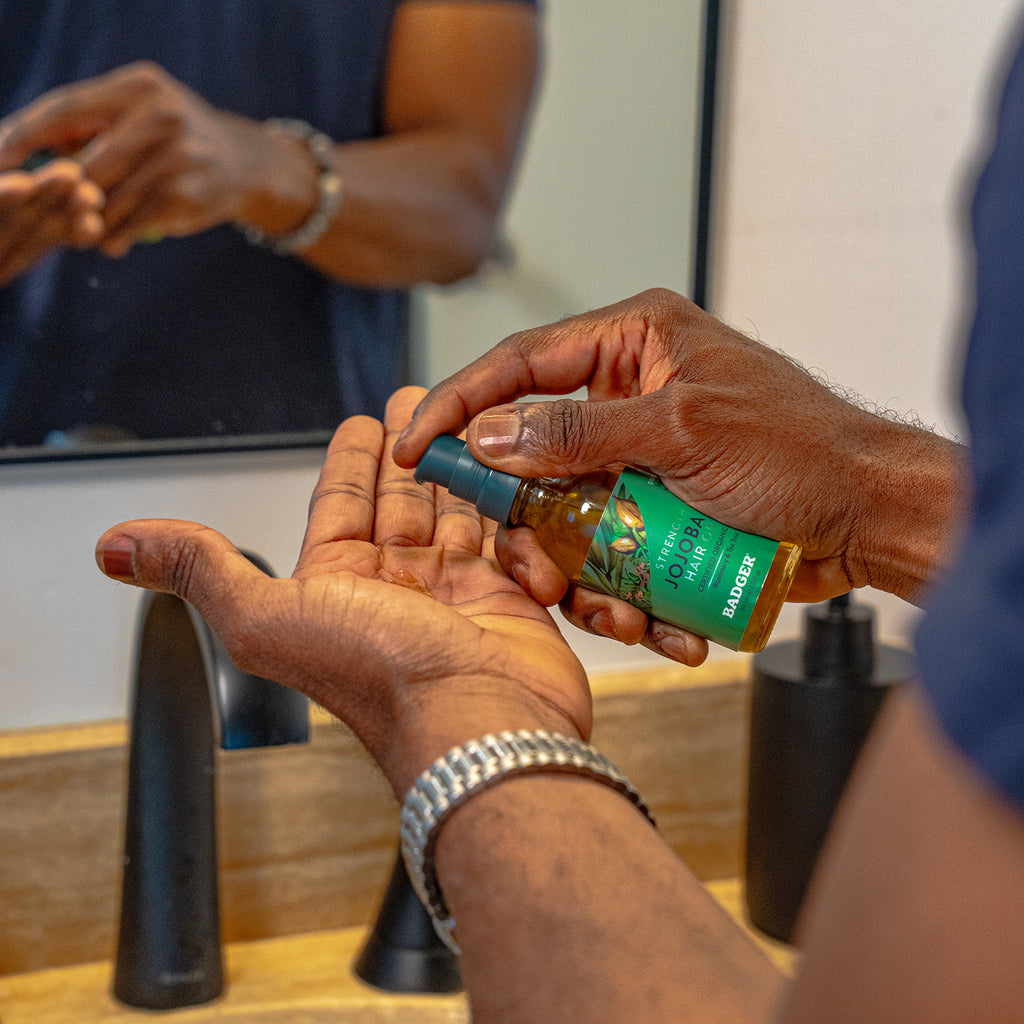
For fine or thin hair, use a lightweight blend with jojoba and 5 drops of rosemary per tablespoon. Apply only to the scalp and leave on 30 to 60 minutes max. Avoid heavy oils like castor unless diluted, as overuse can weigh hair down.
For thick or coarse hair, you can handle richer formulas. Add argan or castor oil, apply from roots to ends, and leave on overnight weekly. This deep conditions and reduces frizz.
For curly or wavy hair, focus on hydration and definition. Mix jojoba, rosemary, and argan oil. Apply to ends post-wash as a leave-in to enhance curl pattern and shine. Avoid silicones and sulfates that strip natural oils.
For oily scalp, jojoba paradoxically helps regulate oil. It mimics sebum, signaling the scalp to produce less. Use a low-concentration rosemary blend and apply 2 times per week, rinsing thoroughly. Avoid over-washing, which triggers more oil production.
Track Progress and Adjust Your Routine

Hair changes slowly. Take front, side, and top-view photos every 30 days under the same lighting. Compare to spot improvements in density, coverage, and regrowth. Many users miss early gains because they expect overnight results.
Monitor shedding by counting hairs in your brush or drain weekly. A drop from 100 or more to 50 to 60 hairs is a positive sign. Less shedding means follicles are stabilizing.
Adjust your routine based on results. If there is no improvement after 8 weeks, increase massage time, add peppermint or castor oil, or apply more frequently. If you experience too much irritation, reduce rosemary to 3 drops, add lavender for soothing, or switch to every-other-day use. Your routine should evolve with your scalp is response.
Frequently Asked Questions About Jojoba and Rosemary Oil for Hair
How often should I apply jojoba and rosemary oil to my hair?
Apply the blend 2 to 3 times per week for best results. For targeting specific thinning areas, you can apply daily or every other day. Consistency matters more than frequency. Stick with your routine for at least 3 months before evaluating effectiveness.
Can I leave rosemary and jojoba oil on my scalp overnight?
Yes, leaving the oil on overnight provides deep treatment and maximum absorption. Cover your hair with a silk scarf or shower cap to prevent staining your pillow. Wash out thoroughly in the morning with a gentle shampoo. If you have oily hair, limit overnight application to avoid buildup.
Is jojoba and rosemary oil safe for colored hair?
Yes, this blend is gentle and can actually protect color-treated hair. Jojoba oil helps seal the cuticle and prevents fading. Rosemary oil adds shine without stripping color. Apply to mid-lengths and ends, avoiding the scalp if your scalp is sensitive after coloring.
What ratio of rosemary to jojoba oil is safest for beginners?
Start with 3 to 5 drops of rosemary essential oil per 1 tablespoon of jojoba oil. This low concentration is gentle on the scalp while still delivering benefits. You can gradually increase to 10 drops per tablespoon once your scalp builds tolerance.
How long does it take to see results from using jojoba and rosemary oil?
Most users notice reduced shedding and improved scalp health within 2 to 4 weeks. By 6 to 8 weeks, hair feels softer and falls out less during washing. Visible new growth typically appears after 3 to 6 months of consistent use. Patience and consistency are essential.
Can I use jojoba and rosemary oil if I have a sensitive scalp?
Yes, but start with a very diluted blend. Use 3 drops of rosemary per tablespoon of jojoba and perform a patch test first. If irritation occurs, add more jojoba oil or switch to every-other-day application. Consider adding lavender oil for its calming properties.
Key Takeaways for Using Jojoba and Rosemary Oil Effectively

Jojoba and rosemary oil for hair is a proven, natural solution for growth, thickness, and scalp health. With consistent use, proper dilution, and targeted application, you can achieve stronger, fuller hair without harsh chemicals or high costs. The ideal ratio is 5 to 10 drops of rosemary per tablespoon of jojoba, starting low for sensitive scalps.
Always choose high-quality, pure oils stored in dark glass bottles. Apply with a proper 5 to 10 minute scalp massage to boost circulation. Leave on for at least 30 minutes or overnight for deep treatment. Track your progress with monthly photos and adjust your routine based on results.
Start with a simple blend, patch test, and commit to at least 90 days. Pair it with good nutrition and stress management for best results. Whether you DIY or buy pre-made, this powerful combo deserves a spot in your hair care routine.