If you’re struggling with thinning hair, excessive shedding, or a dull scalp, you’re not alone. Millions of people search for natural solutions to revive their hair’s vitality, and ginger essential oil has emerged as a powerful option. While it won’t magically regrow hair overnight, this potent extract creates the ideal scalp environment for stronger, thicker, and faster-growing hair when used consistently.
In this guide, you’ll learn exactly how to use ginger essential oil for hair growth, including proven application methods, ideal dilution ratios, safety guidelines, and realistic timelines for seeing results. Whether you’re new to essential oils or looking to refine your routine, these science-backed strategies will help you maximize benefits without irritation.
How Ginger Oil Supports Hair Growth

Ginger essential oil is derived from the rhizome of Zingiber officinale through steam distillation, producing a concentrated extract rich in bioactive compounds. The primary compounds include gingerol, shogaol, and zingiberene, each contributing to different aspects of hair and scalp health.
Improves Scalp Circulation
Gingerol acts as a natural vasodilator, helping to widen blood vessels beneath the scalp. This enhanced blood flow increases delivery of oxygen, nutrients, and growth factors to hair follicles. Improved circulation helps prevent follicular miniaturization, a hallmark of genetic hair loss, and extends the anagen growth phase of the hair cycle.
The warming sensation during application further stimulates blood flow, making scalp massage particularly effective when combined with ginger oil.
Reduces Follicle Inflammation
Chronic low-grade inflammation at the follicular level can disrupt the normal hair growth cycle and lead to premature shedding. Gingerol’s potent anti-inflammatory properties help calm irritated follicles, reducing swelling and preventing follicle shrinkage. This supports maintenance of the growth phase and reduces transition into the resting phase.
Signs that inflammation may be hindering your growth include a constantly tight, flaky, or sensitive scalp.
Provides Antimicrobial Protection
Ginger essential oil exhibits natural antibacterial and antifungal properties. It helps combat microbial overgrowth on the scalp, including fungi like Malassezia, which is associated with dandruff and seborrheic dermatitis. A clean, infection-free scalp allows for unimpeded hair emergence and reduces irritation-induced shedding.
For best antimicrobial results, consider combining ginger with tea tree oil in a synergistic blend.
Offers Antioxidant Defense
Free radicals from UV exposure, pollution, and metabolic stress contribute to oxidative damage in hair follicles. The antioxidants in ginger neutralize these radicals, protecting keratinocytes and dermal papilla cells. This preservation of follicle integrity delays premature aging and supports long-term hair density.
Diluting Ginger Essential Oil Properly
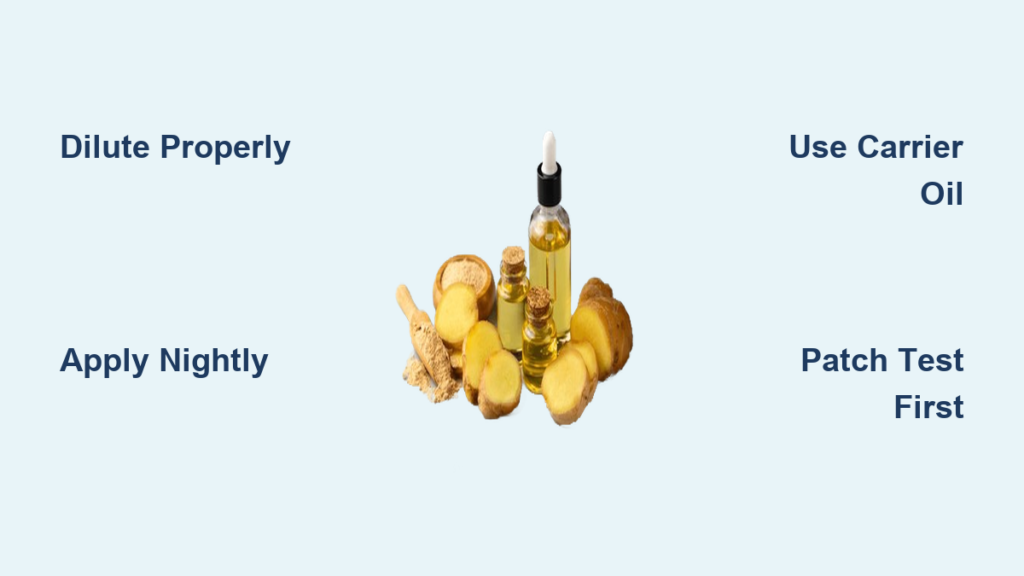
Never apply undiluted ginger essential oil directly to your scalp. This powerful extract can cause burning, redness, or severe irritation when used at full strength. Proper dilution is essential for safe and effective application.
Safe Dilution Ratios
For scalp use, the recommended concentration is 1 to 2 percent. This equals approximately 6 to 12 drops per ounce of carrier oil. For sensitive skin, start at 0.5 percent, which is about 3 drops per ounce.
The maximum safe concentration for scalp application is 2 percent. Exceeding this level increases your risk of adverse reactions significantly.
Best Carrier Oils for Hair
Choosing the right carrier oil enhances ginger’s benefits while nourishing your scalp and hair.
• Jojoba oil mimics natural sebum and balances oil production effectively
• Castor oil contains ricinoleic acid, which boosts circulation and provides deep moisture
• Coconut oil penetrates the hair shaft and reduces protein loss
• Maracuja oil is lightweight and high in linoleic acid
• Sacha inchi oil is rich in omega-3 fatty acids and improves elasticity
Topical Scalp Application Method

This is the most effective method for delivering ginger’s benefits directly to hair follicles. Follow these steps for optimal results.
Step-by-Step Procedure
Combine 2 to 4 drops of ginger essential oil with 1 tablespoon of your chosen carrier oil. Part your hair into sections to expose the scalp clearly. Use your fingertips or a dropper to apply the blend directly to the scalp, focusing on areas of thinning or concern.
Massage gently using circular motions for 2 to 3 minutes. This mechanical stimulation doubles the circulatory benefit of the oil. Leave the treatment on for 6 to 8 hours, ideally overnight. Wash out with a mild, sulfate-free shampoo the next morning.
Repeat this process 2 to 3 times per week for at least 8 to 12 weeks before evaluating results. Consistency is key because hair cycles are slow, and patience pays off.
Using Ginger-Infused Oil Instead
Ginger-infused oil offers a milder, full-spectrum alternative to steam-distilled essential oil. This method is particularly preferable for daily use or for those with sensitive scalps.
Why Infused Oil Works Better Long-Term
Unlike steam-distilled essential oil, which contains only volatile compounds, infused oil captures non-volatile phytochemicals lost during distillation. This means a broader range of active compounds, a gentler warming effect, no required dilution, and a lower risk of irritation.
DIY Ginger-Infused Oil Recipe
To make your own infused oil, combine 2 tablespoons of dried ginger root with 2 cups of carrier oil in a glass jar. For the cold method, seal the jar and store it in a warm, dark place for 4 to 6 weeks, shaking daily. For the heat method, warm the mixture on low heat for 2 to 3 hours without boiling.
Strain through cheesecloth or a coffee filter to remove plant material. Apply the same way you would diluted essential oil, massaging into the scalp, leaving overnight, and washing out in the morning.
Avoid boiling or prolonged high heat, as this destroys active compounds.
Ginger Tea Rinse for Gentle Results
A water-based ginger tea rinse delivers soluble active compounds without oils, making it ideal for frequent use or for those with oily scalps.
How to Make and Apply
Brew 1 cup of strong ginger tea using fresh or dried root or 2 tea bags. Let it cool completely to room temperature. After shampooing, pour or spray the tea onto your scalp. Massage gently for 1 to 2 minutes. Leave on for 5 to 10 minutes, then rinse thoroughly and condition as usual.
You can use this method up to 3 times per week. The rinse soothes itchy, irritated scalp while delivering gingerol in a mild form. Adding a few drops of rosemary essential oil to the cooled tea enhances growth stimulation.
Enhancing Your Shampoo and Conditioner
Boost your existing hair care products by incorporating ginger essential oil directly. This method is convenient and requires no additional preparation time.
Adding to Shampoo
Mix 3 to 5 drops of ginger essential oil per ounce of sulfate-free shampoo. Shake well before each use. Apply and massage into the scalp as normal, leaving on for 2 to 3 minutes before rinsing. Use this enhanced shampoo 2 to 3 times per week.
This method cleanses while stimulating circulation and fighting scalp microbes.
Mixing Into Conditioner or Mask
Add 2 to 4 drops per tablespoon of deep conditioner or hair mask. Apply to scalp and hair, leave for 15 to 30 minutes, then rinse thoroughly. This delivers nourishment to roots while conditioning the lengths.
Creating a Daily Scalp Spray
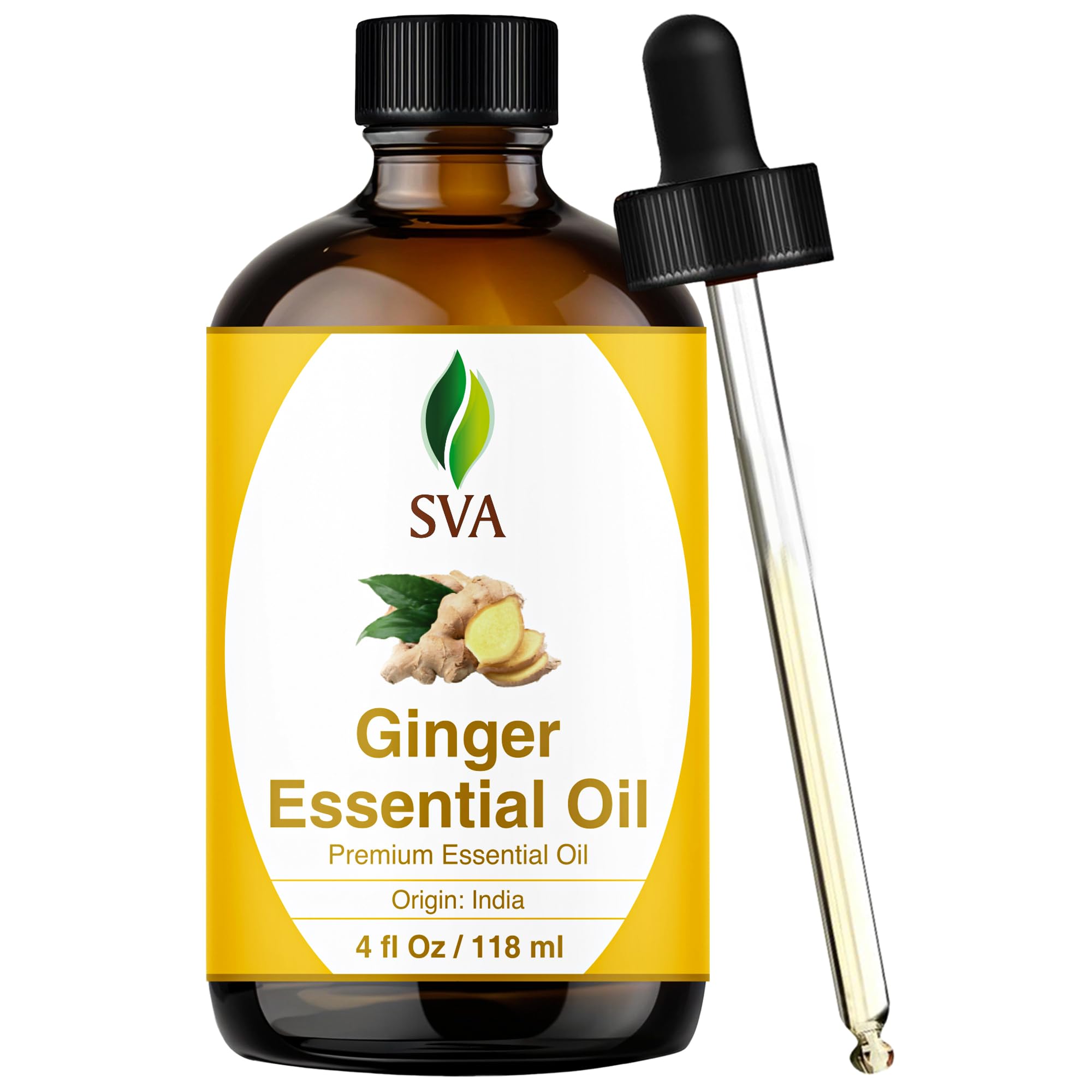
A leave-on tonic allows for frequent, low-dose exposure, which is excellent for maintaining scalp health between deeper treatments.
Ginger Scalp Spray Recipe
Combine 10 drops of ginger essential oil, 1 drop of rosemary essential oil if desired, 2 ounces of distilled water or aloe vera juice, 1 teaspoon of vegetable glycerin for moisture, and one-half teaspoon of polysorbate 20 as a solubilizer.
The solubilizer is critical. Without it, the oil will separate from the water and may cause skin irritation. Shake well before each use and spray directly onto the scalp once daily.
Effective Oil Blends for Hair Growth

Combining ginger with complementary essential oils enhances overall effectiveness through synergistic effects.
Circulation Boost Blend
Mix 10 drops of ginger essential oil, 10 drops of rosemary essential oil, and 5 drops of peppermint essential oil in 1 ounce of carrier oil. This combination increases blood flow dramatically and awakens dormant follicles. Rosemary mimics some effects of minoxidil, while peppermint creates a cooling sensation that enhances tingling and circulation.
Anti-Dandruff Blend
Combine 8 drops of ginger, 8 drops of tea tree, and 4 drops of lavender in 1 ounce of carrier oil. This blend fights fungus, soothes itchiness, and balances sebum production effectively.
Growth and Strength Blend
Mix 6 drops of ginger, 6 drops of cedarwood, and 4 drops of ylang-ylang in 1 ounce of carrier oil. This combination supports thickness, reduces shedding, and adds visible luster to hair over time.
Safety Guidelines You Must Follow
Essential oils are powerful botanical extracts, and respecting their potency prevents adverse reactions.
Always Dilute Before Use
Never apply ginger essential oil undiluted to your scalp. It can cause chemical burns or severe irritation even in small amounts. Stick to the 1 to 2 percent concentration guideline without exception.
Perform a Patch Test
Before your first full application, test for sensitivity. Mix 1 drop of ginger oil with 1 teaspoon of carrier oil. Apply to your inner forearm or behind your ear. Wait 24 hours and check for redness, itching, or swelling. Discontinue use if any reaction occurs.
Situations to Avoid
Skip ginger oil application if you have open cuts, wounds, or severe dermatitis on your scalp. Consult your doctor before use if you are pregnant or nursing. Discontinue immediately if you experience known allergy symptoms to ginger or related plants.
Realistic Results Timeline
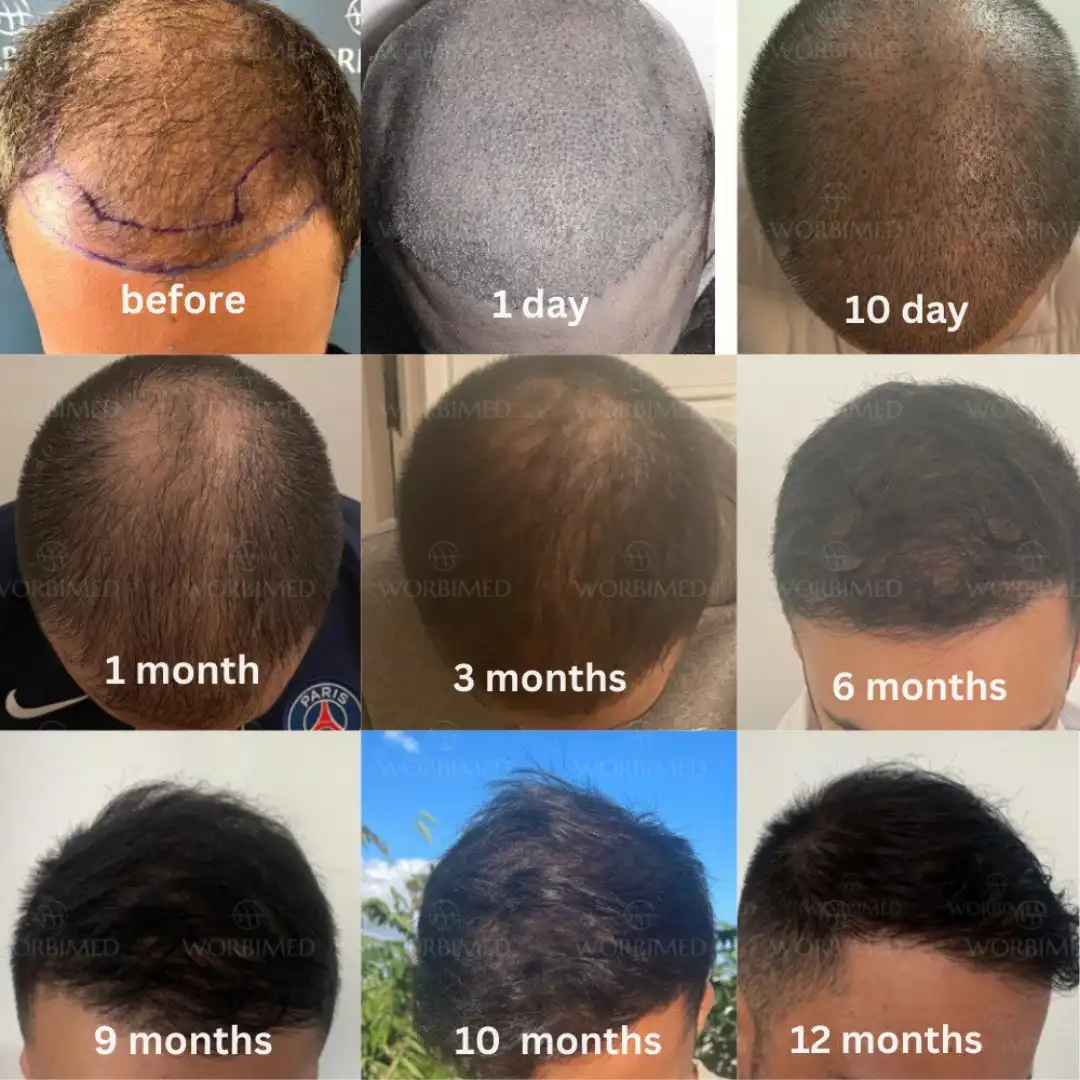
Ginger essential oil isn’t a quick fix, but consistent use yields meaningful improvements over time.
What to Expect
After just one use, you’ll feel a warming sensation with reduced scalp tightness or itchiness. After 2 to 3 uses, your hair texture becomes softer with increased shine. Between 2 and 4 weeks, expect less shedding, improved scalp comfort, and fewer flakes.
By 6 to 8 weeks, many users see visible new growth, especially along the hairline, with a thicker overall appearance. After 3 or more months, you’ll experience fuller, healthier hair with sustained reduction in thinning.
Results vary based on genetics, the underlying cause of hair loss, and consistency of use. Combine with good nutrition, hydration, and stress management for the best outcomes.
Choosing High-Quality Products
Not all ginger oils deliver the same benefits. Knowing what to look for ensures you get an effective product.
Quality Indicators
Look for products labeled as ginger-infused oil with whole root listed in ingredients. Choose cold-pressed, hexane-free carrier oils. Select dark glass bottles that protect contents from light degradation. Ensure transparent sourcing and extraction methods are disclosed. Avoid products with synthetic fragrances, parabens, or alcohol.
Red Flags to Avoid
Avoid products listing fragrance or parfum instead of specific oil names. Steer clear of anything claiming to regrow hair or cure baldness. Skip alcohol-based sprays with no emollient support. Be wary of high essential oil concentrations without proper dilution instructions.
Most commercial ginger hair products simply mix a few drops of essential oil into base oil. True infused oils are rarer but significantly more effective.
Who Should Use Ginger Essential Oil
Ginger essential oil works best for specific situations and hair types.
Ideal Users
This treatment suits people with poor scalp circulation well. It’s effective for those experiencing thinning due to stress, aging, or hormonal changes. Individuals with dry, flaky, or itchy scalp see good results. Anyone seeking natural alternatives to synthetic treatments benefits from use. Those with dull, lifeless hair wanting more shine will see improvements.
Use Caution If
Very sensitive skin requires starting with lower concentrations or using infused oil instead. Open wounds or eczema should heal before application. Allergies warrant a patch test before full use. Pregnant or nursing individuals should consult healthcare providers first.
Frequently Asked Questions About Ginger Essential Oil for Hair Growth
How long does it take to see results from ginger essential oil?
Most users notice improved scalp comfort and reduced tightness after the first use. Visible changes in hair texture and shine appear within 2 to 3 uses. New growth typically becomes visible after 6 to 8 weeks of consistent use. Full benefits generally require 3 or more months of regular application.
Can I apply ginger essential oil directly to my scalp?
Never apply ginger essential oil undiluted to your scalp. Always mix it with a carrier oil first at a 1 to 2 percent concentration. Direct application can cause severe irritation, burning, or chemical reactions. This rule applies to all essential oils, not just ginger.
How often should I use ginger essential oil for hair growth?
Apply ginger oil treatments 2 to 3 times per week for best results. Daily use is generally unnecessary and may increase irritation risk. Between treatments, maintain scalp health with a gentle hair care routine. Consistency over 8 to 12 weeks is essential before evaluating effectiveness.
Does ginger essential oil actually regrow hair?
Ginger essential oil does not directly regrow hair in the clinical sense. Instead, it supports optimal scalp health by improving circulation, reducing inflammation, fighting microbes, and providing antioxidant protection. This creates an environment conducive to stronger, thicker hair growth, particularly when thinning relates to poor circulation or scalp inflammation.
What carrier oil works best with ginger essential oil?
Jojoba oil works well because it mimics natural sebum and balances oil production. Castor oil provides deep moisture and stimulates circulation through its ricinoleic acid content. Coconut oil penetrates the hair shaft and reduces protein loss. Choose based on your specific hair needs and preferences.
Can I use ginger essential oil if I have a sensitive scalp?
Start with a lower concentration of 0.5 percent if you have sensitive skin. Consider using ginger-infused oil instead of essential oil for gentler application. Always perform a patch test before full scalp use. Discontinue immediately if you experience any irritation or discomfort.
Key Takeaways for Using Ginger Essential Oil
Ginger essential oil supports hair growth indirectly by improving scalp health through four primary mechanisms. First, it boosts circulation, delivering more nutrients to follicles. Second, it reduces inflammation that disrupts the normal hair growth cycle. Third, it provides antimicrobial protection against scalp pathogens. Fourth, it offers antioxidant defense against environmental damage.
Always dilute properly using 1 to 2 percent concentration in a carrier oil. The most effective application method is an overnight oil treatment left on for 6 to 8 hours. Combine with rosemary, peppermint, or tea tree oil for enhanced results through synergistic blending.
Visible improvements begin within 6 to 8 weeks, but full benefits take 3 or more months. Safety comes first: patch test, avoid undiluted use, and stop immediately if irritation occurs.
While ginger essential oil isn’t a miracle cure, it’s a safe, natural, and scientifically supported tool for building a healthier scalp and stronger hair when used correctly and consistently. Start today and give your follicles the nourishing boost they need to thrive.