If you’re struggling with dandruff, thinning hair, or a dull scalp, lemongrass essential oil for hair might be the natural solution you’ve been searching for. Known for its crisp, citrusy scent and powerful bioactive compounds, this essential oil has gained popularity in holistic hair care for its ability to strengthen strands, soothe irritation, and promote a healthy scalp environment. Backed by both traditional use and modern research, lemongrass oil works by boosting circulation, fighting fungal overgrowth, and protecting hair from oxidative damage.
In this guide, you’ll learn exactly how to use lemongrass essential oil safely and effectively, whether you’re targeting hair growth, flaking, odor, or breakage. From DIY treatments to store-bought integration, we’ll cover proven methods, ideal dilutions, and science-backed benefits so you can maximize results without risking irritation.
Why Lemongrass Oil Works for Hair Health

Lemongrass essential oil contains powerful compounds that make it effective for hair care. Its high citral content, ranging from 70 to 80 percent, provides strong antifungal and antimicrobial properties that target common scalp issues. The oil also contains limonene, which reduces inflammation, and antioxidants that protect hair follicles from damage. When applied to the scalp, these compounds work together to create an optimal environment for healthy hair growth.
The oil’s ability to stimulate blood circulation is particularly valuable. Massaging diluted lemongrass oil into the scalp increases blood flow, delivering more oxygen and nutrients to hair follicles. This enhanced microcirculation supports stronger, thicker hair over time while reducing follicle stress. Additionally, its astringent properties help cleanse pores, remove excess oil, and maintain a balanced scalp pH.
Essential Safety Steps Before Using Lemongrass Oil
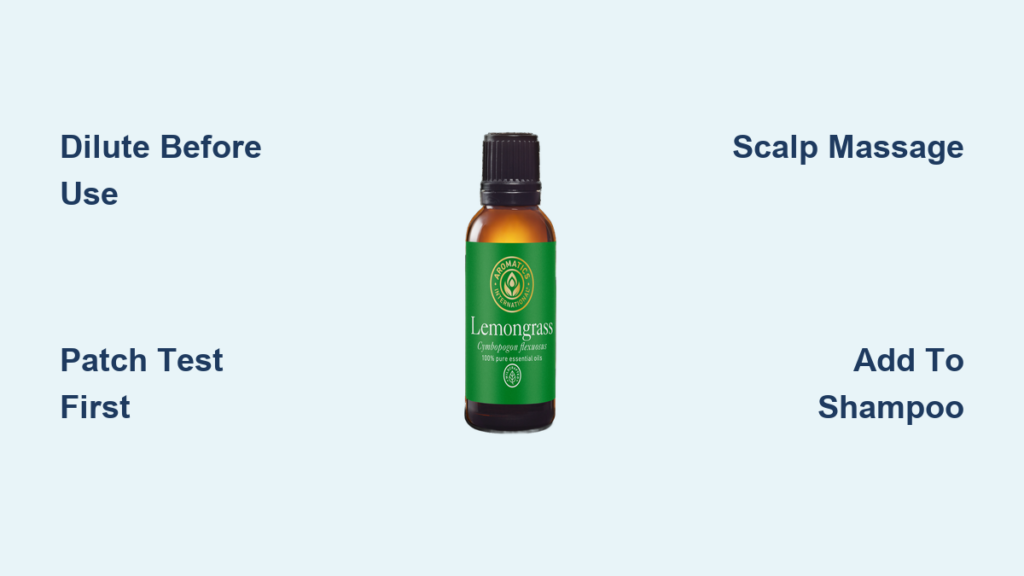
Never apply undiluted lemongrass essential oil directly to your scalp. The oil is highly concentrated and can cause burning, redness, or allergic reactions when used undiluted. The safe dilution range is 2 to 3 percent concentration, which equals 2 to 3 drops per teaspoon of carrier oil. For sensitive skin, start at 1 percent dilution, which is 1 drop per teaspoon.
Always perform a patch test before full application. Apply a small amount of diluted oil behind your ear or on your inner forearm and wait 24 hours. If no redness, itching, or swelling occurs, the oil is safe to use on your scalp. Additionally, be aware of photosensitivity. Lemongrass oil contains citral, which may increase UV sensitivity. Avoid sun exposure or tanning beds for 12 to 24 hours after applying to your scalp or skin.
Best Carrier Oils to Mix With Lemongrass

Choosing the right carrier oil enhances the benefits of lemongrass essential oil for hair. Jojoba oil mimics natural sebum, making it ideal for balancing oil production. Coconut oil penetrates deeply and provides antimicrobial benefits. Argan oil adds shine and protects hair from heat damage. Sweet almond oil is gentle and rich in vitamin E, nourishing both scalp and strands.
Warm the oil blend slightly before application to open pores and boost circulation. This simple step increases absorption and enhances the oil’s effectiveness. For best results, combine 3 drops of lemongrass oil with 1 tablespoon of your chosen carrier oil.
Top Methods to Apply Lemongrass Oil for Hair
Scalp Massage Treatment for Growth
This method increases blood flow and delivers active compounds directly to follicles. Mix 3 drops lemongrass oil with 1 tablespoon of jojoba or coconut oil. Section your hair and apply the mixture using your fingertips in circular motions. Massage for 5 to 10 minutes, then leave on for 30 minutes or overnight. Wash out with a mild shampoo. Repeat 2 to 3 times per week.
Avoid this method if you have open sores, sunburn, or active scalp infections.
Adding Lemongrass Oil to Shampoo or Conditioner
For daily maintenance and odor control, add lemongrass oil directly to your shampoo. Use 5 to 10 drops per 1 ounce of shampoo and shake well before each use. This provides continuous antifungal protection and fresher scalp. This method works especially well with sulfate-free formulas to avoid over-drying.
DIY Hair Rinse for Shine and Clarification
This rinse clarifies buildup and balances pH. Mix 1 cup water, 1 tablespoon apple cider vinegar, and 1 to 2 drops lemongrass essential oil. After shampooing, pour over your hair and scalp. Do not rinse out. The result is smoother cuticles, reduced frizz, and enhanced shine. Use only 1 to 2 drops, as too much can be drying.
Hot Oil Treatment for Deep Conditioning
This treatment works best for dry, damaged, or high-porosity hair. Warm 2 tablespoons of coconut or olive oil gently, then add 3 to 5 drops of lemongrass oil. Apply from roots to ends, cover with a shower cap, and leave for 30 to 60 minutes. Shampoo thoroughly afterward. Use once weekly for best results.
Pro tip: Add 1 drop of vitamin E oil to extend shelf life and boost repair.
Refreshing Hair Spray Between Washes
Great for mid-week refresh, gym hair, or protective styles. Combine 1 cup distilled water, 1 teaspoon aloe vera gel, and 5 to 10 drops lemongrass essential oil in a spray bottle. Shake well before each spritz and mist onto scalp and roots. This provides instant freshness, moisture balance, and microbial protection. Do not use on broken skin or near eyes.
Making Your Own Lemongrass-Infused Oil
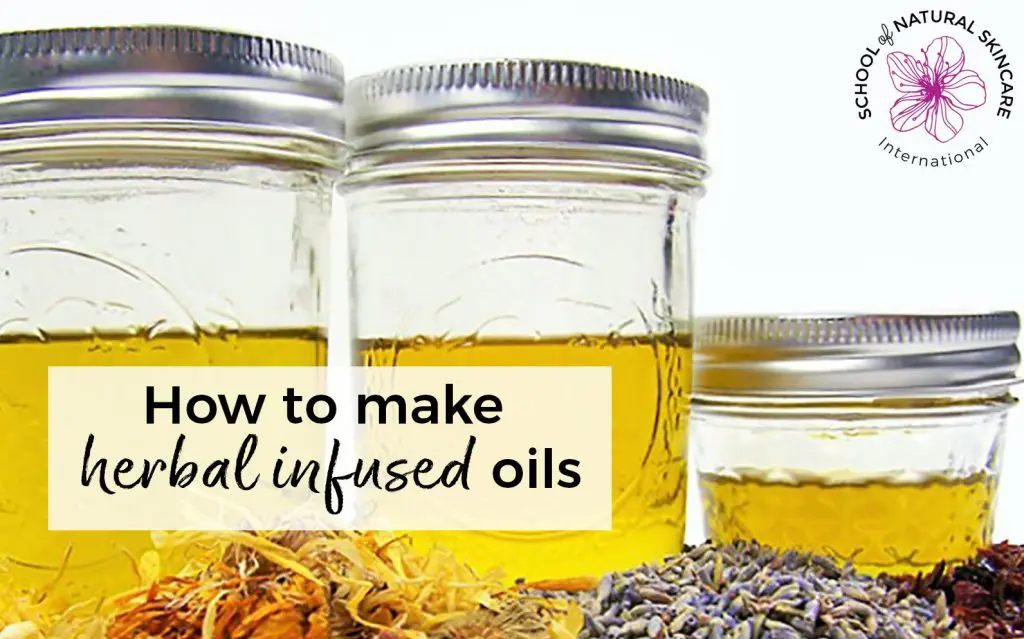
While not as potent as distilled essential oil, infused oil is gentler and great for daily use. Prepare fresh lemongrass by washing stalks, removing outer layers, chopping finely, and patting completely dry. Lightly crush to release oils.
For the heat method, combine 1 cup carrier oil with chopped lemongrass in a double boiler. Heat on low for 2 to 3 hours until plant material turns brown, then cool completely. For the solar method, place in a jar with oil, seal, and set in direct sunlight for 1 to 2 weeks, shaking daily.
Strain through cheesecloth, add 1 to 2 drops vitamin E oil per ounce, and store in a dark glass bottle. Shelf life is 6 months at room temperature or up to 1 year refrigerated.
Who Should Avoid Lemongrass Oil
Certain individuals should consult a doctor before using lemongrass essential oil for hair. Pregnant or nursing women should not use it without medical approval. Children under 7 have a high risk of skin irritation. People with liver or kidney conditions may have affected detox pathways. Diabetics should monitor closely as lemongrass may lower blood sugar. Those on blood pressure medication may experience interactions.
Never ingest lemongrass essential oil without supervision from a qualified professional. The National Association for Holistic Aromatherapy advises against internal use unless guided by an expert. Ingestion can lead to nausea, liver toxicity, or hypoglycemia.
Combining Lemongrass With Other Essential Oils

Lemongrass pairs well with other hair-boosting oils for enhanced effects. For growth boost, combine 3 drops lemongrass, 2 drops rosemary, and 2 drops peppermint in 1 ounce of carrier oil. For dandruff defense, mix 3 drops lemongrass, 3 drops tea tree, and 1 drop lavender. For scalp soothing, blend 2 drops lemongrass, 3 drops lavender, and 1 drop chamomile.
Always dilute blends and perform a patch test first.
Frequently Asked Questions About Lemongrass Essential Oil for Hair
Can I use lemongrass essential oil every day?
Daily direct scalp application is not recommended. However, adding a few drops to your shampoo allows daily exposure without over-drying. Use 2 to 3 times per week for direct scalp application.
Can I leave lemongrass oil in my hair overnight?
Yes, if properly diluted in a carrier oil. Use a shower cap to protect bedding and rinse thoroughly in the morning.
Does lemongrass essential oil help with hair thinning?
Yes. By improving circulation, reducing inflammation, and strengthening follicles, it may reduce shedding and support regrowth in mild cases of thinning.
Is lemongrass oil safe for color-treated hair?
Generally yes, but perform a strand test first. Its astringent nature may slightly fade color over time if overused.
Can I mix lemongrass oil with my conditioner?
Absolutely. Add 5 to 10 drops per ounce of conditioner and use weekly for deep conditioning with scalp benefits.
Key Takeaways for Using Lemongrass Essential Oil
Lemongrass essential oil offers powerful benefits for hair and scalp health when used correctly. Always dilute to 2 to 3 percent concentration using carrier oils like jojoba, coconut, or argan. Use 2 to 3 times per week for scalp massage treatments, or add to shampoo for daily maintenance. Perform a patch test before first use and avoid sun exposure for 12 to 24 hours after application.
The oil’s antifungal properties effectively combat dandruff, while its circulation-boosting effects support hair growth. Its natural deodorizing action makes it ideal for protective styles. When incorporated into a consistent hair care routine, lemongrass essential oil can transform dull, troubled scalps into healthy foundations for stronger, shinier hair. Start with one method, track your results, and adjust based on your hair’s response.