
You love the idea of silky, nourished hair from oiling, but dread the flat, greasy look it can leave behind. You are not alone. Millions skip this ancient ritual because they have experienced oily roots, weighed-down strands, or residue that will not wash out. The truth? Hair oiling does not have to make your hair greasy. When done right, it adds shine, strength, and softness without the slickness.
The key lies in how much you use, which oil you choose, when you apply it, and how you wash it out. This guide reveals expert-backed methods to oil your hair effectively without greasiness. From selecting lightweight oils to mastering the LOC method and timing your treatments just right, you will learn how to nourish your scalp and strands while keeping your hair looking fresh, bouncy, and polished.
Choose the Right Oil for Your Hair Type
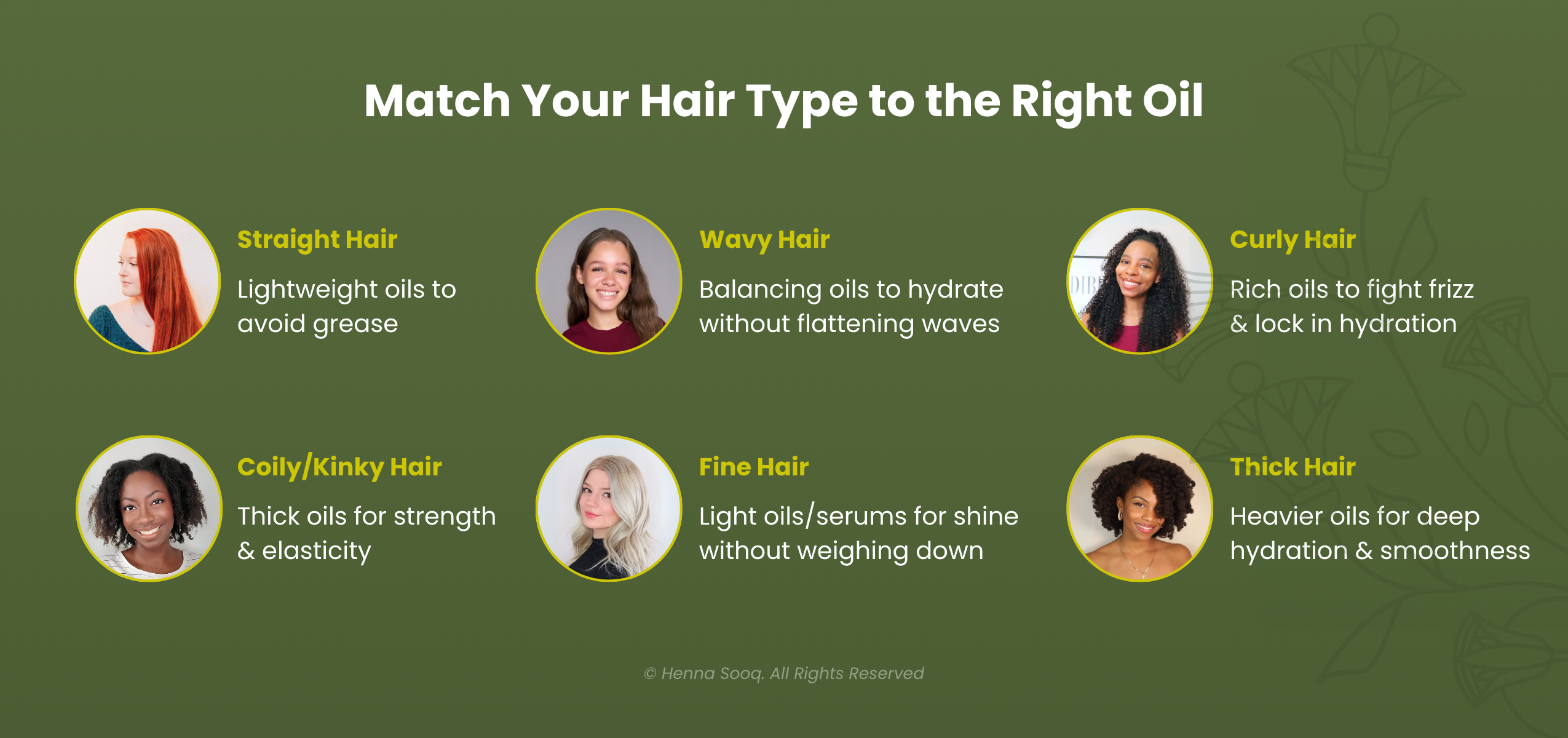
Matching your oil to your hair type is the first step to avoiding greasiness. Using a heavy oil on fine hair or applying rich formulas daily leads to buildup and flatness.
Fine or Oily Hair: Use Lightweight Oils
Opt for fast-absorbing, non-comedogenic oils. These options work best without weighing hair down.
• Jojoba oil mimics natural sebum and balances scalp oil production
• Argan oil provides lightweight shine and heat protection
• Grapeseed oil has a thin texture that will not weigh hair down
• Squalane oil offers plant-based humectant-like properties
Pro Tip: Jojoba oil helps regulate sebum production, making it ideal for those with oily scalps who still need moisture.
Thick, Curly, or Coily Hair: Use Richer Oils
High-porosity, dry textures benefit from deeper nourishment. These oils penetrate and seal effectively.
• Manketti oil seals moisture and strengthens cuticles
• Coconut oil penetrates the shaft and reduces protein loss
• Avocado oil is rich in fatty acids and deeply conditioning
• Castoroil (diluted) is thick but effective for growth when blended
Warning: Always dilute castor oil (1 part castor plus 2 parts jojoba) to avoid stiffness and buildup.
Apply Oil to Damp, Not Dry, Hair
One of the biggest mistakes is applying oil to dry strands. Oil does not add moisture. It seals it in. So if your hair is dry, oil just coats the surface, leading to greasiness with no hydration benefit.
Why Damp Hair Works Best
• Water opens the hair cuticle, allowing better oil absorption
• Oil glides evenly without clumping
• Prevents over-application since damp hair spreads product more easily
How to Do It
- Towel-dry hair after washing until damp, not dripping
- Apply a water-based leave-in conditioner or mist (the Liquid in LOC)
- Follow with a small amount of oil (the Oil)
- Seal with a cream if needed (the Cream)
Result: Hydrated, defined, non-greasy hair that stays soft all day.
Use the LOC Method to Lock in Moisture

The LOC method (Liquid-Oil-Cream) is a game-changer for curly, coily, and dry hair types. It ensures hydration is sealed in so you use less oil and avoid greasiness.
Step-by-Step LOC Process
- Liquid: Spray or apply a water-based leave-in conditioner
- Oil: Use 1 to 2 pumps (or less) of lightweight oil on ends and mid-lengths
- Cream: Apply a moisturizing cream to lock everything in
For low-porosity hair: Use LOC order to prevent oil from blocking moisture.
For high-porosity hair: Try LCO (Lotion-Cream-Oil) to seal hydration more effectively.
Expert Insight: Skipping the liquid step forces you to use more oil for softness, leading directly to greasiness.
Start With Less Oil—You Can Always Add More
Over-application is the number one cause of greasy hair. A little goes a long way.
Recommended Amounts by Hair Type
• Fine or straight hair: 1 to 2 drops or 1 mist
• Wavy or medium hair: 1 pump
• Curly or coily hair: Dime-sized amount (up to 2 pumps)
Pro Tip: Rub oil between palms first. This warms it and spreads it thinly, reducing the risk of clumps.
Warning: Never apply oil directly to roots on leave-in styles. It weighs hair down and looks greasy.
Warm Oil for Better Absorption
Cold oil sits on the surface. Warm oil penetrates deeper into the hair shaft and scalp, reducing residue and greasiness.
How to Warm Safely
• Use a double boiler (bowl over hot water) for 2 to 3 minutes
• Test temperature on wrist. It should feel warm, not hot
• Never microwave oil. This can degrade nutrients and overheat
Why It Works: Heat opens the hair cuticle, allowing oil to absorb instead of sitting on top.
Try Pre-Shower Oil Treatments
Want deep nourishment without greasiness? Pre-wash oiling is your best bet. The oil penetrates before being fully washed out, leaving zero residue while delivering maximum benefit.
How to Do a Pre-Shower Treatment
- Warm oil slightly
- Section hair into 4 to 6 parts
- Apply from scalp to ends with fingertips
- Massage for 5 to 10 minutes to boost circulation
- Leave on for 20 to 60 minutes (maximum 3 hours)
- Shampoo twice to remove all residue
- Condition as usual
Bonus: Acts as a scalp cleanse when followed by shampoo, especially helpful if you wear hats or sweat often.
Caution: Avoid overnight oiling unless prescribed. It can clog follicles, especially on fine or oily hair.
Avoid These Common Oiling Mistakes
Even with the right oil, mistakes can lead to greasiness. Watch out for these top errors.
• Using too much oil creates an immediate greasy look
• Applying to roots on dry hair results in flat, oily roots
• Leaving oil in too long causes buildup and dullness
• Not washing out thoroughly means residue equals greasiness
• Oiling daily disrupts natural oil balance
• Using mineral oil or synthetic blends causes buildup over time
Expert Consensus: If you have dandruff or scalp inflammation, skip oiling. Use a cleansing scalp mask (aloe plus neem) instead.
Wash Out Thoroughly With Double Shampoo
No matter how little oil you use, residue left behind will make hair look greasy.
How to Wash Out Oil Completely
- Wet hair well
- Emulsify shampoo in hands before applying
- First wash removes oil and buildup
- Second wash cleanses scalp and removes residue
- Rinse with cool water to seal the cuticle and boost shine
For curly hair: Wash upside down to maintain volume and ensure even cleansing.
Tip: Use a clarifying shampoo once a week to prevent long-term buildup.
Use Oil as a Styling Finisher, Not a Base
Oils make excellent final touches for shine and flyaway control when used sparingly.
Styling Tips
• Apply after gels, creams, or mousses
• Use a finishing mist (like Manketti Oil Mist) for fine hair
• Rub 1 drop between palms and smooth over ends only
• Avoid roots unless doing a pre-wash scalp treatment
Product Pick: LoreAl EverPure Bond Repair Hair Oil-in-Serum is lightweight, non-greasy, and doubles as a heat protectant.
Know How Long to Leave Oil In
Duration matters. The longer oil sits, the higher the risk of clogged follicles and greasiness.
Recommended Timing by Hair Type
• Dry or coarse hair: 30 minutes to 3 hours (can do overnight if needed)
• Normal hair: 30 to 60 minutes (sufficient for nourishment)
• Fine or oily hair: 20 to 30 minutes (never overnight)
Ayurvedic Warning: Avoid oiling after sunset. Follicles close at night, reducing absorption and increasing dust buildup.
Oil Based on Hair Porosity
Porosity determines how well your hair absorbs and retains moisture and oil.
Low Porosity Hair
• Cuticles are tight, so oil sits on top
• Use lightweight oils: jojoba, squalane, grapeseed
• Apply to damp hair to help absorption
• Use LOC method to prevent moisture blockage
High Porosity Hair
• Cuticles are raised, so absorbs oil quickly
• Can handle richer oils: coconut, avocado, almond
• Benefits from LCO method to seal in hydration
• Prone to frizz, so oil helps smooth and protect
Test Your Porosity: Drop a strand in water. If it sinks fast, you have high porosity. If it floats, you have low porosity.
Enhance Absorption With Natural Mix-Ins
Dilute oil with natural ingredients to reduce greasiness and boost benefits.
Pro Blends
• With aloe vera gel soothes scalp, adds slip, and reduces shine
• With plain yogurt adds protein, conditions, and rinses easily
• With rosewater lightens mixture and adds fragrance naturally
How to Use: Mix 1 teaspoon aloe plus 2 drops oil. Apply to ends or scalp. Rinse after 30 to 60 minutes.
Frequency: How Often to Oil Hair
Over-oiling disrupts your scalp’s natural balance. Follow these guidelines.
Recommended Frequency
• Dry or damaged hair: 1 to 3 times per week using pre-wash or LOC
• Normal hair: Once per week using ends or pre-wash
• Oily or fine hair: Every 2 weeks using ends only (post-shower)
• Curly or coily hair: 2 to 3 times per week using pre-wash or LCO
For ends only: Oil weekly when dry or brittle. No need to oil roots every time.
Final Tips to Prevent Greasiness
Do This
• Warm oil before use
• Section hair for even application
• Massage scalp to boost absorption
• Use pre-wash treatments for deep care
• Match oil weight to hair type
• Wash out thoroughly with double shampoo
Avoid This
• Overnight oiling (unless hair is very dry)
• Applying oil to roots on leave-in styles
• Using heavy oils on fine hair
• Skipping shampoo after pre-oil treatment
• Oiling a flaky or inflamed scalp
Frequently Asked Questions About Oiling Hair Without Greasiness
How do I apply oil to my hair without it looking greasy?
Apply oil only to damp hair, starting with 1 to 2 drops. Focus on the mid-lengths and ends, avoiding the roots. Rub the oil between your palms first to warm and thin it out, then distribute evenly. If your hair still looks greasy, you are using too much. Start with less next time.
Which oil is best for fine hair to avoid greasiness?
Jojoba oil, argan oil, and squalane oil are the best choices for fine hair. These lightweight oils absorb quickly and will not weigh down your strands. Avoid heavy oils like coconut, olive, or pure castor oil on fine hair, as they tend to leave a greasy residue.
Can I oil my hair every day without it becoming greasy?
Oiling daily is not recommended for most hair types. Daily application can disrupt your scalp’s natural oil production and lead to buildup. For best results, oil your hair 1 to 3 times per week maximum, depending on your hair type. Those with dry or curly hair can oil more frequently, while fine or oily hair should oil less often.
Should I apply oil to wet or dry hair?
Always apply oil to damp (not wet or dry) hair. Damp hair has an open cuticle that allows oil to penetrate and seal in moisture. Applying oil to dry hair simply coats the surface, leading to greasiness without any real hydration benefit. Towel-dry your hair until it is damp before applying oil.
How long should I leave oil in my hair?
Leave oil in for 20 minutes to 3 hours, depending on your hair type. Fine or oily hair should only have oil in for 20 to 30 minutes. Normal hair benefits from 30 to 60 minutes. Dry or coarse hair can handle 30 minutes up to 3 hours. Never leave oil in overnight unless specifically recommended by a specialist, as this can clog follicles.
Why does my hair look greasy after oiling?
Your hair looks greasy because you are using too much oil, applying it to the roots, using the wrong type of oil for your hair, or not washing it out thoroughly. To fix this, use less oil (start with 1 to 2 drops), apply only to ends and mid-lengths, choose a lightweight oil, and double shampoo to remove all residue.
Key Takeaways for Oiling Hair Without Greasiness

You can enjoy the benefits of hair oiling, shine, strength, softness, and scalp health, without the greasy aftermath. The secret is technique over tradition.
Key Points to Remember:
• Use lightweight oils for fine or oily hair. Jojoba, argan, and squalane absorb quickly without weighing hair down.
• Apply oil to damp hair after water-based products. This allows proper absorption and sealing of moisture.
• Use the LOC or LCO method for maximum hydration with minimal oil. The liquid step is essential.
• Start with less oil. One to two drops may be enough. You can always add more.
• Pre-shower treatments nourish deeply without leaving residue when washed out properly.
• Wash out thoroughly with double shampoo. Any leftover residue causes greasiness.
• Avoid applying oil to roots on leave-in styles. Focus on ends and mid-lengths only.
• Know your porosity. Low-porosity hair needs lightweight oils and damp application, while high-porosity hair can handle richer oils.
Final Note: Hair oiling is more than a beauty routine. It is a form of self-care that calms the nervous system, improves circulation, and nurtures both hair and spirit. With these expert-backed tips, you can transform oiling from a greasy chore into a clean, radiant ritual that leaves your hair healthy, shiny, and grease-free.