
You have probably seen batana oil praised across social media and natural hair communities as a miracle elixir for faster, thicker hair growth. With its rich, buttery texture and deep conditioning reputation, it is easy to believe the hype. But if you are wondering how long does batana oil take to grow hair, the answer is not as straightforward as a simple number of weeks or months. The truth is that batana oil does not directly stimulate hair growth, but it can help your hair appear longer and healthier over time by reducing breakage and improving scalp condition.
This guide breaks down exactly what to expect, when to see results, and how to use batana oil effectively. You will learn the real timeline, best application methods, and why consistency matters more than speed when using this oil for hair health.
What Batana Oil Actually Does for Your Hair
Batana oil does not reactivate dormant follicles or increase hair density like FDA approved treatments such as minoxidil. Instead, it works indirectly by creating optimal conditions for healthy hair. Its high concentration of vitamin E and antioxidants helps protect the scalp from oxidative stress caused by UV exposure and pollution. This protection supports overall follicle health and reduces inflammation, which can otherwise contribute to shedding.
The oil also deeply moisturizes the scalp, helping to relieve dryness, flakiness, and irritation. These are common issues that may hinder hair maintenance, especially in curly and coily hair types. A well hydrated scalp is less prone to dandruff and more capable of supporting strong, resilient strands.
How It Prevents Breakage for Better Length Retention
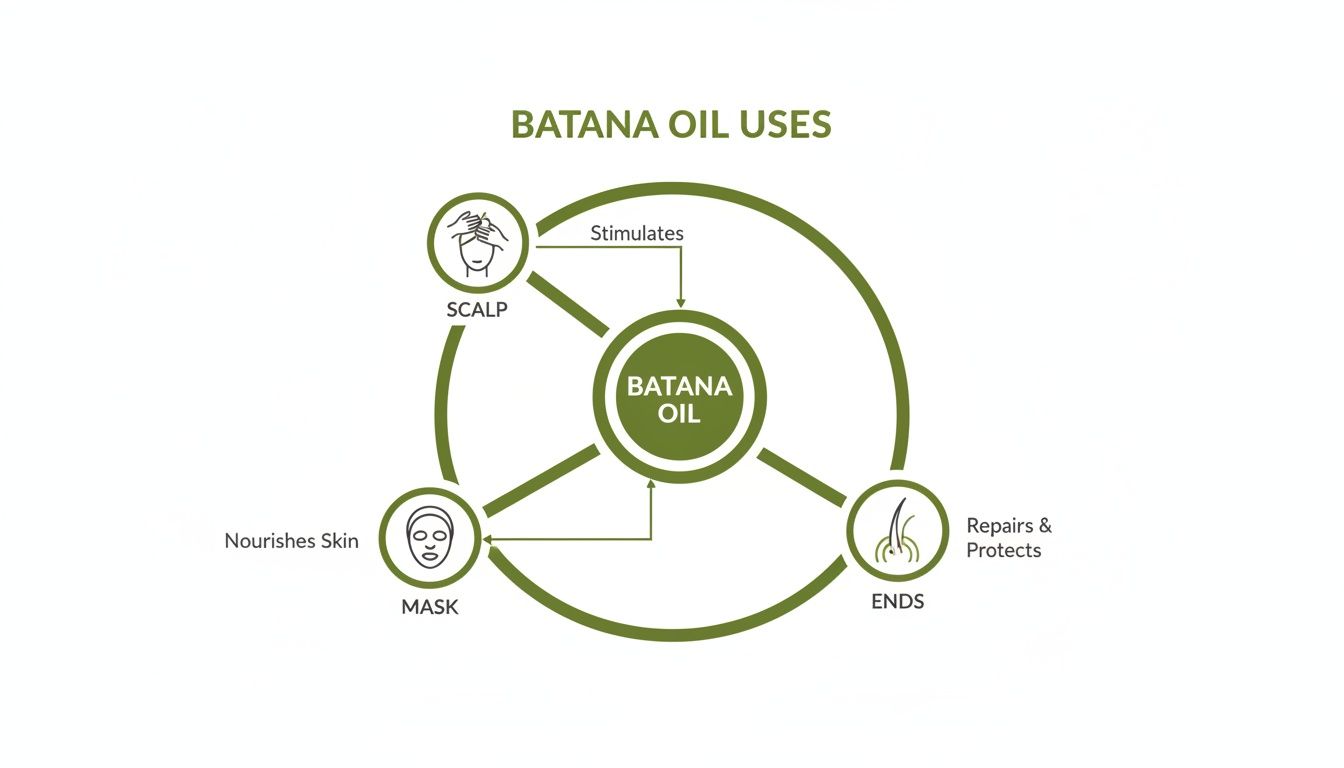
One of the biggest benefits of batana oil is its ability to reduce hair breakage. Thanks to its thick, emollient texture, it acts like a natural deep conditioner, sealing the hair cuticle and locking in moisture. This improves elasticity, making hair less likely to snap during brushing, styling, or washing.
Since actual growth happens at the root, any reduction in breakage means more of that new growth stays intact. Over time, this leads to visible length gains, not because hair is growing faster, but because it is not being lost as quickly. This is why many users report faster growth after using batana oil consistently.
Immediate Cosmetic Improvements
Even in the first few uses, people often notice their hair feels softer, smoother, and shinier. These immediate cosmetic improvements come from the oil coating the hair shaft, smoothing rough cuticles, and reflecting light more evenly. While these changes do not affect growth, they make hair look healthier and fuller, boosting confidence during your hair journey.
Realistic Timeline: When to See Results
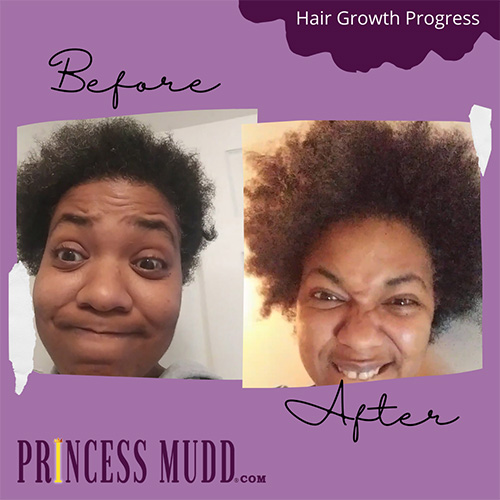
One Week: Early Cosmetic Changes
Many users report visible changes within one week, especially in hair feel and appearance. Hair becomes softer, more manageable, and less frizzy, particularly if it is dry, damaged, or chemically treated.
These early benefits are surface level, not structural. The oil coats the hair instantly, improving texture and reducing static flyaways. However, no biological changes occur this quickly, and true strengthening takes longer.
What to expect after one week:
- Smoother texture
- Reduced frizz
- Increased shine
- Easier detangling
Tip: Use a small amount and focus on ends to avoid greasiness.
Four to Six Weeks: Noticeable Strength and Scalp Benefits
After a month of consistent use, most people begin to see measurable improvements in hair health. This is when the cumulative effects start showing.
At this stage, you may notice:
- Less shedding during washing and brushing
- Fewer split ends
- Reduced scalp dryness and flakiness
- Improved hair strength and elasticity
The oil has had time to penetrate and condition the hair shaft while supporting a healthier scalp environment. Scalp massages during application also boost microcirculation, which may help prolong the anagen growth phase of hair follicles.
Pro tip: Take weekly photos to track progress. Subtle changes add up over time.
Eight to Twelve Weeks: Visible Fullness and Length Gains
By two to three months, users commonly report thicker looking hair and measurable length increases. These results stem from sustained nourishment, reduced protein loss, and minimized breakage.
This timeframe aligns with the popular 90 day regimen designed to track transformation through consistent use. Participants document their journey with photos, notes, and routine adjustments.
Expected outcomes at three months:
- Increased volume and density
- Longer, stronger strands
- Healthier scalp appearance
- Improved overall hair resilience
Key factor: Consistency matters. Skipping applications delays results.
Best Application Methods for Maximum Benefit
Clean Scalp First: Use a Clay Wash
For optimal absorption, start with a clean, buildup free scalp. A clay wash every four to six weeks removes residue from products, sweat, and excess sebum.
Clay wash formula:
- Half tablespoon coconut oil
- Generous splash of apple cider vinegar
- Indian healing clay, enough to cover hair
- Water as needed
Steps:
- Mix into a smooth paste.
- Apply to dry or damp hair, section by section.
- Massage gently into the scalp.
- Leave on for 30 minutes.
- Rinse thoroughly.
This pre-treatment opens the scalp for better oil penetration and prevents clogged follicles.
How to Apply Batana Oil Correctly
Best time to apply is after a clay wash or on damp hair.
Procedure:
- Take a small amount. Pea sized for short hair, up to a teaspoon for long or thick hair.
- Warm between palms to improve spreadability.
- Massage into scalp using fingertip tips for two minutes per section.
- Distribute remaining oil to mid lengths and ends.
- Avoid overuse. Less is more.
- Can be left on for hours or overnight as a deep conditioning mask.
- Shampoo out thoroughly with a sulfate free cleanser.
Why massage? It stimulates blood flow, potentially enhancing nutrient delivery to follicles.
How Often Should You Use It
General use: two to three times per month
Dry or damaged hair: weekly, focus on ends
Fine or oily hair: use sparingly, avoid scalp
Overuse can lead to greasiness or clogged pores, especially in fine or acne prone scalps.
Who Benefits Most from Batana Oil
Ideal Hair Types for Batana Oil
Batana oil works best for specific hair types that absorb heavy oils effectively.
Ideal for:
- Curly, coily, thick, or dry hair types
- Those with chemically processed or heat damaged hair
- People with dry, flaky scalps
- Anyone seeking frizz control and split end protection
These hair types thrive with batana oil is intense moisture and protective qualities.
When to Avoid or Use Caution
Batana oil is not recommended for everyone.
Not recommended for:
- Fine or straight hair, as it may appear flat or greasy
- Oily or acne prone scalps, due to risk of clogged pores
- Sensitive skin or seborrheic dermatitis, as it may trigger flare ups
If you have fine hair, try applying only to the ends and skip the scalp.
Potential Side Effects and How to Avoid Them
Risk of Buildup and Clogged Pores
Due to its thick consistency, batana oil can accumulate on the scalp if not washed out properly. This may lead to folliculitis, which is inflamed hair follicles, greasy appearance, and reduced hair volume.
Prevention tips:
- Use a clarifying shampoo monthly
- Do not skip the clay wash
- Always rinse thoroughly after masking
Allergic Reactions and Sensitivity
While rare, some individuals may react to palm oil derivatives. Always do a patch test behind the ear or on the inner arm before full application.
Wait 24 hours to check for redness, itching, or swelling.
Common Myths About Batana Oil
Myth: It Speeds Up Hair Growth
Reality: No clinical studies show batana oil increases the rate of hair growth. It supports length retention, not biological regrowth.
Myth: It Reverses Gray Hair
Reality: There is no evidence batana oil affects melanin production or reverses graying.
Myth: It Treats Alopecia
Reality: Batana oil cannot treat medical conditions like androgenetic alopecia. For hair loss, consult a dermatologist for proven treatments like minoxidil or finasteride.
How Batana Oil Compares to Other Oils

| Oil | Growth Evidence | Main Benefit | Best For |
|---|---|---|---|
| Batana Oil | None | Deep conditioning, moisture retention | Dry, thick, curly hair |
| Rosemary Oil | Some clinical support | Stimulates circulation | Thinning hair |
| Pumpkin Seed Oil | Studies show increased hair count | Anti-androgenic effects | Male pattern baldness |
| Coconut Oil | Moderate | Reduces protein loss | Damaged or porous hair |
| Argan Oil | None | Lightweight shine, frizz control | Fine to medium hair |
While batana oil excels in moisturizing, it does not replace oils with proven growth stimulating effects.
Key Takeaways for Using Batana Oil
Batana oil does not accelerate hair growth or regrow lost hair. It reduces breakage and improves scalp health, leading to better length retention. Visible improvements in texture, shine, and strength typically appear in four to six weeks. Some users see cosmetic changes in as little as one week.
Best results come from consistent use, proper scalp prep, and targeted application. The oil is ideal for curly, coily, thick, or dry hair and less suitable for fine or oily types. It is not a substitute for medical hair loss treatments.
If you are looking for healthier, stronger, more resilient hair, batana oil can be a valuable part of your routine. But if you are dealing with thinning or hair loss, seek clinical solutions from a licensed dermatologist.
Frequently Asked Questions About Batana Oil
How long does it take to see results from batana oil?
Most users notice cosmetic improvements within one week, particularly in hair softness and shine. Measurable improvements in hair strength and reduced breakage typically appear after four to six weeks of consistent use. Visible fullness and length gains usually show by eight to twelve weeks.
Does batana oil actually grow hair?
No, there is no scientific evidence that batana oil stimulates hair growth or regrows lost hair. It supports hair health indirectly by reducing breakage, improving scalp condition, and enhancing moisture retention. This leads to better length retention, which may be mistaken for faster growth.
Can I use batana oil every day?
Daily use is not recommended for most people. The general recommendation is two to three times per month for maintenance. For dry or damaged hair, weekly use as a deep conditioning treatment is acceptable. Daily application may cause greasiness and clogged pores.
Who should not use batana oil?
Batana oil is not recommended for people with fine or oily hair, as its heavy texture can weigh hair down and make it greasy. Those with sensitive scalps, seborrheic dermatitis, or acne prone skin should use caution, as the oil may clog pores and trigger flare ups.
Can I mix batana oil with other hair products?
Yes, batana oil can be mixed with other oils or incorporated into hair masks. However, avoid mixing it with products containing heavy silicones, as this may cause buildup. For best results, apply batana oil to clean, damp hair either alone or as part of a deep conditioning routine.