
If you have ever squeezed open a vitamin E capsule and smoothed the golden oil onto your scalp, you are not alone. Thousands of people swear by this simple trick to combat dryness, reduce breakage, and support healthier hair growth. While vitamin E will not magically regrow a receding hairline overnight, scientific evidence and real-world use confirm it plays a valuable role in maintaining strong, vibrant hair, especially when oxidative stress is a hidden culprit behind thinning.
Vitamin E is a powerful antioxidant that protects hair follicles from free radical damage caused by pollution, UV rays, and stress. When used correctly, either topically or orally, it can improve scalp health, reduce shedding, and enhance shine. This guide reveals exactly how to use vitamin E capsules for hair growth, backed by clinical research, expert insights, and proven application techniques.
Why Vitamin E Supports Stronger Hair Growth
How Vitamin E Protects Hair Follicles
Oxidative stress damages hair follicles, shortens the growth cycle, and contributes to thinning. Vitamin E neutralizes free radicals, protecting scalp cells from this damage. A 2010 clinical study found that participants taking tocotrienol supplements saw a 34.5% increase in hair count after 8 months, compared to nearly no change in the placebo group.
Strengthening Follicles from Within
As a fat-soluble nutrient, vitamin E travels through the bloodstream to nourish follicles. It strengthens cell membranes, promotes tissue repair, and may extend the anagen growth phase of hair. This means hair stays in the active growth stage longer, resulting in thicker, longer strands over time.
Preventing Breakage and Split Ends
Applied topically, vitamin E coats the hair shaft, sealing in moisture and reducing friction. This improves elasticity, minimizes protein loss, and prevents breakage during brushing or styling. The protective coating also helps seal split ends before they travel up the hair shaft.
How to Apply Vitamin E Capsules Topically

Puncturing and Extracting the Oil
Use clean scissors or a pin to open 1 to 2 softgel capsules. Squeeze out the thick, golden oil inside. Avoid using more than two capsules per session to prevent greasiness and clogged pores.
Diluting with Carrier Oils
Never apply pure vitamin E oil directly to your scalp. It is too concentrated and may clog follicles or cause irritation. Mix the contents of 1 to 2 capsules with 1 to 2 tablespoons of a lightweight carrier oil such as jojoba oil, coconut oil, almond oil, argan oil, or olive oil.
Massaging Into Scalp and Hair
Section your hair and apply the mixture using fingertips or a dropper. Massage in circular motions for 5 to 10 minutes to stimulate blood flow. Then spread remaining oil down to the ends to protect against split ends and add shine.
Leaving On and Washing Out Properly
For quick treatment, leave the oil on for 30 to 60 minutes before shampooing. For deep conditioning, apply overnight with a shower cap to avoid staining your pillow. Use sulfate-free shampoo and consider double cleansing to remove all oil buildup.
How Often to Apply
Use this treatment 1 to 3 times weekly. Overuse can lead to clogged follicles or scalp acne. Start once a week and increase only if your scalp tolerates it well.
Best DIY Vitamin E Hair Masks

Basic Nourishing Hair Mask Recipe
This mask combines vitamin E with other hair-loving ingredients for maximum nourishment.
You will need 1 to 2 vitamin E capsules, 2 tablespoons of coconut or olive oil, half a mashed avocado, 1 teaspoon of honey, and 2 to 3 drops of rosemary essential oil. Blend all ingredients into a smooth paste, apply from roots to tips, cover with a shower cap, leave for 30 minutes to 1 hour, then rinse with lukewarm water and shampoo gently.
Repairing Mask for Damaged Hair
For color-treated or heat-damaged hair, combine 2 vitamin E capsules, 2 tablespoons of argan oil, 1 egg yolk for protein, and 1 teaspoon of aloe vera gel to soothe the scalp. Apply weekly to restore shine and strength.
Oral Vitamin E for Hair Growth
Choosing the Right Supplement
Not all vitamin E supplements are equal for hair growth. The natural form, d-alpha-tocopherol, is 50% better absorbed than synthetic versions. Tocotrienol-rich formulas are more effective for hair growth based on clinical trials. Avoid high-dose synthetic vitamin E unless directed by a doctor.
Dosage Guidelines and Safety Limits
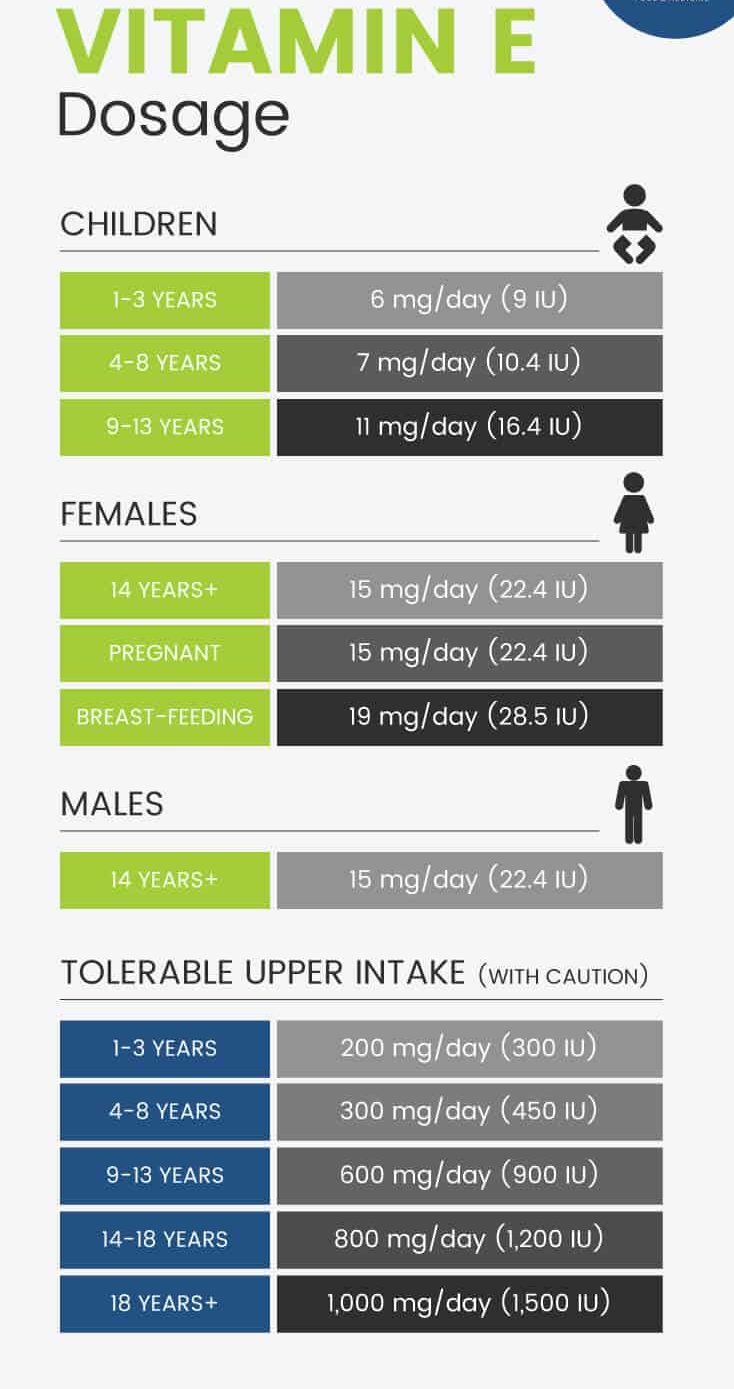
The daily recommended dietary allowance is 15 mg, easily met through diet. For hair support, 100 to 200 IU daily may help, but never exceed 1,500 IU per day for natural vitamin E or 1,100 IU per day for synthetic. High doses increase bleeding risk, especially if you take blood thinners.
Taking Supplements for Best Absorption
Since vitamin E is fat-soluble, always take it with a meal containing healthy fats such as avocado, nuts, or olive oil to boost absorption. Expect results in 3 to 6 months of consistent use.
Vitamin E in Hair Products
Shampoos and Conditioners
Many products contain vitamin E, but contact time is too short for deep absorption. They work best for adding shine, reducing static, and protecting against daily damage. Look for products also containing biotin, panthenol, niacinamide, or tea tree oil.
Serums and Leave-In Treatments
These are more effective than wash-off products. Apply a few drops to damp hair ends to prevent split ends and frizz.
Dietary Sources of Vitamin E
You may not need supplements if you eat well. Top food sources include sunflower seeds at 7.4 mg per ounce, almonds at 7.3 mg per ounce, sunflower oil at 5.6 mg per tablespoon, avocado at 2.1 mg per half fruit, and olive oil at 1.9 mg per tablespoon. Eat these with fats such as nuts or cheese to maximize absorption.
Topical vs. Oral Use: Which Is Better

| Factor | Topical | Oral |
|---|---|---|
| Best For | Shine, softness, split ends | Reducing shedding, supporting follicles |
| How It Works | Coats hair and scalp | Delivers antioxidant protection systemically |
| Onset of Results | Immediate cosmetic | 3 to 6 months biological |
| Side Effect Risk | Clogged pores, irritation | Bleeding, drug interactions at high doses |
Use both methods together for maximum benefit. Topical improves appearance while oral supports actual growth.
Common Mistakes to Avoid
Using Undiluted Vitamin E Oil
Applying pure vitamin E oil can cause clogged follicles, acne, or irritation. Always mix with a carrier oil before application.
Overusing Supplements
High doses above 1,000 mg per day may cause nausea, diarrhea, or increased bleeding risk. Never self-prescribe mega-doses.
Skipping the Patch Test
Apply a drop behind your ear or on your forearm 24 hours before full use. Watch for redness or itching.
Expecting Fast Results
Hair cycles are slow. Give it at least 3 months of consistent use before judging effectiveness.
Who Should Avoid Vitamin E Capsules
People on Blood Thinners
Vitamin E has anticoagulant effects. Avoid high doses if you take warfarin, aspirin, or other anticoagulants.
Those with Bleeding Disorders
High intake may worsen bleeding tendencies.
Pregnant or Breastfeeding Women
Stick to RDA levels unless advised otherwise by a doctor. Always consult your healthcare provider before starting high-dose supplements.
Frequently Asked Questions About Vitamin E for Hair Growth
Does vitamin E make hair grow faster?
No. It does not speed up growth, which averages half an inch per month. Vitamin E helps retain length by reducing breakage and shedding instead.
Can vitamin E reverse baldness?
No. It will not stop genetic hair loss, known as androgenetic alopecia. Use FDA-approved treatments such as minoxidil or finasteride for that.
Is it safe to leave vitamin E oil on overnight?
Yes, if diluted and covered with a shower cap. Wash thoroughly in the morning to prevent buildup.
Which type of vitamin E is best for hair?
Tocotrienols are backed by clinical studies showing effectiveness for hair growth. Choose supplements labeled mixed tocotrienols.
Can deficiency cause hair loss?
Severe deficiency is rare but can cause neurological and skin issues, including thinning hair. Most people get enough from diet.
Should I use vitamin E every day?
For topical use, apply 1 to 3 times per week. For oral use, stay within the RDA of 15 mg daily, and only take higher doses under medical supervision.
Key Takeaways for Using Vitamin E Capsules for Hair Growth
Vitamin E capsules offer a safe, affordable, and science-backed tool for healthier hair when used wisely. The antioxidant protects hair follicles from oxidative stress, reduces breakage, and improves scalp health. Use both topical applications and oral supplements for complementary effects. Choose tocotrienol-rich supplements over standard alpha-tocopherol for better results. Dilute all topical applications with carrier oils and use only 1 to 3 times weekly. Combine vitamin E with other hair-boosting nutrients such as biotin, omega-3 fatty acids, and zinc for maximum benefit. Be patient and consistent, allowing 3 to 6 months to see real changes. Monitor for side effects such as scalp acne or irritation, and stop use if problems occur. Consult a dermatologist for persistent hair loss, as underlying causes like hormone imbalances or thyroid issues may need medical treatment. With consistency, you will likely see stronger, shinier, and more resilient hair within a few months.